
There have been many controversial moments in Spider-Man’s 60+ year history, whether it’s the death of Gwen Stacy, The Clone Saga, or the now-retconned revelation that Norman Osborn seduced and impregnated Gwen.
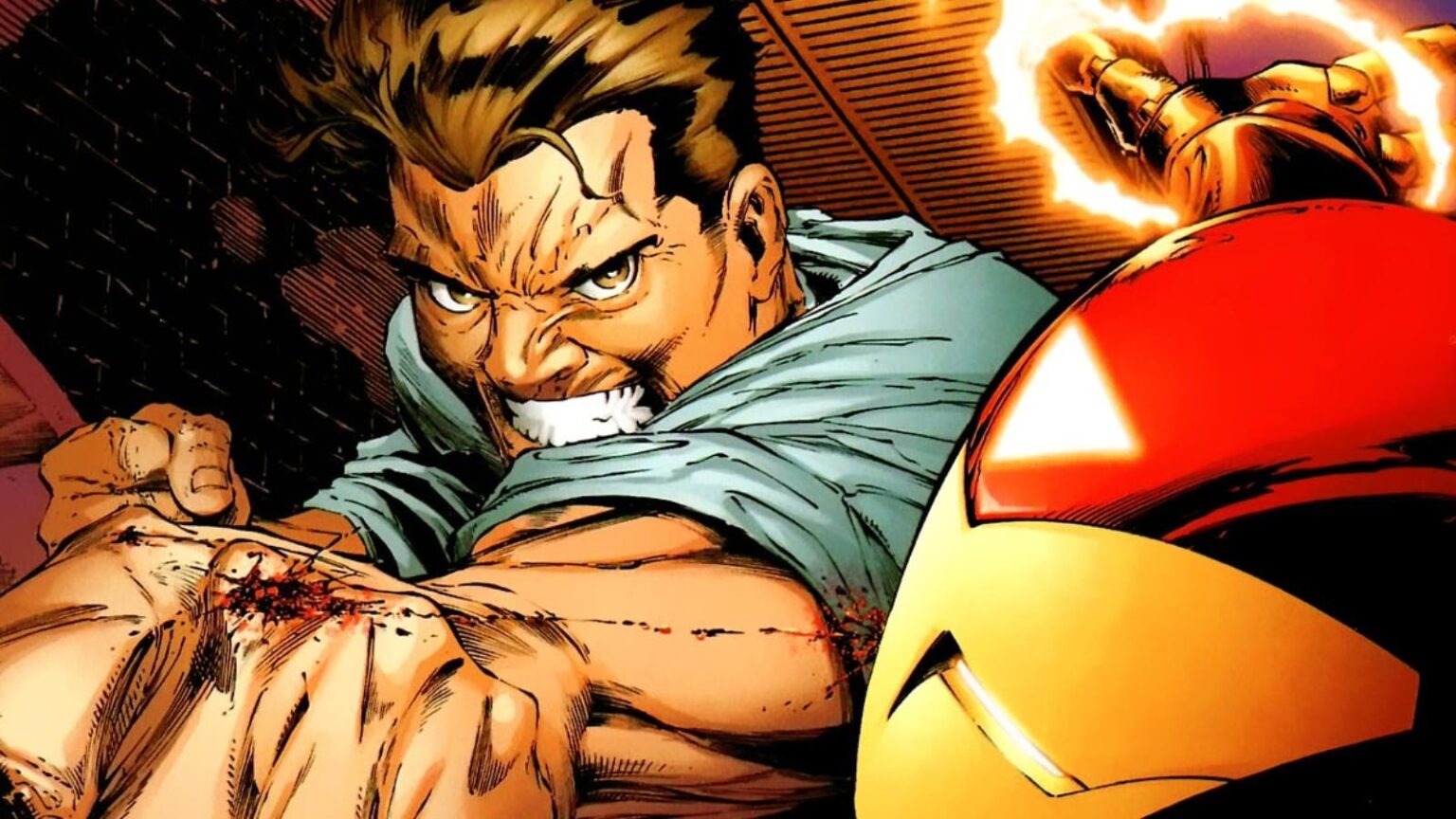
In 2006’s Civil War, Iron Man convinced Peter Parker to reveal his identity to the world. Later, realising that he was on the wrong side of the fight, Spider-Man teamed with Captain America and found himself a fugitive from the law.
Seeking to take the ultimate revenge on his old enemy, the Kingpin puts out a hit on Spidey and his family, with poor Aunt May taking a bullet. Long story short, she was dying, and Peter was forced to take drastic measures.
After everyone he turns to makes it clear that they can’t help, the Marvel Universe’s version of the devil, Mephisto, offers the wall-crawler a deal: his marriage in exchange for his aunt’s life. Peter and MJ accept, with the “Brand New Day” era bringing back a single and slightly more youthful down-on-his-luck Spider-Man, more in line with the 70s and 80s.
Titled “One More Day,” the story, written by J. Michael Straczynski with art by then-Editor-in-Chief Joe Quesada, was hugely controversial at the time and remains hated to this very day. Close to two decades later, fans are still hoping that it will be undone.
After sharing some insights into how he approached illustrating this infamous Amazing Spider-Man story on his Substack, Quesada responded to a fan who made their disdain for the story clear. Despite the continued backlash—”One More Day” is once again a huge talking point on social media—the former Marvel boss stands by it.
“If I’m honest, I do carry grave regrets,” Quesada started. “Since that story came out, Marvel had to cancel every Spider-Man comic due to lost readership and limp along with only five live-action films, two animated features, five animated series, eight standalone console and PC games, a multi-billion-dollar AAA video game franchise, multiple theme park attractions, a preschool series that moves more backpacks than outrage moves clicks, and a few billion dollars a year in global merchandise.”
“I can only imagine how much more successful he might have been if not for OMD,” he continued. “Look, stories hit everyone differently. Some land. Some don’t. That’s fair. But calling something a long-term failure eighteen years later, while the character is arguably more present in global culture than ever, doesn’t quite survive contact with reality.”
“You’re absolutely entitled to dislike the story. You’re entitled to still dislike it eighteen years later. You’re entitled to think it was a mistake. That’s part of being a fan. Passion isn’t a crime,” Quesada said in a follow-up comment. “Where I disagree is the idea that a creative decision you don’t agree with equals moral or intellectual bankruptcy.”
“Spider-Man has been reinvented for more than sixty years. Married, single, clone, dead, replaced, multiversal. None of those versions erase the others. They coexist. That elasticity is why the character endures,” he noted. “If the story pushed you away, I’m sorry it had that effect. That was never the goal. But anger doesn’t obligate agreement, and volume doesn’t turn opinion into objective fact.”
Quesada is right that “One More Day” ultimately didn’t do much to diminish Spider-Man’s popularity. The “Brand New Day” era of storytelling was hugely successful, and this summer’s Spider-Man: Brand New Day movie will be at least somewhat inspired by it.
There have been more controversies since then, of course, whether it’s Superior Spider-Man, Peter Parker becoming Tony Stark-lite, or the introduction of Paul. With Amazing Spider-Man #1000 looming, Marvel could finally undo “One More Day,” but we wouldn’t bank on it.