
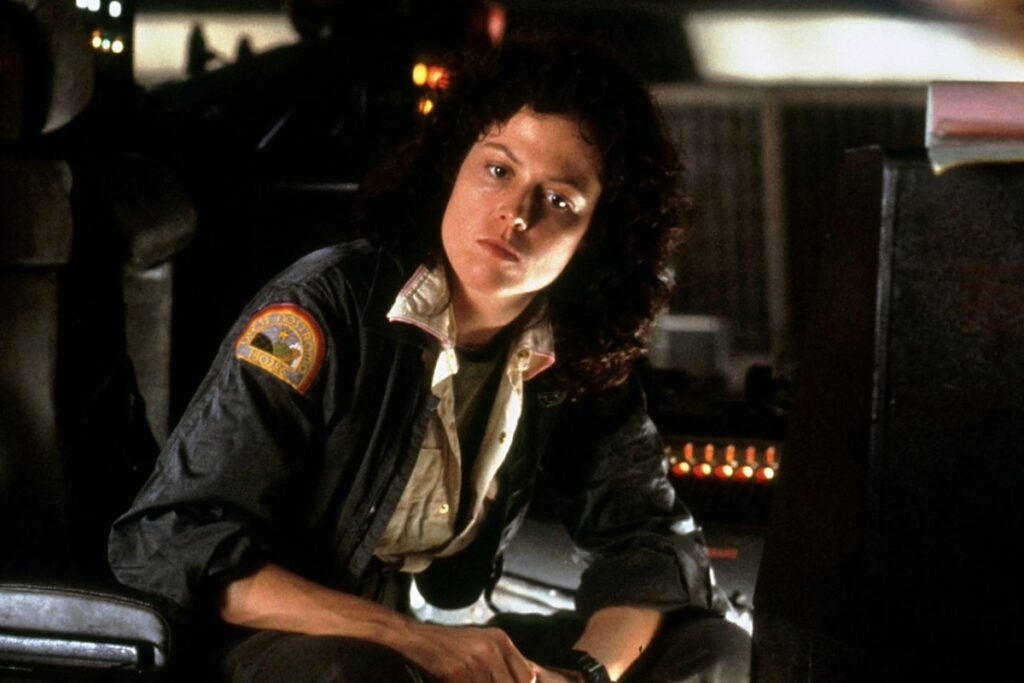
It’s the scene everyone remembers but no one wants to relive, a scar that time and CGI still can’t heal. What did a low-tech surprise in 1979 do to us that today’s blockbusters still can’t replicate?
Blood on the tablecloth, a dinner gone wrong, and a scream that still echoes through film history: the chestburster of 1979 rewired what terror could look and feel like on screen. Ridley Scott’s Alien fused practical effects with claustrophobic staging to make horror uncomfortably tactile aboard the Nostromo. From John Hurt’s ill-fated Kane to the wary glances of Dallas, Parker, and Ash, every beat was engineered for maximum shock that still ripples through pop culture. Aude Mackau and Corentin Palanchini trace how one meticulously crafted scene leaped from set piece to legend, and why it still unsettles new viewers today.
The scene that defined terror in science fiction
Forty-seven years ago, a single scene reshaped science fiction horror. Ridley Scott’s Alien (1979) had already gripped audiences with its claustrophobic dread, but the notorious chestburster moment vaulted it into legend, shocking viewers then and resonating across popular culture ever since.
A moment of horror aboard the Nostromo
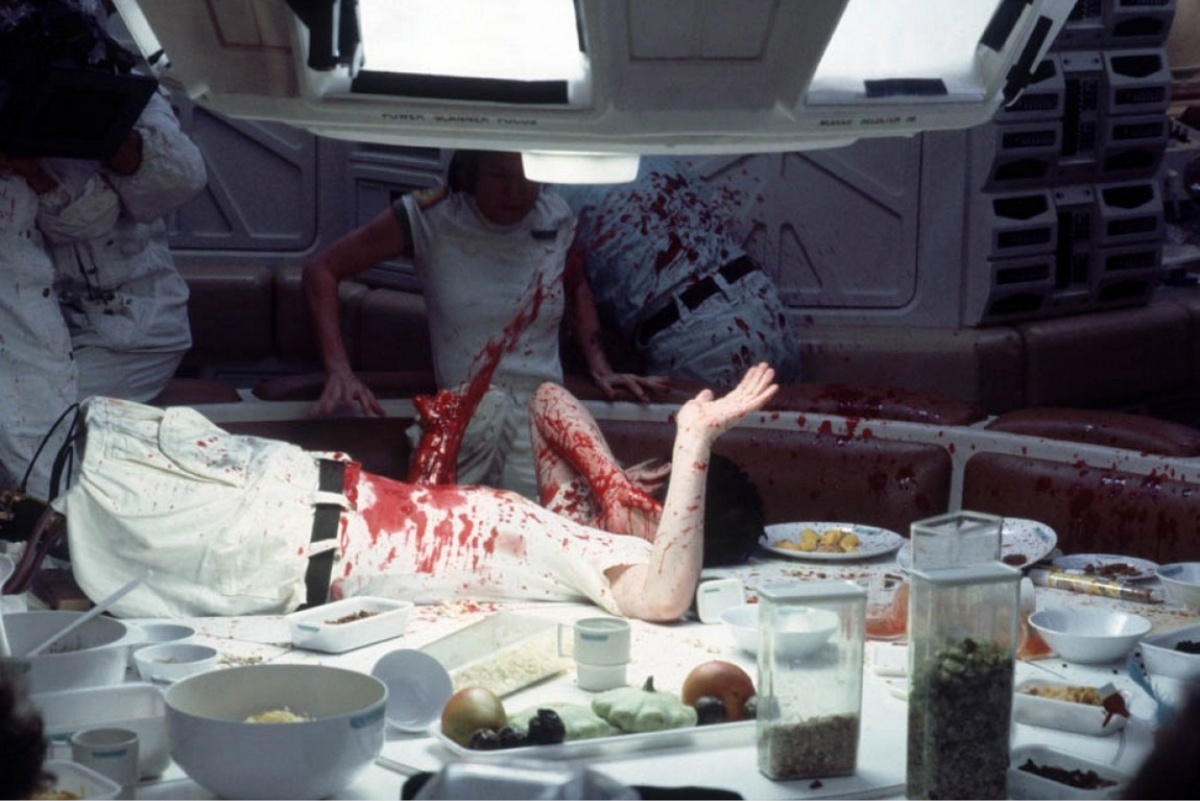
Imagine the crew of the Nostromo, a commercial towing vessel, settling into a routine meal after surviving a perilous encounter. Executive officer G. W. Kane, played by the late John Hurt, convulses without warning. In a heartbeat, an alien organism rips from his chest, shrieking into the stunned silence. To heighten authenticity, the production kept the cast unaware of key details, capturing reactions that read as raw terror on screen. It worked, and the audience felt it too.
Within the sterile corridors of the ship, where distrust already simmered, Kane’s death became a turning point. The tiny intruder would soon evolve into the predatory xenomorph, a nightmare that rewrote the rules of space-bound fear.
The artistry of terror
The scene endures not only for its shock, but for its meticulous craft. Lifelike prosthetics sell the brutality of Kane’s fate, while a convulsing animatronic creature erupts with unnerving vitality, setting a new benchmark for late-1970s practical effects. Anchoring the chaos, Tom Skerritt as Dallas, Yaphet Kotto as Parker, and Ian Holm as the unsettling Ash ground the moment with performances that feel painfully real.
Ridley Scott orchestrates suspense through restraint, withholding key aspects of the alien’s design until strategic reveals. The result is terror that escalates through suggestion, then detonates at precisely the right instant.
The legacy of fear
The chestburster sequence reverberated far beyond its 1979 debut. It traumatized a generation, defined a subgenre within sci-fi horror, and minted the xenomorph as a cultural icon. New audiences discovering the film on platforms like Disney+ are often as captivated and unsettled as those who saw it first-run, proof of timeless storytelling and audacious craft.
Filmmakers have echoed, parodied, and dissected the moment for decades, yet few matches its alchemy. It was never empty provocation; it upended expectations and tapped enduring fears through a precise fusion of narrative, design, and performance. After 47 years, it remains impossible to look away.