
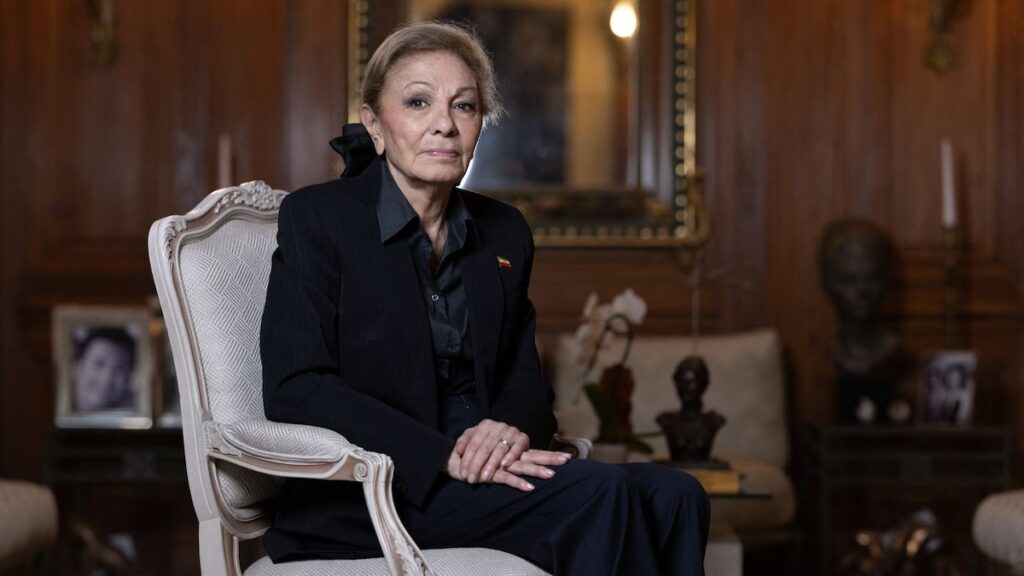
The world is watching Iran, and some with a sense of nostalgia are looking toward one family: the Pahlavis. Nearly half a century has passed, 47 years, since they went into exile, yet many Iranians still see Farah Diba, widow of Shah Mohammed Reza Pahlavi and his first and only empress, Shahbanou, as an emblematic figure of their imperial past, a history that stretches back 2500 years.
From Paris, she has already sent a message of hope. In an interview with AFP, she said that “what will be decisive is the ability of the Iranian people to unite around a peaceful, orderly and sovereign transition toward a state governed by the rule of law.” She continues to stand as the cornerstone of a royal dynasty that is currently experiencing unprecedented prominence.
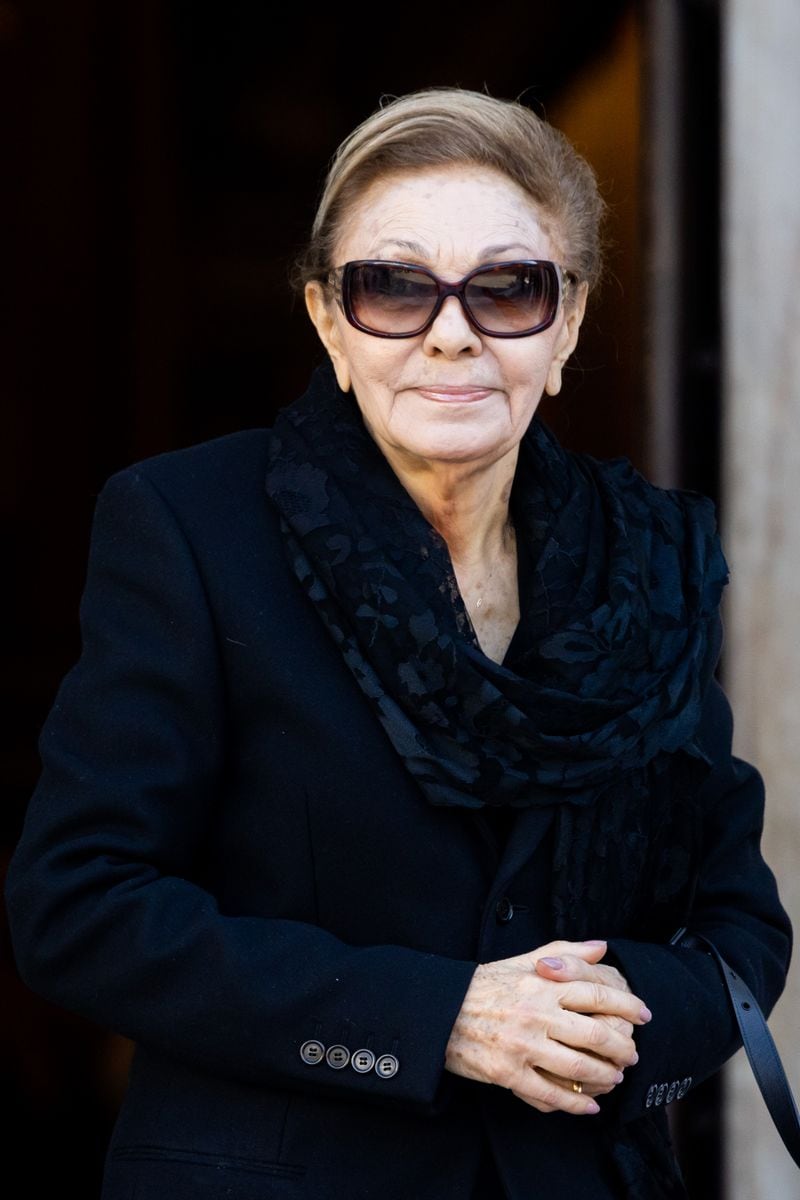 © Getty ImagesFarah Diba attends the funeral of former King Constantine II of Greece on January 16, 2023, in Athens, Greece.
Farah Diba, the pillar
She was a young architecture student in Paris when she met Shah Mohammed Reza Pahlavi. The spark ignited at a reception at the Iranian embassy in the city on the Seine. On December 21, 1959, they said “I do” in the Hall of Mirrors of the majestic Golestan Palace in Tehran. The once symbol of imperial splendor now bears the ravages of war. According to authorities, bombings have caused severe damage.
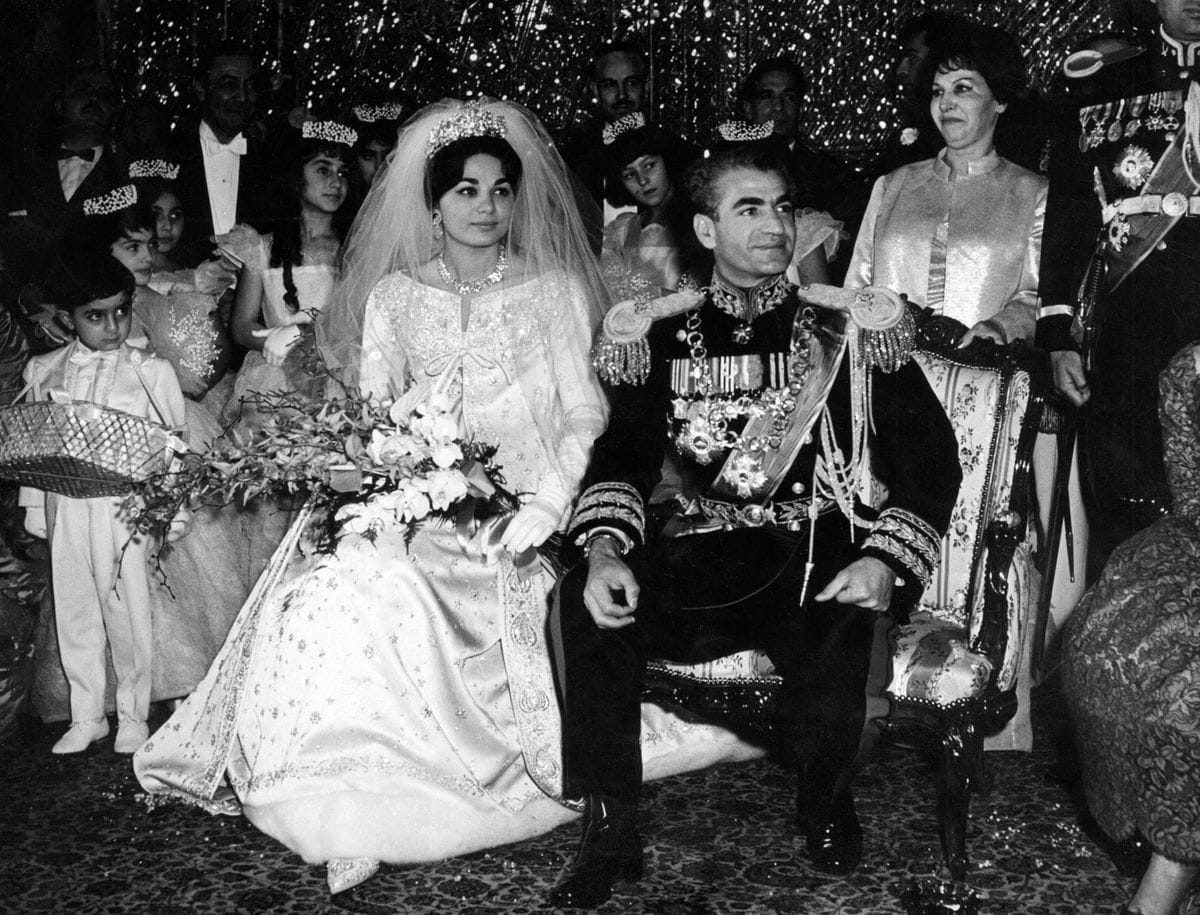 © Mondadori via Getty ImagesThe wedding between the Shah of Persia Mohammad Reza Pahlavi and Farah Diba. Tehran, 21st December 1959
A style icon known as the Persian Grace Kelly, Farah was far more than an elegant empress. She supported laws that promoted women’s emancipation, including measures that expanded women’s political participation and allowed them greater rights in marriage and divorce, until the monarchy fell.
Ten days before January 16, 1979, the Shah already sensed what was coming. Farah later recalled that he told her it might be better for them to leave the country.
He could hardly have imagined that it would be a permanent farewell. At the gates of the imperial palace, some staff members said goodbye with tears in their eyes while photographers captured the moment. Farah later described realizing that she was leaving everything behind, including her family, her home and her country. She has also said that this moment marked the beginning of a life in exile, moving from one country to another.
They first settled in Aswan, then in Marrakech, the Bahamas and Cuernavaca in Mexico, while the Shah’s health continued to deteriorate. He had cancer, a disease he kept so secret that even the CIA was unaware of it. After undergoing surgery in the United States, he returned to Egypt in March 1980. He died in Cairo on July 27 of that same year, still hoping that one day he might return, leaving behind four devastated children: Farahnaz (1963), Reza (1960), Alireza (1966) and Leila (1970).
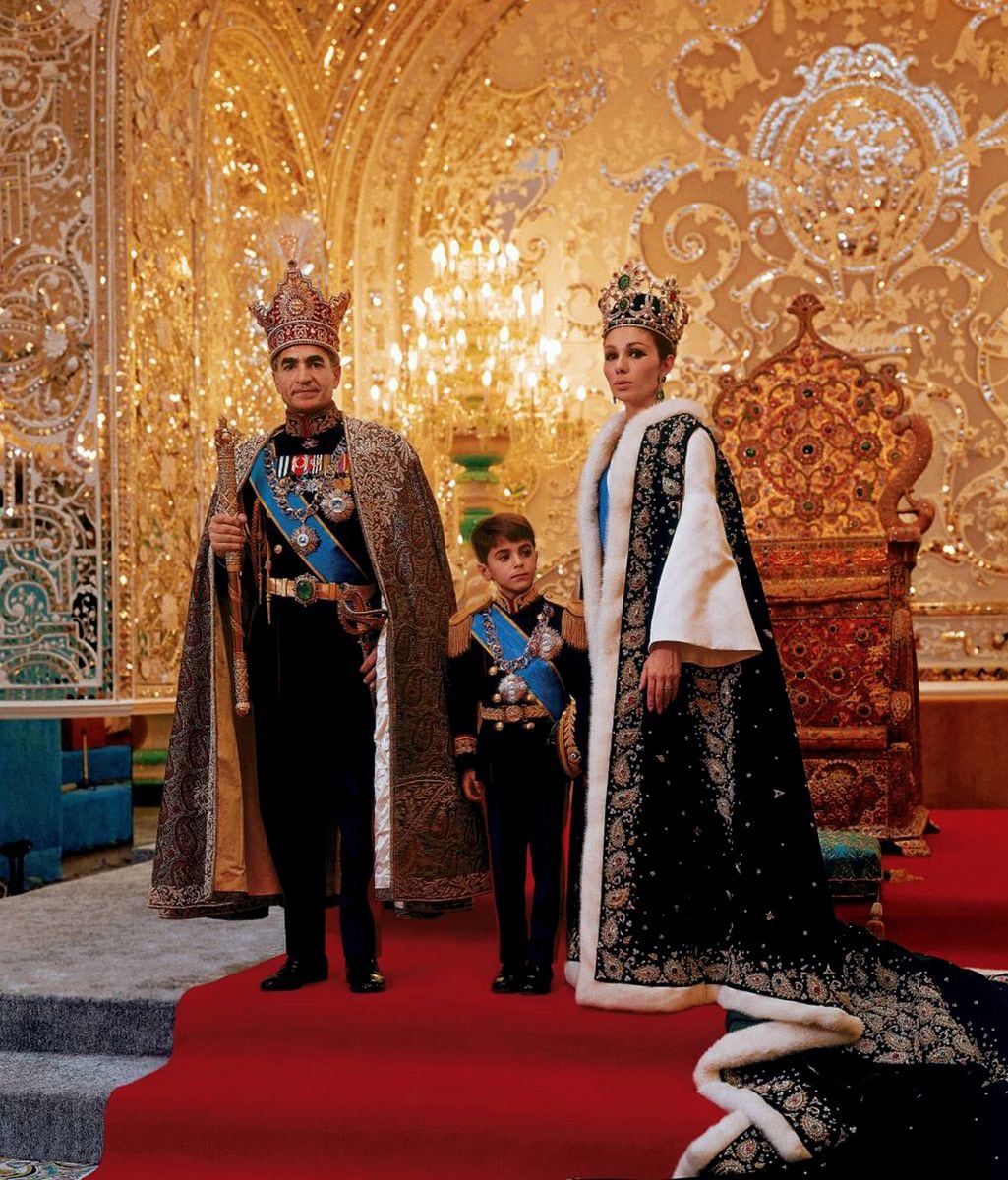 © Getty ImagesMohammed Reza Shah Pahlavi (1919-1980), the Shah of Iran from 1941-1979, posed in ceremonial dress in front of the throne with his third wife, Farah Diba, and their son, Reza.
Tragedy, however, would knock on the Pahlavi family’s door again. Farah had to endure the loss of two of her children: Leila in 2001 and Ali ten years later. He had one daughter, Iryana Leila, born in 2011. Farah has spoken about how difficult those years were for her children, who had to move from country to country while events in Iran unfolded and their father was harshly criticized on television.
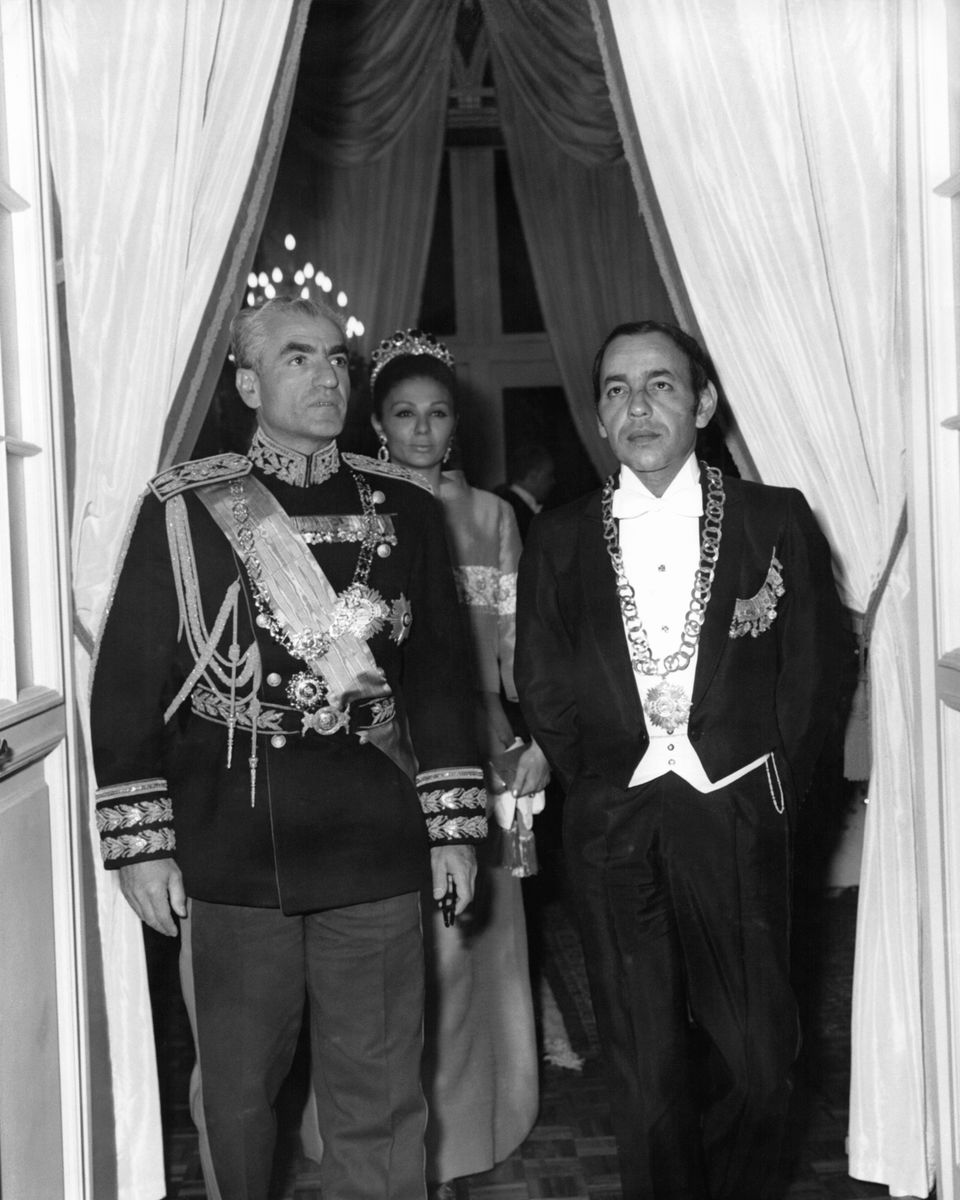 © Gamma-Rapho via Getty ImagesMohammad Reza Pahlavi, Farah Pahlavi et Hassan II du Maroc.
She eventually made Paris her home again and continues to follow developments in Iran closely. In interviews she has expressed confidence that the country will one day rediscover its true identity, often emphasizing that Iran is a nation built on thousands of years of civilization.
Reza Pahlavi, the voice from exile
After his father’s coronation in 1967, Reza, the first son, became the crown prince. He was in the United States completing pilot training in Texas when his parents went into exile. He has never been able to return to Iran.
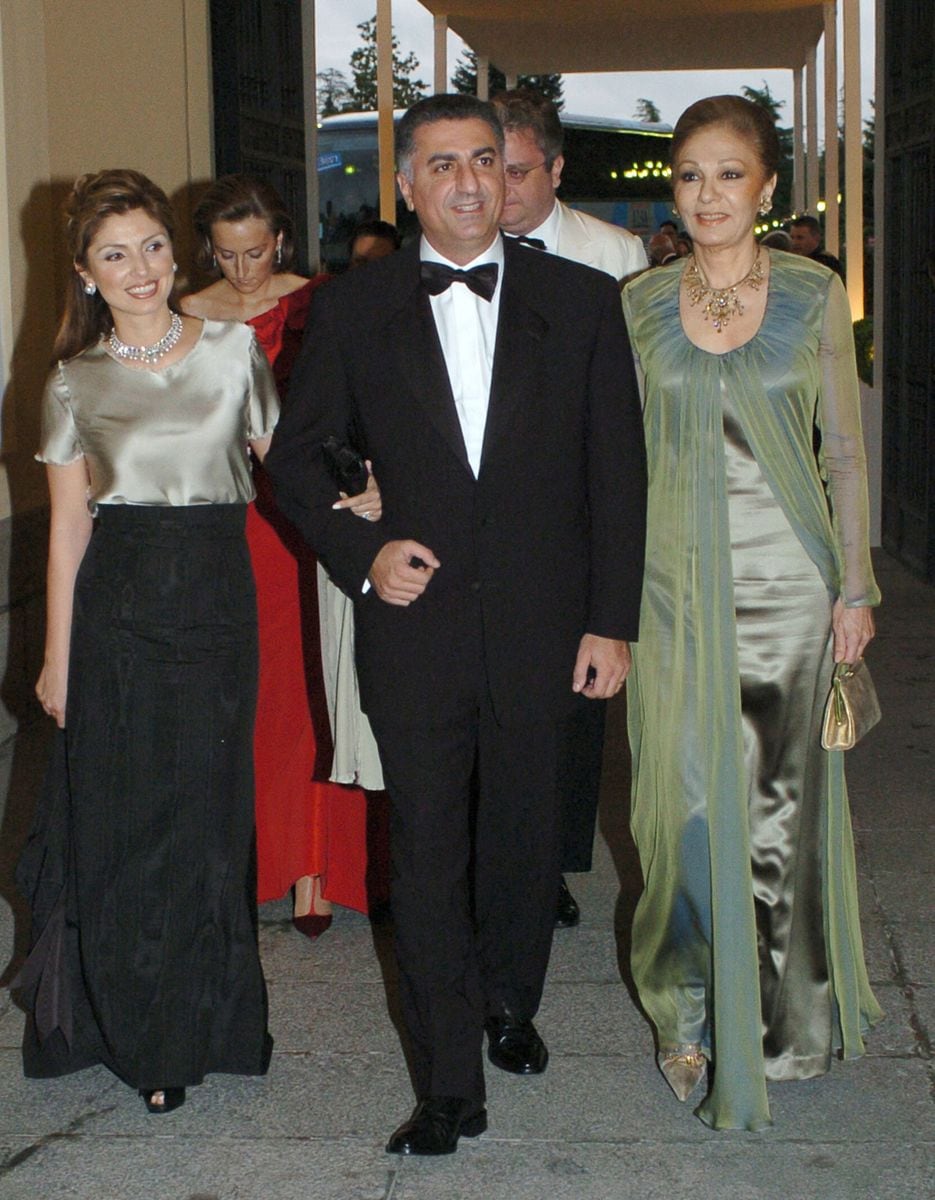 © POOL/AFP via Getty Images(From R) Former Iranian Empress Farah Diba Palhavi, Reza Pahlavi, son of the late Shah of Iran, and his wife Yasmine Etemad Amini arrive to attend an official diner at the Pardo Palace in Madrid 21 May 2004.
Although he eventually settled in the United States and studied Political Science at the University of Southern California, he has become the most prominent voice of the family and of monarchist supporters in exile.
In 1986 he married Yasmine Etemad Amini. She was seventeen, and he was twenty-five, but their backgrounds were strikingly similar. Yasmine was also Iranian, and her family had fled the country after the revolution. They built a family together and have three daughters, Noor, Iman and Farah. Today they live in the Washington area.
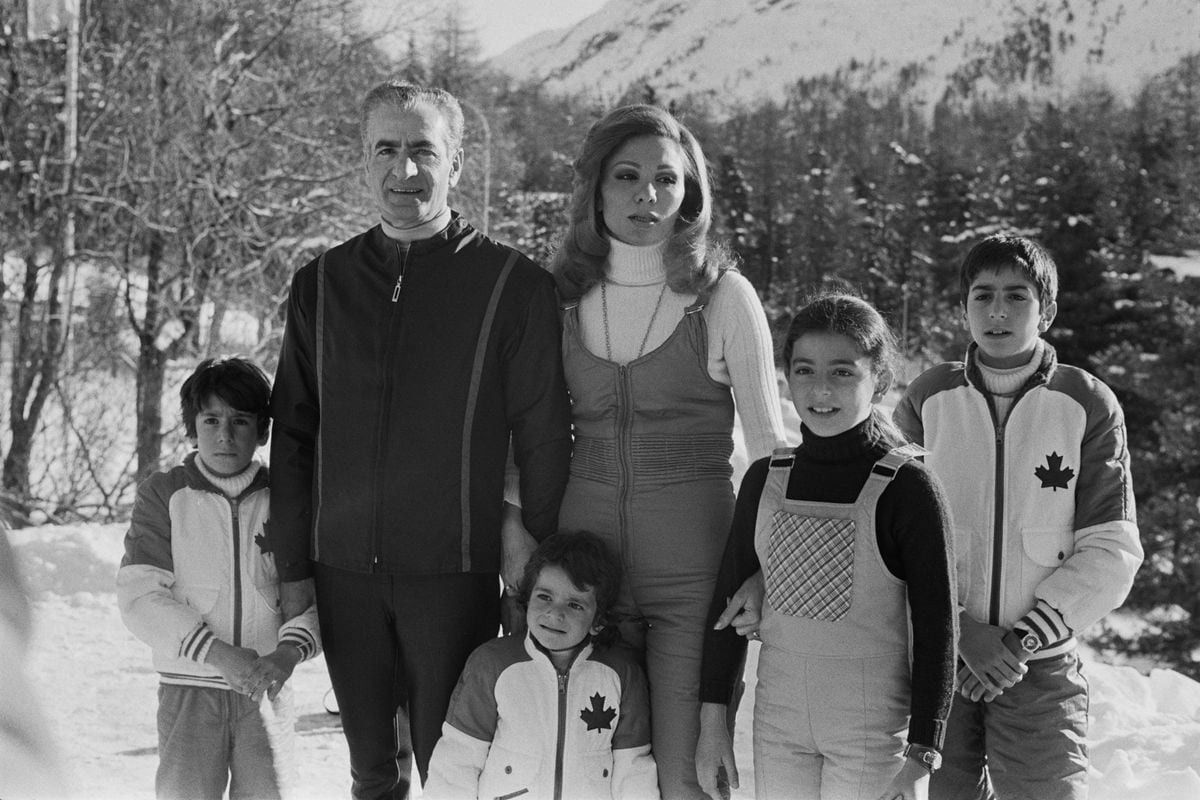 © James AndansonLe Shah d’Iran avec sa femme Farah Diba et leurs enfants (de gauche à droite : Ali Reza Pahlavi (8 ans), Leila Pahlavi (4 ans) Farahnaz Pahlavi (11 ans) et Reza Pahlavi (14 ans),
A lawyer by profession, Yasmine overcame breast cancer six years ago and continues to be a strong public supporter of her husband’s activism. She recently posted a video on social media expressing support for the Iranian people.
Noor, Iman and Farah, three influencer princesses
In 1992, Reza and Yasmine welcomed their first daughter, Noor. She studied Psychology at Georgetown but now works in finance and lives in New York.
She has become one of the most visible members of the family. With millions of followers on social media, she often uses her platforms to speak about social causes, including human rights and the situation in Iran.
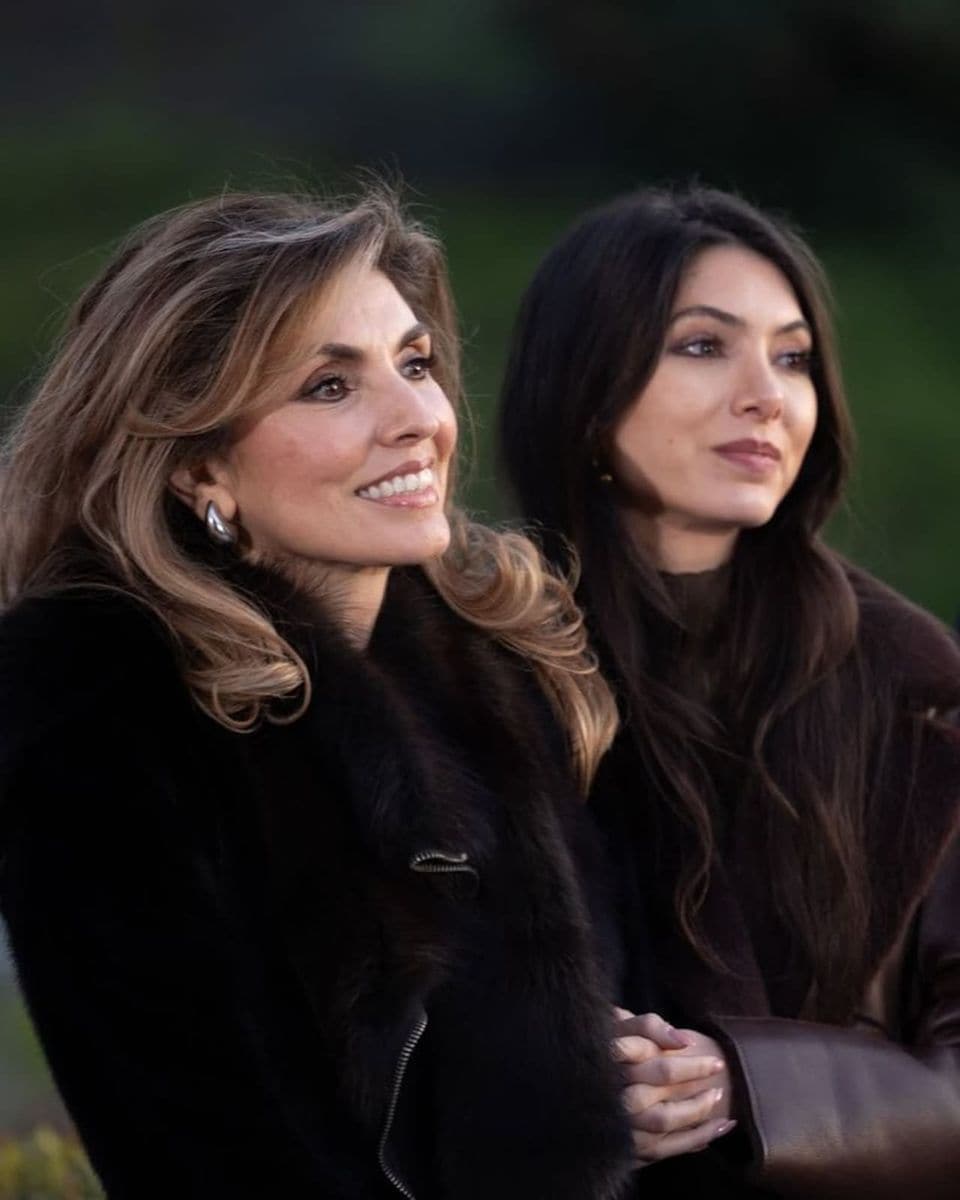 © @yasmine.pahlaviNoor Pahlavi, the couple’s first daughter, studied Psychology at Georgetown and now lives and works in New York in the finance sector.
She is also known for her style, and many observers see in her the modern heir to the elegance associated with her grandmother, Farah.
Noor is only a year older than her sister Iman, born in 1993, who followed a similar academic path, graduating in Psychology and Communications. She also lives in New York. Last year she married businessman Bradley Sherman in an intimate ceremony near the Arc de Triomphe in Paris, which brought together members of the Iranian royal family in exile.
The youngest daughter is Farah, born in 2004. The three sisters are known to be very close and often share their travels around the world on social media.
 © @farahhpahlaviThe three sisters, Noor, Farah and Iman Pahlavi, who share a close bond with their grandmother, Empress Farah.
The mystery of Farahnaz
Unlike other members of the family, Farahnaz has maintained an intensely private life. She has no social media presence and rarely appears in public.
The eldest daughter of Farah Diba, to whom she remains very close, she studied Social Work and specialized in child psychology. Much of her work has focused on social causes, including advocating for children’s rights and mental health awareness in underserved communities.
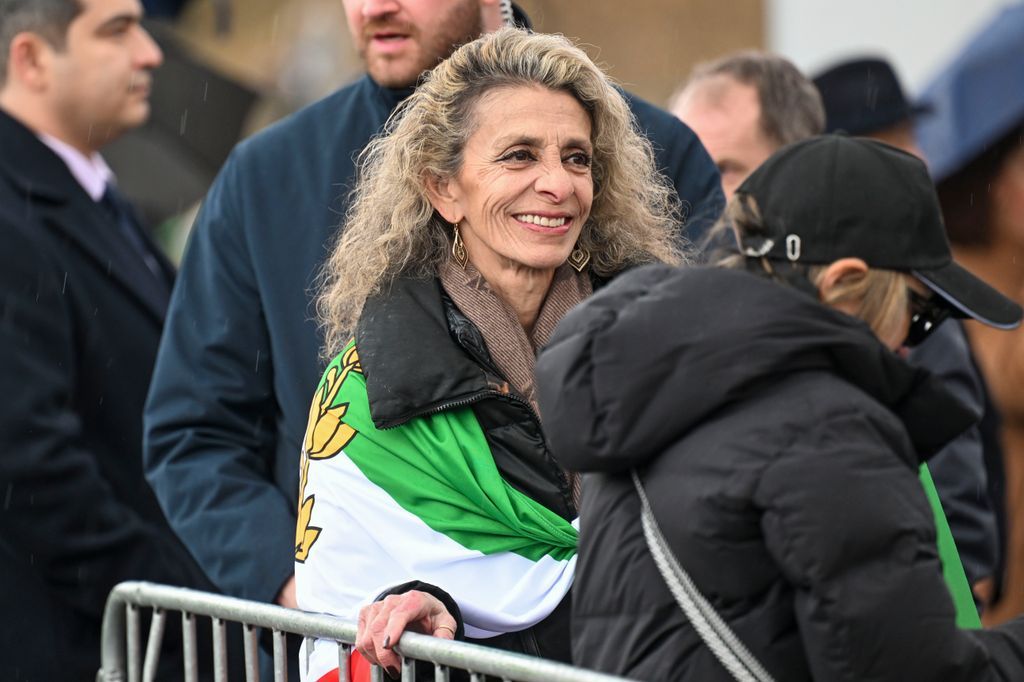 © Getty ImagesDiscretion has always been her guiding principle, but Farahnaz, who also closely follows everything happening in Iran, made an exception when she appeared at a rally in Munich in support of human rights in Iran.
She has never married, has no children, and keeps her life largely hidden from public view. Her preference for discretion made a rare recent appearance particularly notable when she attended a rally in Munich supporting human rights in Iran, wearing the historic lion and sun flag associated with Pahlavi-era Iran.