
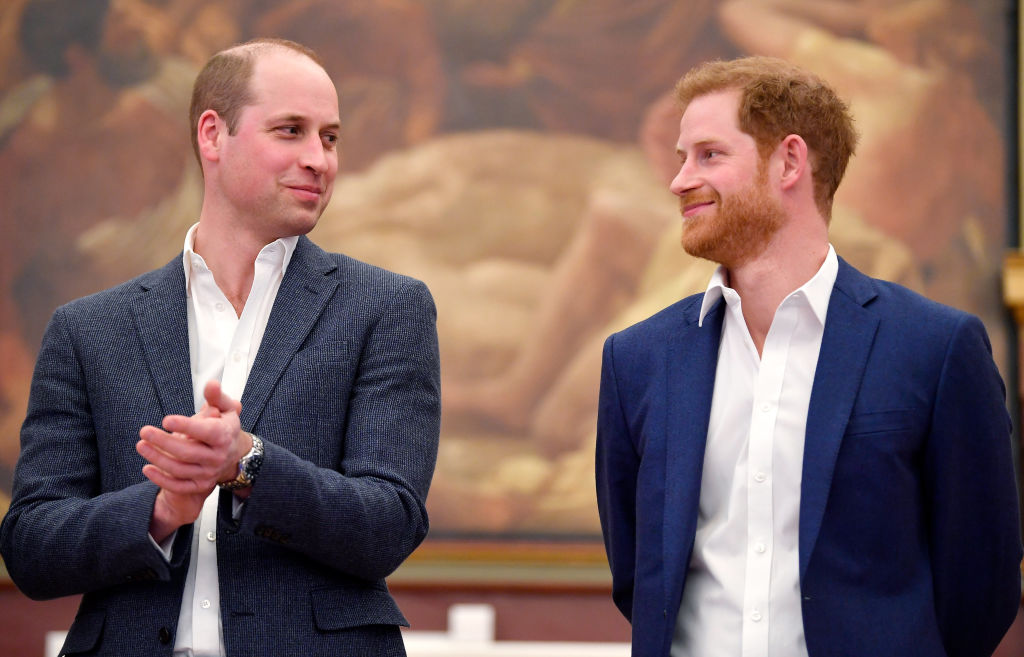
Prince William and Prince Harry remain locked in a ‘bitter deadlock’ over their fractured relationship, with a leading royal author claiming that despite talk of reconciliation and future visits to the UK, nothing of substance has changed between the brothers since last year.
Relations between William and Harry began to deteriorate publicly after Harry and Meghan Markle stepped down as working royals in 2020 and relocated to the United States. Tensions were further fuelled by Harry’s television interviews and, most explosively, his 2023 memoir Spare, which revealed years of grievances and private disputes within the House of Windsor.
Omid Scobie, a royal writer who has long tracked the Sussexes’ departure and their uneasy relationship with the palace, has poured cold water on any suggestion that a quiet reconciliation is underway. Citing the same unresolved arguments he highlighted last year, Scobie says the key sticking point remains accountability rather than logistics or diary clashes.
In 2023, he told PEOPLE that Harry was ‘still waiting for that moment of accountability, an opportunity to talk about many of the grievances that have built up to this point and be able to move on from that.’ Speaking more recently, Scobie said the situation is essentially frozen. ‘The expectations, wants and wishes of Prince Harry are exactly the same as they were then and none of them have been met.’
That is an arresting claim, not least because recent months have been full of briefings suggesting both sides have, at various points, extended attempts at reconciliation. The Sussexes have been rumoured to be planning trips back to Britain, while William has been publicly stoic and privately, according to some commentators, more open to a limited thaw. Scobie’s assessment cuts through that background noise and suggests that, inside the family, the conversation Harry wants has still not taken place.
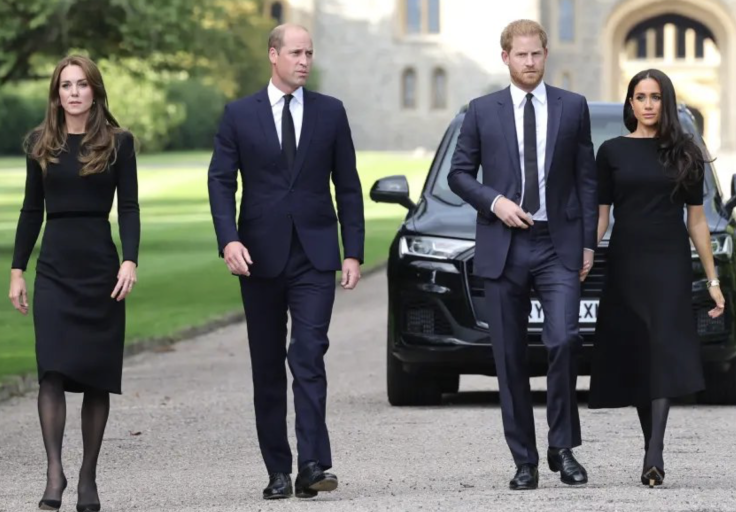
Princess Kate, Prince William, Prince Harry and Meghan Markle
Screenshot/X
Rift Casts Long Shadow
The unresolved tensions between William and Harry do not exist in a vacuum. They sit alongside a slate of announcements and rumours that keep the Sussexes firmly in the public eye and, by extension, within the orbit of the institution they stepped away from.
Harry and Meghan are due to visit Australia in mid‑April, their first tour there since 2018, when Meghan was pregnant with Archie and the couple were still firmly embedded within ‘the firm.’ This time, their engagements will be private, business‑orientated and philanthropic rather than official royal duties.
Royal commentators are already tempering expectations. One expert warned the couple would need ‘thick skins,’ noting that they no longer represent the crown and that attitudes to the monarchy in Australia are far more mixed than a decade ago. Even King Charles and Queen Camilla, on formal tours, face contrasting reactions, and it would be naive to assume the Sussexes will be met solely with adulation.
Back in the UK, talk of Harry’s possible return for events such as the Invictus Games countdown in Birmingham has sparked fresh speculation about whether proximity could soften the impasse with William. Friends of Meghan have reportedly described her as ‘energised’ and orchestrating a ‘high-powered’ return, though none of this has been officially confirmed by the couple themselves, so any suggestion of a political or royal ‘half‑in, half‑out’ comeback remains conjecture and should be treated with caution.
It is worth remembering why that hybrid idea is so fraught. The late Queen is understood to have rejected their proposal for a model in which they could remain working royals while pursuing commercially lucrative projects. As she saw it, one cannot ‘commercially trade’ on royal status while serving the crown. That constitutional line in the sand still underpins the froideur today.
Inside the Brothers’ Breaking Point
Behind the current stalemate between William and Harry lies a more personal story of disappointment and mistrust. Former royal butler Grant Harrold has suggested that the crucial turning point came months before the Sussexes formally announced they were stepping away.
Harrold recalled that William had initially found Meghan ‘quite refreshing’ and was ‘genuinely happy’ that Harry had found someone. The four of them William, Catherine, Harry and Meghan were seen together on several joint engagements, which for a time fuelled talk of a modernised, collaborative royal quartet.
‘We saw William, Kate, Harry, and Meghan do so many things together initially, but the turning point was a few months before the announcement that they were stepping away from royal duties,’ Harrold said. ‘They were doing events in the summer prior to that, so something must have happened in between.’ What that ‘something’ was remains the subject of endless conjecture rather than documented fact.
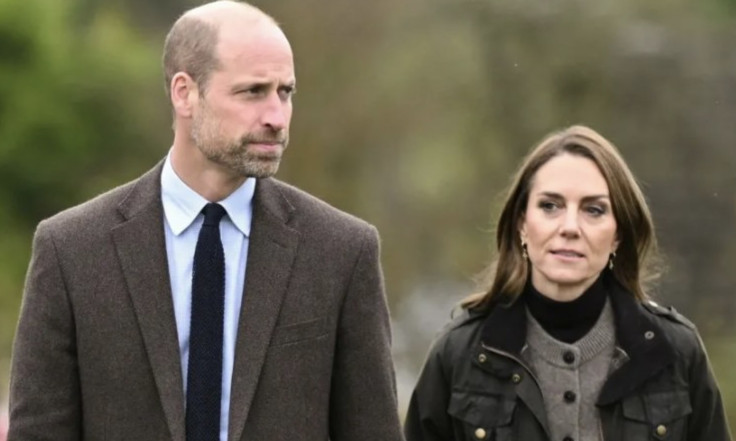
Under strain behind the smiles: William and Kate carry on as royal rifts and scandals refuse to fade.
Matthew Caddis @MatthewCaddis / X
Harry’s own account in Spare painted a portrait of simmering rivalry and rows, including physical altercations, which the palace has never publicly responded to in detail. Omid Scobie’s latest comments effectively argue that Harry believes those accounts have still not been properly addressed by his brother in private.
The impasse now is not just about who said what on a particular afternoon in Kensington Palace. It is about two men who grew up in the glare of global scrutiny, carrying different expectations of what being ‘the heir’ and ‘the spare’ would demand from them. William has, by most accounts, doubled down on duty and restraint, stepping up at Westminster Abbey for Commonwealth Day alongside the king, Queen Camilla and Princess Catherine while keeping his counsel on the Sussex drama.
Harry, in contrast, has chosen transparency bordering on exposure. Meghan’s recent Instagram post to mark International Women’s Day, showing her with daughter Lilibet on a beach and crediting the picture to ‘Papa Sussex,’ prompted online mockery but also underlined how thoroughly the couple have embraced their new public identity. To many in the palace orbit, each such moment is another reminder that the Sussex brand operates on a different wavelength from the traditional royal one.
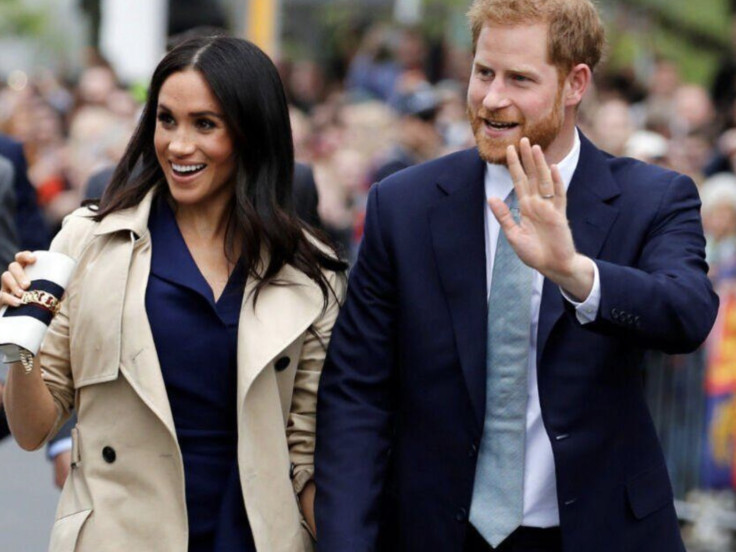
Meghan Markle’s International Women’s Day post credited Prince Harry as ‘Papa Sussex,’ appearing to be the first time the affectionate two-word nickname has been made public.
Daily Express @Daily_Express / X
Meanwhile, the monarchy is facing wider challenges. A new poll for the i paper suggested 62% of voters still expect Britain to retain a monarchy in 20 years, even as fresh pressure mounts for more transparency over the Andrew Mountbatten‑Windsor and Epstein scandal. King Charles continues to front major events, from Commonwealth Day services dogged by protesters to a possible US state visit which Sir Keir Starmer’s office has been careful not to pre‑empt, stressing ‘no state visit has been confirmed yet’.
Set against that backdrop, the family rift between Prince William and Prince Harry is not just a private quarrel. It hangs over the monarchy’s attempt to project stability at a time when both public support and royal conduct are under closer scrutiny than at any point since the 1990s. If Scobie is right that ‘nothing has changed’ in their relationship, then the public might have to get used to an uncomfortable new normal in which the two princes’ lives run in parallel, but rarely, if ever, intersect.