

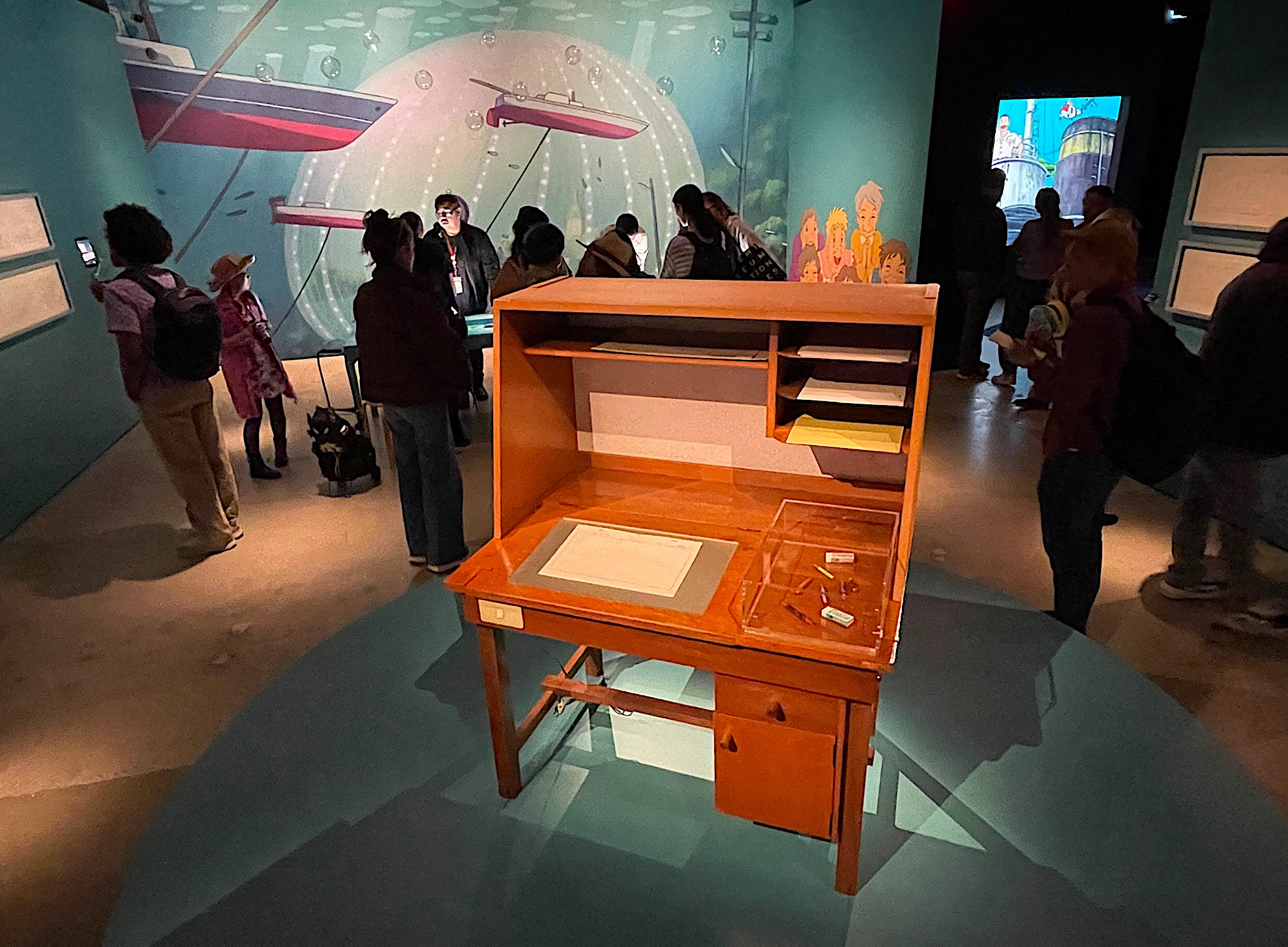
Five years ago, the Academy Museum of Motion Pictures in Los Angeles first opened its doors and featured the first North American retrospective on the work of animation legend Hayao Miyazaki. The success of that nine-month exhibit paved the way for the recently opened Studio Ghibli’s Ponyo, which honors the 2008 feature film written and directed by Miyazaki, with hand-drawn animation by the artists at Studio Ghibli.
Specifically written for a children’s audience, Ponyo is essentially a fairy tale about a little fish child from the ocean who gets washed ashore. She meets a little human boy named Sōsuke. They become fast friends, and he names her Ponyo. She wants to become human, and that creates an imbalance that has huge repercussions for both worlds.
At the press day for the opening of Studio Ghibli’s Ponyo exhibit, Cartoon Brew spoke with senior exhibitions curator Jessica Niebel about the Academy Museum’s ongoing relationship with Studio Ghibli in Koganei, Tokyo, which led to this new collaboration.
It was Niebel who curated the Hayao Miyazaki exhibition in conjunction with Studio Ghibli. A smashing success, the exhibit helped open the Academy Museum on a high note. “I was a little sad when it closed because I felt like the collaboration with Studio Ghibli would come to an end,” Niebel said.
Taking us back to 2017, when she made her first visit to Studio Ghibli in preparation for the Miyazaki exhibit, Niebel said she worked hard to build a relationship with them based on trust. During her time with the team, she asked if they would ever consider donating some of their materials to the Academy Collection at the Margaret Herrick Library.
“No one in the world has Studio Ghibli materials, as they’re very precious and very rare,” Niebel explained. “Of course, we all know hand-drawn animation is a dying art form. And what they do, they’re probably the best at it in the entire world. I asked again and again, and they never quite responded to that. Eventually, you don’t ask again because you feel like that would be rude. You don’t want to push too much, as they’ve given us so much already.”
After the closing of the Miyazaki exhibit, Niebel said that out of nowhere, she received an email from the Studio Ghibli team that read: “We have discussed your proposal, and here’s a list of materials that we would be willing to gift to you. Would you kindly review and let us know if this is acceptable?”
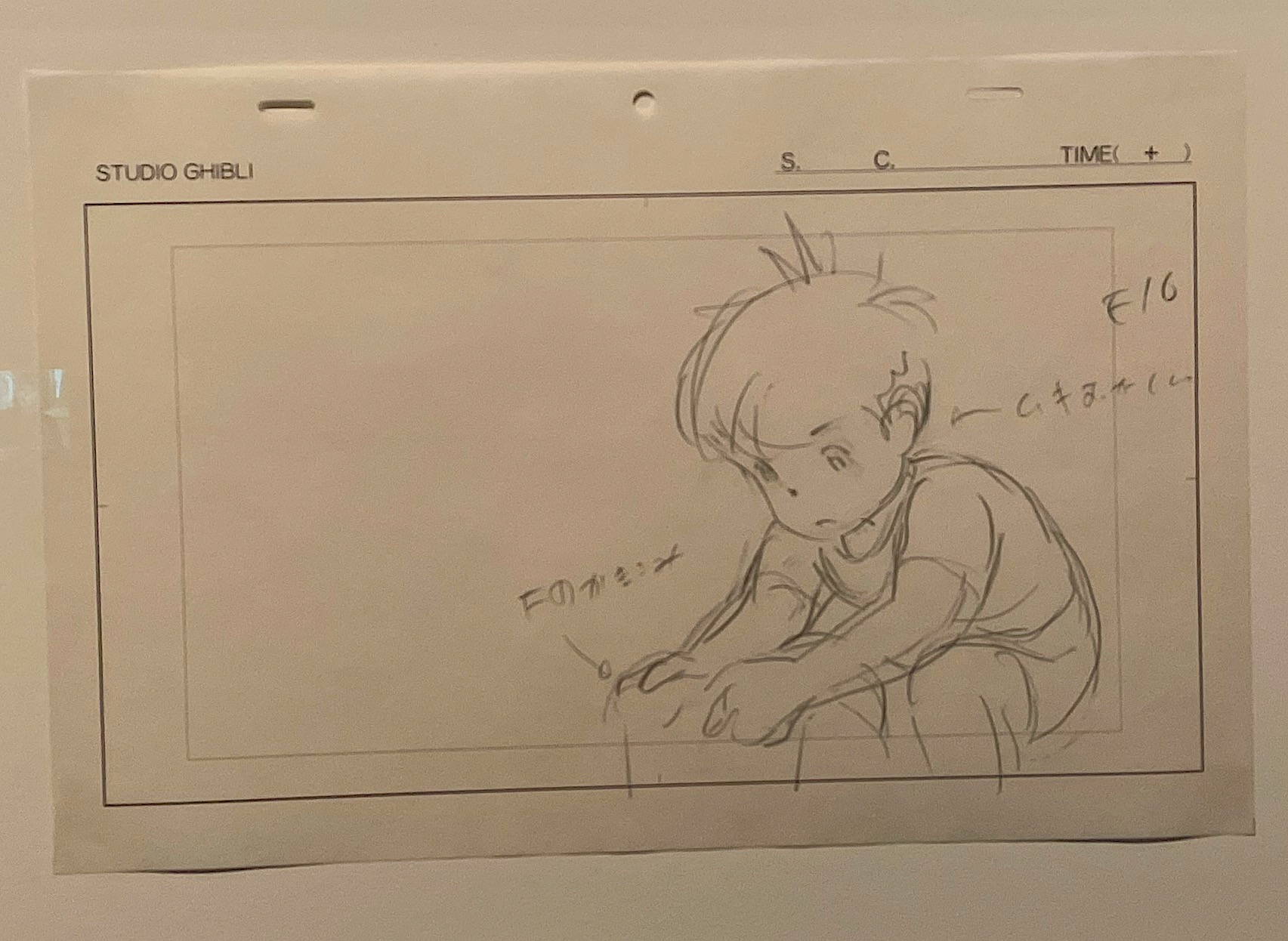
“I opened up the attachment, and it was over 120 items. I nearly fell off my chair, seriously,” Niebel laughed. “I had always asked for the original Japanese release posters because they represent Studio Ghibli’s work so well, and posters are really valuable these days as well. But I never even dared to ask for animation drawings. The posters were there, but also a big chunk of key animation drawings from Ponyo, along with what they call artboards.”
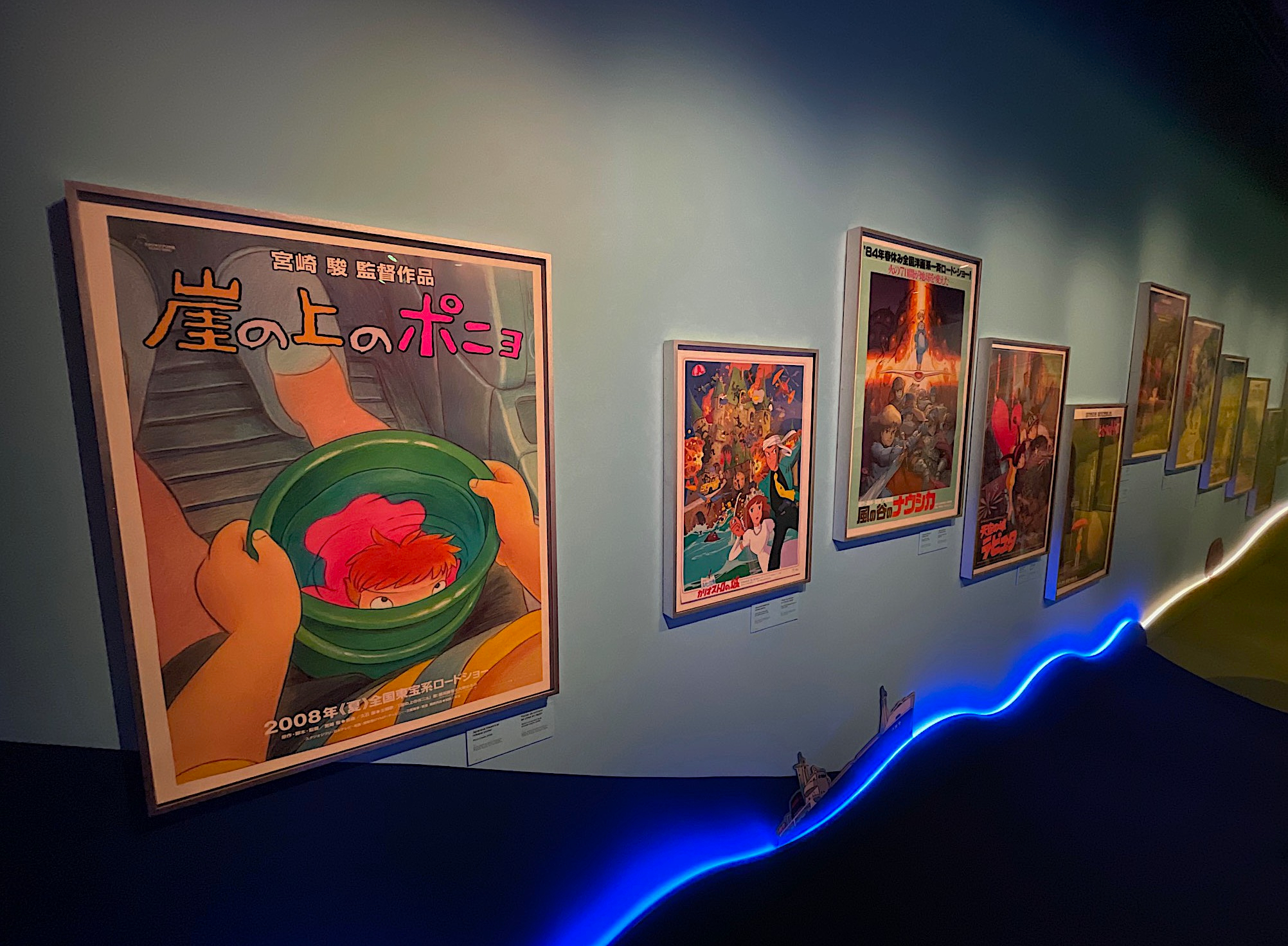
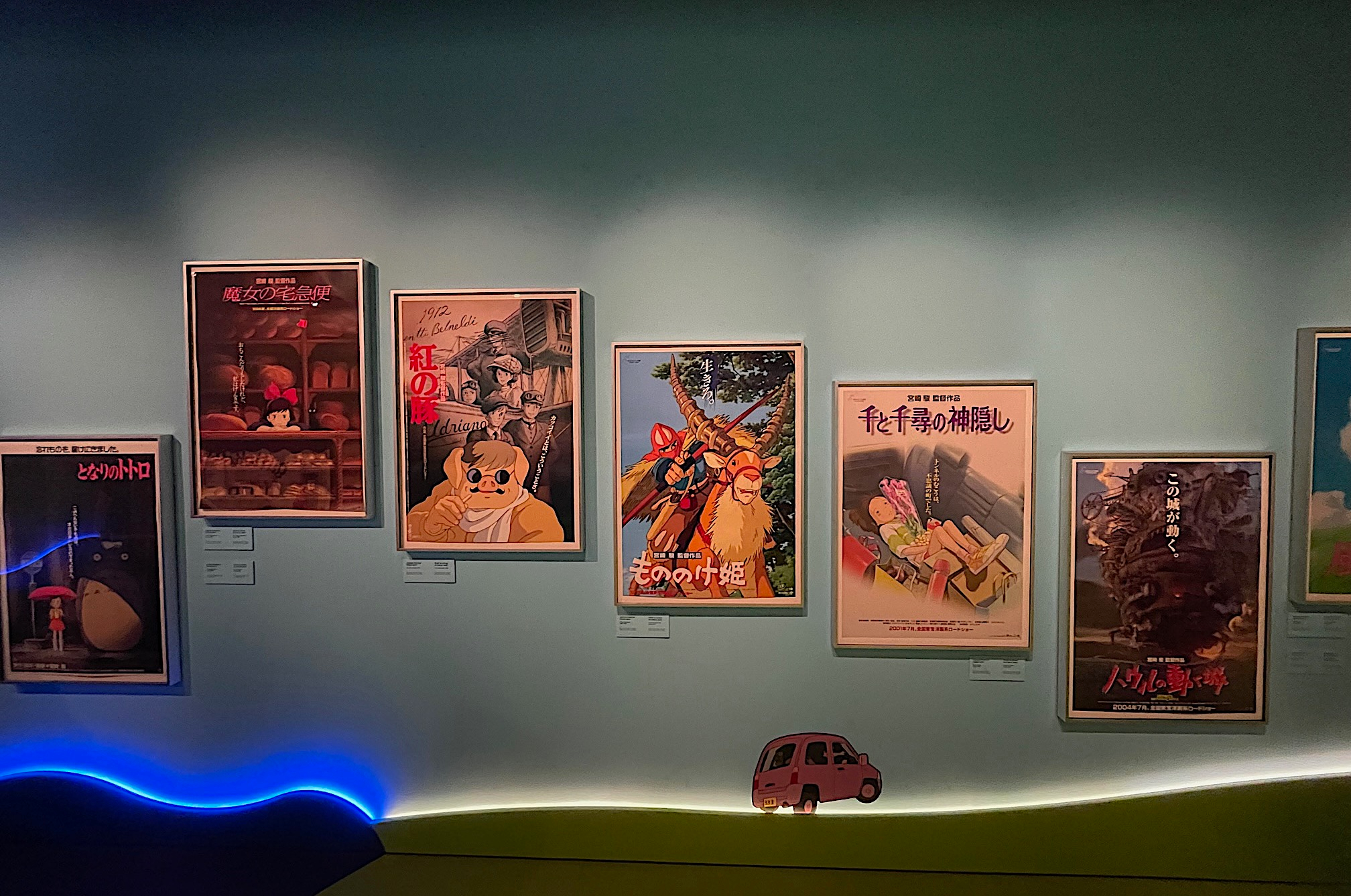
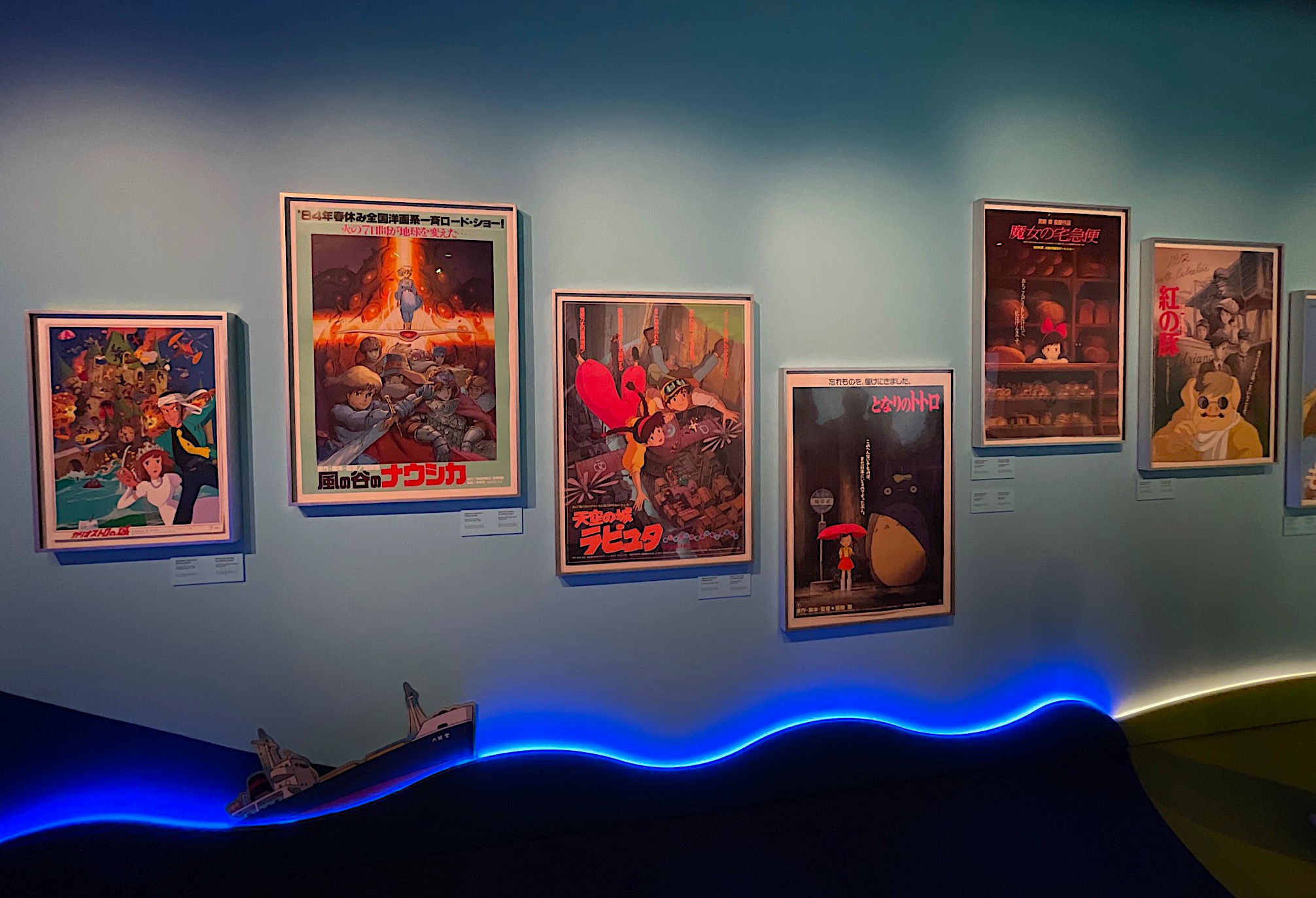
The Studio Ghibli’s Ponyo exhibit is laid out to be interactive for children, with viewing stations, film-inspired play spaces, an interactive station for animation creation, and making-of material interspersed among three main rooms. In the exit room, Niebel and her team have displayed the artboards on a wall of their own.
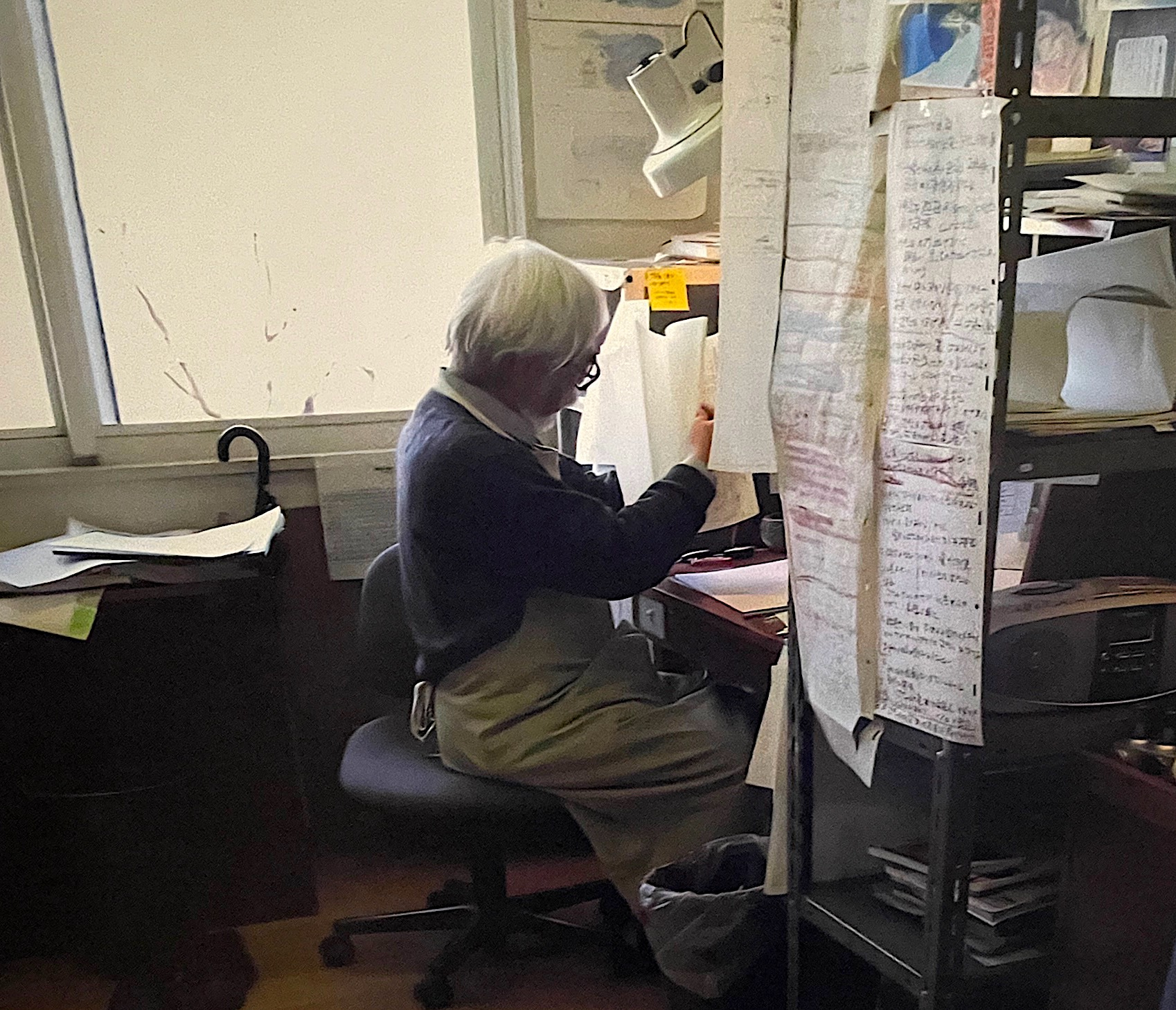
“Artboards are a blueprint, almost a very early concept of the key scenes, the scenarios, the atmosphere, the lighting, the mood, and all of that,” she said of Ghibli’s development process. “They are shared later on with the art department, who are then painting the backgrounds for the film. There are very few of them for any film, and they were included. And the drawings, we found out, were all done by Hayao Miyazaki himself. I couldn’t think of a more precious gift to receive. I was close to tears. It was very moving.”
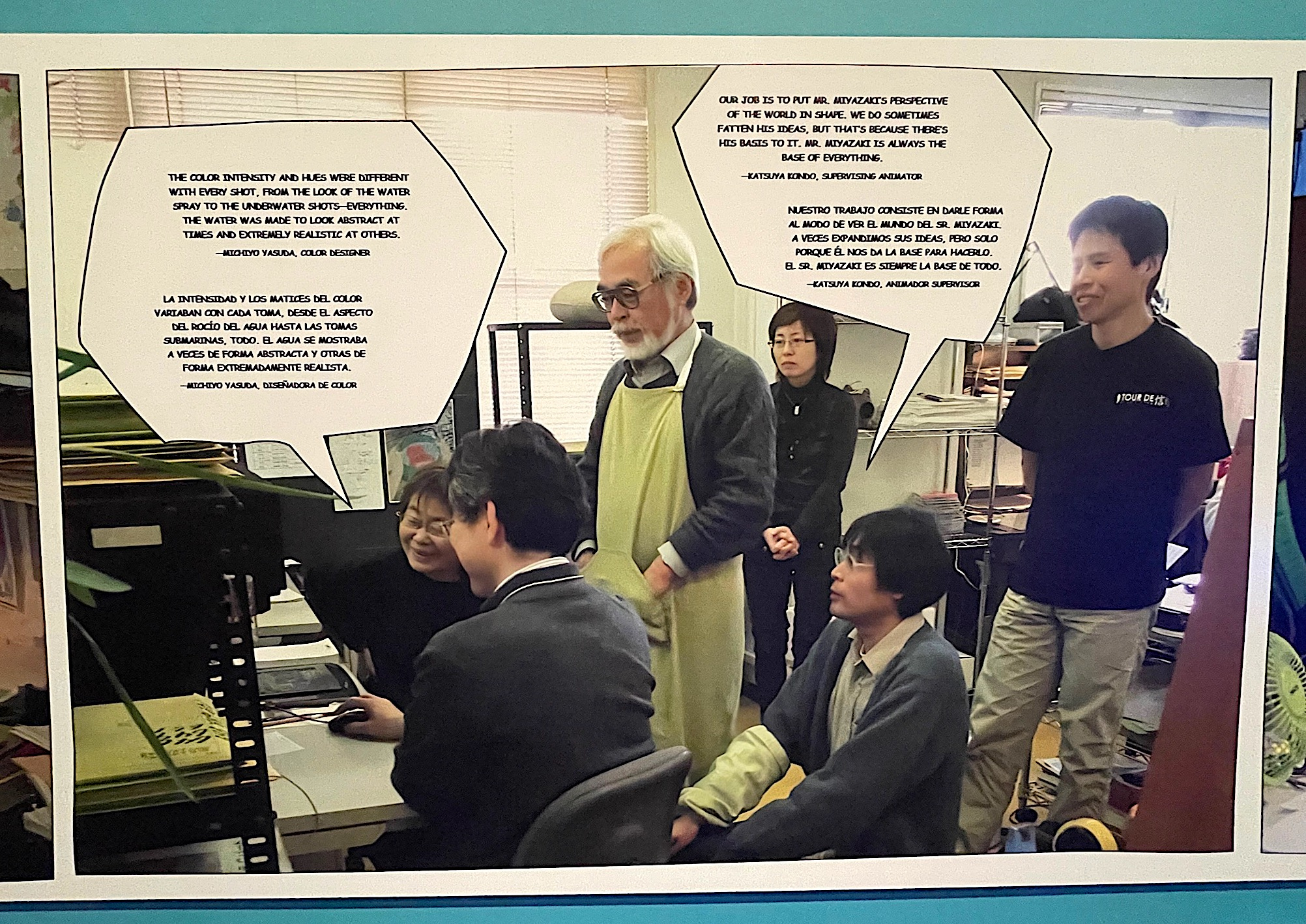
Embedded near Miyazaki’s drawings are new interviews conducted by Niebel in Los Angeles. “We invited the Studio Ghibli Ponyo artists, and I was able to conduct an interview with them, which is equally rare because usually they don’t give interviews,” she said. “They explained everything to me. I learned so much. You think you know a lot about animation, but no, you don’t. You learn a lot more.”
The Ponyo exhibition is Niebel’s first geared toward children. “Hayao Miyazaki was a family-friendly exhibition, but it was not necessarily geared toward children,” she clarified. “This one is, but it’s also made for adults. To bring that together, at first I thought it was a challenge. But again, it was Hayao Miyazaki himself who sort of guided me, not actively. He said, ‘What’s truly good for children is also good for adults.’ So don’t worry about the adults so much, because if it’s really good for kids, adults are going to like it too.”
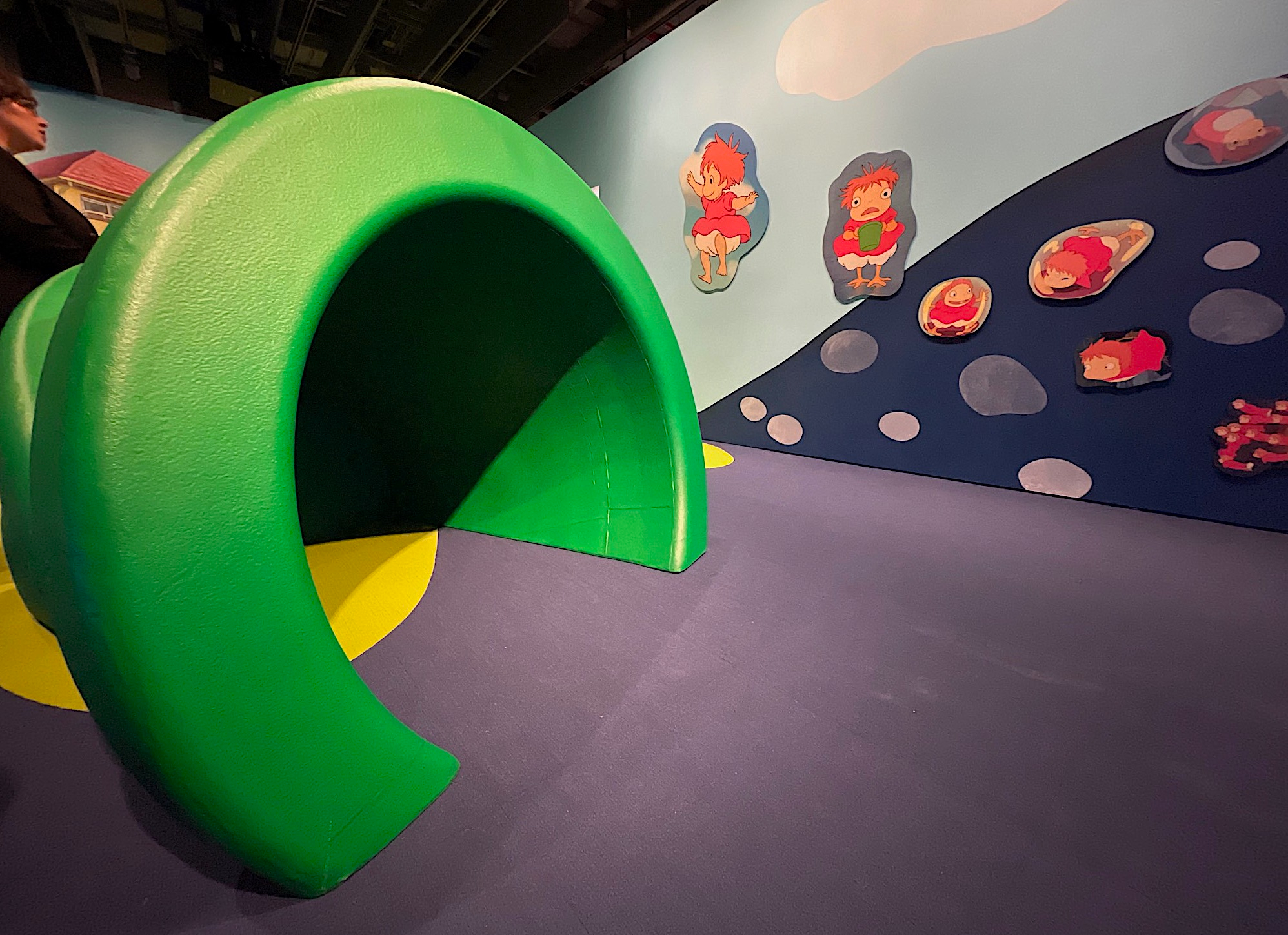
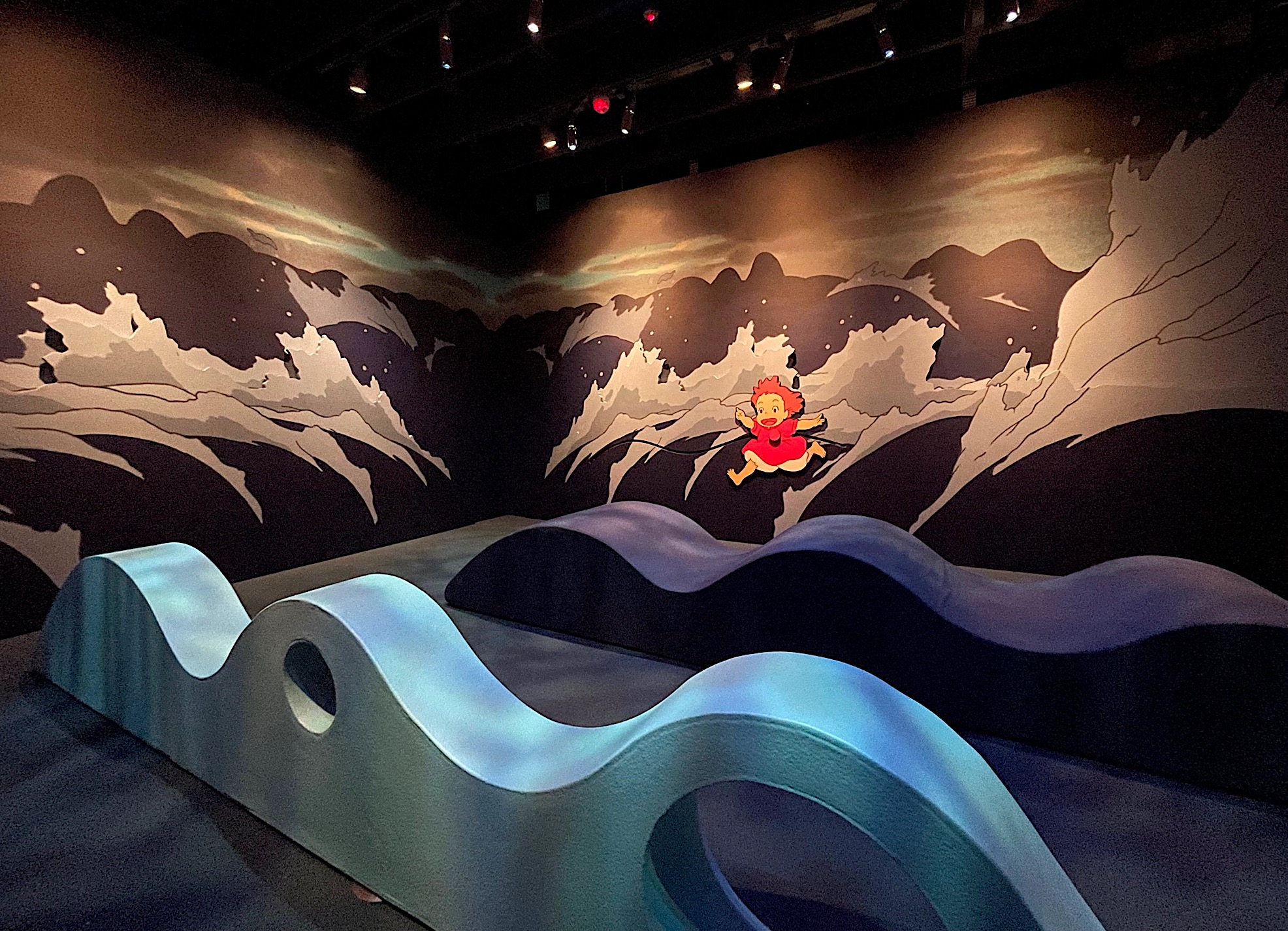
“What this show does is it wants to appeal to a very young audience to do a little bit of what Ponyo and her friend Sōsuke do in the movie: feel encouraged, feel liberated, feel free, and make a commitment to trust and invest in friendship. Be careful, be mindful, and be sensitive. All of these things.”
In that spirit, the exhibit closes with a wall of waves and a movable woodcut Ponyo that children can move themselves. “This is a tsunami that is depicted here, and it’s a very dangerous and threatening moment, but Ponyo has a goal in mind,” she said of what the interactive element represents. “Instead of being destroyed by those waves, she is able to let the waves carry her, and she’s running on the waves. It’s a moment full of joy and freedom. And this is what I wish for all the children in this world.”
Studio Ghibli’s Ponyo is currently on exhibition at the Academy Museum through January 10, 2027. A general admission ticket gives visitors access to all of the gallery exhibits.