

Get the latest entertainment news, reviews and star-studded interviews with our Independent Culture emailGet the latest entertainment news with our free Culture newsletter Get the latest entertainment news with our free Culture newsletter
There’s some deception at work in How to Make a Killing. And, no, it’s not the string of murders committed by Glen Powell’s Becket Redfellow in order to trim his family tree and secure a generous inheritance. It’s the fact that writer-director John Patton Ford’s film has been presented to us as “inspired by” the classic 1949 Ealing comedy Kind Hearts and Coronets, itself adapted from a 1907 novel.
“Inspired by” hardly covers it. How to Make a Killing is a conventional remake, replicating many of its characters and narrative beats, while failing to capture any of its frosty charm – or the trick of having Alec Guinness play eight different characters. Both director and star have shied away from the thrilling moral apathy of the original film’s antihero, played by Dennis Price, who declares it a stroke of good luck that two infant relatives of his have been struck down by diphtheria, while happily toying with the affections of two women. If Price ever does crack a smile, it’s unnaturally pinned at both sides by disdain.
Of course, the public mood changes, and we’re now deep in the era of “eat the rich” narratives, so Ford attempts to sprinkle in a little moral righteousness into his version. But Becket’s no Robin Hood – he’s a man who kills bad rich people so he himself can become a bad rich person, and the film, in turn, struggles to place him anywhere concrete on the moral spectrum. Was he always a stinker? Or did the pursuit of wealth corrupt him? How to Make a Killing is too timid to either defend his actions or to render him genuinely unlikeable, leaving Becket as nothing but a formless pile of dough.
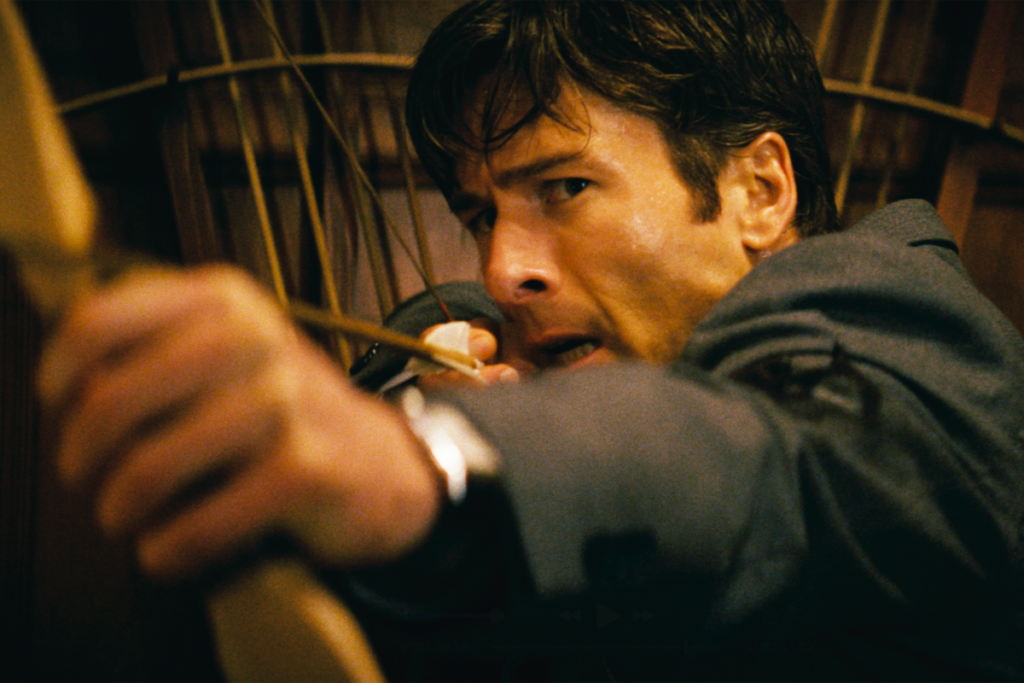
His mother, we’re told, was a Long Island heiress exiled by her father (Ed Harris) after an unplanned pregnancy. She was left to die young and unsupported, with a whispered final wish for her son: may he live “the right kind of life”. Becket’s been raised to pass as an upper cruster, skilled in archery with a crush on a local socialite, Julia Steinway (Margaret Qualley). She won’t marry him, of course. But knowing the Redfellow fortune always passes down to the eldest child means she’ll leave him with a curt, “call me when you’ve killed them all”.
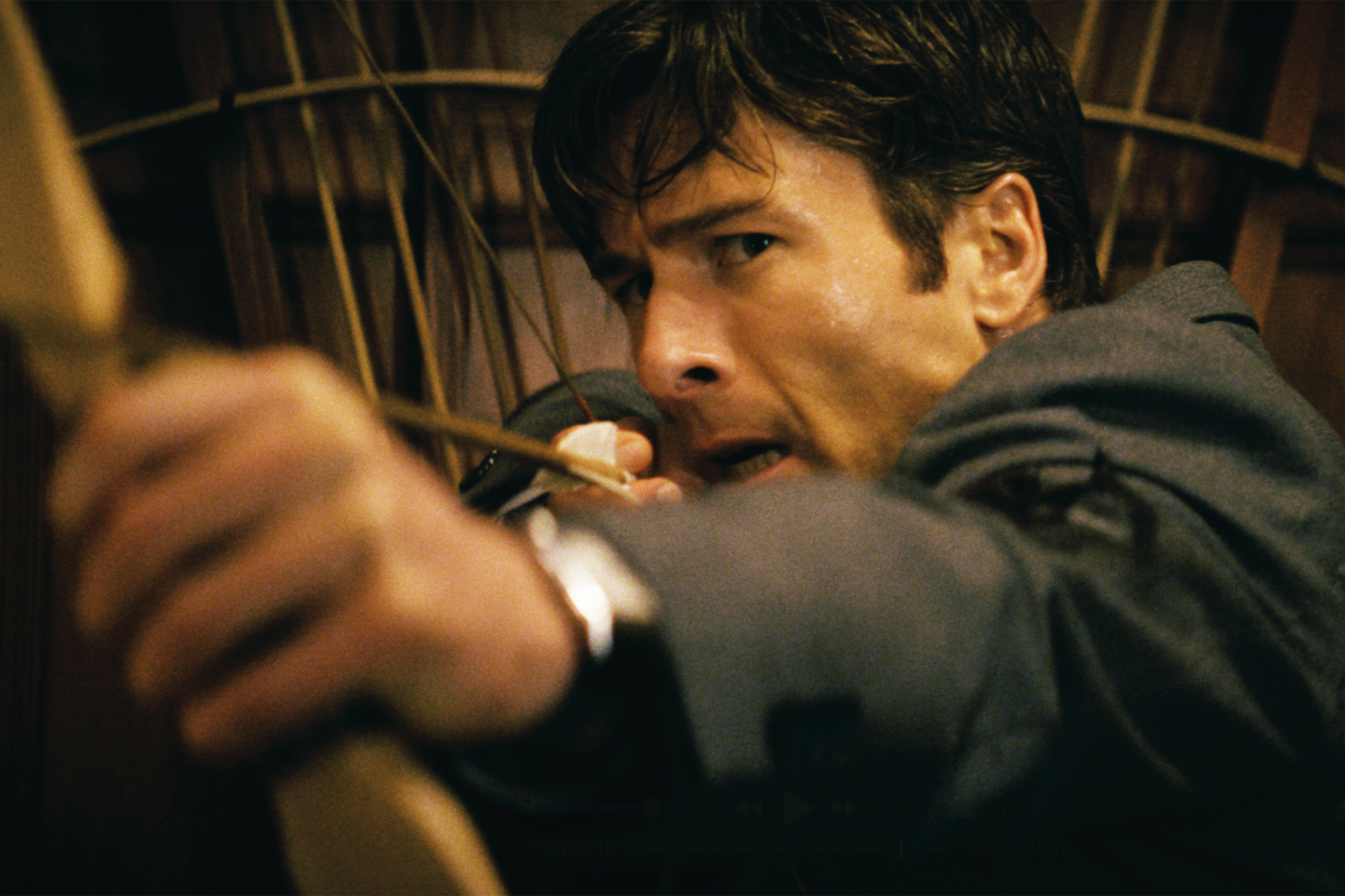 Glen Powell in ‘How to Make a Killing’ (StudioCanal)
Qualley plays Julia with the same repressed mania that gave The Substance’s Sue her intoxicating edge. It instantly makes her the most interesting presence in the film, while suggesting she’s accidentally stumbled in as one of her characters from Ethan Coen’s sillier, funnier queer comedies Drive-Away Dolls (2024) or Honey Don’t! (2025). Powell, you’d hope, would lend a similar energy to Becket, as he works his way through a series of 1% archetypes – among them Raff Law playing tribute to his father’s role in The Talented Mr. Ripley (1999); Zach Woods as a self-proclaimed “white Basquiat”; and Topher Grace as an unhinged megachurch preacher.
But Powell’s too reserved here to be effective. And Ford only further waters down his protagonist by pitting Julia against Jessica Henwick’s Ruth, a stand-in for authenticity, who has picked job satisfaction and a full personal life over material comforts. Soon, it all starts to feel like one of those sentimental family comedies from the Nineties, only with a substantially higher body count. For a film that opens with the declaration, “Money does by happiness. We’re all adults here”, How to Make a Killing still ends up filing its teeth down to nubs.
Dir: John Patton Ford. Starring: Glen Powell, Margaret Qualley, Jessica Henwick, Bill Camp, Zach Woods, Topher Grace, Ed Harris. Cert 15, 105 minutes.
‘How to Make a Killing’ is in cinemas from 13 March