
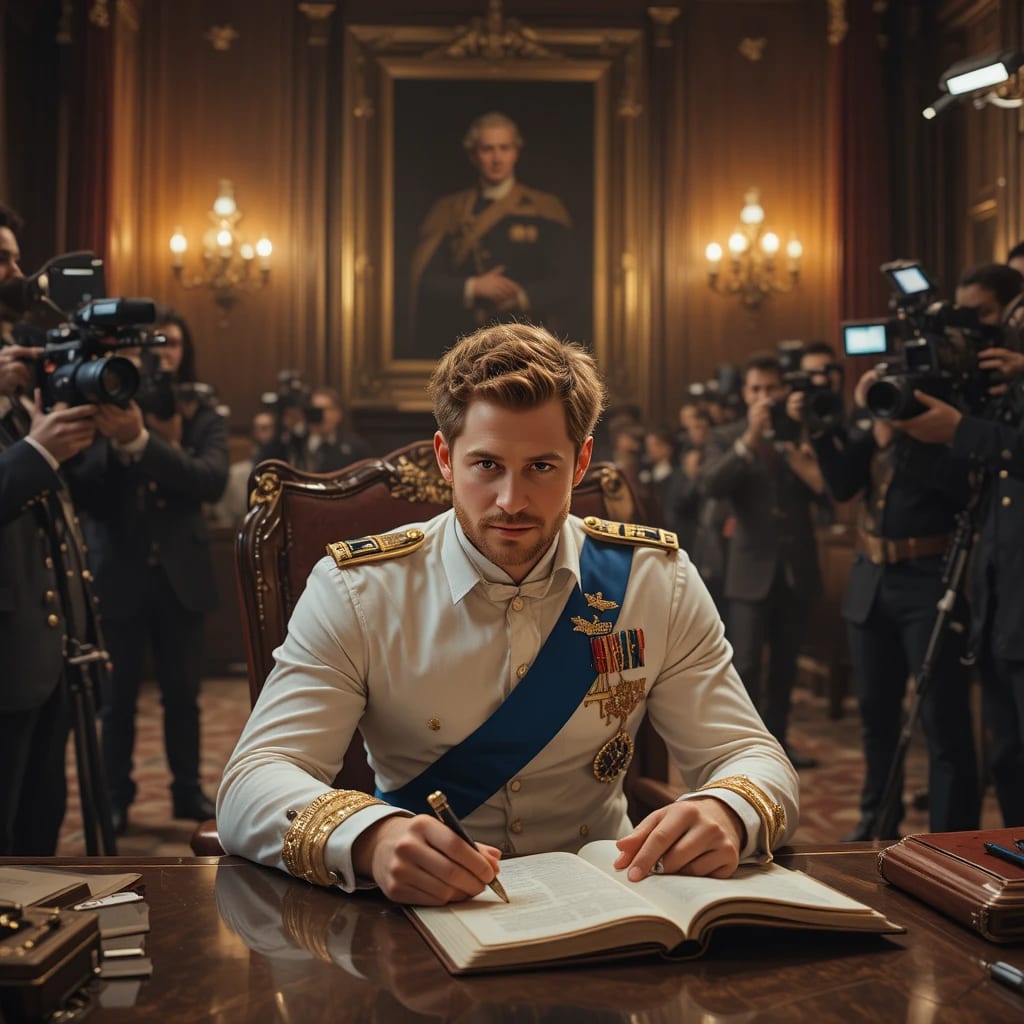
Celebrity memoirs often promise something irresistible to readers: a glimpse behind the curtain of fame. When public figures tell their personal stories, audiences expect honesty, drama, and insight into worlds that usually remain hidden. That expectation was especially strong when Prince Harry released his widely discussed memoir, Spare.
The book immediately became one of the most talked-about celebrity releases in recent years. Its title alone captured attention, referencing the old royal saying about “the heir and the spare.” For many readers, the memoir promised a deeply personal account of life inside one of the world’s most famous royal families.
When the book finally arrived, it generated enormous headlines. Some readers praised the openness of the storytelling, while others felt the revelations were less shocking than expected. As with many high-profile memoirs, public reactions quickly became divided.
Part of the fascination surrounding the book was the sheer level of anticipation. Royal watchers and media commentators had speculated for months about what the Duke of Sussex might reveal. Would he share untold family stories? Would he address long-standing rumors? Or would the memoir focus more on personal reflections and emotional experiences?
In the end, readers discovered a mixture of both. The memoir explored Prince Harry’s childhood, the pressures of royal life, and the emotional challenges that came with growing up in a globally recognized family. It also touched on his relationship with the media and the impact that constant public scrutiny had on his personal life.
Despite its commercial success, the book also sparked conversations about the nature of celebrity storytelling. Some critics argued that modern memoirs often rely on dramatic marketing campaigns that build expectations far beyond the content itself. Others suggested that the true value of such books lies not in shocking revelations but in offering a personal perspective.
Interestingly, the idea of a royal figure sharing their own version of events is far from new.
More than a century ago, another royal reportedly considered doing something remarkably similar. During the late nineteenth and early twentieth centuries, Edward VII — who was known as Prince Albert Edward before becoming king — had already experienced decades of intense media attention.
Before ascending the throne, Edward spent many years as the Prince of Wales. During that time, newspapers closely followed his personal life, friendships, and social activities. Stories about royal lifestyles were becoming increasingly popular with the public, and the early forms of celebrity journalism were beginning to emerge.
According to historical accounts, Edward reportedly entertained the idea of telling his own story through a book. The concept was simple but ambitious: present his life from his own perspective rather than allowing newspapers and gossip columns to shape his legacy.
The plan, however, never fully materialized.
At the time, Britain was ruled by his mother, Queen Victoria, who was known for her strict views on royal behavior and public image. The idea of a monarch—or even a future monarch—publishing a personal memoir was considered highly unusual.
Royal tradition emphasized dignity, privacy, and restraint. Writing a personal account that addressed rumors or controversies could have been seen as inappropriate for the monarchy of that era.
Still, the fact that such an idea was reportedly discussed highlights something fascinating about royal history. Even in the nineteenth century, public figures understood the importance of controlling their own narratives.
Edward VII lived during a time when media culture was beginning to change rapidly. Photography, newspapers, and illustrated publications were expanding the public’s appetite for celebrity stories. The prince reportedly recognized that reputation could be shaped not only by official appearances but also by the stories people told about you.
In many ways, that realization mirrors the modern world.
Today’s celebrities often use memoirs, documentaries, and interviews to explain their experiences directly to audiences. Instead of relying solely on journalists or historians, public figures increasingly tell their own stories.
Prince Harry’s memoir is a clear example of this trend. By working with a professional writer and sharing his perspective, he aimed to offer readers a firsthand account of his journey.
Whether readers agree with every detail or not, the book represents a modern approach to reputation management. It reflects a world where personal storytelling plays a major role in shaping public perception.
Looking back at history, it becomes clear that the desire to influence one’s legacy is nothing new. From royal courts of the past to celebrity culture today, public figures have always understood that stories matter.
For readers and fans, these stories offer something compelling: the opportunity to see familiar figures through a more personal lens.
And as both history and modern celebrity culture show, the conversation about reputation, storytelling, and legacy is likely to continue for generations to come.