
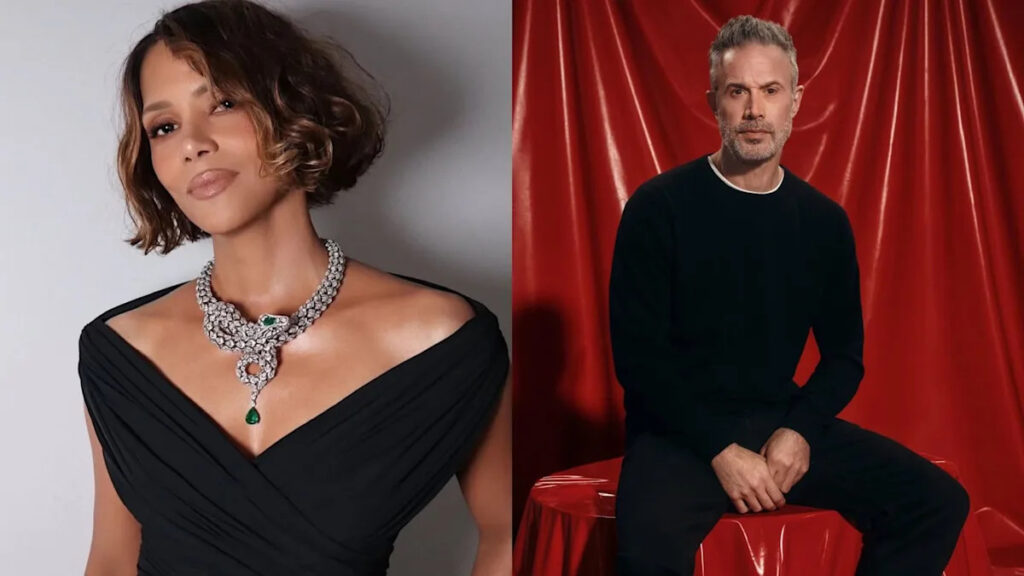
Social media has unlocked a wave of nostalgia that it can’t shut. When I stumbled on the #90s hashtag, I didn’t expect to be hooked and drawn in. From Halle Berry to Freddie Prinze Jr. each reel unlocked a new wave of emotions. It got me wondering if we’ve already lived through peak television. The kind of era when you rushed home to catch the next episode of Friends or stayed up just to see your favorite celebrity appear on late night television.
When celebrities felt larger than life
Scrolling through the trend feels less like browsing social media and more like stepping into a time capsule. Clips from interviews, red carpets, sitcom scenes and movie premieres keep surfacing. And with every post, one thought keeps coming back to me.
Celebrity culture in the 90s felt bigger than life. It wasn’t just about fame. It was about presence. When stars appeared on television, it felt like an event. The screen carried a kind of magic that made actors, musicians and hosts feel almost mythical.
Movies starring icons like Will Smith or Jennifer Aniston didn’t just entertain us. They shaped conversations at school, at work and around the dinner table. Everyone seemed to be watching the same thing at the same time.
In a way, that shared experience made celebrities feel larger than life.

Joe Mantegna was a familiar presence in 1990s film and television, with performances that helped shape the era’s memorable character-driven storytelling.
(Joe Mantegna)Television once created cultural moments
The more I scroll the #90sNostalgia posts, the more I realize something about that era that feels rare today. Television once created moments that belonged to everyone.
When an episode aired, millions of viewers experienced it together. A big guest appearance or a dramatic finale didn’t just trend online. It became part of the culture almost instantly.
Actors like Sarah Michelle Gellar and Leonardo DiCaprio weren’t simply performers on a screen. They were part of the soundtrack of an entire generation’s life.
Maybe that’s why the clips feel so powerful now. They remind us of a time when television had a slower rhythm but a deeper emotional reach.
[Image Placeholder]
The magic of the 90s celebrity era
Part of the charm of 90s celebrity culture was how mysterious it felt. Celebrities weren’t constantly visible the way they are today. You didn’t see them posting daily updates or livestreaming their routines. When they appeared on television or in a magazine interview, it felt rare.
That rarity created anticipation. Seeing someone like Halle Berry at a premiere or catching a late night interview with Freddie Prinze Jr. carried a sense of occasion. It made those moments memorable.
Today’s media landscape moves at lightning speed. Content is everywhere, constantly refreshing and endlessly competing for attention.
But the 90s era reminds me that sometimes less exposure can make celebrity moments feel more meaningful.
Why millennials keep returning to the past
Watching these clips again makes me realize that the nostalgia isn’t only about television. It’s also about the feeling that came with it.
The excitement of waiting for your favorite show to air. The anticipation of seeing your favorite star on a talk show. The conversations that followed the next day with friends.
For many millennials, those experiences helped define childhood and adolescence.
So when the #90sNostalgia trend appears on our feeds, it’s more than just entertainment. It’s a reminder of a time when storytelling felt immersive and stars felt almost untouchable. And maybe that’s why so many of us keep scrolling.
We’re not just looking back at old clips. We’re searching for that feeling again. Maybe that’s why the #90sNostalgia trend feels so powerful. It reminds millennials of a time when celebrities felt larger than life and television moments belonged to everyone.
And scrolling through those clips now, it’s hard not to wonder if we already lived through the golden age of celebrity culture without realizing it.