
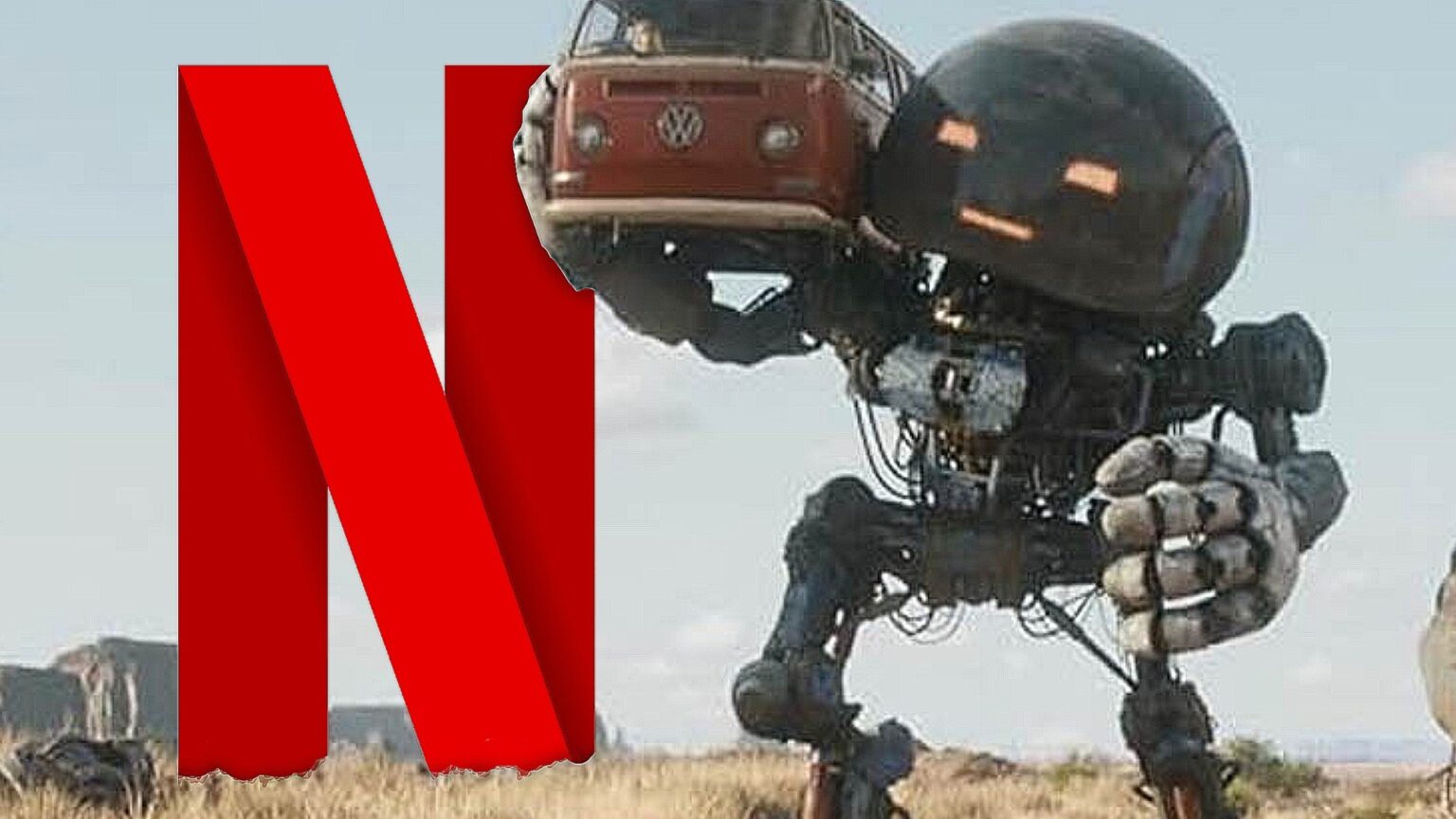
March 2025 was a strange time to be a sci-fi fan, and I’m still not convinced the pitch forks that sunk the period’s biggest sci-fi movie should ever have been sharpened. With the Summer season around the corner, Netflix dropped a $300 million blockbuster gamble directed by the Russo Brothers with two huge stars and based on a brilliant, beautiful art book by Simon Stålenhag. It had so much promise that the reviews were almost guaranteed to be cynical: those stars were, after all, two of the industry’s favorite punchbags, and the Russos had made the fatal mistake of making some really good blockbusters. Shame on them, apparently.
Then the reviews hit, and The Electric State was proclaimed everything from a stale, flashy luxury, to the actual death of Hollywood. When I eventually saw it, perversely drawn to the chance to see a real stinker, I wrinkled my brow into a bemused frown that has remained for the past year. For the anniversary of its release on March 15, 2025, I watched it again, and I can only conclude that the world suffered with a special brand of hysteria that is reserved for when narratives take over sense. I am willing to die on the hill that The Electric State is not only “fine” as a movie, it’s actually good. And quite a few people seem to agree with me.
The Electric State Was Criminally Underrated (& Audiences Knew It)
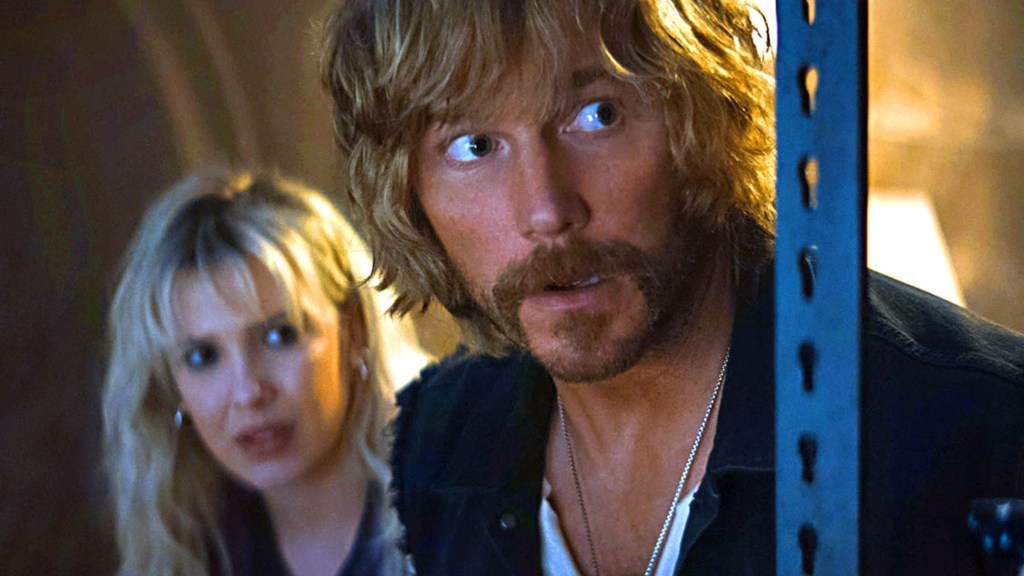
The consensus was vitriolic, instantly, ruinously shaped by the cost (what do we care, Netflix has so much money that they just paid Ben Affleck $600m to put VFX artists out of work and make MORE money)? Critics branded it a “soulless spectacle” and a “bloated misfire,” conspiring to earn it just 14% on Rotten Tomatoes. For reference, that means only 10% more of the critics who saw it thought it was better than a 5 out of 10 than the people who saw and reviews Ice Cube’s War of the Worlds. Yep, that disastrous, unwatchable travesty of technological “advancement” is at 4%. The idea that there’s only a 10% gap is criminal.
Then there’s the perceived “Netflix-ification” of cinema to contend with: the price is an issue there, because it makes everything feel so… vulgar. As if they’re taking money away from other somehow more worthy projects. The Electric State is sort of a poster child for streaming extravagance. But the movie is far from garish excess: it’s about grief, and the cost of progress, and evil corporations. The crowning blow came during award season when it racked up multiple Razzie nominations, including Worst Director and Worst Prequel, Remake, Rip-off or Sequel.
But a year later, I’m still left scratching my head. Because The Electric State didn’t deserve it. It didn’t deserve the snide criticisms based solely on presence of Millie Bobby Brown and Chris Pratt, who almost feel like lightning rods for unfair criticism themselves too. It’s like a steampunk Amblin sci-fi, combining Spielbergian wonder and humanity with some of the most impressive effects work of the decade. The visuals are, in fact, staggering, and are almost completely ignored in the critical assessment of it because of COURSE they should be at $300m. Take away the Netflix issue, the cast “issues”, and the “Russo fatigue” and this all feels like a modern repeat of the John Carter phenomenon.
At the time in 2012, Andrew Stanton’s sci-fi was buried under headlines about its ballooning budget and marketing failures, and the narrative strangled the movie, which is now, rightly, considered a massively, criminally underrated gem. And looking at the audience reception to The Electric State, I know I’m not alone. While the “Tomatometer” remains at 14%, the audience score is 67% – one of the biggest gaps you’ll ever see on that site. And yet, defences of the movie seem oddly quiet.
Why Time Will Be Kind to The Electric State
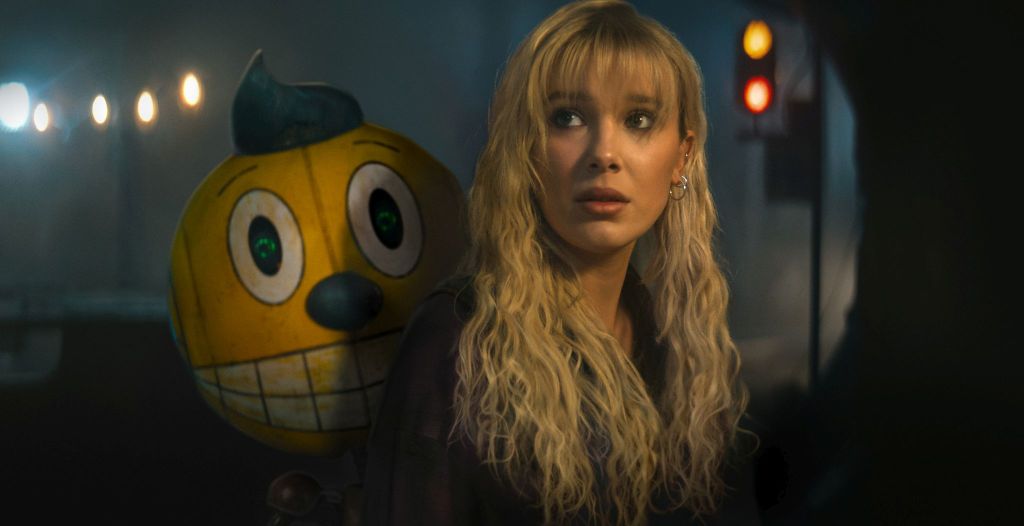
If history teaches us anything about sci-fi, it’s that the “bombs” of today often become the “cult classics” of tomorrow. Blade Runner was a flop, The Thing was loathed upon release, and John Carter was widely mocked. Like all of them, I’m convinced The Electric State would be primed for a similar redemption arc if it wasn’t on Netflix. And aside from the quality, that’s in no small part thanks to the technology-focused subject matter that becomes more relevant by the day.
One year later, with the real-world explosion of Generative AI and the increasing isolation caused by digital immersion, the film’s warnings feel like a forecast. It is, of course, a perverse dark mirror, where the robots are the victims, but their impulses for survival and fight against redundancy might well be chillingly prescient. But crucially, The Electric State doesn’t feel like it’s preaching, and like other Spielbergian sci-fis, it prioritizes feelings even with a high concept. I simply don’t get it: it’s nothing like the often bland paint-by-algorithm movies we’ve seen lots of times on Netflix. And I will fight to my dying breath that everyone lost thier heads about it way too much last year.
What do you think? Leave a comment below and join the conversation now in the ComicBook Forum!