
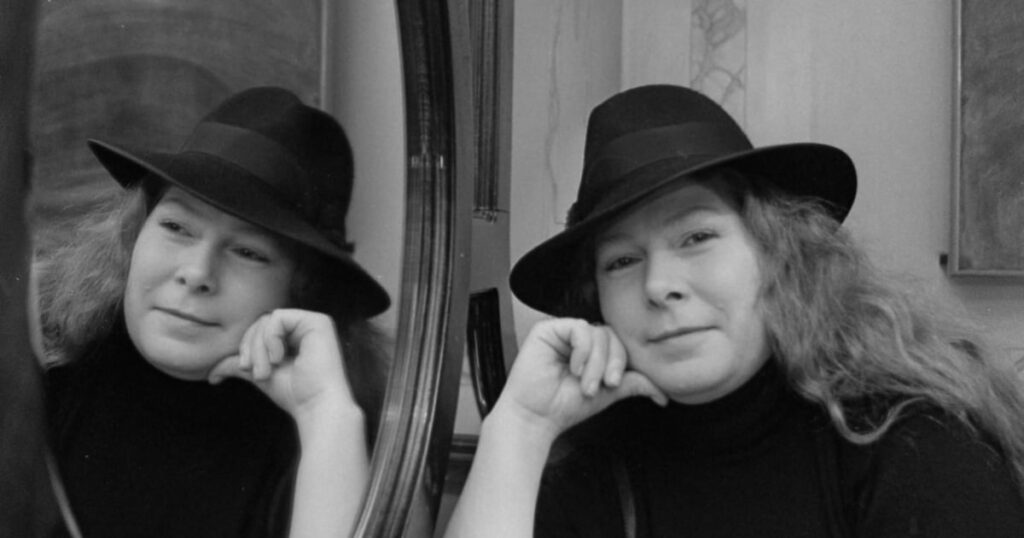
Traditional music has lost one of its most celebrated singers with the death of Dolores Keane at the age of 72. Her earthy vocal tones were rooted in her home place of Caherlistrane in Galway, where she grew up in a home steeped in the tradition. Both her parents played music, and she was immersed in sean-nós singing through her aunts, Rita and Sarah Keane, with whom she lived from the age of four.
Dolores Keane was first and foremost a soulful singer, but she also played whistle and flute, which she learned from her uncle Paddy. Growing up in the heart of traditional music, she competed at many fleadhanna ceoil in the 1960s, where she garnered All Ireland awards for singing in both Irish and English.
She achieved almost immediate acclaim when she cofounded De Danann in the mid-1970s. The band, anchored instrumentally by Frankie Gavin and Alec Finn, provided Dolores with the perfect foil for her clean, warm vocal style, their arrangements weaving in and around her voice with the intricacy of a grapevine.
De Danann achieved enormous success, and Keane later happily shared vocals with Mary Black, their voices finding deep purchase in one another’s distinct approach to each song. Mary Black recalls their friendship with great fondness. “We shared many stages in our early years on the road with De Danann and, as two young mothers away from our babies, it was tough,” Black said. “Dolores held me up when I was down and I’d do the same for her. We had a bond that lasted throughout the years even though our lives subsequently went in different directions. Her beautiful soul will soar amongst the great stars for sure.”
Keane will always be associated with themes of emigration and love lost, squandered and unrequited. Her take on Dougie MacLean’s Caledonia is perhaps the song most closely associated with her, but her reading of Mick Hanly’s My Love Is in America is shot through with a visceral and aching sense of loss that was hers alone.
For a time she moved to England where, perhaps fittingly, she worked as a researcher on the songs of Prince Edward Island for a BBC documentary on Canada’s experience of emigration, Passage West.
She married John Faulkner, a renowned musician, and they had one son, Joseph, before separating. They continued to work together amicably, and Keane later went on to have a daughter, Tara, with her then partner Barry Farmer.
The unexpected and unprecedented success of A Woman’s Heart, the song written by Eleanor McEvoy, propelled Keane into an even wider arc, where she relished the delights of sharing a stage with a raft of fine women musicians, including McEvoy, Mary Black, Frances Black and Sharon Shannon.
Keane achieved considerable success as a solo artist in the 1990s, with her eponymous album and A Lion in a Cage. She confidently embraced the songs of Guy Clark, Steve Winwood and others, moving beyond the tradition with an unequivocal sense of purpose and direction.
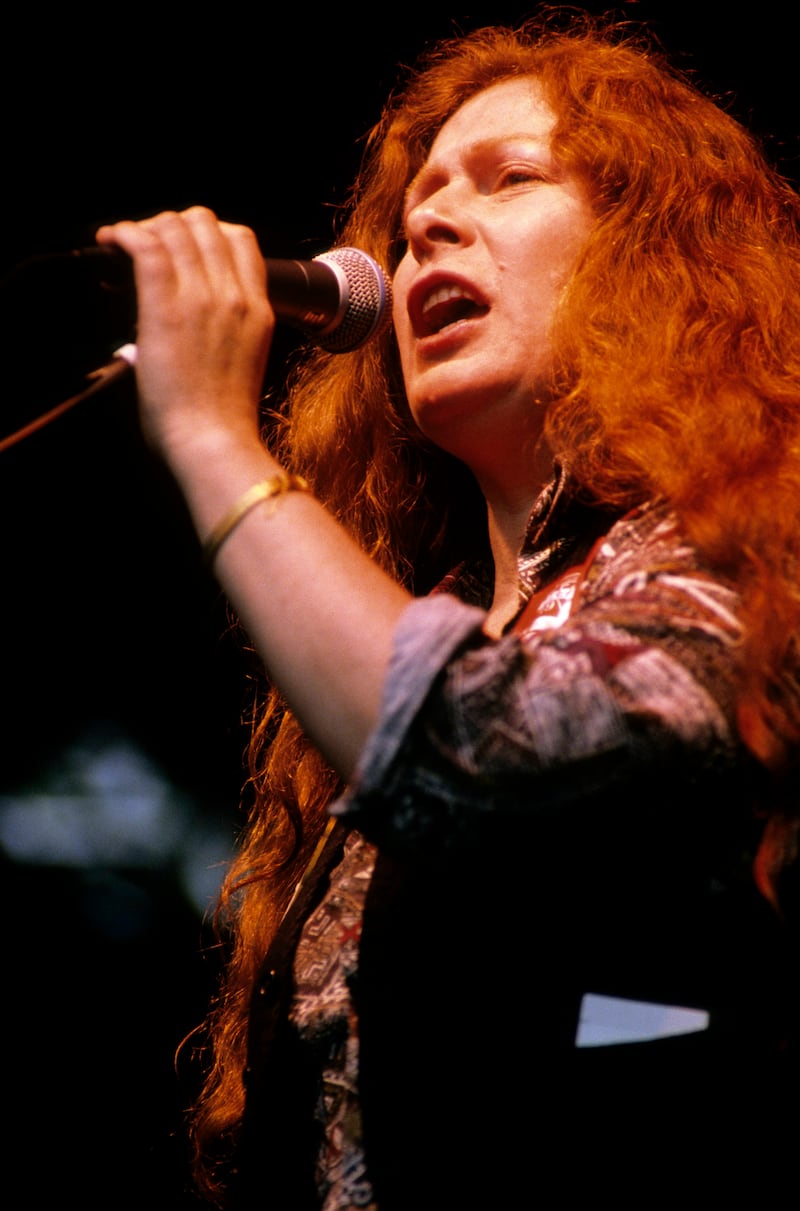 Dolores Keane performing live on stage. Photograph: Mick Hutson/Redferns/Getty Images
She was a sought-after singing companion by Emmylou Harris, Nanci Griffith and others, and her harmonies on Grey Funnel Line, with Mary Black and Emmylou Harris, recorded for the 1991 TV series Bringing It All Back Home, were beyond compare.
The trio took this English song, written by Cyril Tawney about his departure for the Royal Navy, and rendered it a universal paean to the sorrow of departure and the incandescent joys of homecoming, through their lonesome and richly textured harmony singing. Surely a precursor to the much-later triumphant collaboration of Alison Krauss and Gillian Welch on the soundtrack to O Brother, Where Art Thou?
In later years Keane made no secret of her history of addiction and mental health challenges. Having achieved sobriety, she did what few other musicians were brave enough to do at that time: to name the demons that she had been grappling with while maintaining a career on the road. Such plain speaking was utterly in keeping with the artist that she was – a storyteller who was prepared to tell the unvarnished truth, all the while underscoring her own humanity in the process.
[ Dolores Keane comes storming backOpens in new window ]
Keane, who died peacefully at her home in Co Galway, embarked on a professional career as a traditional and folk singer at a time when there were few other women on the road. She forged a path, clear and true, for those who followed, from Lisa O’Neill to Radie Peat of Lankum, Dervish’s Cathy Jordan and so many others, and left behind her an immense legacy.