
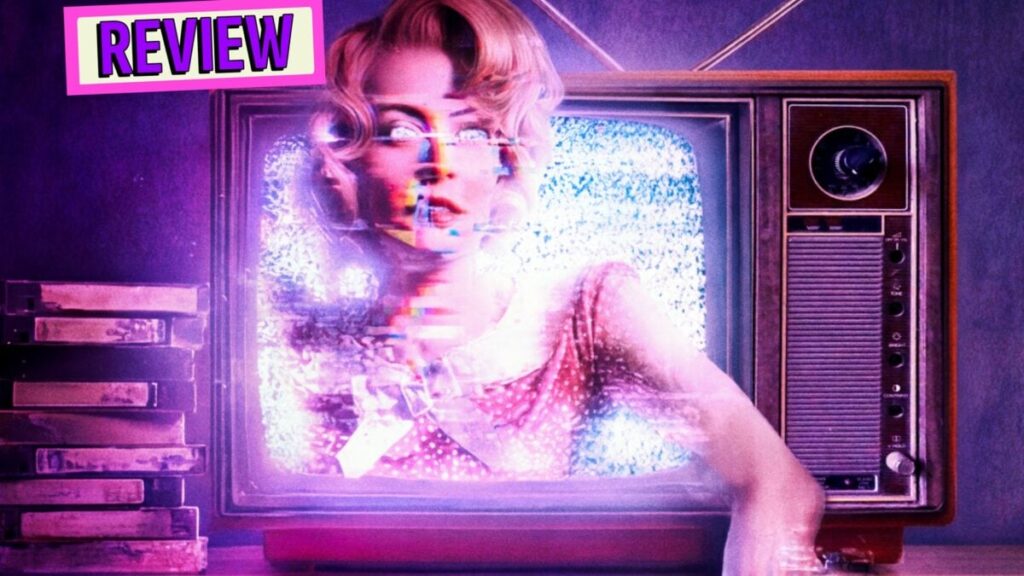
After the documentary Horror Noire: A History of Black Horror and the docuseries Queer for Fear: A History of Queer Horror, Shudder has another niche look at the horror genre. Based on the 2020 book of the same title by Alexandra Heller-Nicholas, 1000 Women in Horror looks at how women have shaped scary-movie history, both behind the camera as well as playing prominent roles in front of it.
If that sounds like a wide-ranging topic, it is—and with a running time of 96 minutes, 1000 Women in Horror, directed by Donna Davies, wisely isn’t trying to be an encyclopedia, though it does cover a lot of ground. The doc’s clips and engaging interviews take the viewer on a journey that’s not traditionally chronological, instead tracing the stages of a woman’s life as they’re depicted in horror cinema.
That begins with little girls and dolls, with discussions of The Bad Seed, Interview With the Vampire, The Exorcist, and others—including M3GAN, with that film’s screenwriter, Akela Cooper, reminiscing about owning a Good Guy doll and being fascinated with Chucky as a kid.
The terrors of adolescence are explored in movies about toxic friendships, including Jennifer’s Body and The Craft, as well as coming-of-age tales soaked in blood, menstrual and otherwise, in Carrie, Ginger Snaps, and beyond. In this section, of course, there’s also an emphasis on horror’s most famous female archetype: the Final Girl, including scrappy survivors from Halloween, A Nightmare on Elm Street, Scream, and Black Christmas.
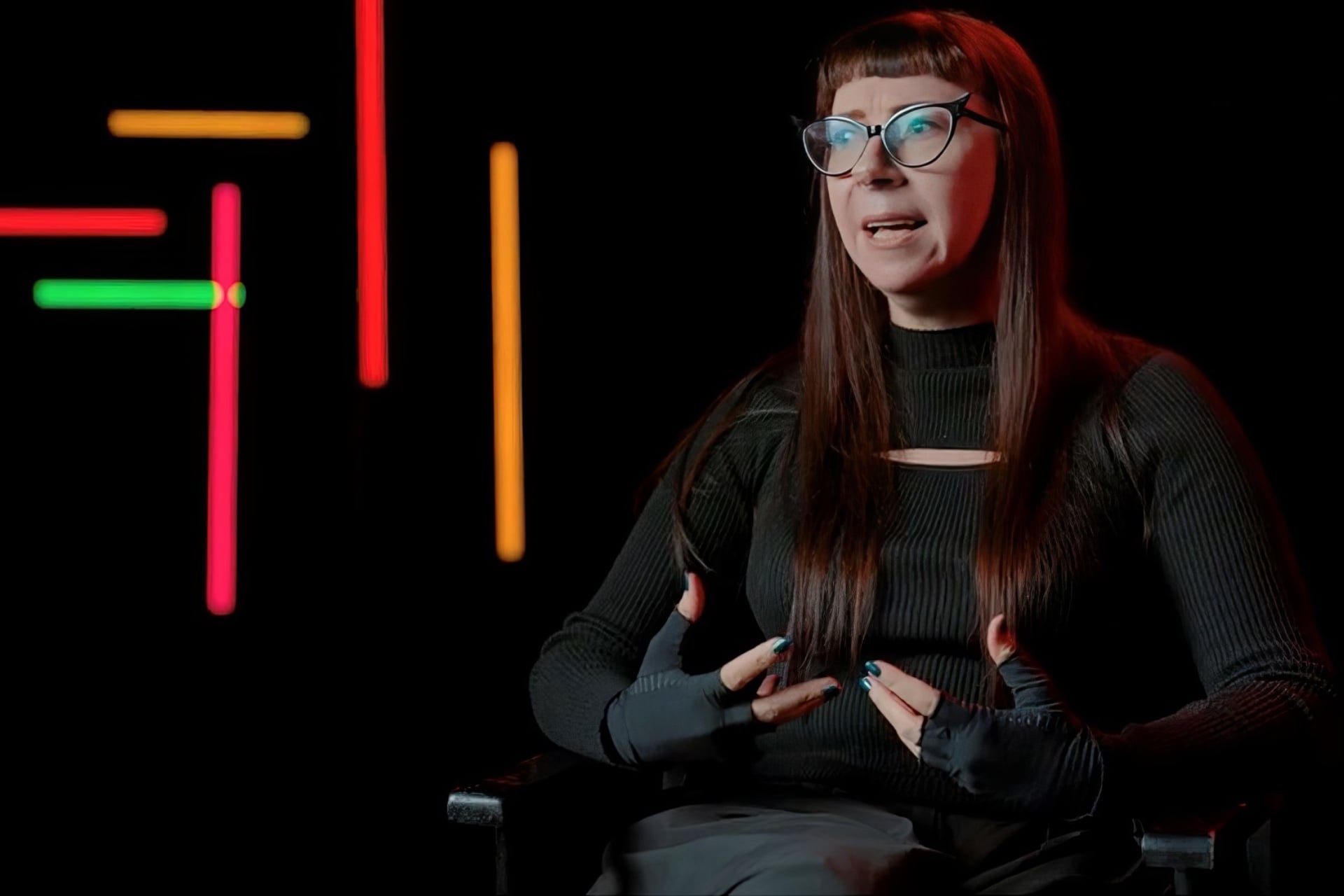 1000 Women in Horror author and documentary screenwriter Alexandra Heller-Nicholas. © Shudder
The adulthood section then covers sexual agency and awakenings—lesbian vampires galore!—as well as home-invasion and rape revenge flicks. The searing work done by Isabelle Adjani in Possession gets its own spotlight, as it should. There are separate chapters for “work life,” featuring writer-director Nikyatu Jusu talking about Nanny, as well as pregnancy and motherhood, which delves into such traumatizing examples as Rosemary’s Baby, Cujo, and The Babadook.
Finally, 1000 Women in Horror digs into the fear of aging, with the dementia tale Relic and the rotting bathtub ghost from The Shining held up as particular examples. The absence of the most prominent recent example—Amy Madigan’s Oscar-nominated performance as the witch in Weapons—can only be down to the documentary being made before Zach Cregger’s film hit theaters.
The interviews are engaging and diverse, with filmmakers, scholars, and performers all lending their expertise. Along with those already mentioned, that includes Roxanne Benjamin, Kier-La Janisse, Roseanne Liang, Cerise Howard, Toby Poser, Sara Risher, Kate Siegel, Gigi Saul Guerrero, and more. Film scholar Heller-Nicholas is the anchoring presence, which makes sense since she wrote the book that the film is based on, and also scripted the documentary.
That said, her presence here can’t help but make a viewer think of another horror doc that came out recently and approached its subject with better flow and focus: Chain Reactions, a series of in-depth interviews with notable fans of The Texas Chain Saw Massacre. Heller-Nicholas is a featured talking head alongside Karyn Kusama (director of Jennifer’s Body), Stephen King, Patton Oswalt, and Takashi Miike.
Of course there’s a huge difference between making a documentary about one film and making a documentary that covers dozens of films, some very famous and some you’ve never heard of, on the far more general topic of “women-led horror,” which encompasses not just directors and writers but seemingly any horror movie that happens to boast an interesting female character or performance.
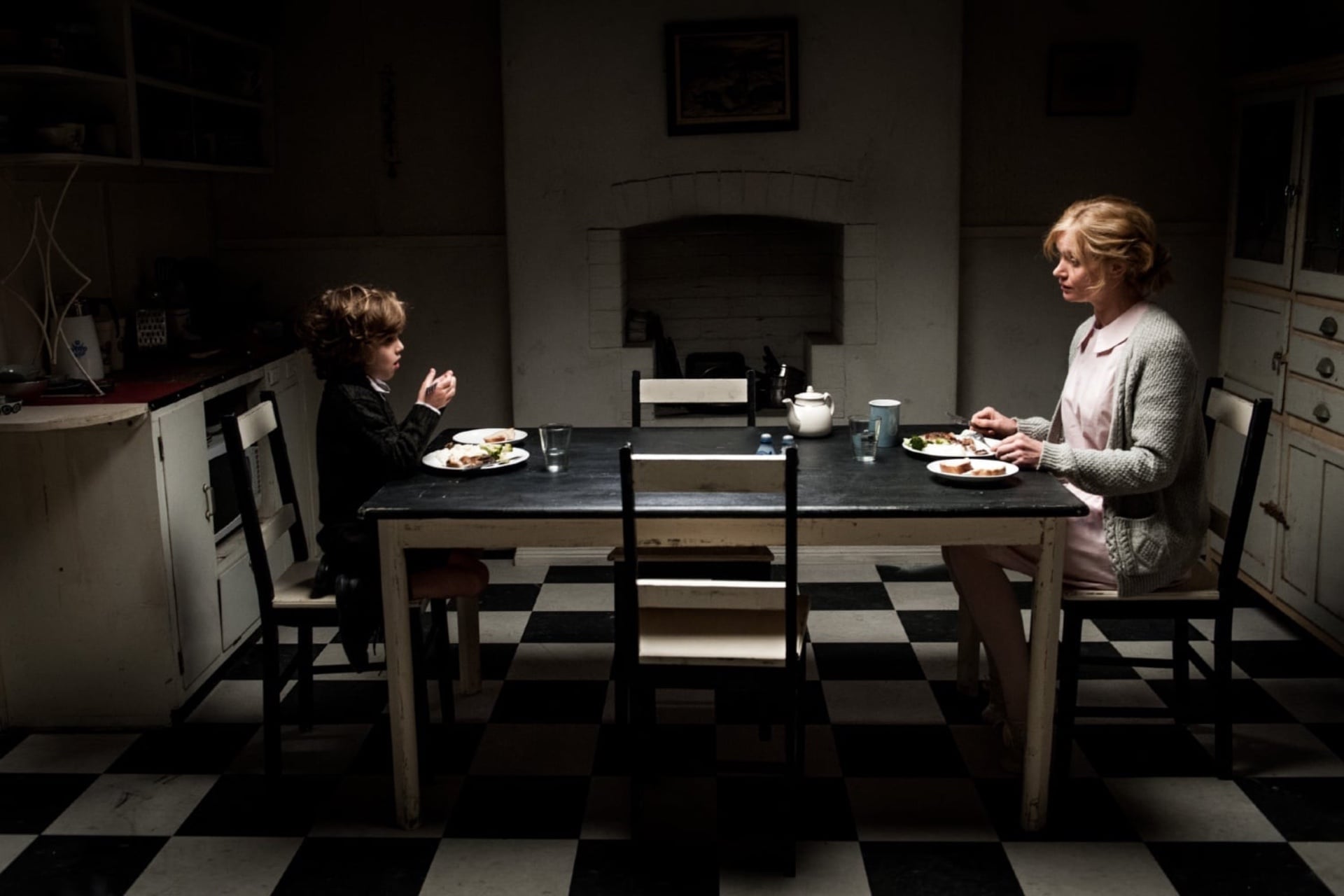 The Babadook © IFC Films
It’s tempting to wonder if maybe the 1000 Women in Horror format—so well-suited to Heller-Nicholas’ book, which combines interviews as well as extensive writing about over 700 films—could have been tinkered with a bit here to make more of an impact. As is, it feels a little too casual and conventional to feel like something that could convince anyone not interested in women-led horror to change their point of view.
If you’re already a fan, though, it’s a fun ride through some of horror’s greatest titles, and you will definitely want to jot down some of those lesser-known indies to add to your watch list. Overall, 1000 Women in Horror is a worthy celebration of women who love horror and who love making horror films. Its execution might not be perfect, but its enthusiasm is dialed to the exact right frequency.
1000 Women in Horror hits Shudder March 20.
Want more io9 news? Check out when to expect the latest Marvel, Star Wars, and Star Trek releases, what’s next for the DC Universe on film and TV, and everything you need to know about the future of Doctor Who.