
Credit: Getty Images/JOCE/Bauer-Griffin / Contributor
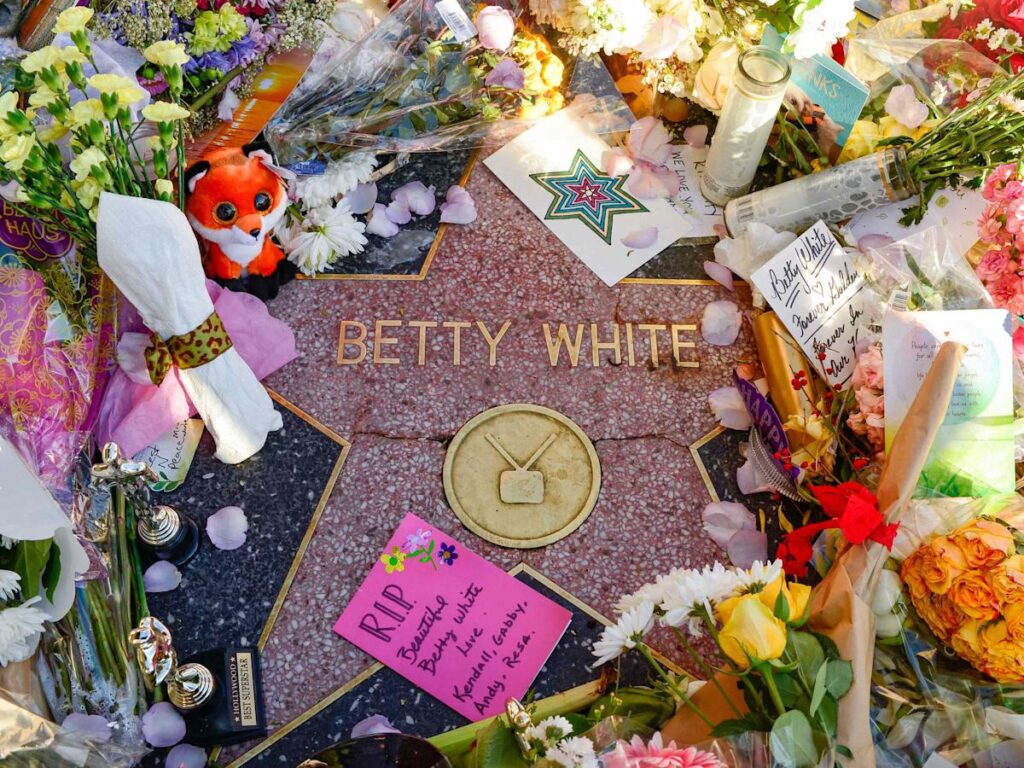
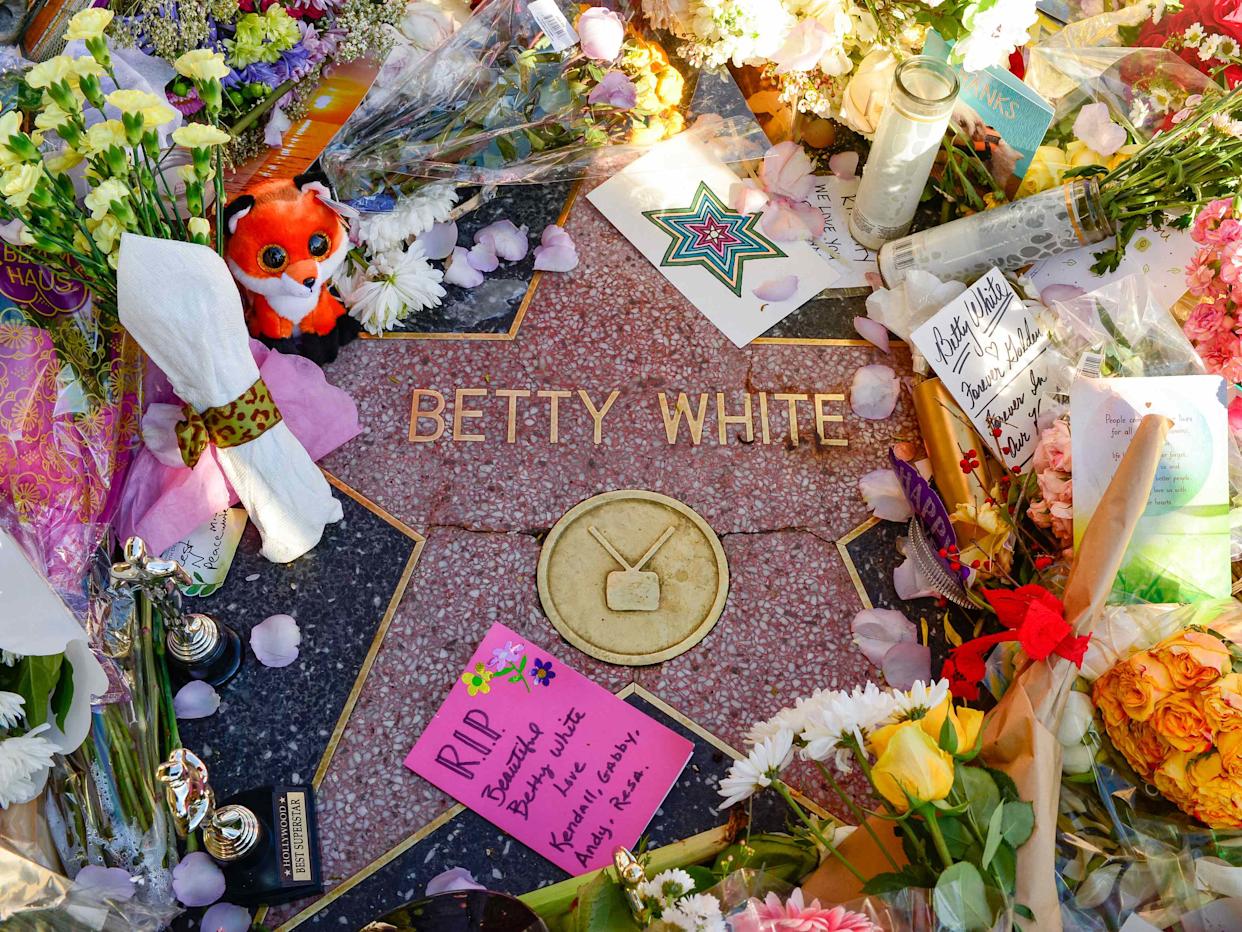
On New Year’s Eve 2021, my phone didn’t stop buzzing. One after another, I received text messages reading “I’m sorry for your loss,” and “May her memory be a blessing.” But it wasn’t a close family member or friend who had died: it was Betty White. The same thing had happened when Rue McClanahan, Estelle Getty, and Bea Arthur passed away in previous years.
As anyone who knows me well can tell you, The Golden Girls have been a part of my life since I was a small child.
The Girls saw me through some of my worst depressive episodes. They comforted me when I moved to a different country without knowing anyone. They kept me company during my first night living alone. And they were there for me in my mother’s room in hospice, providing her with some of her last laughs.
Even though I didn’t know any of them personally, their deaths really hit home. Each one felt like I was losing a beloved (and sassy) aunt who never let me down and always made me laugh. What I felt was grief.
As it turns out, I’m not alone. In fact, it’s quite common to mourn departed celebrities as if we knew them personally—and there are psychological reasons for that.
It’s the end of a parasocial relationship
We mourn certain celebrities when they die because of what psychologists call “parasocial relationships,” or one-sided but meaningful emotional connections with public figures, says Melissa Flint, PsyD, a professor of behavioral sciences at Midwestern University Glendale, whose research focuses on death and grief.
“Because we follow celebrities’ lives, celebrate their successes, and often learn intimate details about them through the media, they start to feel familiar and relatable,” she explains. “So when a celebrity dies, it makes sense that people feel a genuine emotional response.”
We can form meaningful emotional connections to public figures through their work, their stories, or what they represent to us, says Wendy G. Lichtenthal, PhD, a bereavement science researcher with the Sylvester Comprehensive Cancer Center, part of the University of Miami Health System. “When they die, people may feel sadness not only about the loss of that person, but also about what they meant in their own lives,” she notes.
Why it feels so personal
It’s more common to spend time grieving a celebrity if their work is deeply connected to meaningful moments in your life, says Doriel Jacov, JD, LCSW, a psychotherapist specializing in grief, trauma, and relationship dynamics.
“An example is a musician whose songs helped someone through a divorce, or an actor who represented free expression in a way that you weren’t able to when growing up,” he explains. “These individuals represent emotional memories that contributed to identity formation. In this case, the grief connects both to the loss of the person and their meaning to you.”
These emotional memories are especially common with actors on TV shows, says Rabbi Pinchas Taylor, a grief counselor and hospice chaplain. “People welcomed this character into their lives on a regular basis, sometimes over the course of many years,” he explains. “Many people have told me that they feel like they ‘grew up’ with the characters on the sitcoms that they watched.” (That’s how I feel about The Golden Girls.)
Additionally, losses of public figures are also reminders of our own mortality, Flint says. “For example, if someone we saw as vibrant can die suddenly or young, it can feel unsettling,” she explains. “And because grief is often shared publicly online, collective grieving can amplify those emotions.”
Grieving is still a process
Not only is it common to be sad when someone famous dies, but it’s also completely reasonable to spend some time grieving the loss.
“These relationships give us something, and it is natural to grieve the loss of whatever we received through that connection,” Lichtenthal says. “Often, people are not only grieving the celebrity—they are grieving what that person represented in their own life story.”
For some, a celebrity’s death represents the loss of a particular era of their life or a part of themselves. “The intensity varies, of course, but spending time feeling and processing that loss is a very human response,” Flint says.
“Often, people are not only grieving the celebrity—they are grieving what that person represented in their own life story.”
Wendy G. Lichtenthal, PhD
Sometimes the grief following a celebrity death can also bring up grief related to other losses—from close relationships to parts of our identity—which can make the reaction stronger than people expect. “For most people, grief comes in waves, coming to the forefront when we are reminded of the loss and moving into the background at other times,” Lichtenthal explains. “Those waves of grief related to celebrity losses can certainly continue over time.”
Ultimately, Lichtenthal says that it’s important to remember that grief is not determined by whether you knew someone personally: it’s shaped by the significance of the loss to you. “Our reactions make sense in the context of our own experiences and connections,” she says.
How to cope with the loss of a celebrity
Some celebrity deaths hit harder than others. Here are some tips for navigating this unique type of loss.
Give yourself permission to grieve
Even when the relationship is one-sided, it can still be meaningful. “Grief is a natural response when we lose anyone or anything that matters to us and reflects the depth of our capacity to connect,” Lichtenthal says.
Allow yourself to feel what you feel, Flint says. “Grief can show up as shock, sadness, numbness, loneliness, fatigue, or even a sense of unfairness,” she explains. “These responses are normal.”
Attend a collective memorial
Some people find comfort in joining collective memorials—whether that’s attending a vigil, reading tributes, or participating in online communities, Flint says. It may also be helpful to have conversations with others who are also affected by the loss, Lichtenthal adds.
Speak with a professional
If your grief feels overwhelming—especially if it interferes with daily functioning, feels out of proportion to what you expected, or causes past grief to resurface—it can be helpful to reach out to someone for support. “This could be from trusted people in your personal network or from a professional,” Lichtenthal says. “What matters most is finding people who have the capacity to meet your needs—those who can validate your feelings and the significance of the loss rather than minimize your response.
Read the original article on Real Simple