
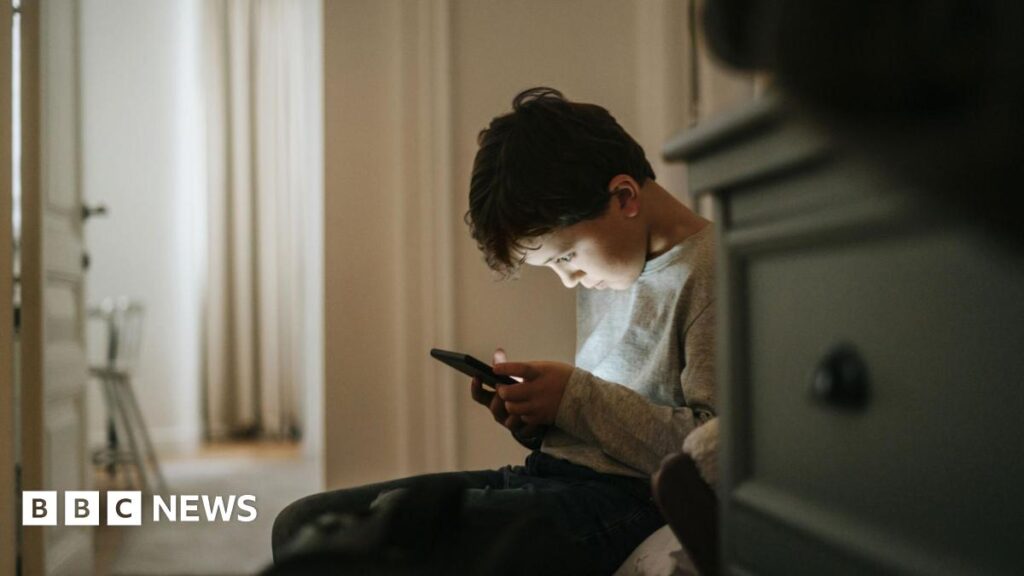
Parenting has never been easy, but raising children in a time where screens are everywhere, while we are still learning how they affect us, can be very worrying.
Dr Tony Sampson, a reader in digital communication at the University of Essex, says parents shouldn’t fall into the trap of moral panic.
“There is a tendency for anxious parents to become caught up in a prevailing media panic and see all adolescent brains as simply hardwired for social media addiction,” he says.
But children and teenagers have what’s called neuroplasticity – their brains are better at adapting and bouncing back than adults’ brains.
“We read a lot about the ways in which social media erodes attention,” he says.
“[But] social media does not shorten or erode attention. It captures it and diverts it toward engagement with commercial content.
“Positive technological use can help boost neuroplasticity for creativity, exploration and learning.”