
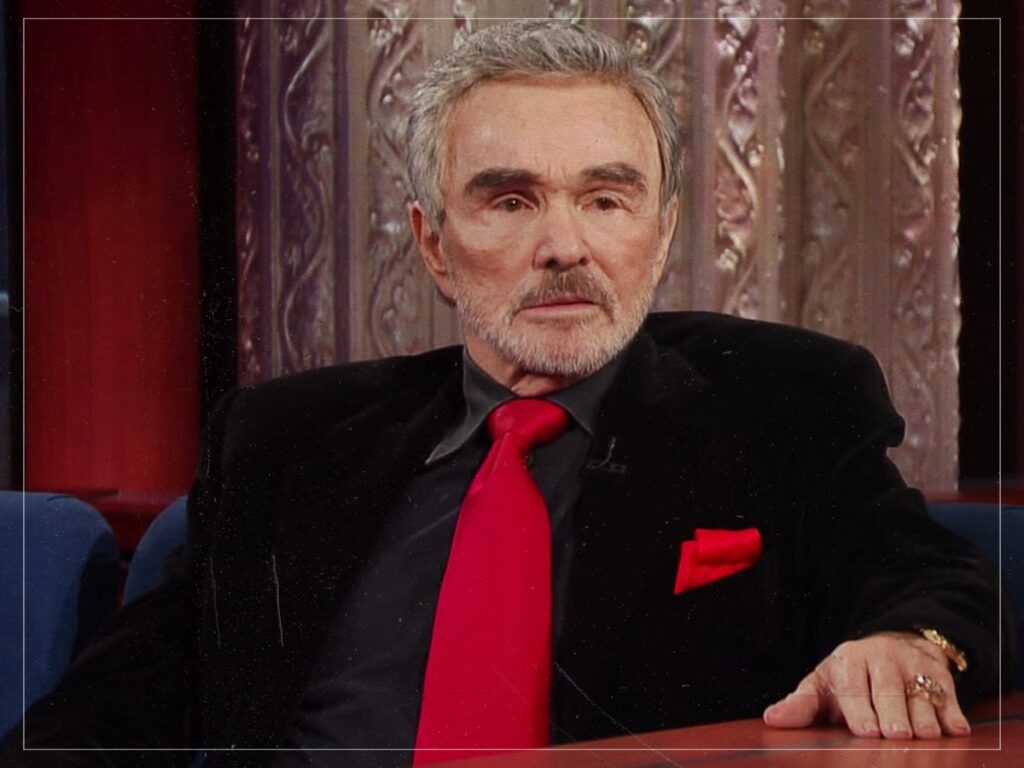
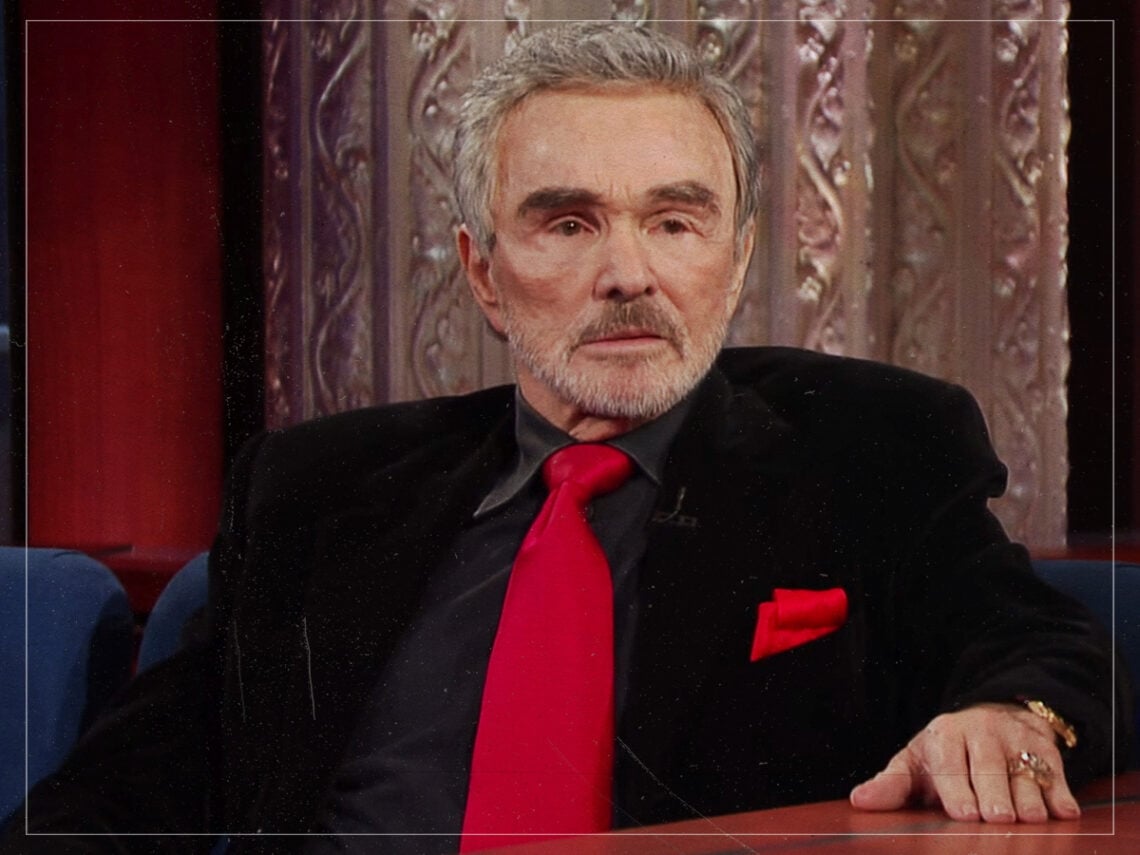
(Credits: Far Out / YouTube Still)
Sat 28 March 2026 17:45, UK
As a person, Burt Reynolds could be offensive, which is why so many people fucking hated him. As an actor, though, his filmography was hardly overflowing with controversy.
Even though he claimed to have Cherokee heritage, some people weren’t happy with Reynolds playing a Native American character in Navajo Joe. He wasn’t too happy, either, but mostly because he thought the movie was shite and would find its niche being played in prisons where nobody could escape from it.
Deliverance is probably the pick of the bunch when it came to controversy, though, not that the star minded in the slightest when he repeatedly called it both the first good picture he’d ever been in and the best film he ever made in his career, with those highs proving increasingly hard to replicate.
When he was the biggest star in the business, Reynolds made one kind of movie: either an action flick with comedy or a comedy flick with action, where he’d play a rugged hero who finds himself caught up in an adventure, usually with a beautiful woman in tow. It was formulaic, but it worked.
However, even he began to grow bored of repeating himself, but instead of accepting one of the many iconic and/or award-winning roles that came his way, his attempts to diversify permanently took the shine off his star. He was bulletproof at the box office during his peak, but the outspoken star couldn’t even find it in himself to defend one of his biggest hits.
“When critics wrote disparaging remarks about me in The Cannonball Run, I felt that I rather deserved them,” he admitted to The New York Times. “I did that film for all the wrong reasons. I never liked it. I did it to help a friend of mine, Hal Needham. And I also felt it was immoral to turn down that kind of money.”
Needham’s all-star caper was one of the highest-grossing releases of 1981, and a story about a cross-country race and the hijinks that ensue isn’t immoral in the slightest. And yet, because he was being paid an exorbitant amount of money to headline something that he never once felt invested in, Reynolds felt like he’d betrayed his scruples.
“I suppose I sold out,” he added. “So I couldn’t really object to what people wrote about me.” It wasn’t a good film by any stretch of the imagination, and it’s not a contentious opinion to say that it’s an actively bad one for most of its running time, but with Reynolds flying high as Hollywood’s most bankable star, audiences turned up to see it in huge numbers.
That was a recurring theme of Reynolds’ career: he could have broadened his horizons, stretched himself, and enjoyed the same sort of longevity as his peers that he eventually came to envy, but at the end of the day, he was too protective of his image and far too susceptible to a paycheque to do it.
ADD AS A PREFERRED SOURCE ON GOOGLE 