
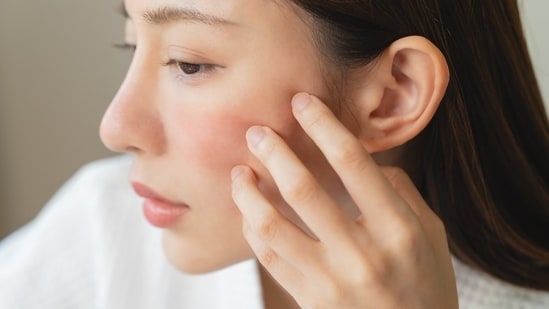
The quest for ‘glass skin’ — a complexion so clear and luminous it mimics the reflective surface of a mirror — has evolved from a viral K-beauty trend into a high-tech clinical standard. While topical serums dominated the early conversation, dermatologists are now pulling back the curtain on the professional treatments celebrities use to maintain that signature translucency. Also read | Dermatologist shares whether glass skin is realistic for Indians, suggests practical alternatives
 Whether you’re inspired by K-beauty or Bollywood, dermatologists says these treatments are now a mainstream standard for healthy, well-maintained skin across all ages and ethnicities. (Shutterstock)
In an interview with HT Lifestyle, Dr Preeti Seth, founder and CEO of Pachouli Aesthetics and Wellness in Delhi, highlighted the shift in focus from surface-level aesthetics to structural skin health.
“The obsession with ‘glass skin’ is no longer just a K-beauty trend; it has become a celebrity skincare standard. From global icons to Bollywood names like Shibani Kashyap, the focus has clearly shifted from makeup to skin health and texture refinement,” Dr Seth said.
Achieving this level of clarity often requires going deeper than the epidermis. According to experts, the ‘holy trinity’ of glass skin treatments involves hydration, pigment correction, and cellular turnover.
The scientific toolkit: boosters, lasers, peels
Dr Seth broke down the primary clinical interventions:
⦿ Skin boosters: “Enhance deep hydration with hyaluronic acid.”
⦿ Laser toning: “Targets pigmentation and clarity.”
⦿ Chemical peels: “Accelerate cell turnover, revealing smoother, brighter skin beneath.”
She added that the goal is a specific aesthetic: “The result is not just glow, but translucency with uniform tone and minimal pores.” Also read | What are chemical peels and are they safe? Dermatologist reveals everything you should know about the beauty treatment
Why customisation is the ‘game-changer’
Despite the allure of instant results, specialists warn against a ‘one-size-fits-all’ approach. Dr Seth highlighted that the pursuit of perfection can backfire if not handled with medical precision.
“The real game-changer lies in customisation and consistency. Overdoing treatments or chasing instant results can compromise the skin barrier, leading to sensitivity or rebound pigmentation. The truth? Glass skin is not created overnight — it is engineered through science, precision, and patience,” Dr Seth explained.
Dr Rinky Kapoor, co-founder and director of The Esthetic Clinics in Mumbai, agreed that the trend has matured significantly since its inception in the late 2010s. “Today, glass skin is a key component of mainstream aesthetics, and the treatments behind it are now among the most requested procedures in clinics across the country, cutting across age groups and skin types,” Dr Kapoor told HT Lifestyle.
The rise of ‘injectable skincare’
A major contributor to the celebrity glow is the rise of skin boosters — essentially ‘injectable skincare’ that works from the inside out. “Skin boosters, particularly hyaluronic acid-based injectables like Profhilo or Juvederm Volite, work deep within the dermis to restore hydration and improve elasticity,” Dr Kapoor said.
“The result is a natural, healthy radiance and plumpness that looks effortless rather than treated. These are not dramatic interventions, but subtle, cumulative improvements,” she added.
For those dealing with textural issues or busy schedules, Dr Kapoor recommended laser toning with a Q-switched Nd:YAG laser. She noted these tools address ‘pigmentation, uneven skin tone, and enlarged pores with minimal downtime’.
A sustainable standard for all skin types
While the ‘glass skin’ moniker is often associated with east Asian beauty standards, dermatologists stressed that these medical outcomes are achievable for a diverse patient base.
“The demand for glass skin is really a demand for healthy, well-maintained skin,” Dr Kapoor concluded, adding, “The association with celebrity culture has certainly raised awareness, but the patient base is broad and the clinical outcomes are well-documented across skin types and ethnicities.”
Note to readers: This article is for informational purposes only and not a substitute for professional medical advice. Always seek the advice of your doctor with any questions about a medical condition.