
By Robert Scucci
| Published 25 seconds ago
In 1998, singer-songwriter Cher once asked us all if we believed in life after love, and we were all supposed to nod our heads in unison, as if to say, “Yes.” What Cher didn’t consider, however, is the kind of love depicted in 2014’s Life After Beth, because that’s an entirely different thing. First of all, young love never lasts. Don’t believe me? Go ahead and call your high school sweetheart and let me know how thrilled she is to hear from you.
More importantly, I’m pretty sure the 90s electropop anthem about overcoming heartbreak wasn’t meant to apply to the kind of zombie romance you see in Life After Beth. A horror comedy loosely inspired by the story of Orpheus and Eurydice, the film follows a guy whose girlfriend dies tragically, only to come back from the dead and pick up right where she left off.

I like to think of it as a twisted, far more slapstick version of the 2004 French film They Came Back (Les Revenants). The same concept is being explored, just without nearly as much emotional weight. Both films deal with how loss and grief are a natural part of life, and how catastrophic it could be if we’re not allowed to process these emotions in real time. In They Came Back, there are concerns about housing, food, water, and basic necessities. In Life After Beth, we get Aubrey Plaza spazzing out like Linda Blair while sucking face.
At face value, there’s really not much going on in Life After Beth, and there doesn’t need to be. Zach Orfman (Dane DeHaan) loses his girlfriend Beth Slocum (Aubrey Plaza) after a snake bite kills her, and everybody shows up for the funeral. Devastated after losing his first love, Zach confides in her parents, Maury (John C. Reilly) and Geenie (Molly Shannon). There’s an unspoken bond here because both Zach and Maury want to hold onto the good memories, not the low points.
Zach’s parents, Judy (Cheryl Hines) and Noah (Paul Reiser), along with his brother Kyle (Matthew Gray Gubler), grow concerned about his mental state as he spends more and more time with the Slocums. When they suddenly cut off contact, Zach spirals into a deeper depression.
As it turns out, shortly after Beth was buried, she dug herself out of her grave and made her way home, completely unaware of her own death. Maury and Geenie eventually allow Zach back into the picture once the truth is out, but there are rules. He can’t take Beth out in public during the day, and he can’t tell her she’s dead. What could possibly go wrong?
What Goes Wrong
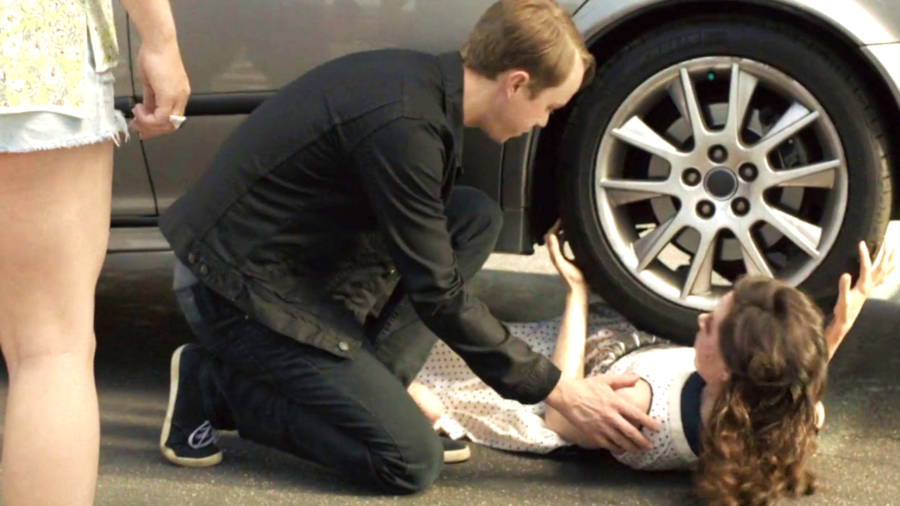
Being that they’re horny teenagers and Beth doesn’t know she’s dead, Zach immediately breaks the rules, and that’s when everything starts to fall apart. Beth begins to decompose and act erratically after spending too much time in the sunlight, leading Zach to suspect that she’s a zombie. She’s also intensely jealous of Erica Wexler (Anna Kendrick), one of Zach’s closest childhood friends.
As time passes and Beth loses control of her faculties, it becomes clear she’s not the only one who’s come back. The entire community starts filling up with reanimated corpses, and they’re all hungry. Something that could have been avoided if the Slocums were less secretive.
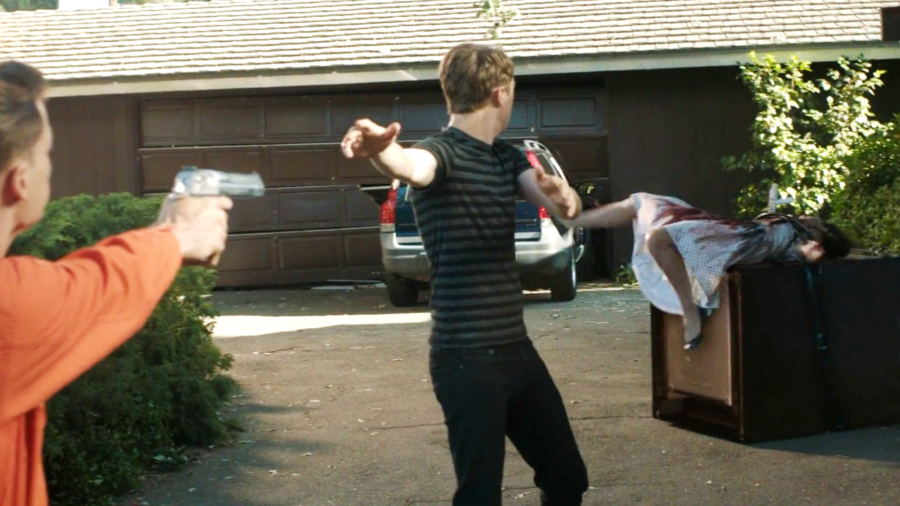
While Aubrey Plaza deserves plenty of credit for fully committing to her zombie freakouts, everybody brings their A game to Life After Beth. John C. Reilly and Molly Shannon play this situation exactly how you’d expect real parents to handle it. They’re grateful to have their daughter back, but equally horrified. They’ve barely begun the grieving process, and now it’s been completely disrupted. There’s a gravesite, a funeral, and a reality they’re trying to ignore while pretending everything is fine.
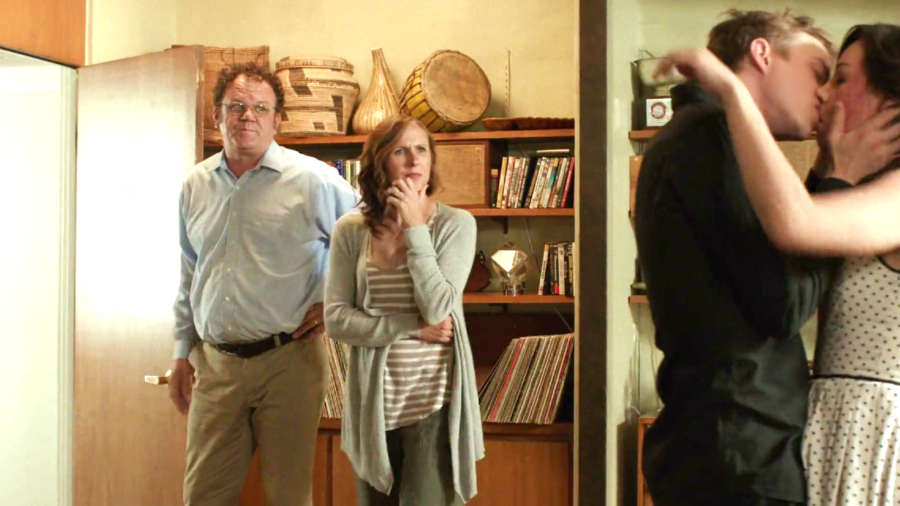
Zach’s behavior pushes things even further. On some level, he’s totally fine with necrophilia if you really think about it, but I don’t think that’s how he sees it. He’s grieving in his own warped way. When Beth and Maury give their approval, there’s plenty of making out that becomes increasingly uncomfortable the more you bear witness to it.
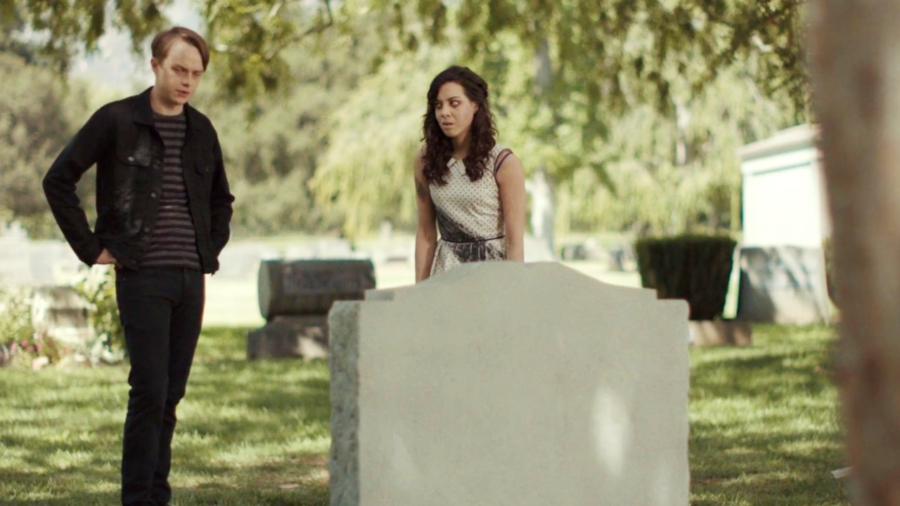
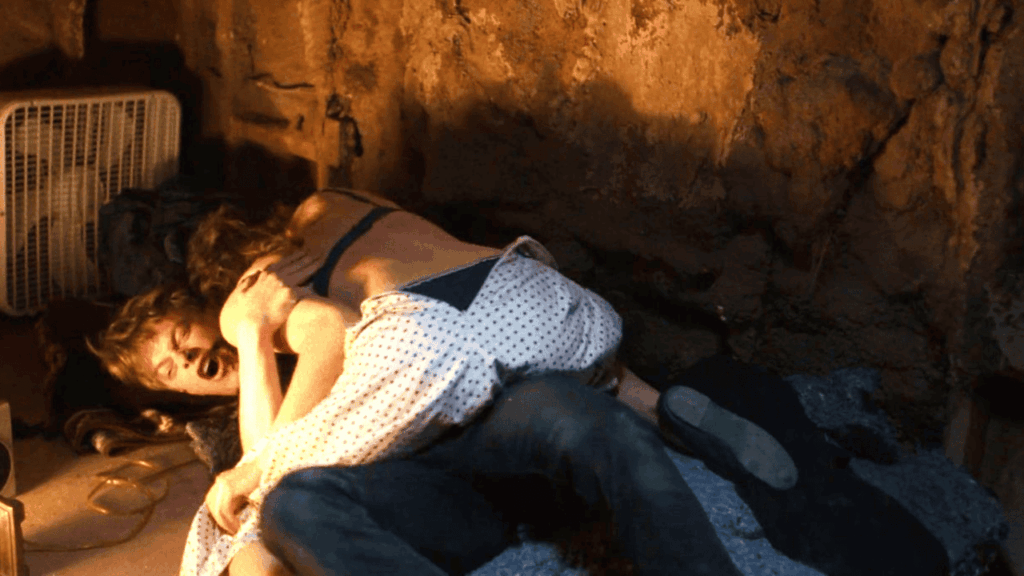
The real magic happens when Zach and Beth are alone, because they’re exactly as dysfunctional as you’d expect. As Beth transitions further into her final zombie form, her mood swings become more violent, and Zach rolls with it until he can’t anymore. Every couple fights from time to time, and that’s the lens he uses to justify what’s happening.
Surprisingly Poignant Story About Grief
Absurd, slapstick comedy aside, Life After Beth is more than just a horror comedy because it shows how far people will go to avoid confronting their grief. Zach, Maury, and Geenie are all traumatized by Beth’s death, and even more so by her return. Instead of working through it, they lie to themselves until the lie spills over and starts affecting everything around them.
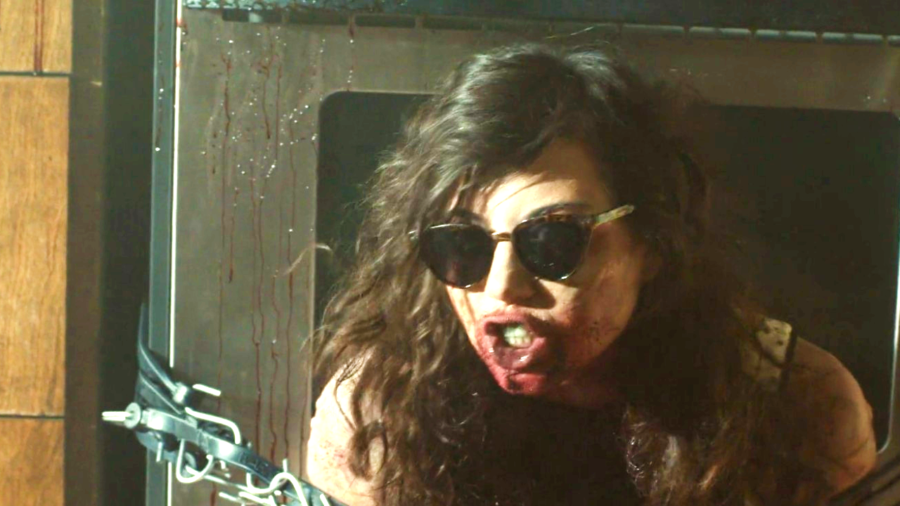
It’s a solid analogy for how destructive unprocessed grief can be. It doesn’t just sit quietly in the background. It spreads, it escalates, and eventually it forces itself into the open whether you’re ready for it or not.

Life After Beth is streaming on Netflix.