
One hundred years ago this month, the Royal Family was big news.
In a country still recovering from World War One and negotiating
the new social set up that had ushered in, they had become what
they always were at their best. A focal point. And what was drawing
everyone’s focus was the arrival of a baby.
Despite the lack of formal announcement, everyone knew that the
wife of the second son of King George V was expecting a baby. What
they didn’t know was that they were counting down to the arrival of
one of the most famous Monarchs in history. On April 21 1926, a
princess called Elizabeth was born in London. It was the royal news
of the year. But around that were many other royal stories and
we’re counting them down as the
centenary of Queen Elizabeth II approaches.
A new royal author
Royals writing books, eh? Whoever would have thought it. On
April 2 1926, the papers were talking about a possible new
publication from a princess. There were few details and, it has to
be said, a rather condescending look ahead from the Bournemouth
Graphic. It informed its readers that Princess Marie Louise
would be publishing a book on West Africa in the coming weeks,
noting that ”although one of the most versatile members of the
Royal Family, she is new to the role of authoress”.
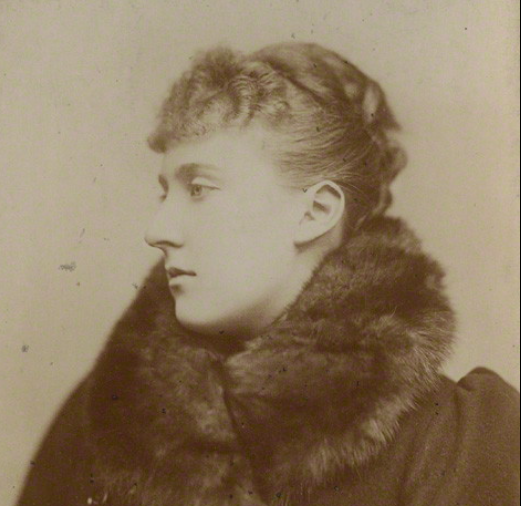
The paper needn’t have worried. Princess Marie Louise, a
granddaughter of Queen Victoria, was generally successful at
whatever she tried and she had tried plenty by April 1926. Born in
Cumberland Lodge in Windsor Great Park in 1872, her mother was
Victoria’s third daughter, Princess Helena. Marie Louise had been
married, had that union annulled and had taken up nursing,
philanthropy and numerous patronages not to mention painting,
enamelling and music by the time the Bournemouth Gazette started on
her. The book turned out to be about her time in Ghana where she
had helped establish a hospital.
A princess setting an example
However, Princess Marie Louise was also something of an example
of a way of royal life still to come. She had taken on a wide range
of duties representing King George V and Queen Mary, many of them
charitable. Her life was a string of public engagements, a kind of
template for the Royal Family that would be steered by the baby
everyone was waiting to meet in April 1926.
 Royal Central
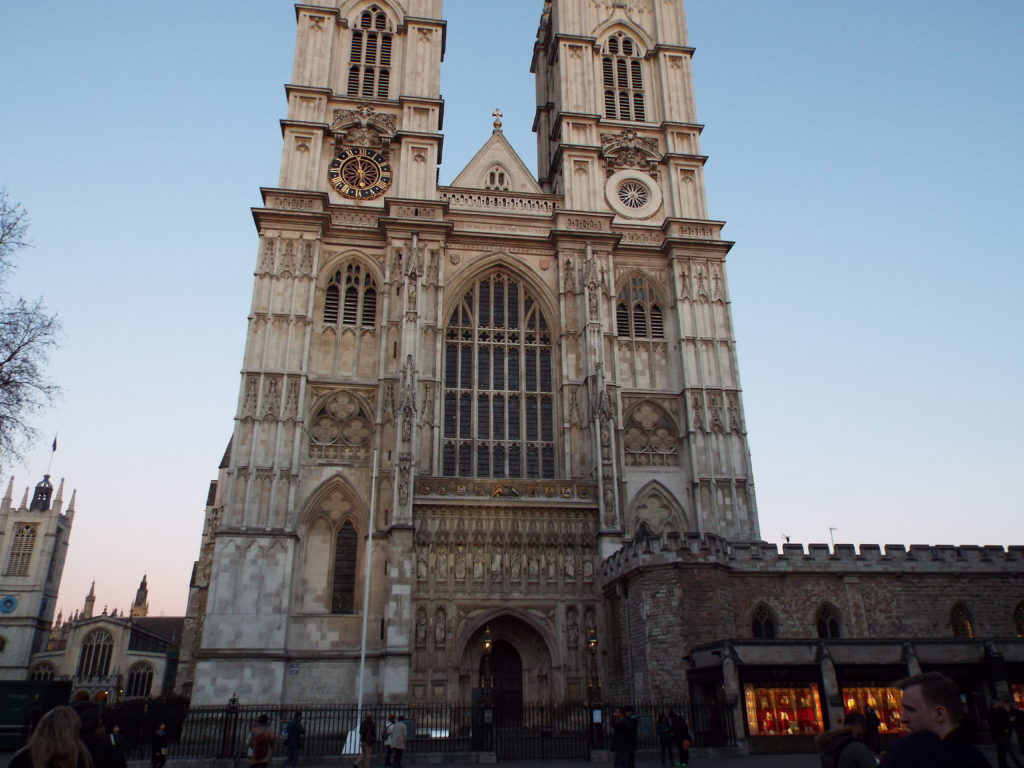
On April 2 1926, The Scotsman reported that Princess
Marie Louise had been the representative of the Royal Family at the
traditional Maundy Thursday service, held at Westminster Abbey. The
familiar traditions we know took place with 61 men and 61 women
receiving Maundy money, one for each year of the Monarch’s age.
However, there were more explicit nods to the origins of the
ceremony which originally followed the story of Jesus washing the
feet of his disciples. Although washing was long since gone, some
of those receiving money at this ceremony carried a towel into the
Abbey, in remembrance of that.
Royal love story captures
imaginations
The women of royal families are, generally, much more
interesting than the men and that proved true in April 1926, While
poor old Princess Marie Louise was doing the heavy lifting in
London, another royal woman was captivating attention on the
continent. On April 2 1926, everyone was talking about Marie
Jose.
Marie Jose, only daughter of King Albert I and Queen Elisabeth
of the Belgians, was reported to be on her way to San Rossore in
Italy where that country’s royal family was also heading. The
Shepton Mallet Journal, carrying syndicated material,
noted that ”according to a telegram from Brussels, the
engagement of the Prince of Piedmont, heir to the Italian throne,
to Princess Marie Jose, daughter of the King of the Belgians, will
shortly be announced.”
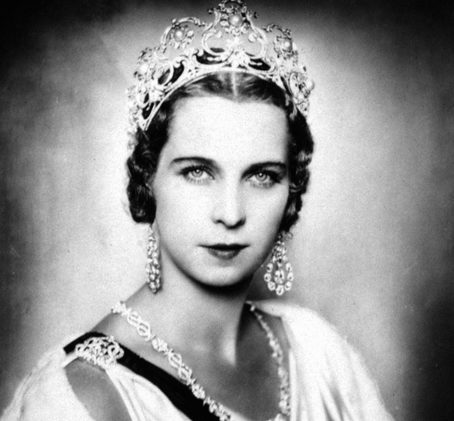
Princess Marie Jose ended up marrying the Prince of Piedmont,
Umberto, in 1930 and they would become King and Queen of Italy in
1946. Their reign lasted just one month before the monarchy fell
and they went into exile. Their time together was unhappy and
dramatic and played out against a rapidly changing world where no
one, not even royalty, could count on things staying the same. In
those spring days of 1926, Marie Jose was a picture perfect
princess and a reminder to all those who might also hold the title
that bring royal was far from an easy role.