
Justin Baldoni has secured a major win over Blake Lively as a judge has dismissed all of the actress’ sexual harassment claims against him ahead of their trial.
The It Ends With us co-stars have been locked in legal drama since December 2024 – but Judge Lewis Liman’s decision today means the actress, 39, has only three claims left to argue: breach of contract, retaliation, and aiding and abetting retaliation.
The trial is still scheduled to proceed May 18 in New York City – but now Lively’s case is dramatically thinner.
Daily Mail has reached out to representatives for both Baldoni and Lively for comment.
In his ruling, Judge Lewis Liman said that legal contracts that Lively cited for her claim were ‘unenforceable’ because she didn’t sign them.
In particular, Lively did not sign the Actor Loanout Agreement, or ALA, which would have governed sexual harassment on set, after squabbling with Baldoni’s team for months about the terms.
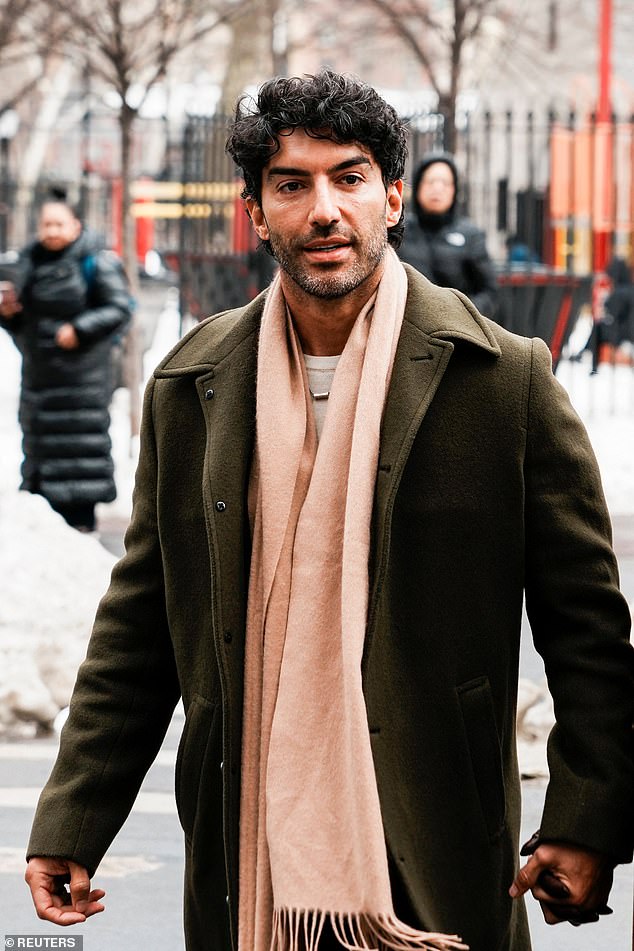
Justin Baldoni has secured a major win over Blake Lively as a judge has dismissed all of the actress’ sexual harassment claims against him ahead of their trial; (pictured February)
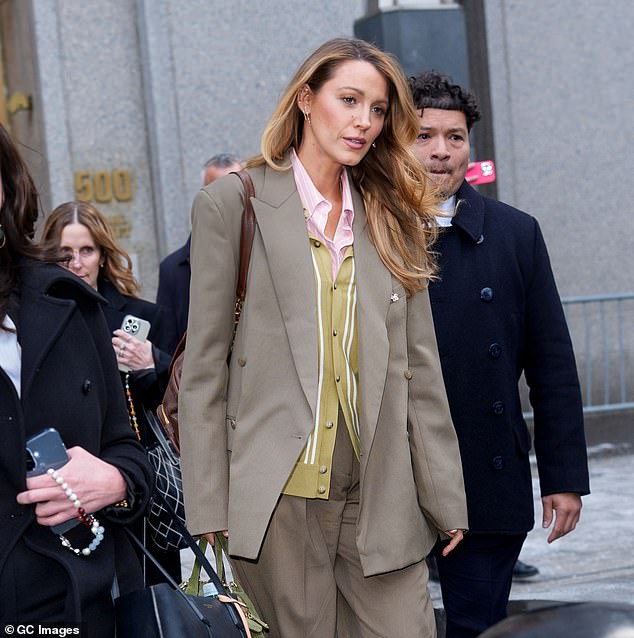
A somber looking Lively is seen arriving at court on Februay 11 2026
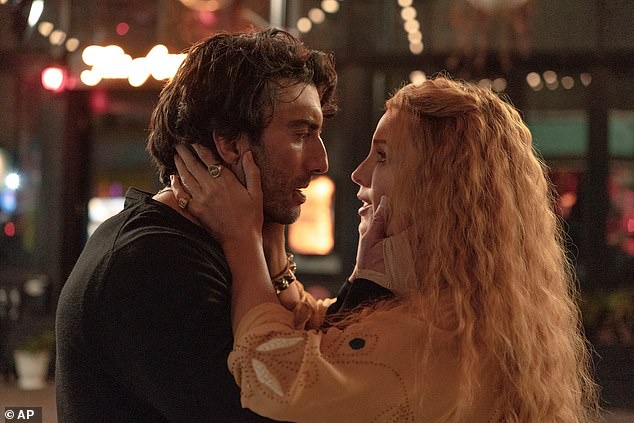
The It Ends With us co-stars have been locked in legal drama since December 2024 – but Judge Lewis Liman’s decision today means the actress, 39, has only three claims left to argue
Join the discussion
Did Lively just lose her strongest argument?
In his 152-page ruling, the judge wrote: ‘It is clear that the ALA is not and has never been a validly formed and binding contract, as IEWUM (It Ends With Us Movie) unambiguously expressed an intent not to be bound absent a fully executed and signed agreement’.
The judge disagreed with Lively for claiming she could sue because there was ‘no evidence the parties disagreed over the rest of the provision’ regarding sexual harassment.
‘That slices matters too finely,’ Judge Liman said.
‘The question whether Lively would have the unilateral right to halt production of the film if in her view sexual harassment occurred is hardly inconsequential. The fact that the parties were not able to come to terms on such provision provides powerful evidence that no contract had yet been formed’.
Judge Liman also disagreed with Lively’s pleading that she could sue using the ALA because of Baldoni’s discussions about it.
The ruling stated: ‘The court disagrees. Considering Lively’s evidence both in isolation and as a whole, it fails to raise a genuine issue of material fact concerning formation of the ALA’.
In a blunt part of the ruling, Judge Liman said: ‘‘Ultimately, Lively fails to confront what is the central dilemma in her claim.
‘She contends that the ALA became binding on IEWUM at some point while the parties were still negotiating it, but she cannot pinpoint a time when the parties began to be bound by it or which version of the ALA they were bound to.
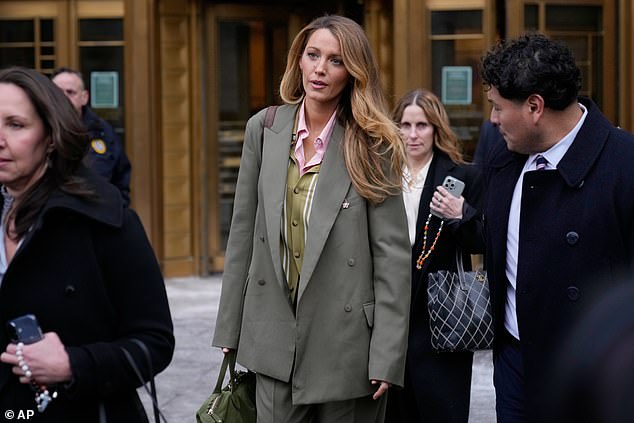
In his ruling, Judge Lewis Liman said that legal contracts that Lively cited for her claim were ‘unenforceable’ because she didn’t sign them
‘Unless both parties are bound, neither party is bound.
‘Which draft of the ALA bound Lively? Was it the version that lacked the sexual harassment provision?’
In his ruling, Judge Liman knocked down another of Lively’s arguments and said she ‘gets things backwards’.
It was in response to the idea that simply because Baldoni had paid her allowed to sue under the ALA.
However the judge said that Lively’s claims under another legal contract, the Contract Rider Agreement, or CRA, ‘stand on firmer ground’, specially the part that relates to not allowing retaliation for raising concerns about conduct on set.
The CRA was signed in January 2024 by Jamey Heath, the producer of the film, and included a list of 17 requirements in order for Lively to return to filming.
Baldoni has claimed that he felt they had little choice in order for the film to be completed.
Among the provisions was that there would be no improvised sex scenes of any kind.
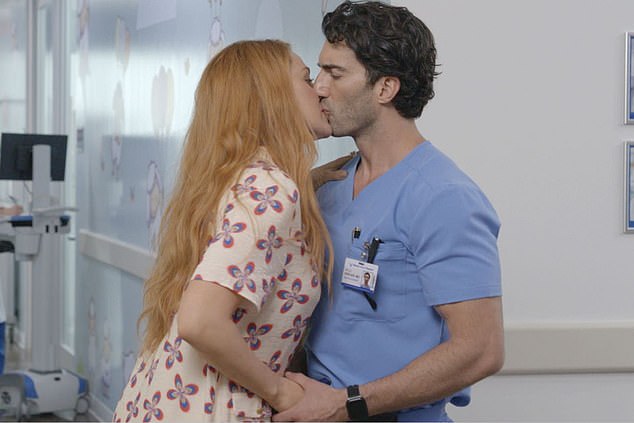
The judge disagreed with Lively for claiming she could sue because there was ‘no evidence the parties disagreed over the rest of the provision’ regarding sexual harassment
Judge Liman cited in particular the part which said there should be ‘no retaliation of any kind against Artist for raising concerns about the conduct described in this letter.
The latest news in the case comes as the contentious legal battle between Lively and Baldoni has gone on more than a year.
In December of 2024, Lively named Baldoni in a lawsuit accusing him of sexual harassment, retaliatory conduct, and intentional infliction of emotional stress.
In her lawsuit, the actress accused Baldoni of sexually harassing her in multiple ways – including body shaming her – and orchestrating a smear campaign against her to damage her reputation.
In her lawsuit, Lively named a number of Baldoni’s collaborators, including his company Wayfarer Studios, the studio’s CEO and financial backer, and PR personnel.
Baldoni had initially asked for $250 million in damages from The New York Times, mentioning a report it published on the topic that he claimed was defamatory, then added it to the $400 million lawsuit he filed this past January.
In the suit, Baldoni named Lively, her spouse Ryan Reynolds and her publicist Leslie Sloane, citing the aforementioned report in legal documents. It was thrown out of court this past June. All parties have denied all of the allegations against them.
This past month, attorneys for Lively said Baldoni and his legal team had stepped over the line with ‘probative’ inquisitions over her sex life in depositions linked to the case.
‘Ms. Lively’s sexual and/or romantic history has no bearing on the matters at issue in this case and we will not tolerate such examination, which will be the subject of a protective order and sanctions motion if it happens again,’ her legal team told the court December 19, Page Six reported.
Lively’s legal team also claimed Baldoni’s attorneys displayed a ‘lack of basic decorum’ during deposition with inappropriate behavior such as ‘insulting comments, audible cross-talk and laughter during examination.’
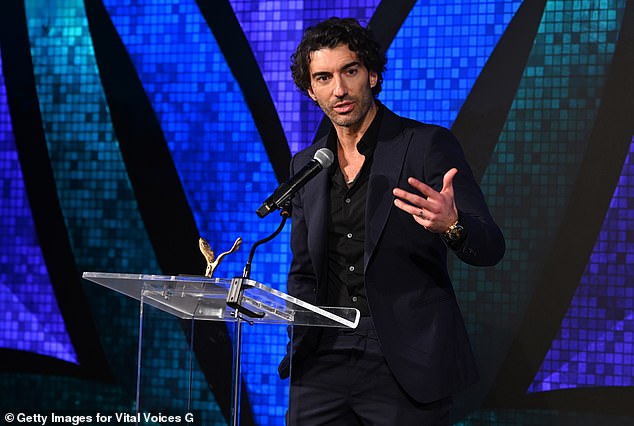
Baldoni described the situation involving Lively’s demands as ‘a gigantic clusterf***;’ (pictured December 2024 in NYC)
It Ends with Us earned $148 million in domestic box office and $350 million globally – but whatever goodwill the film garnered has since been overshadowed by the allegations made by its stars.
The motion picture, which also starred Jenny Slate, Hasan Minhaj, Brandon Sklenar and Kevin McKidd, was based on the 2016 novel by Colleen Hoover.
The storyline of the film centered around a toxic relationship between Lily Bloom (played by Lively) and Ryle Kincaid (Baldoni).
According to a logline for the film, Lily ‘overcomes a traumatic childhood to embark on a new life,’ as ‘a chance meeting with a neurosurgeon sparks a connection but Lily begins to see sides of him that remind her of her parents’ relationship.’