
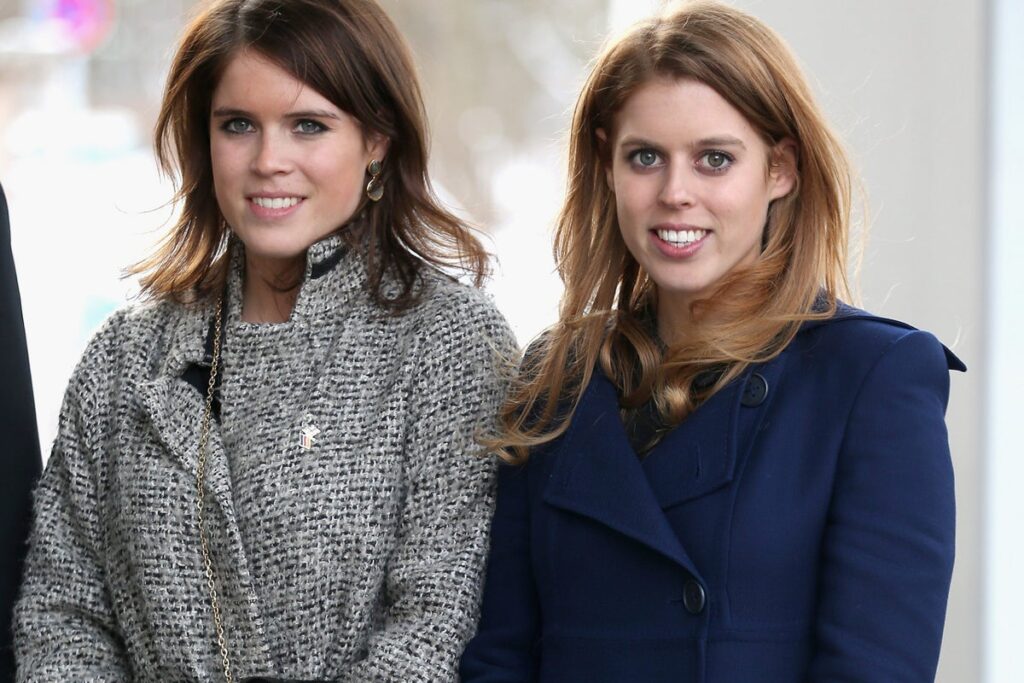
Easter is typically a time when families come together to celebrate – but what if you’re not speaking to your family?
For people who are estranged from their parents, events like Easter and Christmas can be particularly challenging, bringing up complex feelings of guilt and grief – especially if they have big families with annual traditions.
There’s no bigger family with more traditions than the royal family, and yet this year, neither Princess Beatrice nor Eugenie will be attending the Royal Easter service amid the fallout from their parents’ Epstein-related scandals. There have been reports that Princess Eugenie has completely cut ties with her father, Andrew Mountbatten-Windsor, but both sisters have made “alternative plans” this Easter as they navigate the outcome from the past few months of news stories about their parents, although they have reportedly been invited to join King Charles at Ascot this year.
At the same time, there are reports that when King Charles travels to the US later this spring, he won’t be meeting Prince Harry, and it’s uncertain whether he will invite Harry to spend the summer at Sandringham. There has been a prolonged distance between the father and son since Harry moved to the US and stepped back from royal duties in 2020, even though last year, Harry said he would love a “reconciliation” with his family.
Cutting a parent out of one’s life is never an easy decision. “I’ve never met anyone who managed to cut contact and then say that doesn’t matter to me,” says Dr Becca Bland, a psychologist specialising in family estrangement. “It’s a very painful decision for the majority of people and they revisit it all the time, thinking, is it strictly necessary?”
Dr Bland has first-hand experience of going no-contact with parents. She was mainly raised by her grandmother due to both her parents’ addiction problems, and in her early twenties, it became increasingly hard to keep up a relationship with them. “As much as I tried to change the dynamic, they weren’t willing to talk about it and couldn’t be present to do something different,” she explains. “I love them but I don’t think it’s safe to have a relationship with them.”
Even so, she never set out to completely cut ties with her parents – it was a “gradual distancing” that came from both sides: “They realised I wouldn’t be quiet anymore, and I realised they wouldn’t listen.” For the last 17 years, she’s been completely estranged from them and now works to support other people going through the same thing.
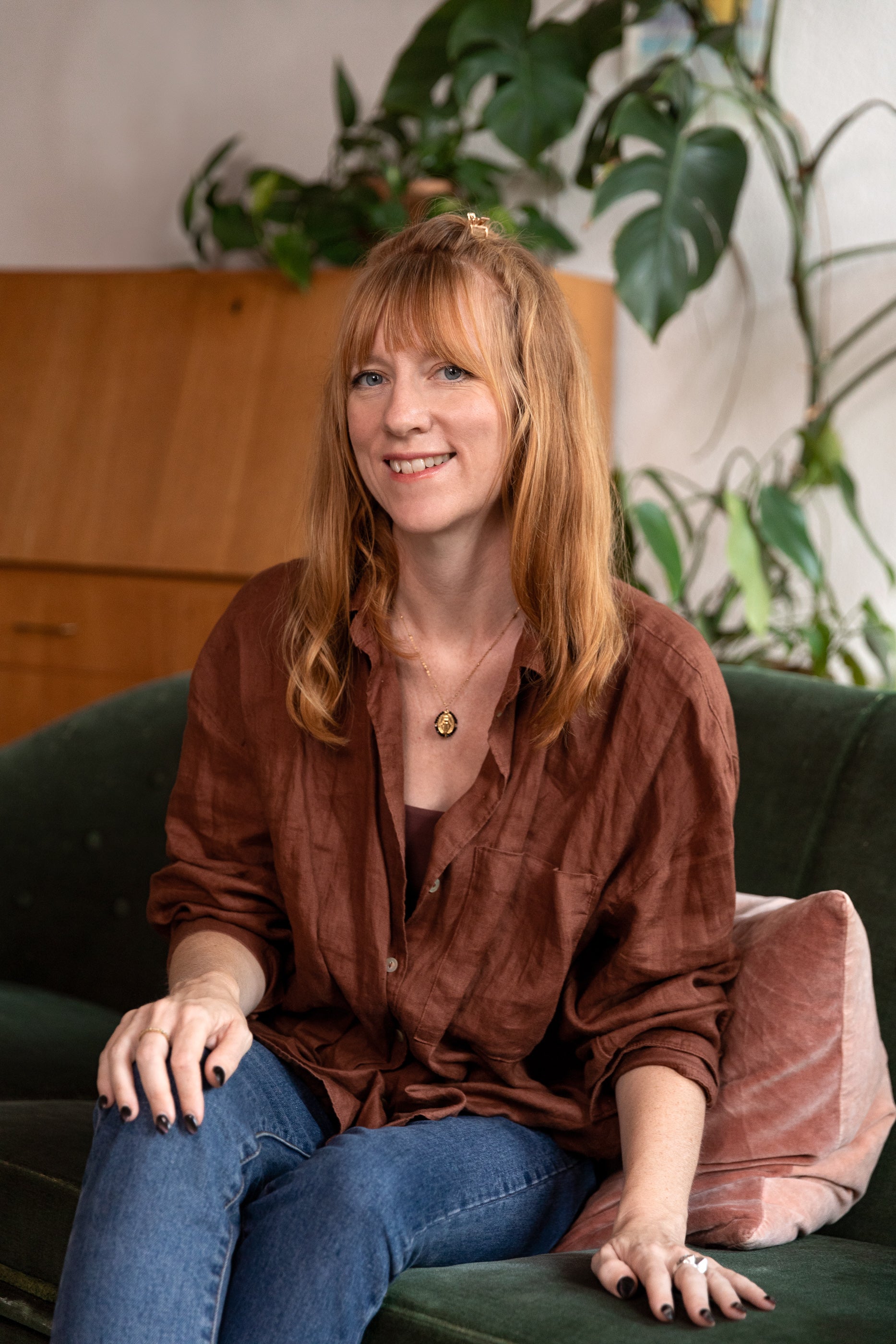 Becca Bland hasn’t spoken to her parents in 17 years (Supplied)
“It’s really hard to cut anybody out of your life that you love and have an attachment to,” she says. “What makes it a lot harder with your parents is that society thinks you should have a lifelong unconditional relationship with them and that creates stigma. It’s extremely stressful to have to navigate a society that punishes you for protecting yourself. You feel abnormal even though millions of people are going through it.”
Despite the stigma around family estrangement, it’s something one in two families in the US and one in five families in the UK experience. While it can often seem it’s on the rise as phrases like “no-contact” and “taking space” are normalised, Dr Bland points out it’s been happening since the beginning of the 19th century, but people simply called it “moving countries” or “taking jobs in different towns” and “marrying out of the family”.
The difference now is we have a more open culture around mental health and generational trauma – though according to Dr Bland, the consequences of estrangement may be more challenging now due to inequalities with generational wealth that mean younger generations are “more incentivised to stay in touch with family members as ultimately your survival in British society may rely on inheritance”.
She hopes that recent high-profile examples of estrangement – from the royal family to Brooklyn Beckham cutting off his parents – will help remove the stigma. “For Eugenie and Beatrice, they’ve got an incredibly complex situation where they’re facing the fact their father may have abused his privilege,” she adds. “How do they reconcile their love for him with what he’s accused of? He may have betrayed their trust and confidence, and arguably that of the nation.”
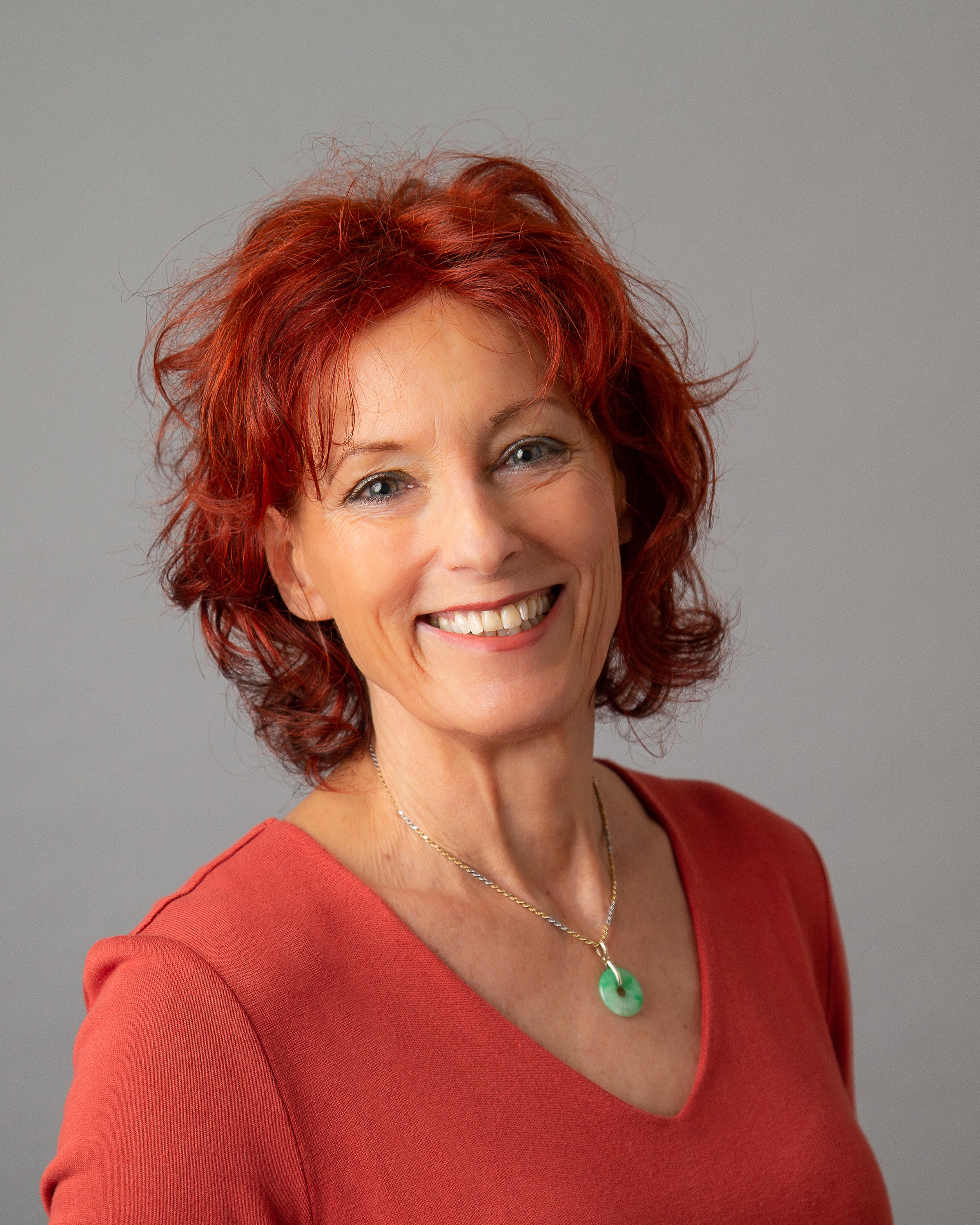 Mariette Jensen cut off her parents in her early fifties (Mariette Jensen)
This is something that Mariette Jensen, 67, can relate to. She grew up in the Netherlands with two parents who were “cold, emotionally unavailable and unsupportive”. Jensen, who now works as a psychotherapist specialising in narcissistic relationships, believes her mother was a narcissist and her father enabled her. She saw them less when she moved to England to start a family with her British husband, but didn’t cut off contact until she was in her early 50s.
That was when she became aware that her father had financially manipulated her brother, who was mentally disabled. “I thought, this is so wrong,” says Jensen. “He’s a criminal. He was scared of the taxman because he’d been fraudulent all his life with certain things. I told him I didn’t want any more contact with him and if he called me one more time, I’d call the taxman. That closed the door from his side.”
Jensen has no regrets. She’d maintained a connection with her parents for her children, but her parents never had a rapport with her sons – “my mum used to want them to parade for her for a while, but then she’d get bored and leave”, she says.
Jensen stayed no-contact with her parents until their death. She visited her father in the Netherlands when he was dying of cancer, but there was no reconciliation – “he wasn’t very nice, but I felt I’d done my duty”. She only found out about her mum’s death via a condolence message on Facebook but “didn’t feel a thing”.
I can imagine the Princesses might have felt how I did when I looked at my parents: I can’t find respect for you
Mariette Jensen
“She was dead for me before she died,” explains Jensen, who is the author of Rulebook of a Narcissist and From Victim to Victor. “I lived my life without her. And I was a lot happier without her.”
She has empathy for the royal princesses. “Those two girls are in such a difficult situation. I can imagine they might have felt how I did when I looked at my parents: I can’t find respect for you. But for them, it’s happening on a public level, and they’re part of a big family. So if they [cut off their parents] what are the repercussions of that within the family? My heart goes out to them.”
For Jensen, cutting off her parents was freeing. But it’s not always that simple. Dr Bland calls it a “living loss – the grief process of losing someone who is living.” Reddit forums are full of hundreds of people who have cut off their parents, saying things like “I still have doubts every day” and talking about guilt. One user shared about her first Easter since cutting off her parents, and even though she knew her family had “rejected her all her adult life”, she still felt “so sad” when they didn’t call.
It’s why Jensen believes it’s important that anyone thinking of taking space from family members needs to do it in their own way. “No one can tell you what to do; you’ll know,” she says. “You have to do it at your own pace. You might cut your parents out, but then be dragged back in. That’s part of the process. Don’t be too harsh on yourself, but be true to yourself. Go through this process in your own way.
“Sometimes people find it so difficult to go no-contact because if you’re part of a bigger family there might be big repercussions. If you’re then cut off from the whole family it might be too high a price to pay, so then it might be finding a way of keeping in touch but on your own terms, to keep yourself safe and sane. There’s no one way for everyone.”