
Like this article? Support us by subscribing here. Your donation will help us continue to provide quality-of-life news and make local impact possible.
By Prince William Living Publisher Rebecca Barnes
As the winter season sets in, many gardeners find themselves longing for the greenery of their outdoor gardens. However, with a little creativity and effort, you can create an indoor dish garden that will provide you with a miniature oasis of greenery and a source of joy during the cold, gray days of winter.
Indoor dish gardens are a type of miniature garden that can be grown in small containers, such as dishes, bowls, or even teacups. These gardens are perfect for small spaces, apartments, or homes without outdoor gardening areas.
To create an indoor dish garden, you will need to select a container, soil, plants, and any decorative elements you want to include. The container you choose will largely depend on your personal style and the size of the plants you plan to include. Shallow containers are best for small succulent plants, while deeper containers can hold larger, more traditional houseplants.
When it comes to soil, it’s important to choose a potting mix that is appropriate for the plants you’ve selected. Succulents and cacti require a well-draining soil mix, while tropical plants like ferns and ivies prefer a soil mix that retains moisture.
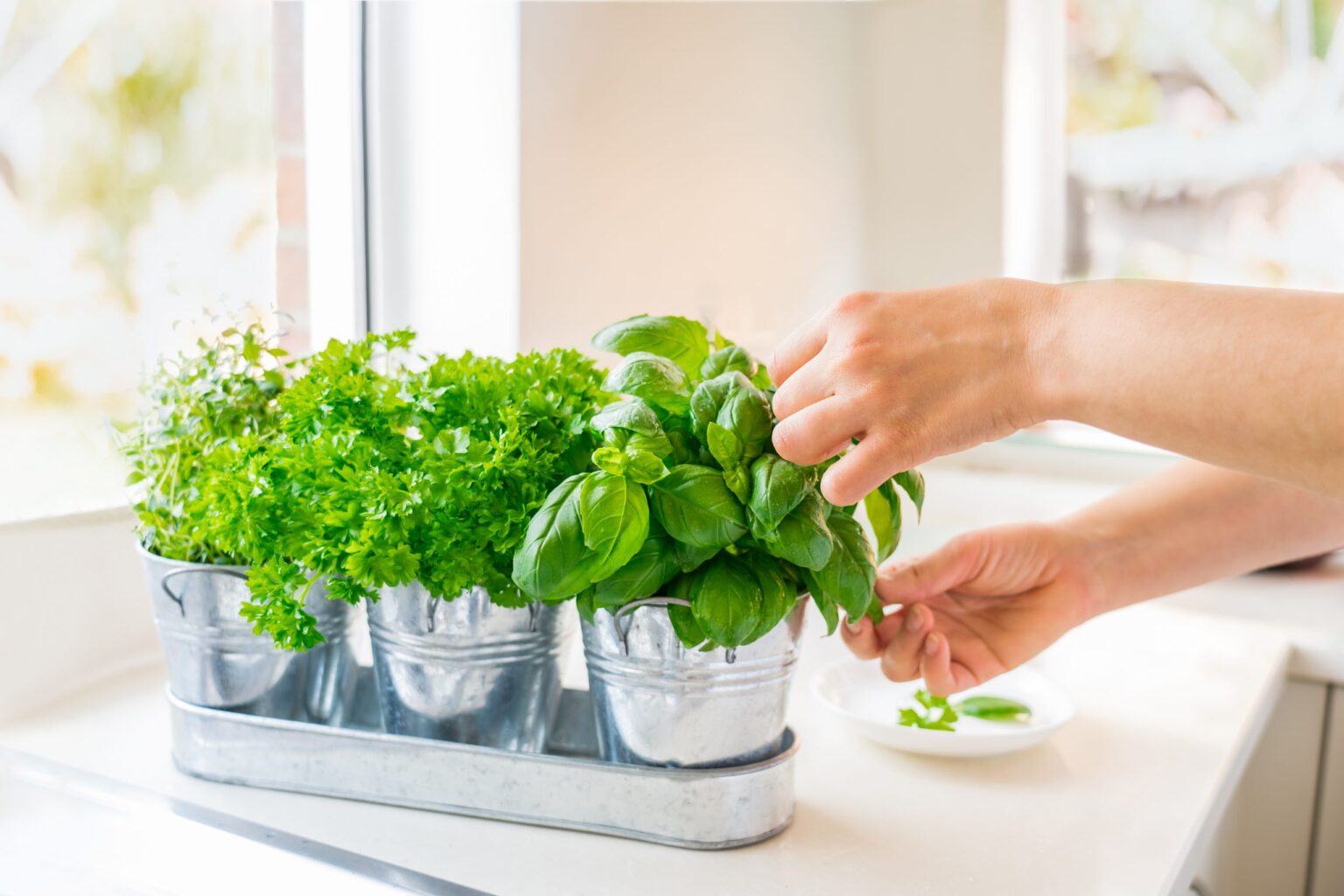
When selecting plants, consider the amount of light your indoor space receives. If you have a lot of natural light, you can choose plants that require full sun, such as succulents and herbs. If you have lower light levels, choose plants that thrive in partial shade, such as ferns or spider plants.
Once you’ve selected your container, soil, and plants, it’s time to start arranging your indoor dish garden. Begin by filling your container with soil, leaving enough space for the plants. Next, arrange the plants in the container, considering their height and spread to create a visually appealing display.
Finally, add any decorative elements to your indoor dish garden, such as rocks, miniature statues, or small ornaments. These elements can add a whimsical touch and make your indoor garden a true work of art.
Indoor dish gardens are a great way to add a touch of greenery and life to your home during the cold, dark days of winter. With a little creativity and effort, you can create a miniature garden that will brighten your spirits and bring a sense of joy to your daily routine.
Succulents are a popular choice among plant enthusiasts due to their unique and low-maintenance nature. However, there are some common mistakes that people make with their succulents that can harm or even kill them. Here are some mistakes to avoid:
Overwatering: Succulents are adapted to survive in arid conditions, and as a result, they are highly susceptible to root rot caused by overwatering. Water your succulents only when the soil is completely dry and be sure not to leave any standing water in the pot.Poor drainage: In addition to overwatering, poor drainage can also lead to root rot in succulents. Make sure that your pot has adequate drainage holes and that the soil is well-draining to prevent water from collecting around the roots.Lack of sunlight: While succulents don’t require a lot of water, they do need plenty of sunlight to thrive. Make sure your succulents are getting enough light by placing them near a sunny window or under a grow light if natural light is limited.Not acclimating to new environment: If you bring a new succulent home, make sure to gradually acclimate it to its new environment. Succulents that have been grown in greenhouses or nurseries may not be used to direct sunlight or dry indoor air, so slowly introduce your new plant to these conditions over a period of a few weeks.Not repotting: Succulents can outgrow their containers and become root-bound, which can cause stunted growth and other issues. Make sure to repot your succulent into a slightly larger container every 2-3 years or when you notice that the roots are starting to become crowded.
By avoiding these common mistakes, you can ensure that your succulents remain healthy and beautiful for years to come.
Rebecca Barnes is the Publisher of Prince William Living magazine and Brides & Weddings magazine. She is a lifelong resident of Prince William County and a volunteer with OWL VFD. In her free time, she enjoys spending time with her family, being a Grandma, visiting Walt Disney World, reading, and sleeping.