
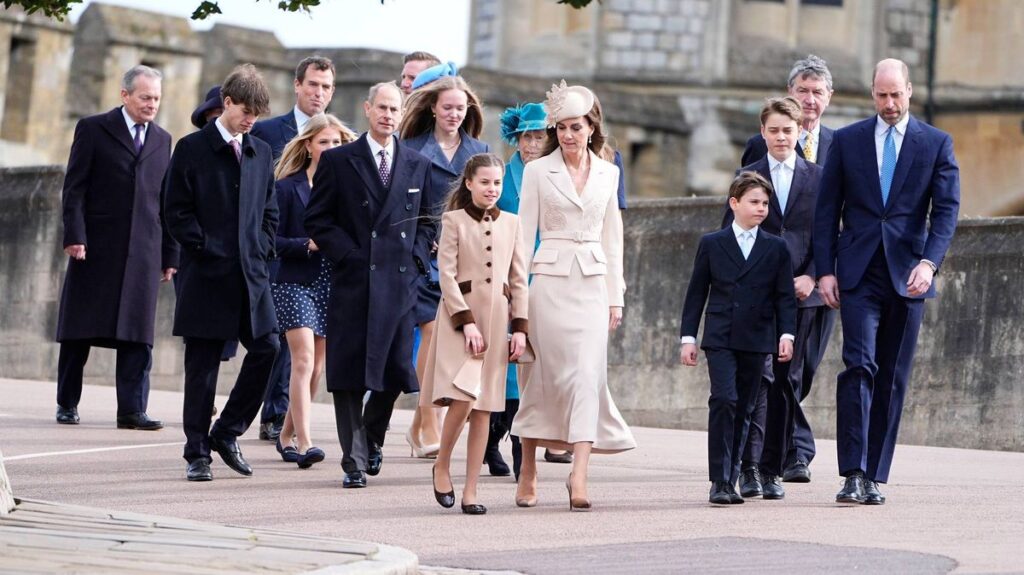
One Royal was notably absent from the annual Easter Matins service at Windsor Castle, believed to be ‘under the weather’
Carrington Walker, Jennifer Newton Deputy Royal Editor and Ellie Fry Assistant Head of Features (Audience)
13:30, 06 Apr 2026Updated 13:30, 06 Apr 2026
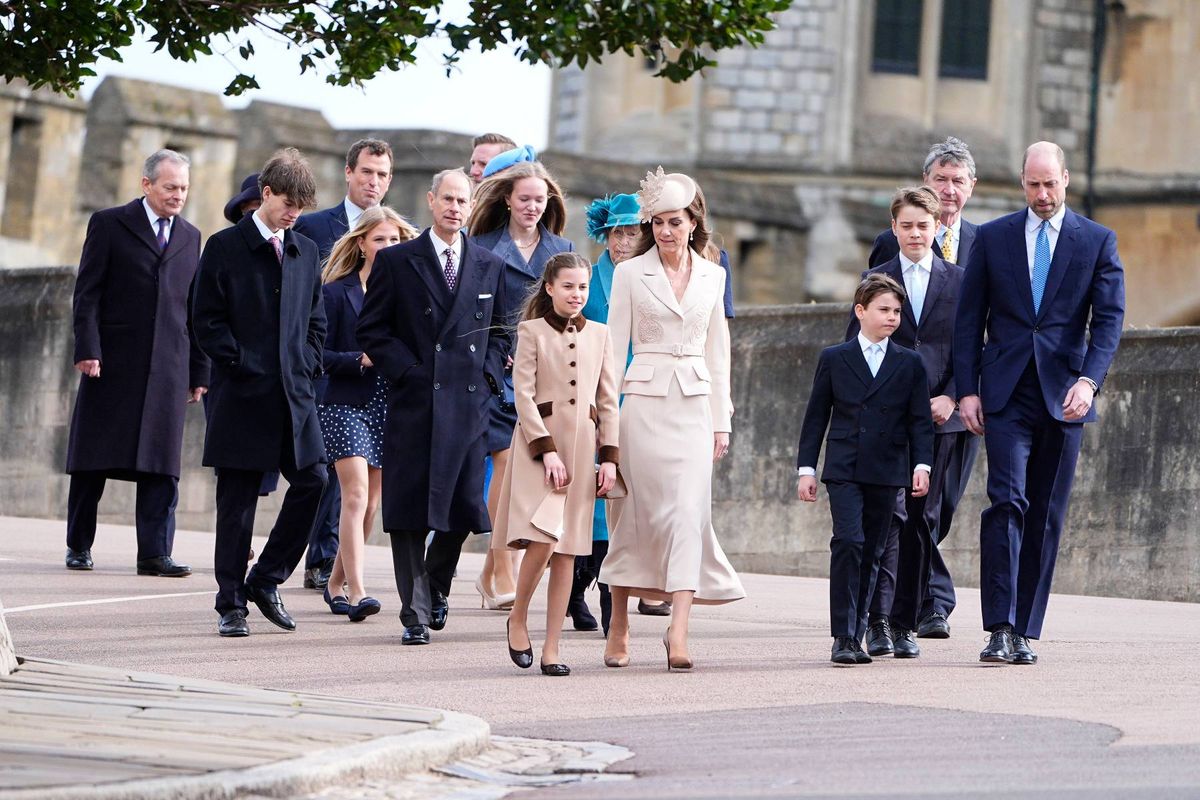
The royals walk to church on Easter Sunday(Image: PA)
The royal family turned out in force this Easter weekend – but one notable figure was missing from the proceedings.
Sophie, Duchess of Edinburgh, had been anticipated to join other members of the Firm, including the King, Queen and the Prince and Princess of Wales, for the traditional Easter Matins service at Windsor Castle on Sunday.
However, while her husband Prince Edward attended alongside their son James, the Earl of Wessex, Sophie was conspicuously absent. It’s understood she opted to skip the service as she is feeling ‘under the weather’, reports the Mirror.
Her absence is likely to have been disappointing for Charles, given that Sophie and Edward have become increasingly vital in supporting the monarchy amidst the dwindling number of working royals.
The Royal Family also continues to wrestle with the Andrew Mountbatten Windsor situation, as he’s reportedly “digging his heels” regarding his permanent relocation to Marsh Farm at Sandringham.
The disgraced former prince has been residing at Marsh Farm, another of Charles’ private properties on the estate, following his removal from Royal Lodge – his sprawling 30-room Windsor mansion.
His younger sibling, Prince Edward, became the “first and only” Windsor to visit Andrew in Sandringham this weekend, for a “quiet word” about expediting his relocation.
Edward and Sophie typically use Wood Farm as their Easter retreat, but this year they were forced to pay for alternative holiday accommodation because the ex duke “refused to budge” from his temporary dwelling. “He is just going back and forth between Wood Farm and Marsh Farm. It’s got to be sorted as Edward and Sophie like to use Wood Farm.”
The pair have become increasingly important in carrying out royal duties on behalf of the family, with royal commentator Jennie Bond suggesting to the Mirror that the Duke and Duchess of Edinburgh could prove crucial to the monarchy’s future following Andrew’s downfall.
She explained last month: “With the depletion of the working royals, Edward and Sophie have become ever more important in supporting the monarchy. And I’m sure they will continue to have key roles when William becomes King.
“Sophie, in particular, has a girl-next-door charm about her that she has never lost, even though she is now a very senior member of the royal family. She is immensely relatable, with no airs or graces, and she has a close and very relaxed relationship with her nephew, William.
“I’m sure that Edward and Sophie discuss everything and provide valuable support to one another in this crisis”, Jennie added. “As the two youngest sons of the late Queen – both of them a decade or more younger than their siblings – Edward and Andrew probably have the closest bond.
“So it has no doubt been hard for Edward to witness his brother’s disgrace. But his first and overriding loyalty is to his wife, who is such a tireless campaigner for women who have been sexually abused, particularly in the war zones of the world. How utterly depressing it must be for Sophie to learn about the long-standing and close friendship between her brother-in-law and a convicted paedophile.”
Last month, Edward became the first senior royal to face questions about his brother following the publication of millions of documents in the Epstein files. During a visit to Dubai in February, he described it as “really important” to Epstein’s victims.
Jennie went on to say: “I have no doubt that Edward was absolutely sincere when he said that it was really important always to remember the victims, especially as he has watched and admired his wife’s work campaigning for many years against sexual violence.
“And of course, he’s right. At least he spoke up – and that’s what we need from the family instead of the old, outdated strategy of ‘never complain, never explain’.”