
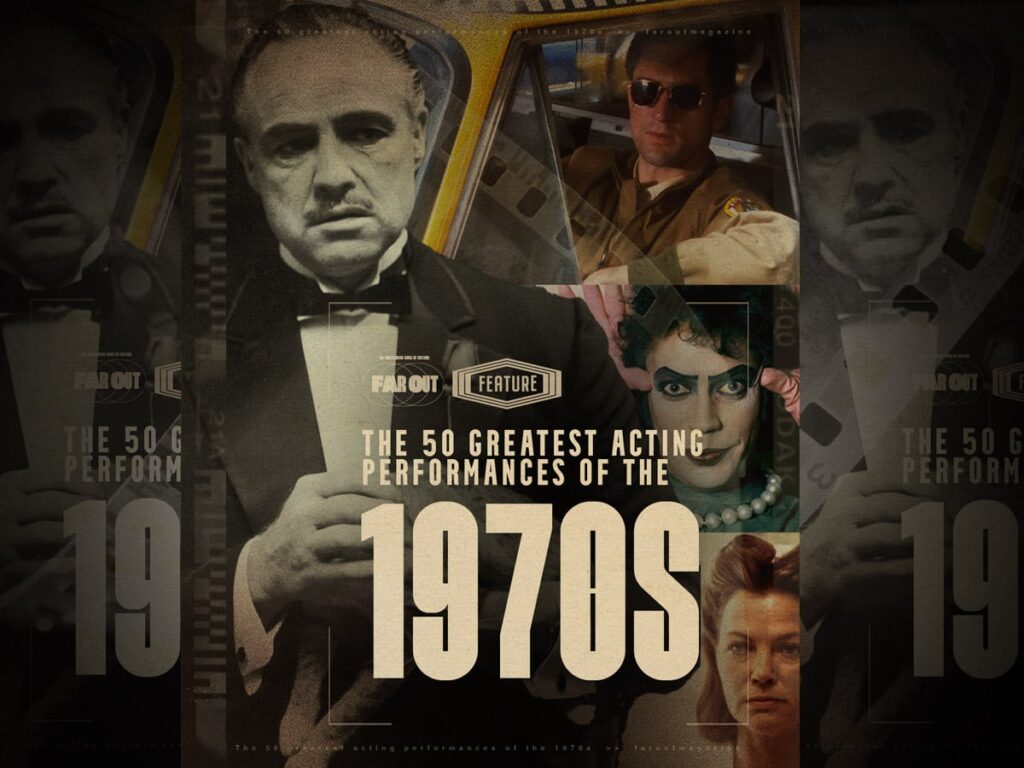
John Belushi – ‘Animal House’ (1978)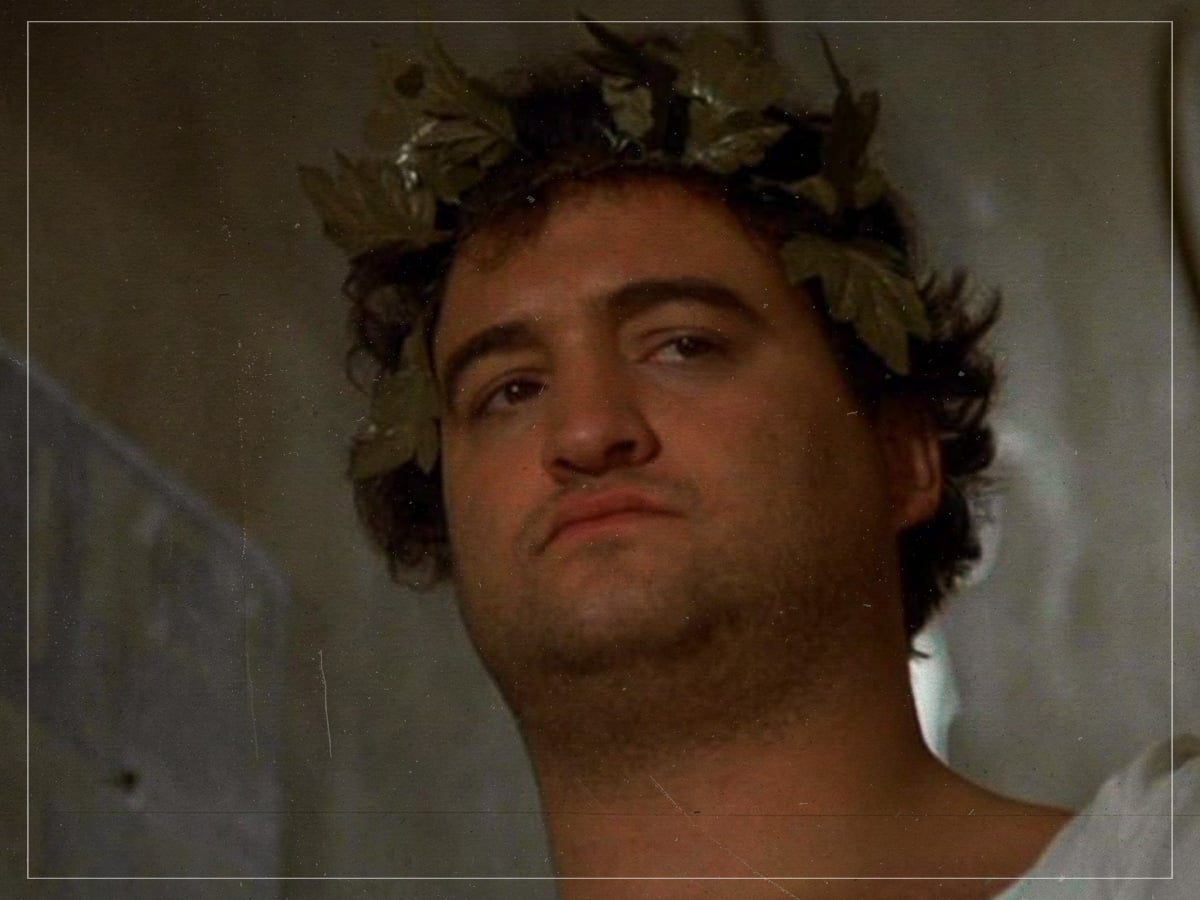
John Belushi was the first major breakout star of Saturday Night Live, and lived life to the fullest up until his tragic early death. There wasn’t a single National Lampoon production that went off without some sort of chaos on set, but Belushi worked within the zaniness of John Landis’ direction to give a totally original performance in Animal House, one of the most defining R-rated comedies of all time.
As was the case with SNL, Belushi’s subsequent film roles struggled to contain his combustible energy. Yet, he was never better cast than as a party-going, raucous college student whose loyalty to his fraternity inspires an odd form of leadership, and thanks to a clever fourth-wall-breaking joke, he was able to clue in the audience to what the tone of the film was, allowing them to guffaw at some of the raunchier jokes.
Malcolm McDowell – ‘A Clockwork Orange’ (1971)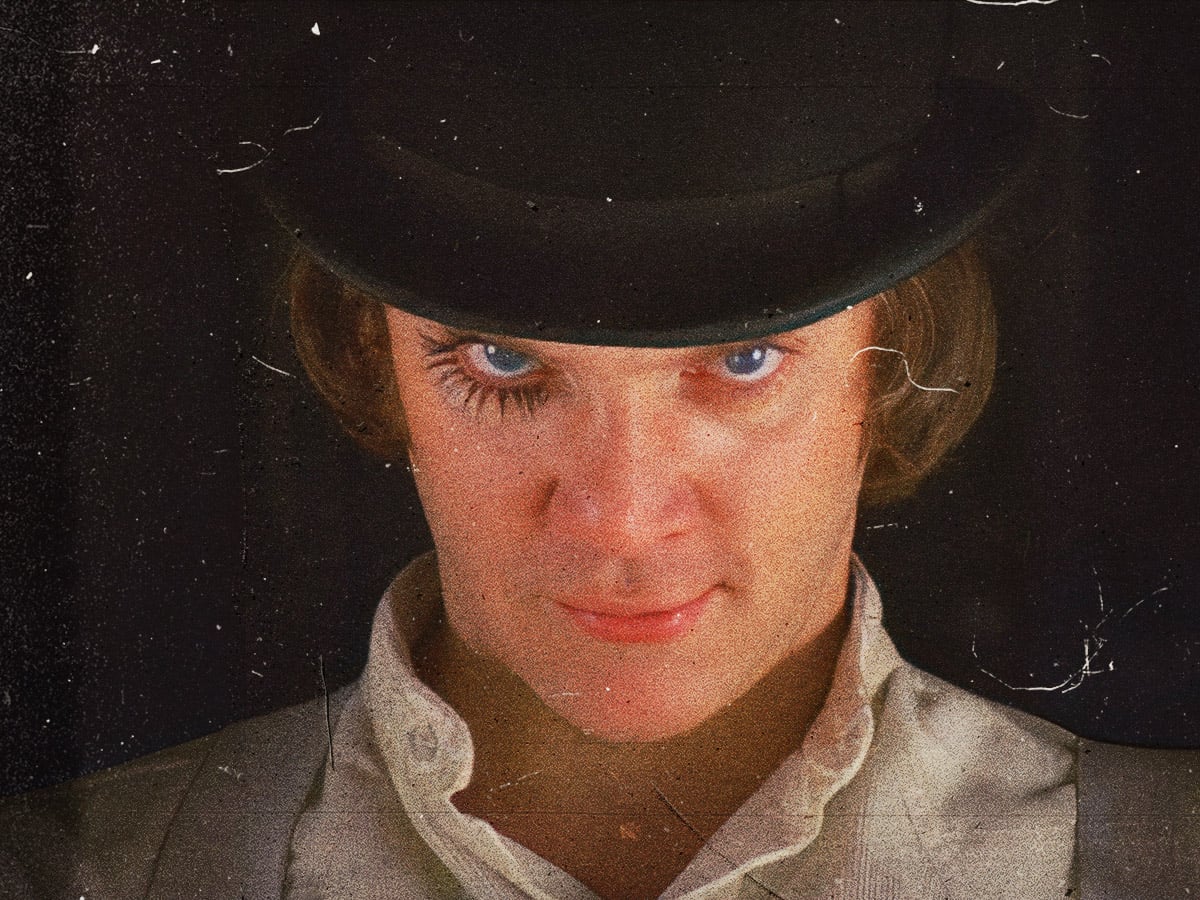
Malcolm McDowell was brilliantly cast by Stanley Kubrick to play the role of Alex in A Clockwork Orange, one of the most controversial films of the decade. Although there had been cinematic anti-heroes before, such as John Wayne’s Ethan Edwards in The Searchers, there had never been such a repellent, despicable protagonist like Alex, especially not in a film from a studio like Warner Bros.
McDowell was able to merge the yearning, confused energy of early James Dean or Marlon Brando roles with a style of psychopathy that was genuinely disturbing. But Alex is also a victim in the film, and McDowell added a touch of anguish to demonstrate that this severely troubled young man was in desperate need of therapy, not a state-mandated infliction of pain that could only torment him based on the few things that he enjoyed in life.
Marilyn Burns – ‘The Texas Chain Saw Massacre’ (1973)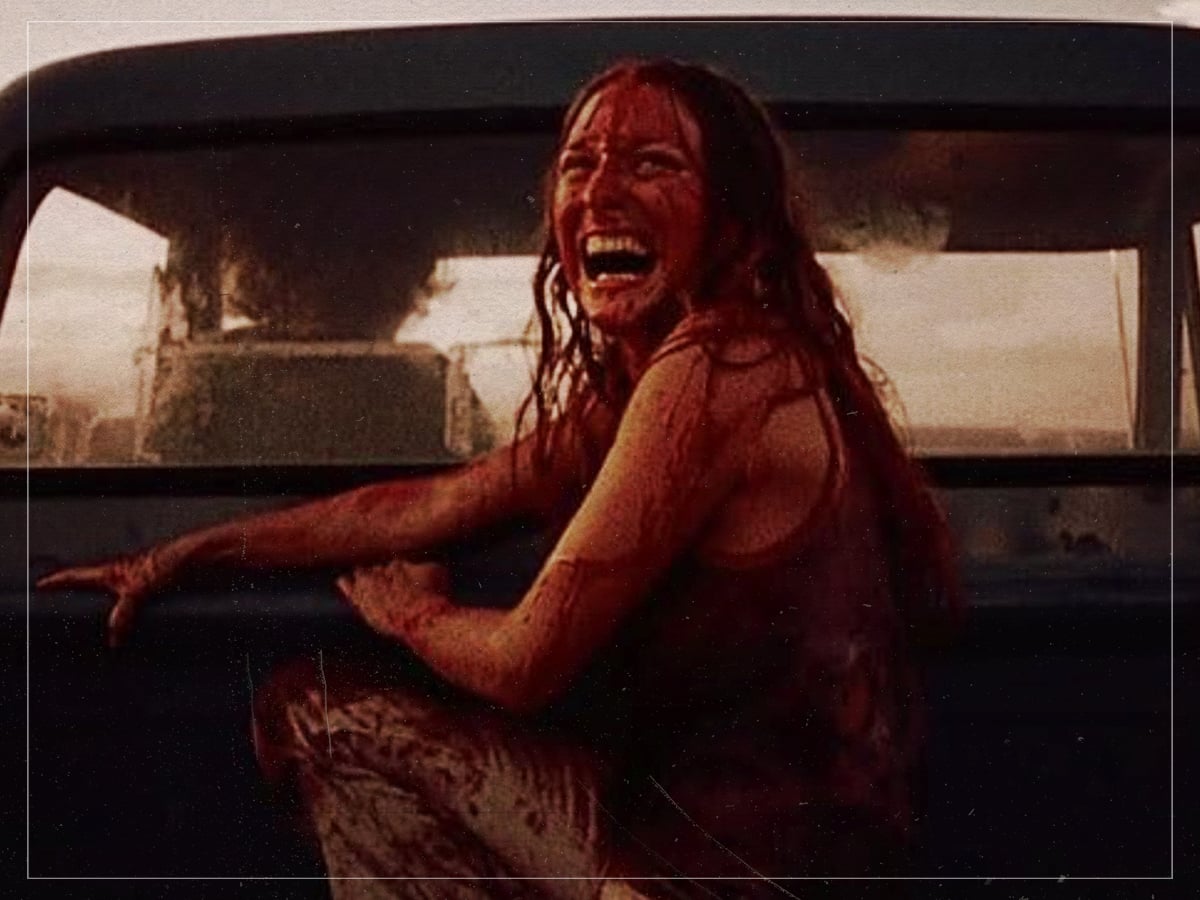
The Texas Chain Saw Massacre was essentially the first slasher film, and helped to invent the trope of the final girl, which would be adopted by every horror classic from Halloween and A Nightmare on Elm Street to Scream and Suspiria. Tobe Hooper’s monumental masterpiece felt different from the monster films of the past because its characters felt real, particularly Marilyn Burns in the role of Sally.
There was no sensationalism in The Texas Chain Saw Massacre, as Hooper did not cast an A-lister to play the heroic female lead, and instead, he found an unknown who could conceivably be a humbler Texas girl unexpectedly thrown into a nightmarish situation. Burns’ ability to conjure a face of pure terror is what helped spread the myth that The Texas Chain Saw Massacre was based on a true story, and it was her conviction that led to a greater presence of feminism within the horror genre.
Robert Mitchum – ‘The Friends of Eddie Coyle’ (1973)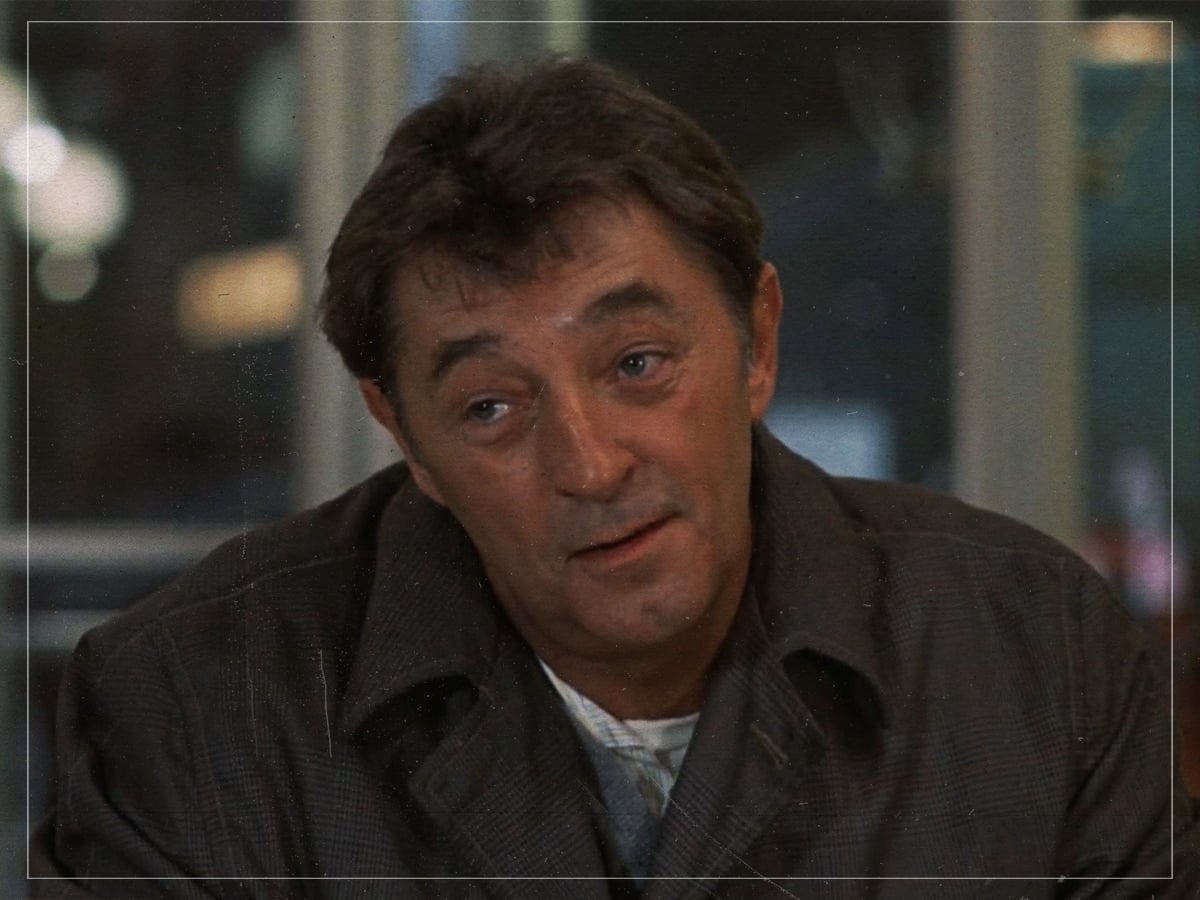
Robert Mitchum was named as an all-time favourite actor by legendary film critic Roger Ebert because of the mystery that made him “the soul of film noir”. Mitchum found himself in many of the greatest crime thrillers of their time, but no role better personified the haunted loneliness that he embodied than the brilliant heist drama The Friends of Eddie Coyle.
Mitchum plays what may be one of the darkest and most hopeless characters in film history, Eddie, who is an Irish gunrunner who turns in his fellow criminals in order to avoid jail time, but has never had someone that he could personally call a ‘friend’. The actor highlights parts of Eddie’s background without ever having to verbalise them, creating a film of unspoken tragedy, meditative meandering, and double-edged confrontations; it’s simultaneously a character who is both cool and pathetic.
Robert Duvall – ‘Apocalypse Now’ (1979)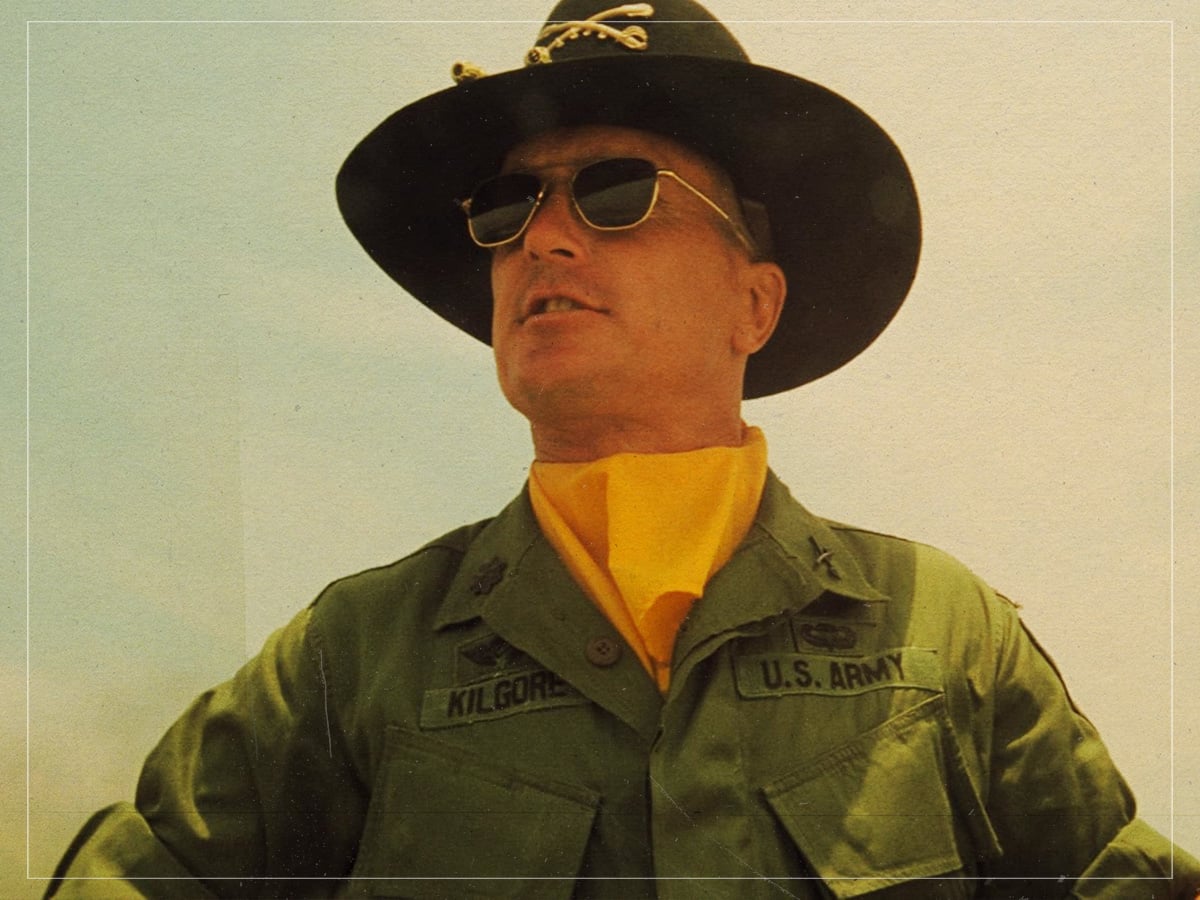
Robert Duvall had a strong relationship with Francis Ford Coppola after he was cast as Tom Hagen in The Godfather, but his most memorable role came seven years later when he portrayed Colonel Bill Kilgore in Apocalypse Now. No line reading in Duvall’s entire filmography is more memorable than “I love the smell of napalm in the morning,” as he created a monstrous character who represented the most vehement war mongers who benefited from the Vietnam War.
Duvall researched and studied real military officials in order to perfect his performance, but also added idiosyncrasies, such as Kilgore’s unusual obsession with surfing. It was a totally original role for a completely singular actor, as he managed to give the standout performance in a film that was stacked with amazing turns from Martin Sheen, Marlon Brando, Harrison Ford, and a young Laurence Fishburne in one of his first roles.
Elaine May – ‘A New Leaf’ (1971)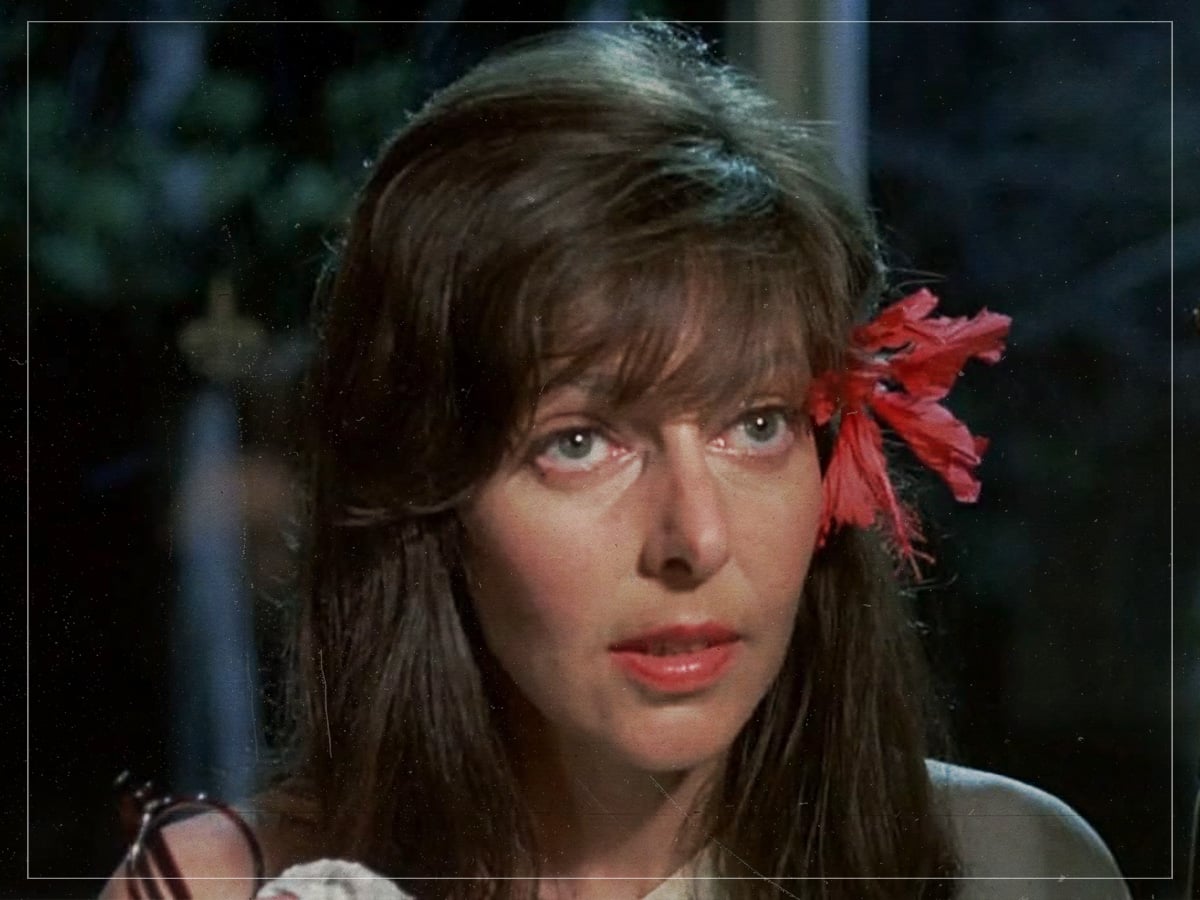
There wasn’t a bigger comedy duo in the 1960s than Elaine May and Mike Nichols, who split up right when they had reached their career apex. Nichols began directing classics, winning ‘Best Director’ for The Graduate, but May had a much harder time getting her features developed, which was, no doubt, due to misogyny. Her directorial debut was also a film that she ended up starring in, as it was at the studio’s insistence that she played the wallflower who attracts the attention of a desperate millionaire played by Walter Matthau.
May knew how to shoot herself better than anyone, and delivered a performance so disarmingly charming that it made the darker aspects of A New Life even thornier. While she would go on to direct more great films, it is a shame that she did not cast herself in them more often.
Barbra Loden – ‘Wanda’ (1970)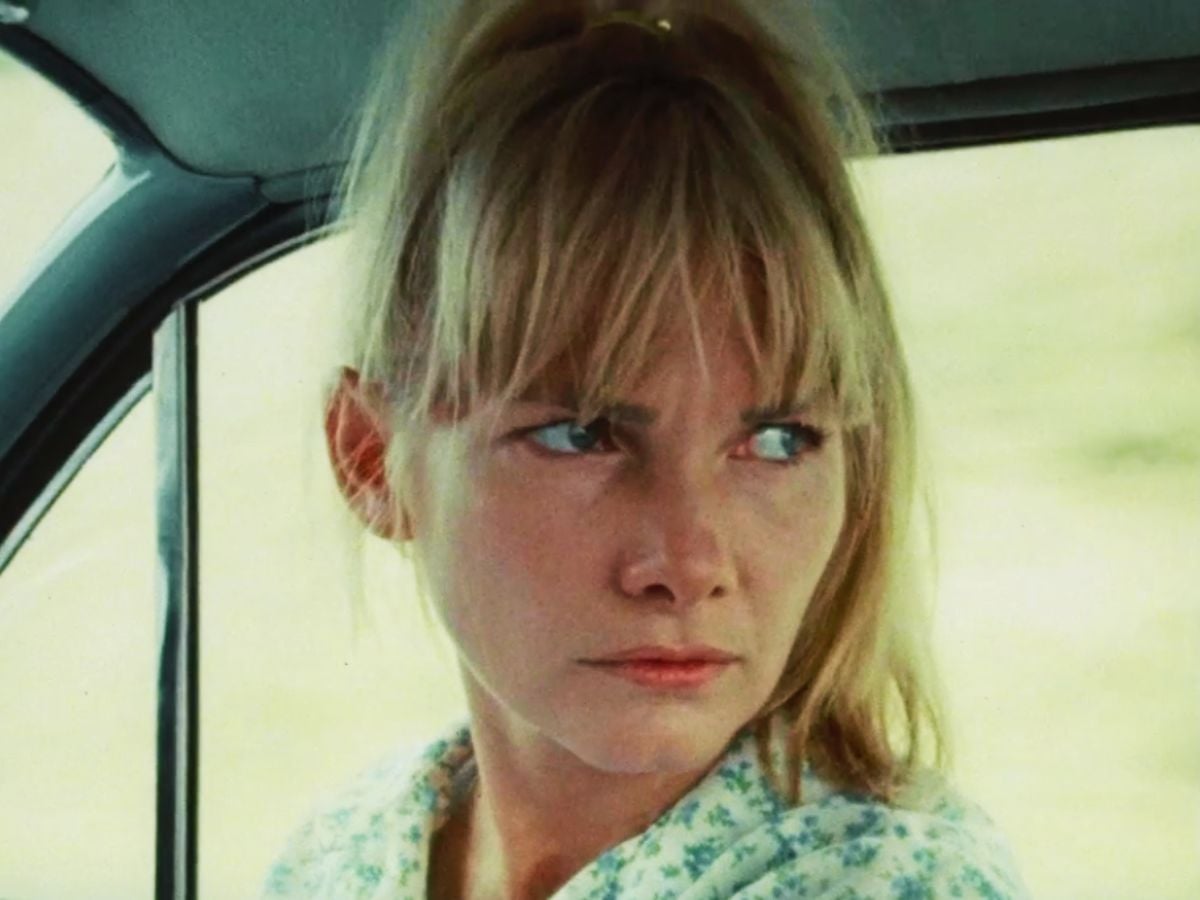
The ‘70s weren’t exactly a great decade for female directors, but Barbra Loden made a splash by directing, writing, and starring in an independent drama about an aimless woman who gets trapped in a heist situation. She may have sadly wound up in ‘director’s jail’ as a result, but Loden’s feminist reading of a familiar subgenre was the perfect antidote to the tropes that had become heavily documented by New Hollywood.
It’s often the case that the notion of a strong female role is conflated with a female character that shows literal or emotional strength, but Loden was a standout for exploring a woman who becomes a passenger in her own life. It was a deep and moving performance that touched on issues of mental health before there was the same language that is used today, and stands out as an extraordinary example of a filmmaker directing themselves.
Ben Gazzara – ‘The Killing of a Chinese Bookie’ (1976)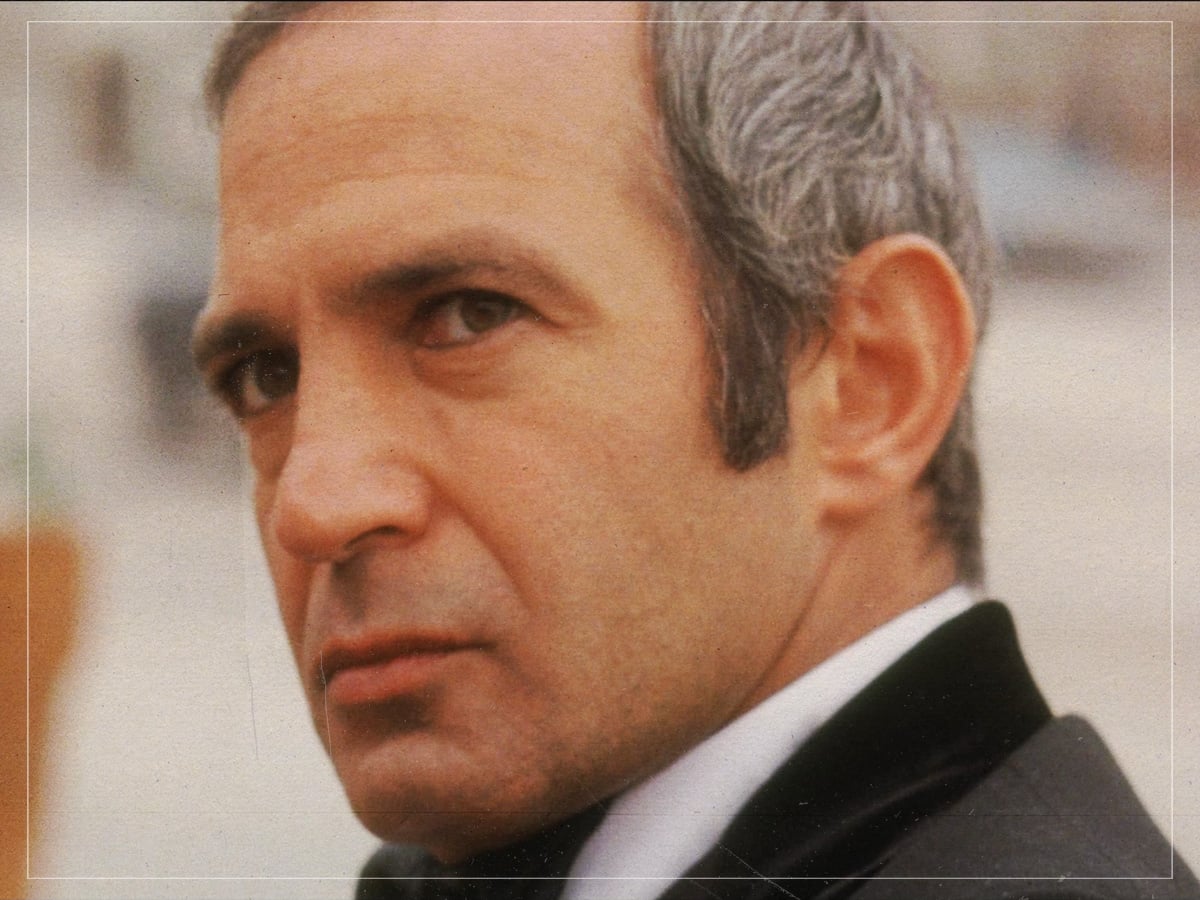
John Cassavetes was a director who tended to make grounded dramas about the human condition, which is why it was so interesting that he made a neo-noir crime thriller about a gruff strip club owner who inadvertently gets mixed up in a botched deal involving gangsters from China.
Ben Gazzara is often thought of as a character actor because he pops best when given the opportunity to play a zany supporting role, but he was the perfect lead for a film as intentionally claustrophobic, uncomfortable, and emotionally scarring as The Killing of a Chinese Bookie. Rarely has a film shown a character’s luck getting worse as a result of escalating danger so well, and Gazzara somehow managed to make the anti-hero of the film the type of car crash that was impossible to look away from.
Laurence Olivier – ‘Marathon Man’ (1976)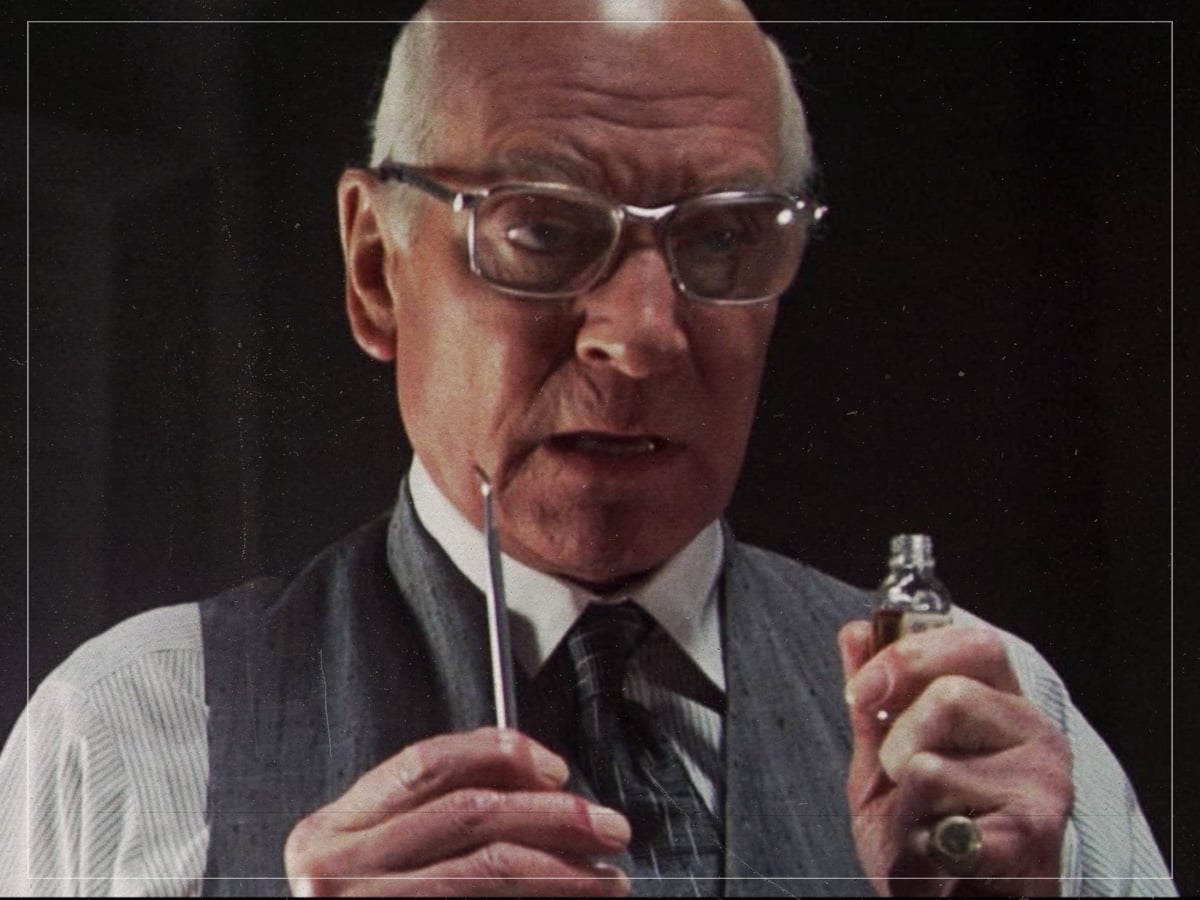
Laurence Olivier was already a legend of the industry by the ‘70s, as his efforts documenting the work of William Shakespeare had landed him innumerable accolades for both the stage and screen. While it seemed odd that the man who had played Hamlet, Richard III, and Heathcliff of Wuthering Heights would be cast as an insidious Nazi agent, it was the professionalism and gravity he brought to Marathon Man that elevated it above other ‘70s political thrillers.
Marathon Man is great entertainment and has an admittedly silly premise, but the stacked list of A-listers involved with bringing it to life somehow turned it into a work of art. Given that the film was released only three years after World War II, when the memories of Hitler’s reign of terror were still present in the mind, Olivier captured the banality of evil in a frightening manner.
James Caan – ‘The Gambler’ (1974)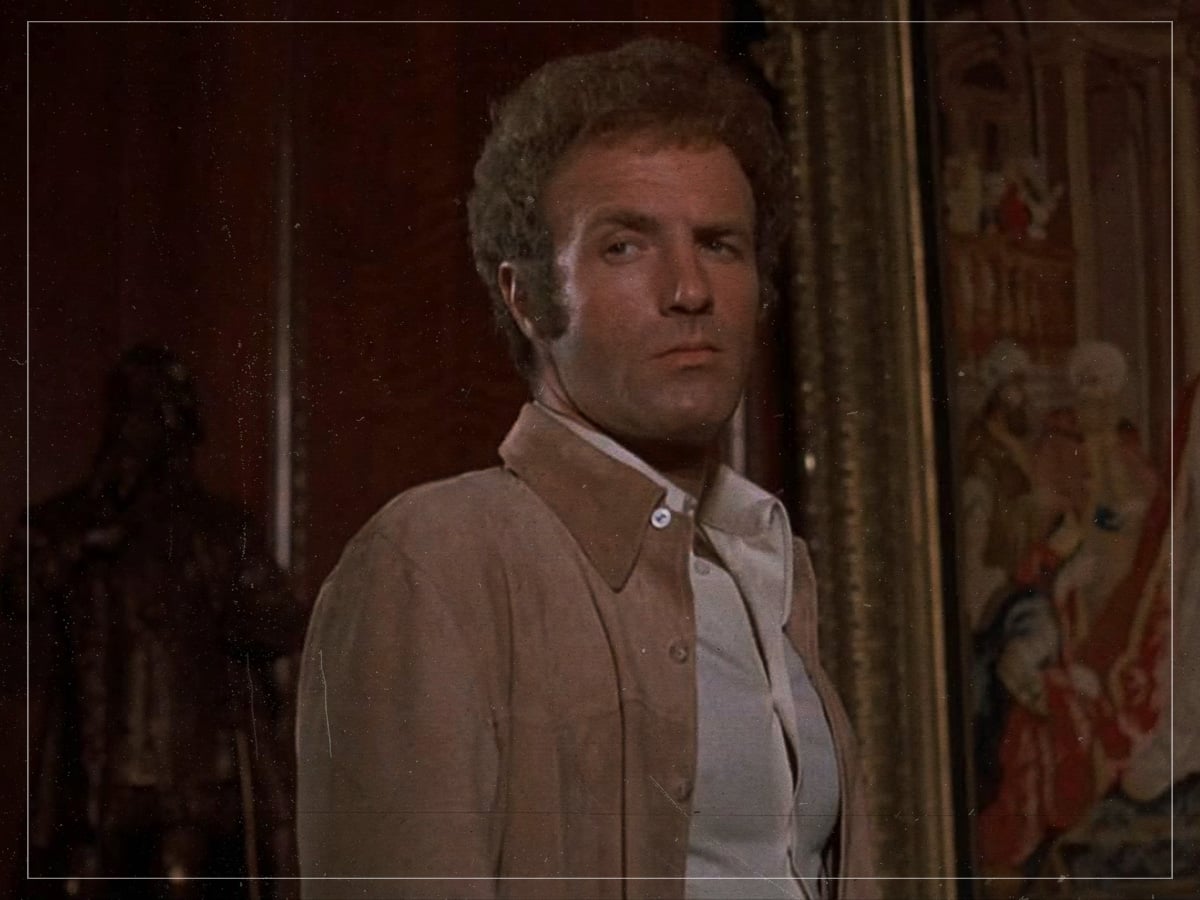
James Caan was famously an actor whose blunt honesty and unflinching determination gave him a tough reputation, but there were few performers better suited for playing self-destructive, explosive characters. He may have become a household name with his role as Sonny Corleone in The Godfather, but The Gambler gave him the opportunity to sink his teeth into a depiction of a duplicitous English professor who gets in over his head gambling.
Rarely has gambling addiction been depicted as well, as Caan epitomised the feelings of a man who was never comfortable if he wasn’t betting it all. It’s not a performance that anyone else could have replicated; the 2014 remake from director Rupert Wyatt, while an entertaining film overall, showed that not even Mark Wahlberg could channel the odd blend of degeneracy and charisma that made Caan’s work so unique.
Olivia Newton-John – ‘Grease’ (1978)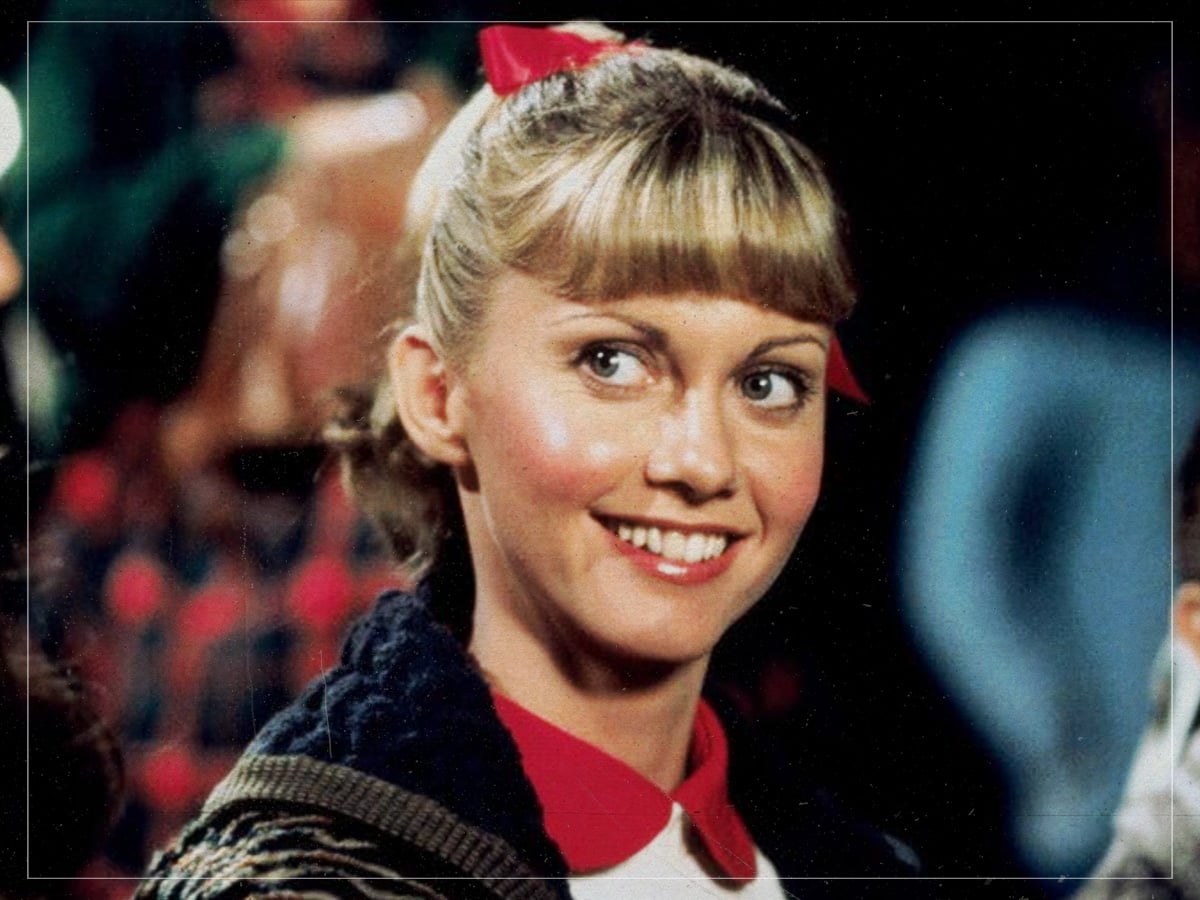
Olivia Newton-John may have single-handedly saved the musical genre with Grease, the nostalgic throwback to ‘50s culture that became a phenomenon with a best-selling soundtrack. John Travolta does have a lot of fun with his role as the greaser Danny Zuko, but Newton-John was tasked with bringing interiority to a character that could have easily felt like a paper-thin stereotype of a hopelessly lovesick high school girl.
The film resonated with an older audience that remembered the explosive energy of the ‘50s, but Newton-John also captured a sense of teenage yearning that resonated with young people of the same age. It has been debated for years whether or not Grease should be considered problematic, but there is no doubt that Newton-John owned the role and her performance, becoming the quintessential component of its ever-lasting legacy as a celebrated musical.
Ali MacGraw – ‘Love Story’ (1970)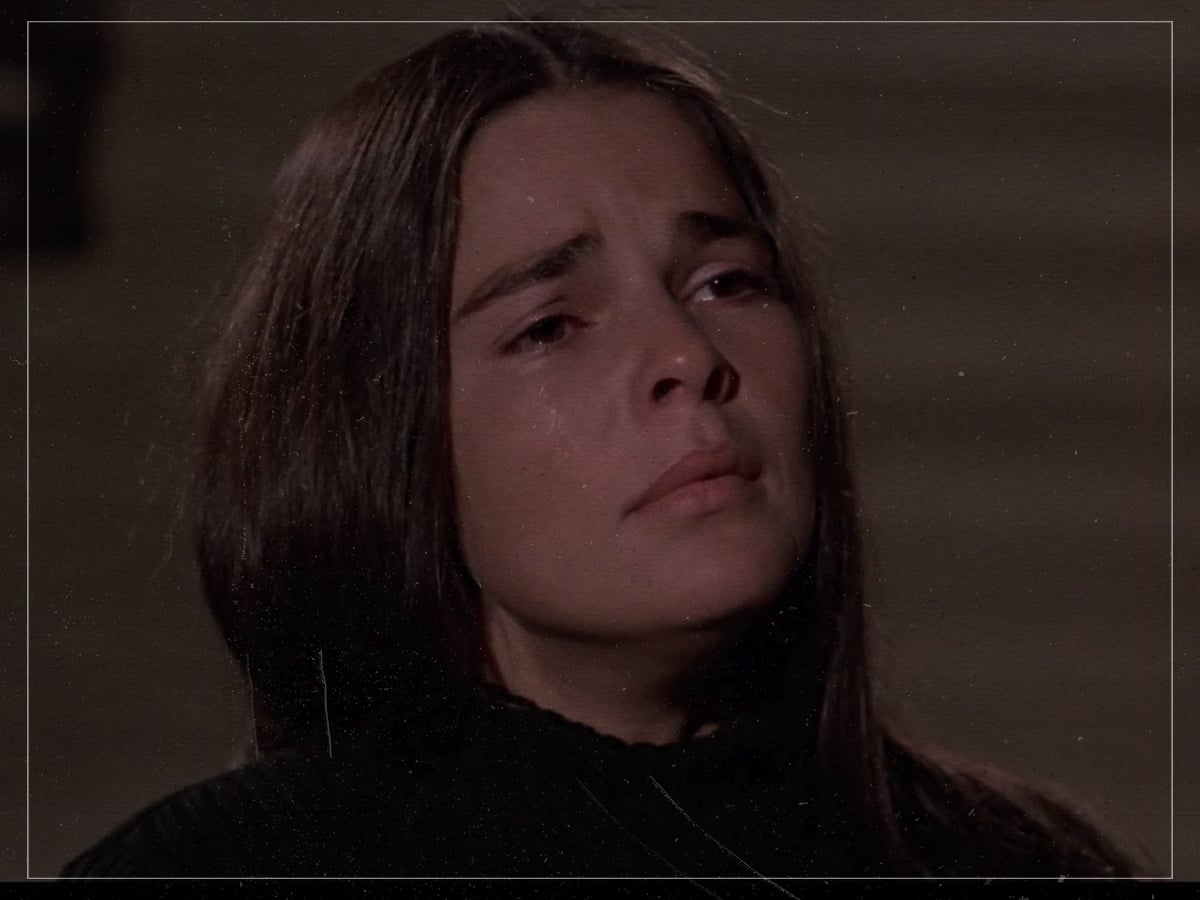
Romance films were never bigger than Love Story, a film that was based on a bestselling novel and became one of the most massive hits of the entire decade, outperforming many of the ‘Best Picture’ winners and other accepted classics. “Love means never having to say you’re sorry” may be a quote that has taken on a different reputation in today’s context, but it was undeniably a widely-circulated phrase as a result of how charming Ali McGraw’s performance was.
Ryan O’Neal has always been a limited actor, but he’s well-suited to play a stodgy, wealthy college student who falls in love with an exciting young woman who opens him up to an entire new world. McGraw overcomes any of the soapier qualities of the film with a sense of both urgency and earnestness, resulting in one of the most tear-inducing endings in cinematic history.
Richard Dreyfuss – ‘The Goodbye Girl’ (1977)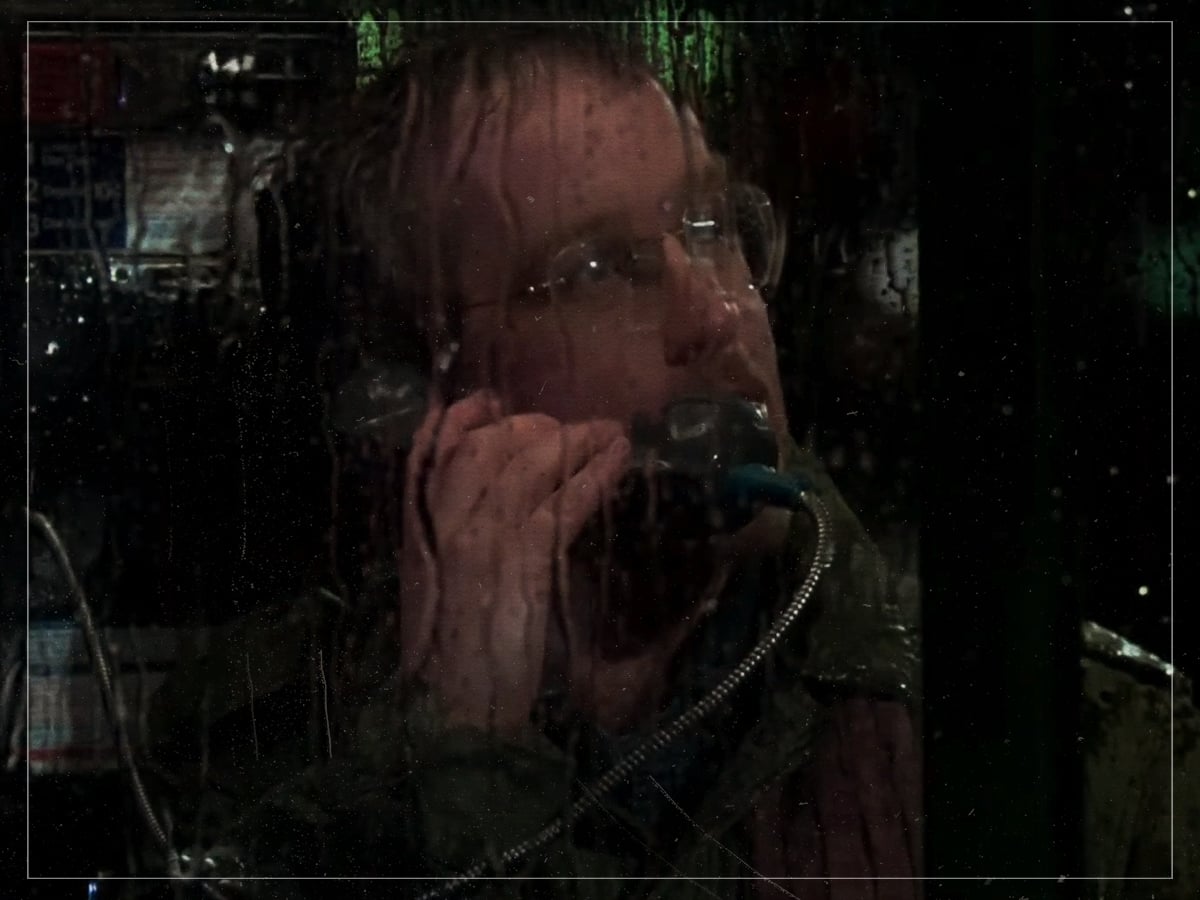
Richard Dreyfuss became the youngest person to ever win the Academy Award for ‘Best Actor’ with his performance as a struggling actor who ends up moving in with his neighbour and her young daughter. It’s not the type of role that would be traditionally awarded, and certainly not for such a young performer, but Dreyfuss found something honest, truthful, and captivating in the character that was simply undeniable.
His best roles tend to be those in which he can be neurotic and slightly aggressive, and there is certainly a component of unyielding ambition within his performance in The Goodbye Girl; however, it was also an opportunity for him to show genuine sweetness, a quality that made the film a classic feel-good favourite. Remarkably, it was released the same year as one of Dreyfuss’ other best films, Close Encounters of the Third Kind.
Sissy Spacek – ‘Carrie’ (1976)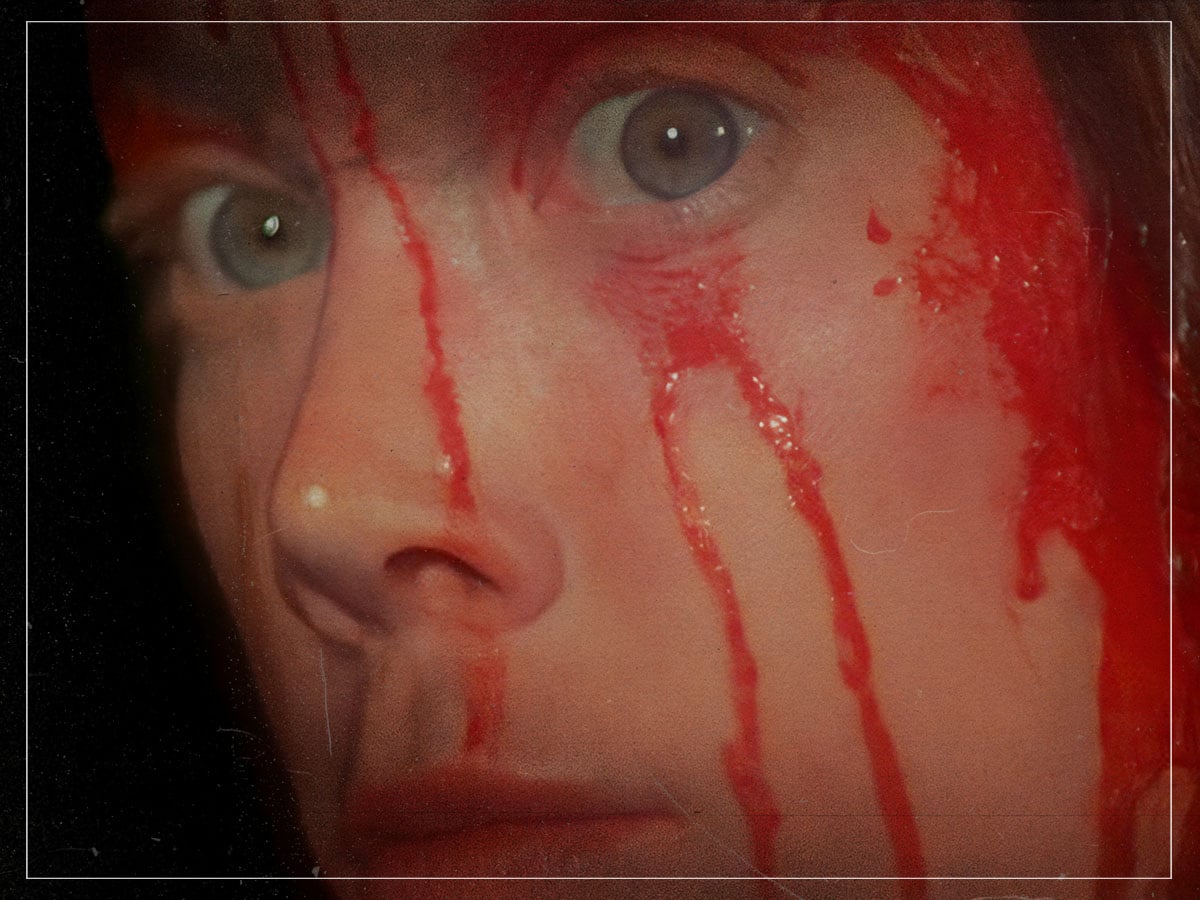
Sissy Spacek landed a role that ended up kickstarting a massive trend that continues to this day, as Carrie was the first film ever based on a Stephen King novel. As with any great King story, this one offered a familiar emotional context to an upsetting supernatural high-concept premise; the notion of a sheltered teenage girl was immensely relatable, making her development of terrifying superpowers even more effective.
Cinema hadn’t wrestled with bullying and the psychological effects it has on young people before Carrie, which stands out when compared to the more simplistic portrayals of high school culture in the next decade. The film is as much a Brian De Palma project as it is a King adaptation, and the terrifying final sequence is a bloody, shocking spectacle because Spacek conjured a performance that was intensely emphatic and hauntingly dangerous at the same time.
Jane Fonda – ‘The China Syndrome’ (1979)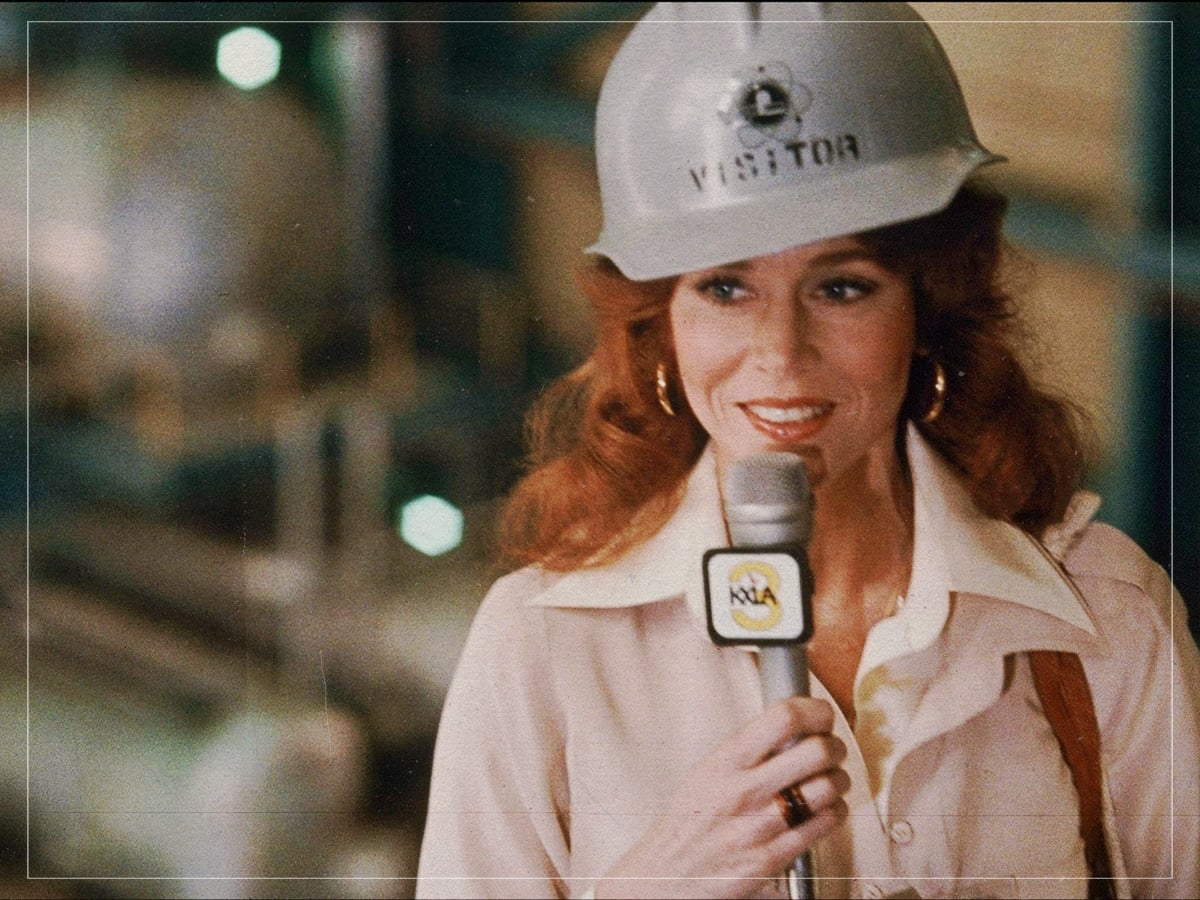
Jane Fonda won two Academy Awards in the 1970s for her performances in Klute and Coming Home, respectively, but her finest work as an actor was in the controversial eco-thriller The China Syndrome, where she starred as a determined reporter who joins her cameraman, played by Michael Douglas, in investigating a nuclear facility that has shown signs of a potential meltdown, much to the distress of its disheveled manager.
Fonda often wove her politics into her choices of what to star in, and The China Syndrome was both a warning about industrialisation and a powerful reminder of the ability that good journalism has to keep the public informed about issues that could impact their future. However, she does not generalise the role as a woman so enamoured with purpose that she has forgotten the human cost, as she adds a sympathetic, caring quality to the role that makes her feel like a real person.
George C Scott – ‘Patton’ (1970)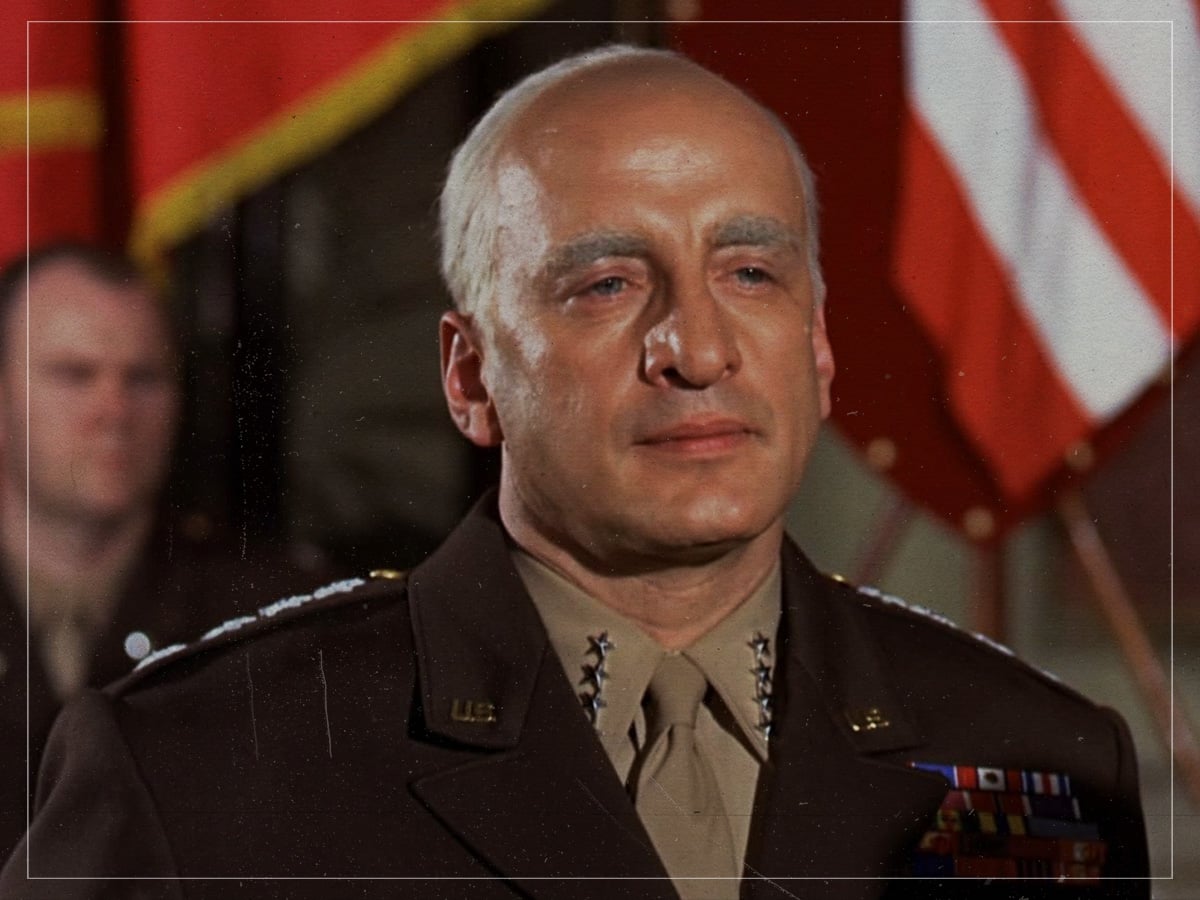
George C Scott infamously refused to accept the Academy Award for ‘Best Actor’ that was given to him for his performance in Patton, claiming that he did not accept being involved in a competition. It was an amusingly honest portrayal of Scott’s blunt demeanour, but the truth is that he possibly didn’t get enough credit for his performance, as the film would have failed if it didn’t have an actor who could capture the complexities and contradictions of one of the most important military leaders in American history.
Scott is simply commanding when rattling off some of Patton’s famous speeches, especially since the dialogue was fine-tuned in an Oscar-winning screenplay by a young Francis Ford Coppola. Falling right in the middle between a traditional ‘great man’ film and a subversive New Hollywood project, Patton allowed the actor to present the man as he was, leaving the audience to make up their own minds about what his legacy should be.
Sean Connery – ‘The Man Who Would Be King’ (1975)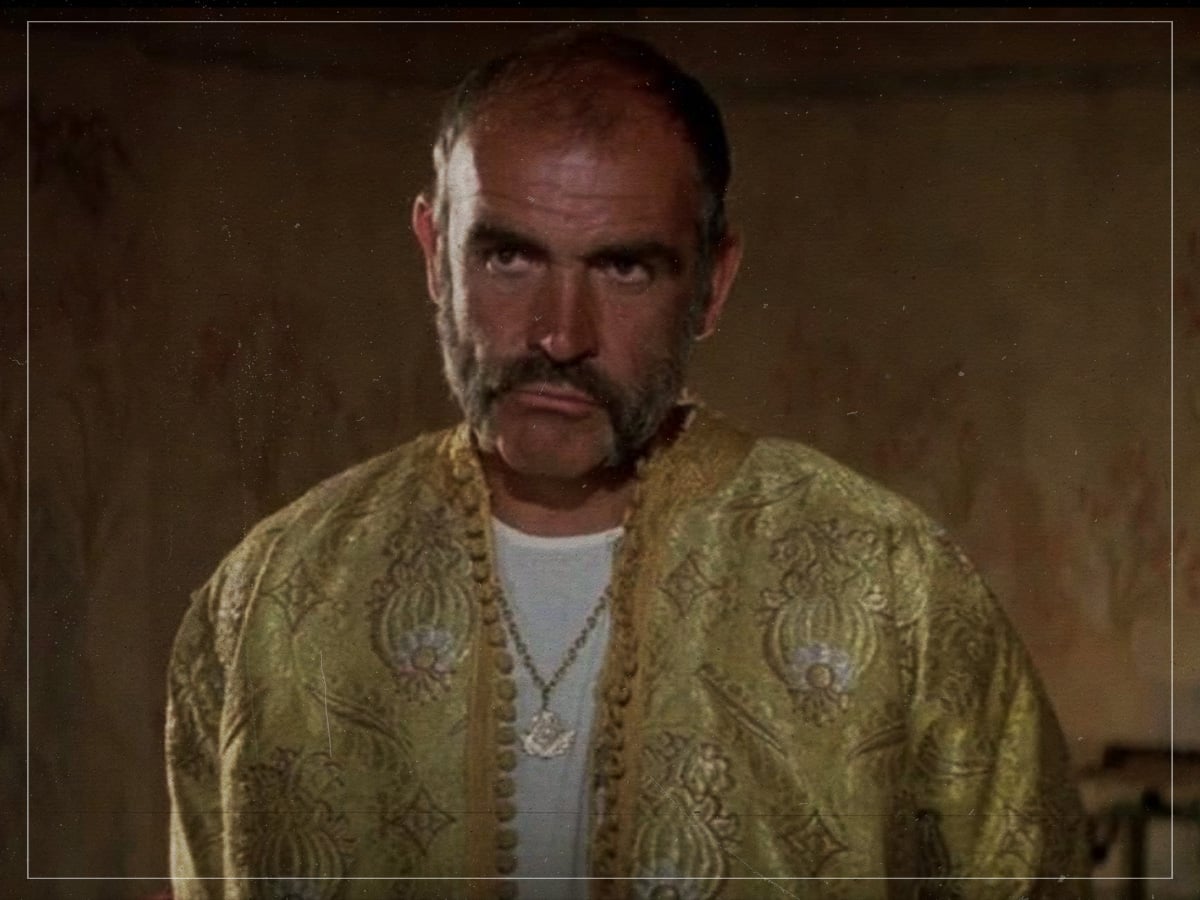
Sean Connery had such a striking presence with his role as James Bond that it was inherently subversive for John Huston to cast him as a rogue, morally dubious adventurer who ends up being mistakenly identified as a figure of nobility. The Man Who Would Be King is an old-fashioned, swashbuckling adventure about a pair of ex-soldiers, played by Connery and Michael Caine, who end up in British-controlled India, where they are accepted and lionised by the local population.
Connery has the energy of an action star, yet also plays a fallible, complex character whose ego is his greatest detriment. It would be an impressive performance, regardless of the context, but that he could create such a strikingly different character only four years after his seemingly final time playing James Bond in Diamonds Are Forever was a testament to his impressive versatility.
Jeff Bridges – ‘The Last Picture Show’ (1971)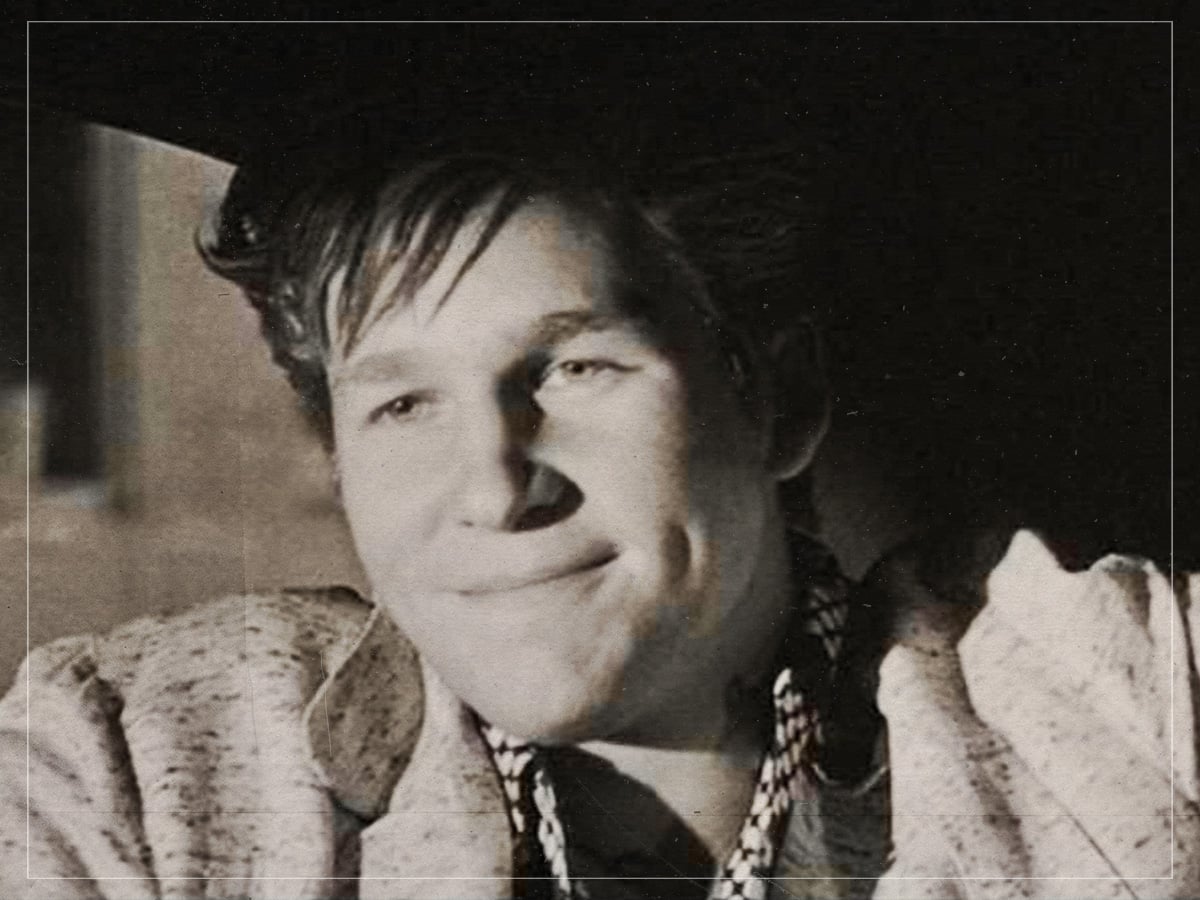
Jeff Bridges has been a movie star for six decades, never failing to find work, and The Last Picture Show is a major reason why. Peter Bogdanovich created an unforgettable portrayal of Texas high school students reflecting on the cultural end of their home town, framed against the closing of a movie theatre. Bridges was remarkable as a smouldering, soulful teenager whose dreams expanded beyond the parameters of his hometown.
The hopeful, innocent persona that he adopted in The Last Picture Show was a breakthrough in the form of acting and has left his co-stars amazed to this day. Bogdanovich had made a film that felt both nostalgic for a non-existent era and representative of the disaffection felt by young people growing up in the ‘70s, and Bridges straddled the line to ensure the film succeeded in both of its goals.
Albert Finney – ‘Murder on the Orient Express’ (1974)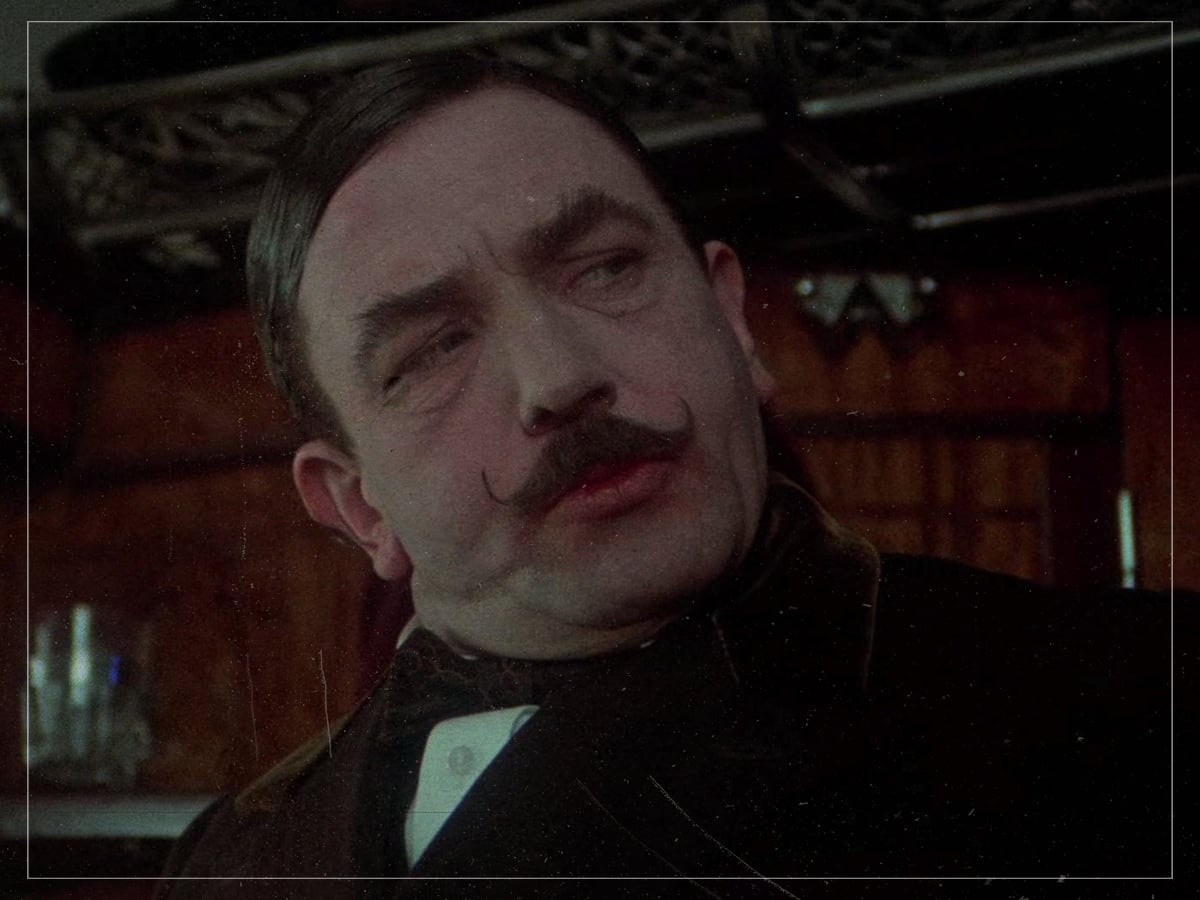
Albert Finney is not the only actor to play the beloved Agatha Christie character Hercule Poirot, but he nailed the role so thoroughly that subsequent portrayals felt superfluous, even when they came from brilliant performers like Peter Ustinov, Kenneth Branagh, and John Malkovich.
Murder on the Orient Express is the essential Poirot mystery because it’s a test of both his intellectual genius and his moral capacity; the French detective faces a case where all participants are guilty, and the crime seems less egregious than the act of savagery that inspired it. Finney embodied the pensive, unknowing nature of Poirot’s depiction in Christie’s novels, yet also made a character who was funny, insightful, and at times quite kind. Despite a stacked cast that included such unique names as Anthony Perkins, Ingrid Bergman, and Lauren Bacall, Finney rightfully was the film’s scene-stealer.
Dennis Hopper – ‘The American Friend’ (1977)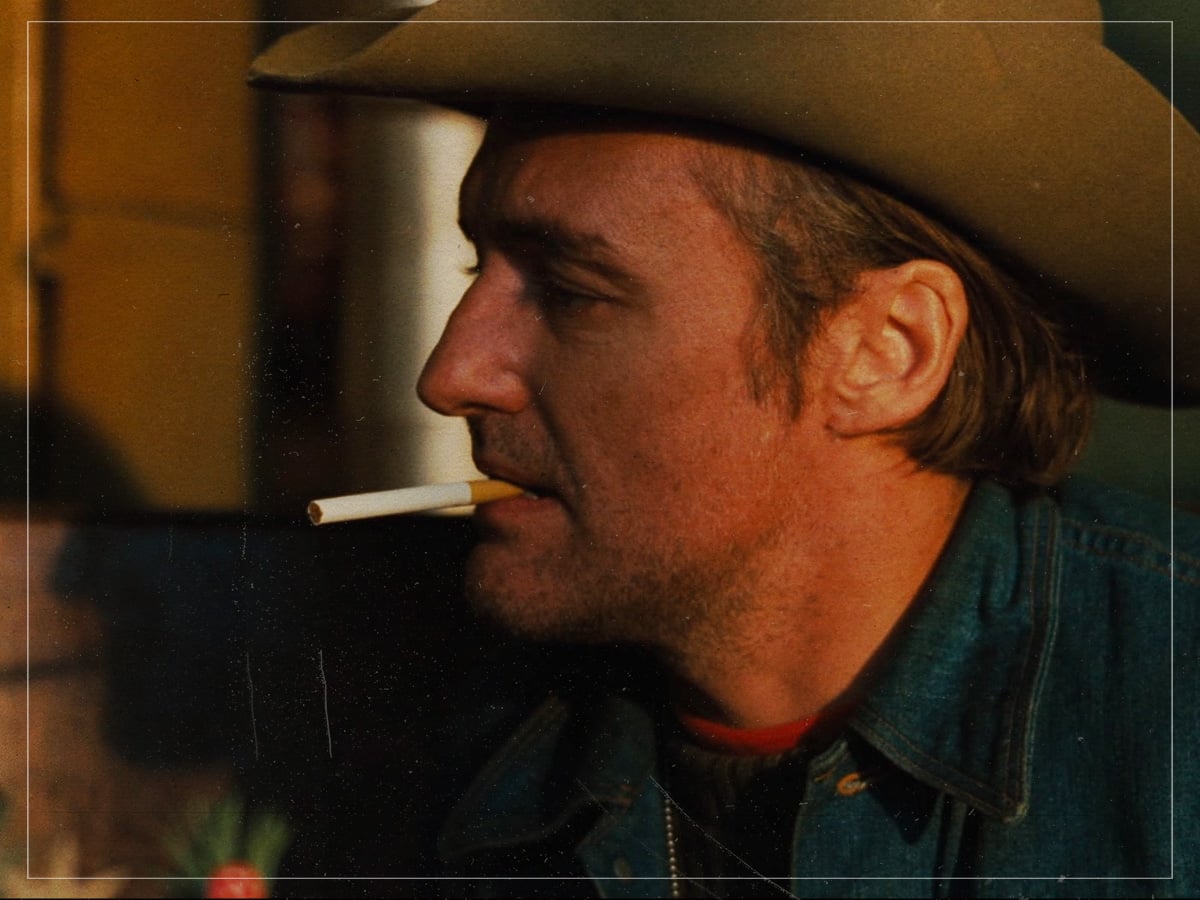
Dennis Hopper was the second actor to portray Patricia Highsmith’s famous anti-hero Tom Ripley after Alain Delon’s breakthrough performance in Purple Noon, but The American Friend was a much different type of neo-noir thriller. While Purple Noon, Anthony Minghella’s The Talent Mr Ripley, and the 2024 Ripley Netflix show were all based on the first novel in Highsmith’s series, The American Friend ignored the origin tale for an even more lurid story about Ripley’s involvement in a German assassination scheme.
Hopper was an eccentric, unusual figure who lived a wild life, but he toned down his idiosyncrasies to play a cold-blooded sociopath who reached for human emotion that he could never quite understand. It not only made for an intentionally disorienting experience, given how sharp Wim Wenders’ direction was, but captured the same ambiguity that had made Highsmith’s novels so beloved.
Delphine Seyrig – ‘Jeanne Dielman, 23, quai du Commerce, 1080 Bruxelles’ (1975)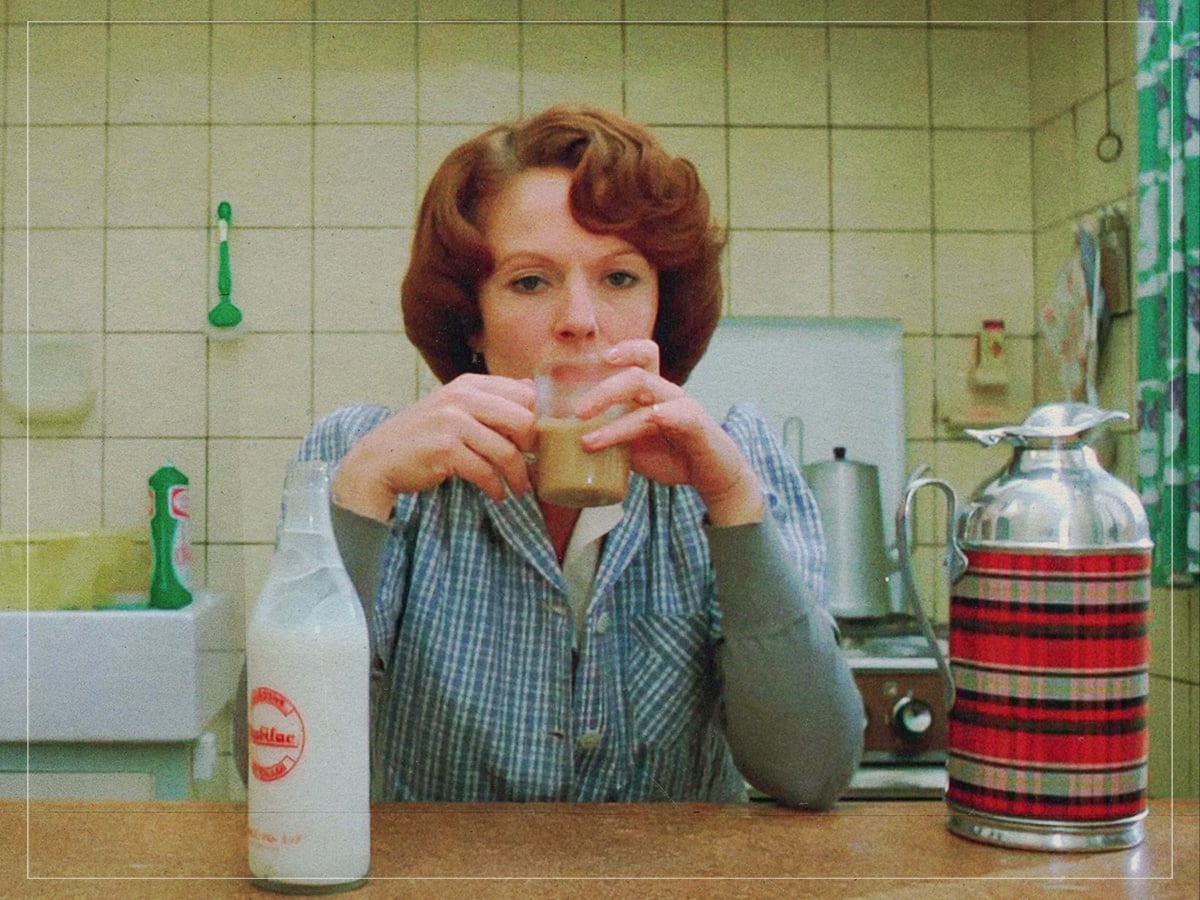
Chantal Akerman won the long game when her baffling masterpiece Jeanne Dielman, 23, quai du Commerce, 1080 Bruxelles resurfaced as a critical favourite decades after it was released to mixed responses, and even topped the most recent Sight & Sound list of the greatest films ever made. Whether it’s actually better than Citizen Kane or Vertigo is dubious, but Jeanne Dielman is unencumbered experimentation that rested on the narrowly focused performance by Delphine Seyrig as the titular character.
A film over three hours long that focuses on the routines of a Belgian housewife during an average day may not sound particularly compelling on paper, and Akerman’s intention was not necessarily to make entertainment. It’s observationalism at its finest, and Seyrig is undoubtedly skilled at doing exactly what was demanded of her without a false note.
Faye Dunaway – ‘Chinatown’ (1974)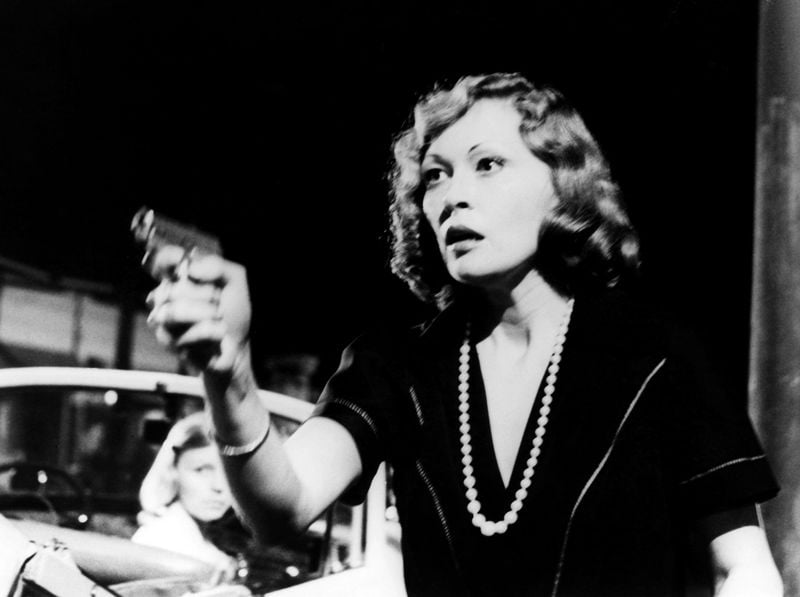
Chinatown was a film that involved many great performances, and infamously resulted in many creative feuds on set, with Faye Dunaway at the centre of some of them, even if the conflict was between screenwriter Robert Towne and director Roman Polanski on how the neo-noir thriller should end. The ending they came up with was one of tragedy, and it’s one that involved Dunaway in the most heartbreaking role of her career.
Chinatown pulls off an incredibly haunting twist in which it’s revealed that the most powerful man in Los Angeles (played by legendary director John Huston) has been abusing his daughter, played by Dunaway, who comes to be pregnant with his child. The horrific scene in which she voices this realisation hints at the deeper, darker place that the film goes when it shows the generational corruption that has inflicted irreparable damage on those that follow in its wake.
Peter Sellers – ‘Being There’ (1979)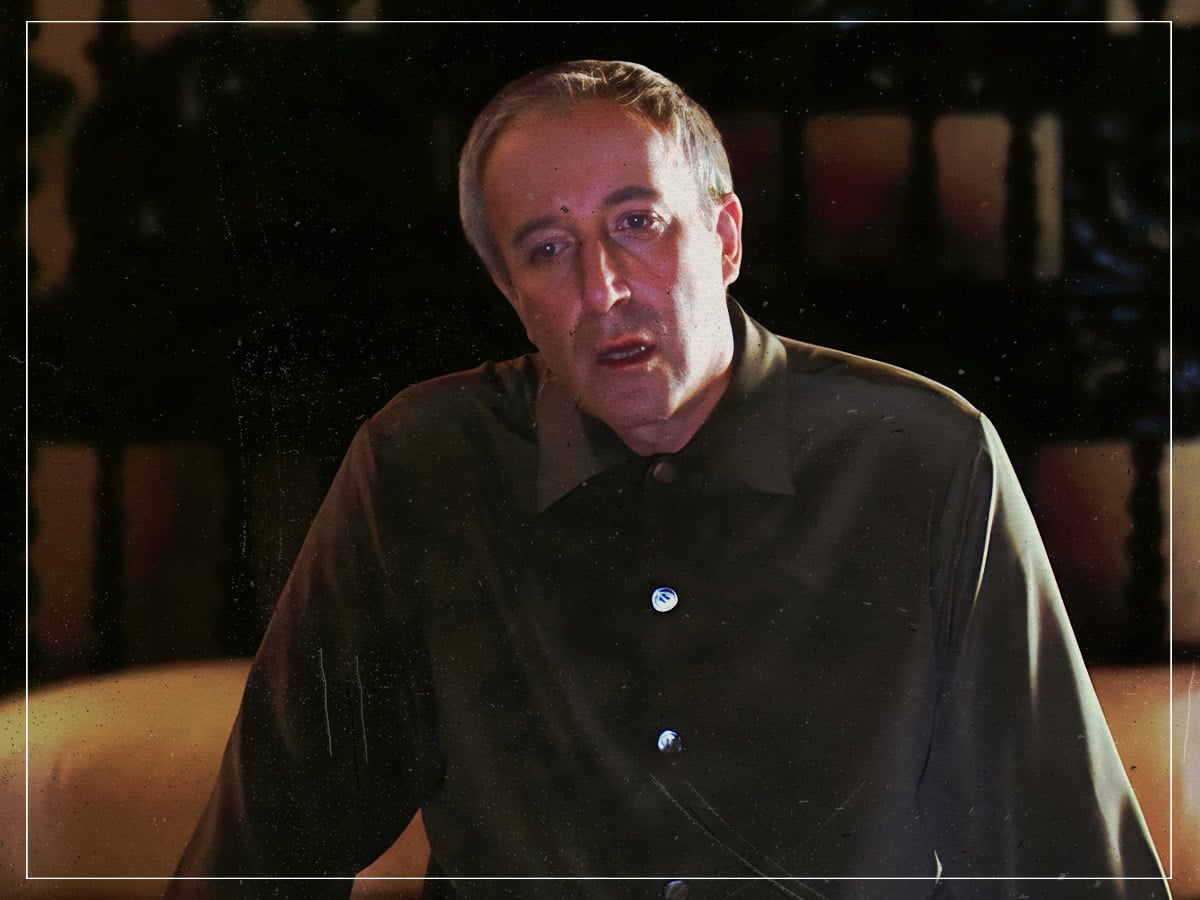
Peter Sellers was considered to be a comedic genius, but his skills were primarily in playing eccentric, over-the-top characters like those of The Pink Panther and its sequel, A Shot in the Dark. He wasn’t necessarily cast against type when Hal Ashby chose him to play a confused, kindly old man who wanders through life in Being There, but the poignancy of seeing Sellers do something so stripped back is part of the reason that film is so powerful.
Being There is a wicked satire of how easy it is to literally wander through life without direction or reason, but it’s also a surprisingly heartfelt tale of kindness. Ashby is a filmmaker who has often attempted to meld the sweet with the scathing, and what Sellers pulled off with his magnificent performance in Being There couldn’t have been handled better by any other actor.
Sylvester Stallone – ‘Rocky’ (1976)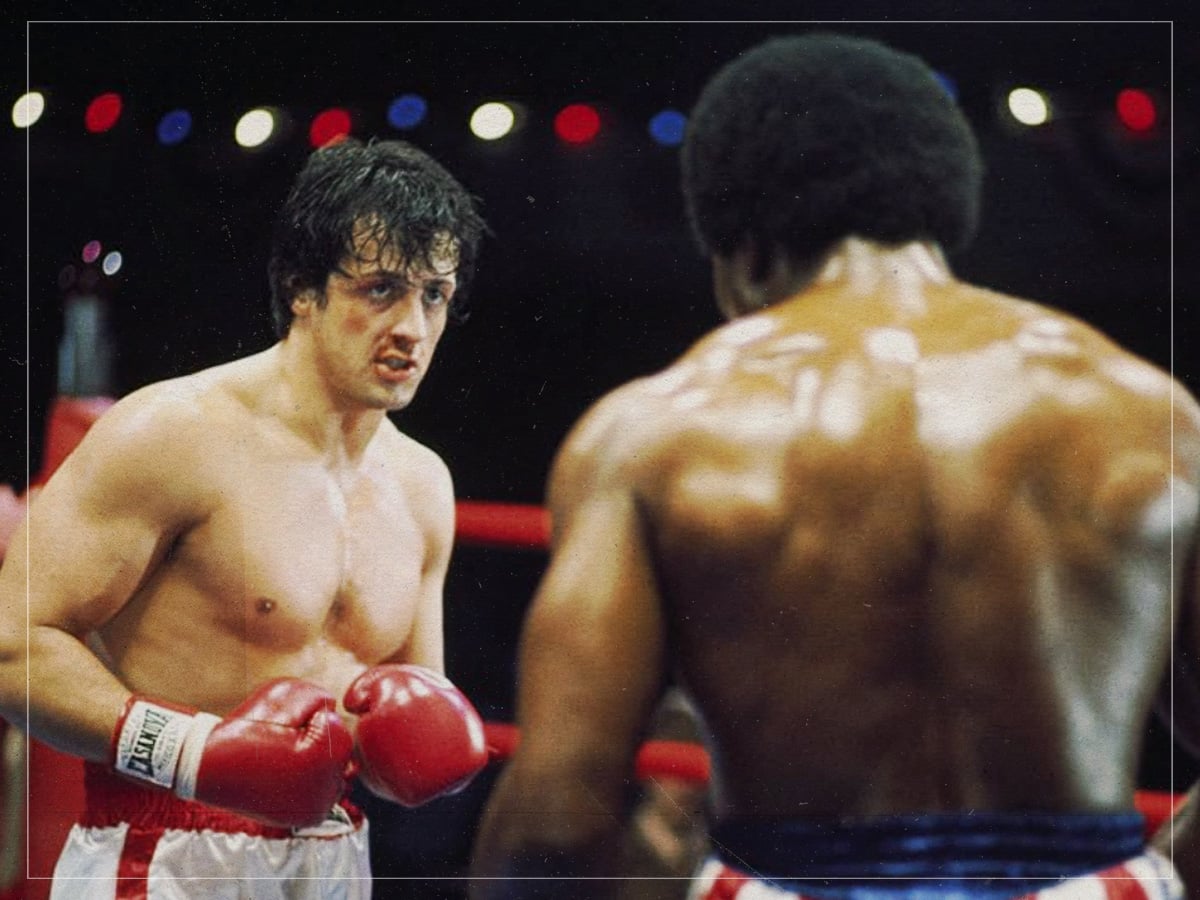
Sylvester Stallone became a movie star through sheer force of will, as he wrote the script for Rocky and refused to sell it to a studio unless he could star in it. Despite facing a nasty childhood and struggles to be taken seriously as an actor, he created a generational icon in Rocky Balboa, a working-class boxer who represented a sense of hope for his Philadelphia fanbase.
Although the sequels would get increasingly silly and over-the-top, the original Rocky is a grounded character drama where Stallone shows the type of selfless vulnerability that would be absent later on in his career. He is by no means an actor who has a lot of range, but he was so aware of his abilities with Rocky that he created the perfect opportunity to maximise his strengths to tell an inspiring, exciting underdog tale.
Charles Grodin – ‘The Heartbreak Kid’ (1972)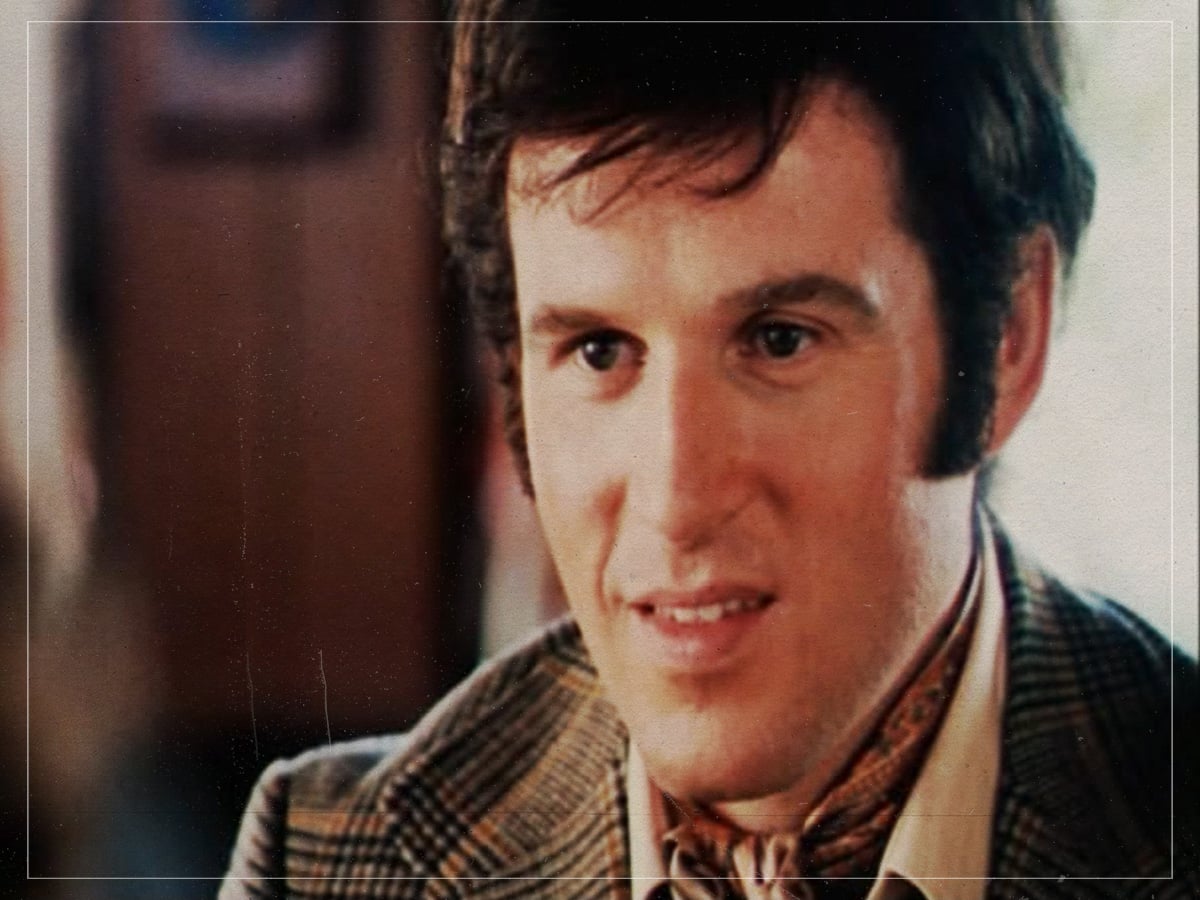
Romantic comedies tend to be seen as heartfelt and heartwarming, but Elaine May decimated the genre with the toxic, hilariously crude dynamics in The Heartbreak Kid. Charles Grodin, one of the funniest actors ever, played a character so narcissistic and self-serving that he falls in love with another woman, Cybil Shepherd’s character, despite being on his honeymoon with his new bride, played by Jeannie Berlin.
Grodin encapsulated his Jewish identity, merging it with a character so hell-bent on acquiring what he didn’t have that he could only ever be humiliated. What’s most remarkable is that, despite playing one of the most unlikable protagonists in cinematic history, Grodin is still compulsively watchable in the role because of his strange, alluring charisma, to the point where a 2007 remake directed by Peter and Bobby Farrelly failed to recapture the magic because Ben Stiller couldn’t live up to the precedent that he set.
Robert Redford – ‘The Candidate’ (1972)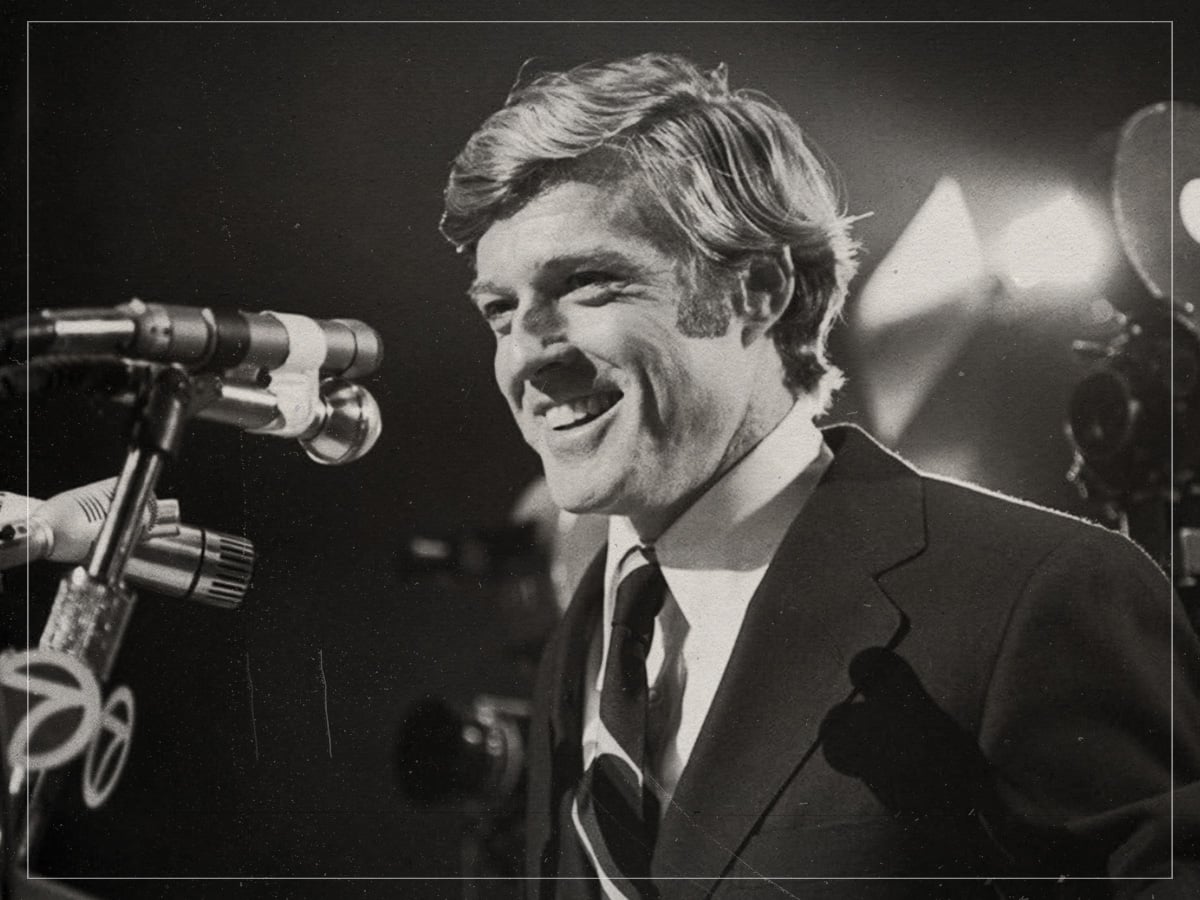
Robert Redford often incorporated his politics into the films he made, and The Candidate is a feat of cutting-edge satire that has aged even better than it had any right to, which sees him play a well-meaning, privileged political candidate in California who is set up to represent the Democratic Party, despite being expected to lose.
His knowledge that he has no shot at winning gives him an opportunity to simply speak his mind, which inadvertently ends up resonating with the voters. Redford’s charisma is weaponised, as the film shows how any handsome, well-spoken figure could gain a following, regardless of what experience or qualifications he had. Although at the time the film was seen as a warning against populism, Redford was able to find sympathy within his character, who is by no fault of his own saddled with responsibilities that he was never prepared for.
Sally Field – ‘Norma Rae’ (1979)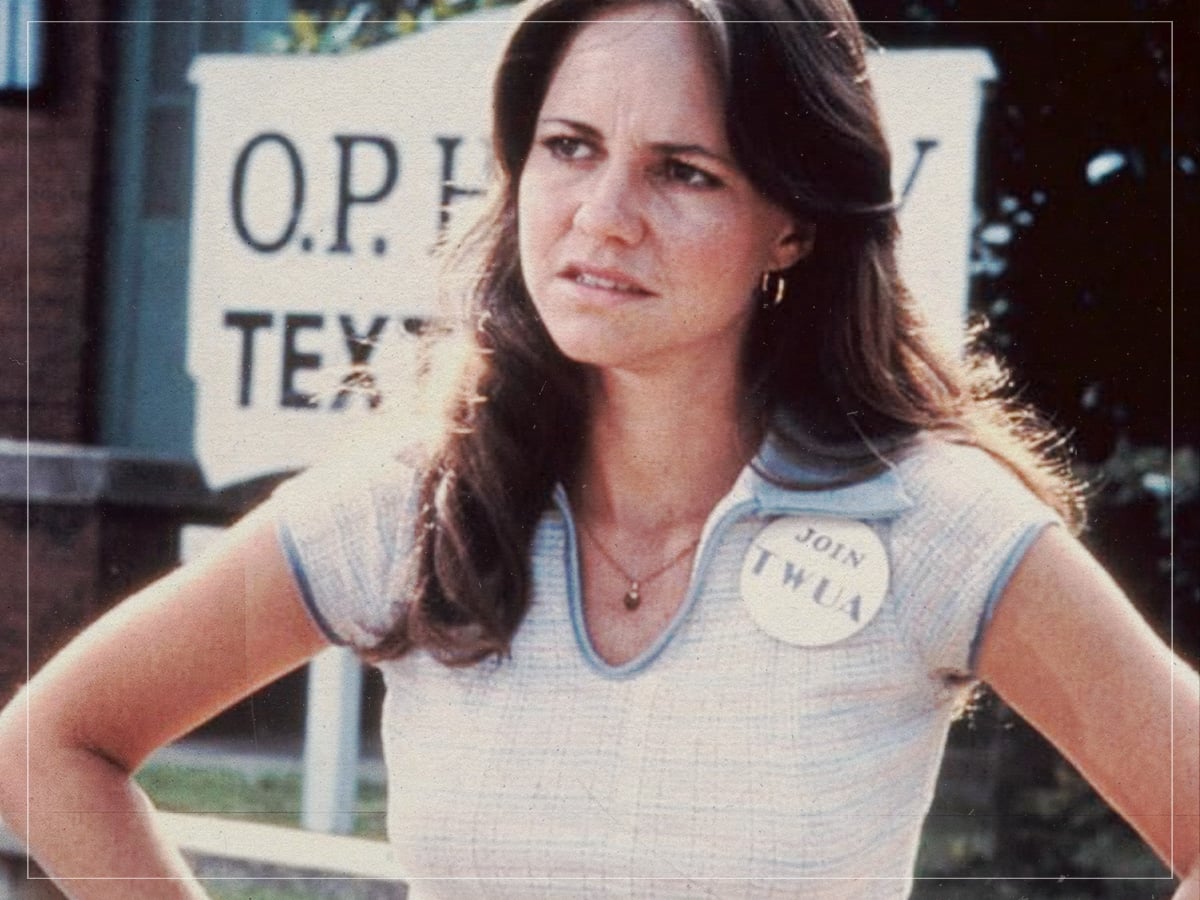
America has had a difficult relationship with trade unions from the nation’s inception, and strike workers make for perfect underdog heroes within any story about overcoming the odds and taking down the establishment. Although the film itself would become best remembered for the Academy Award-winning song, ‘It Goes Like It Goes’, Norma Rae also took home the ‘Best Actress’ prize for Sally Field’s powerful take on the titular strike organiser.
That such a politically adamant film was released by a major studio seems like it would never happen today, but Field was so believable as a young woman burned by her disappearing opportunities that Norma Rae ended up working just as well as a crowd-pleaser. While impactful in its time, it became a film of renewed significance in 2023, when both the WGA and SAG-AFTRA strikes led to a serious levelling of the playing field in Hollywood.
Ellen Burstyn – ‘Alice Doesn’t Live Here Anymore’ (1974)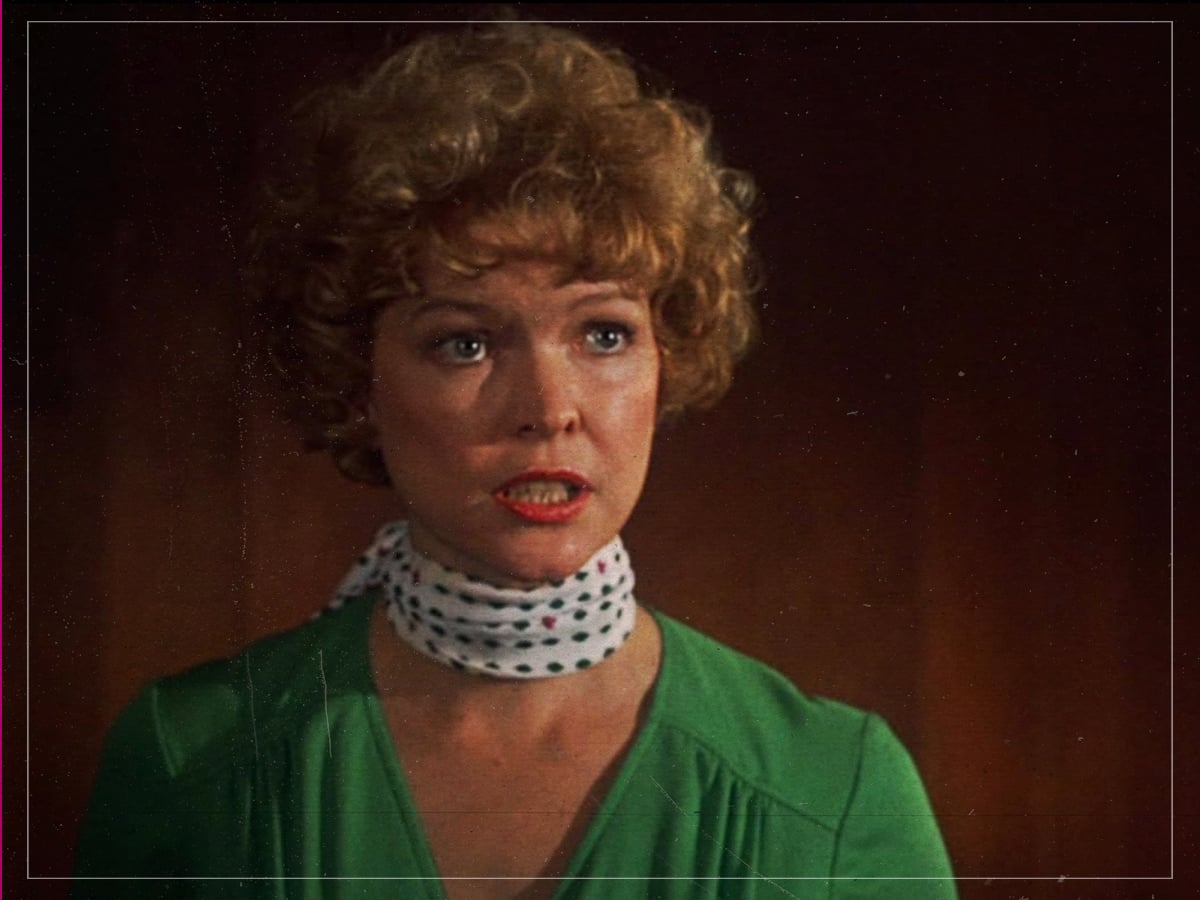
Martin Scorsese may have started off his career making low-budget exploitation films, but he eventually matured into the type of filmmaker who could make a thoughtful drama about female independence. Alice Doesn’t Live Here Anymore starred Ellen Burstyn as a struggling single mother who tries to make a better life for her son by working at a local diner, all the while falling in love with a mysterious stranger, played by Kris Kristofferson.
It’s a well-observed exploration of the working class struggles that many ‘70s audiences could relate to, and felt even more relevant in the next decade when big business became more dominant. Scorsese has directed far more female-driven films than he is given credit for, despite his lifelong working relationship with the editor Thelma Schoonmaker, and Alice Doesn’t Live Here Anymore solidified Burstyn as one of his most successful collaborators.
Ryan O’Neal – ‘Barry Lyndon’ (1975)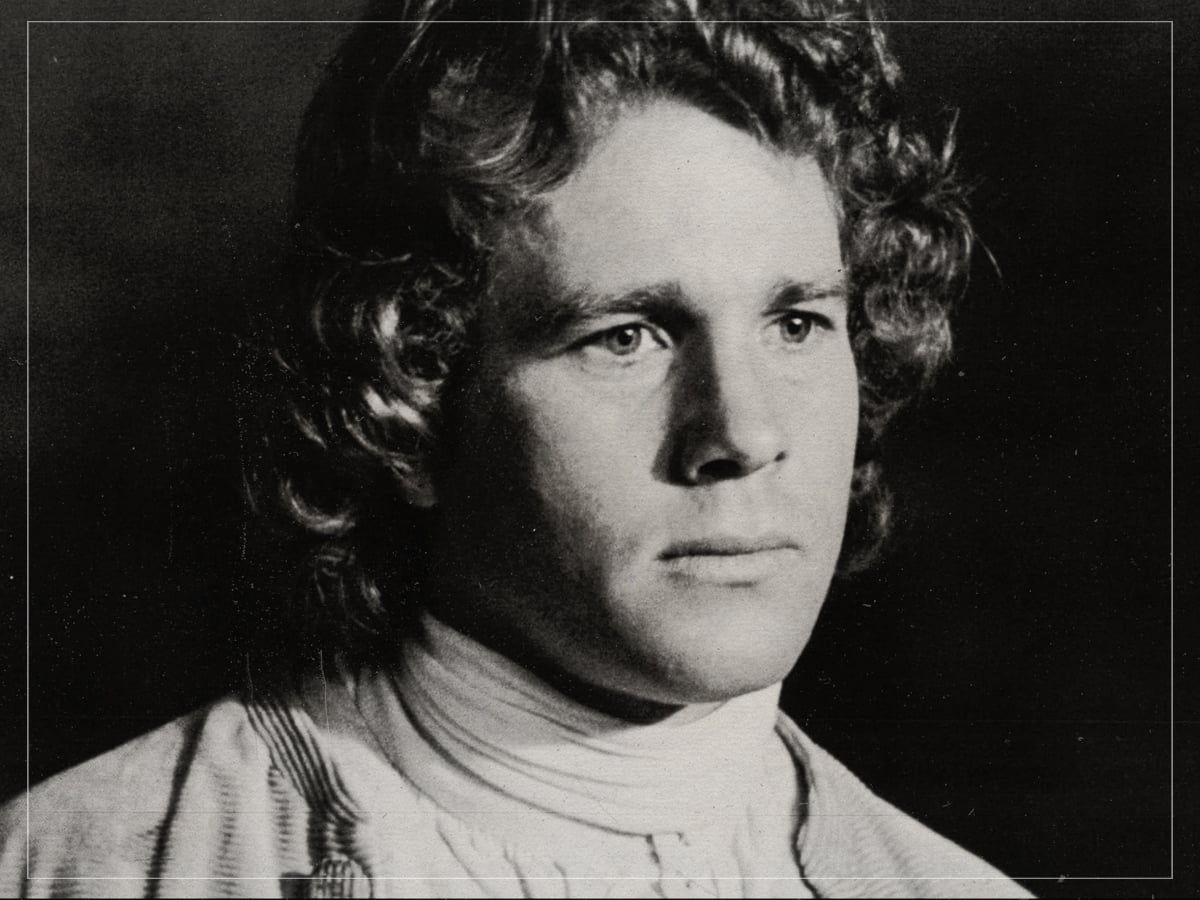
Ryan O’Neal had a rather toxic reputation of being difficult to work with, which is ironically what made him the perfect choice to play the unlikable, narcissistic anti-hero in Stanley Kubrick’s satirical rendition of Irish history. Despite the fact that the film was filmed with natural light, utilised real locations, and featured massive sets, Barry Lyndon spat in the faces of all traditionalist ‘great man’ movies, offering a devious look at the adventures of an Irish rogue, who, after being spurned by his cousin, flips sides throughout the war as he vies for power and influence.
O’Neal brilliantly shows the moral shallowness of the character, who will seemingly sink to any low in order to appease his desires. While he may not have been fully aware of the way in which Kubrick was mocking him, it is nonetheless a brilliant performance.
Sigourney Weaver – ‘Alien’ (1979)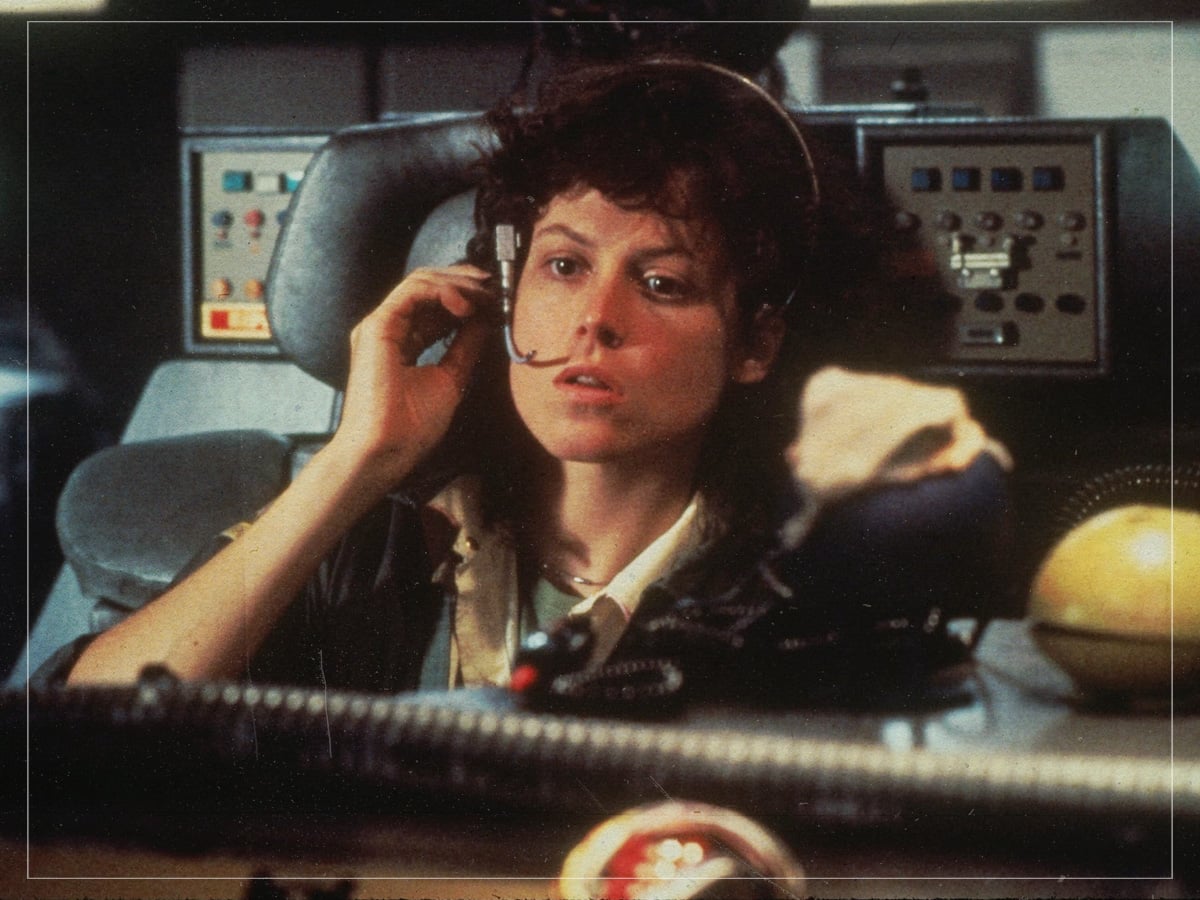
Sigourney Weaver turned Ellen Ripley into an icon in two different lanes when she debuted the character in Ridley Scott’s 1979 classic Alien: while on one hand she proved that women were powerful in science fiction right after the success of Star Wars, she also became the rare final girl who used her wit and bravery to escape from one of the most terrifying monsters ever created with practical effects.
Ripley isn’t a Jedi with a destiny, nor is she granted any sort of supernatural powers or specialised training; she’s simply a blue-collar worker who watches her crew get cut down, and must find a way to survive (with the help of a cat, Jones). Weaver would evolve the character into a maternal avenger in the sequel, Aliens, but it is the original film that offered one of the coolest origin stories in science fiction.
Tatum O’Neal – ‘Paper Moon’ (1973)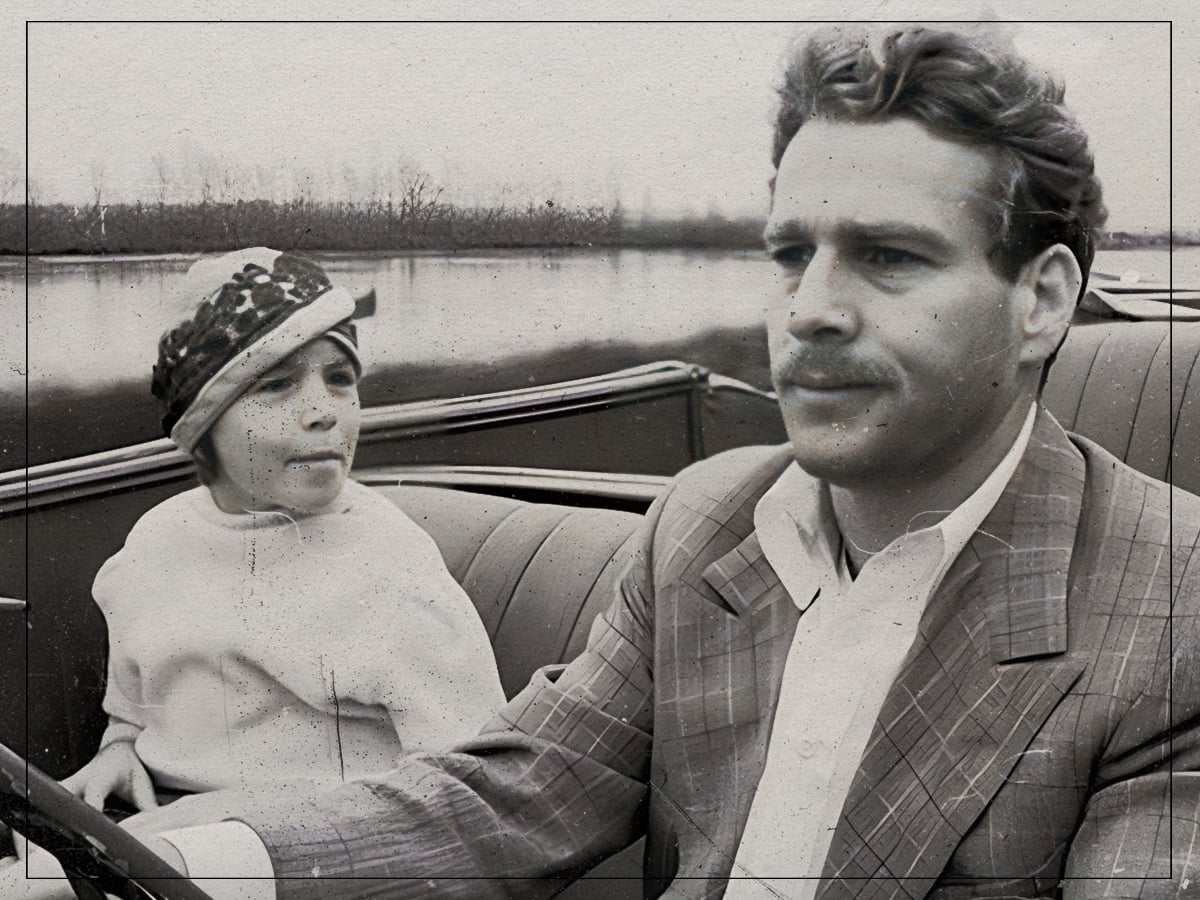
Peter Bogdonavich made a gamble when casting Tatum O’Neal alongside her real-life father in Paper Moon, a comedy adventure about a conman who teams up with a little girl (who might be his real daughter) as they engage in schemes. The tension between father and daughter reached an apex after the younger O’Neal became the youngest ‘Best Supporting Actress’ winner in the history of the Academy Awards, as Ryan O’Neal was not even nominated.
Tatum’s performance is the rare feat of child acting that perfectly embodies the sensitive, perceptive, and ignorant qualities of being a kid, yet carries the weight of the story in a way that appeals to older audiences. That she was able to be so brave, facing the wrath of her father on set, makes the confident, charming performance she gives in Paper Moon an even more towering achievement.
Elliot Gould – ‘The Long Goodbye’ (1973)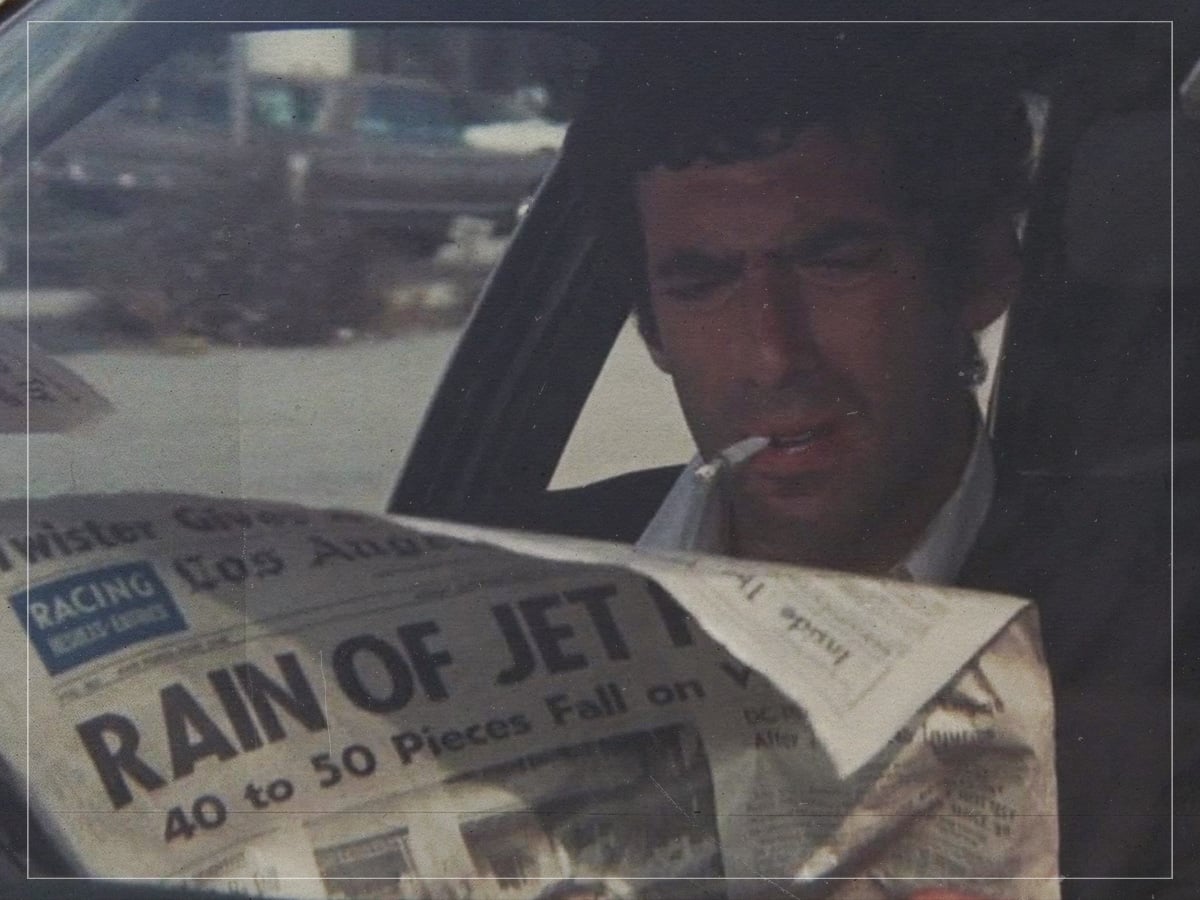
Robert Altman had many movie stars that he admired, but he had a particular fascination with Elliot Gould, with whom he worked several times. Although he stars as the classical hardboiled detective Phillip Marlowe in The Long Goodbye, his interpretation of the character was vastly different from that of James Garner, Humphrey Bogart, Robert Mitchum, James Caan, and the other great actors who took the role deathly seriously.
Gould portrayed the brilliant investigator as someone who possesses genius skills at solving mysteries, yet lives life as a casual drifter whose indifference leads him into various unusual situations. It wasn’t just the most compelling portrayal of one of literature’s most iconic characters, but a masterful comedy performance that inspired Jeff Bridges in The Big Lebowski and Ryan Gosling in The Nice Guys.
Cleavon Little – ‘Blazing Saddles’ (1974)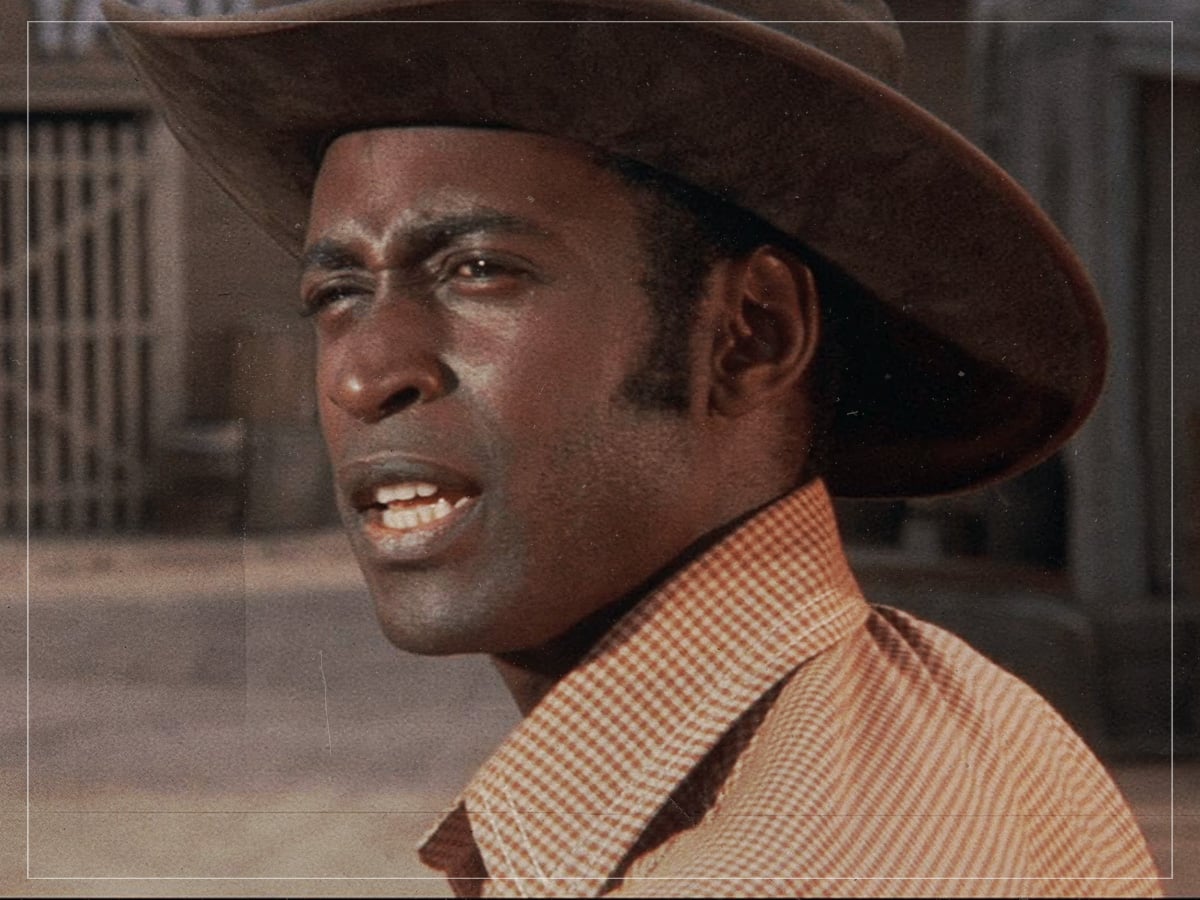
Mel Brooks took a lot of gambles with his decades-spanning career, but Blazing Saddles was an audacious comedy that revamped western clichés by satirising racism and discrimination. Although it was evident that it was intended to look at how idiotic America’s racist past really was, the film required a Black lead who could be the face of heroism, which Brooks found in Cleavon Little’s performance as Sheriff Bart.
Little brilliantly underplays Bart’s bemused reactions as he deals with some of the most ignorant citizens in his new town, yet also shows the sort of unflappable heroism that was reminiscent of classical western heroes like Gary Cooper or John Wayne. It was a rare performance that actually changed the industry, proving that Black actors could work within material that directly spoke to their reality. It’s also just a masterclass in comedy, as few comedy co-stars have ever had as much chemistry as Little and Wilder.
Gene Wilder – ‘Willy Wonka & the Chocolate Factory’ (1971)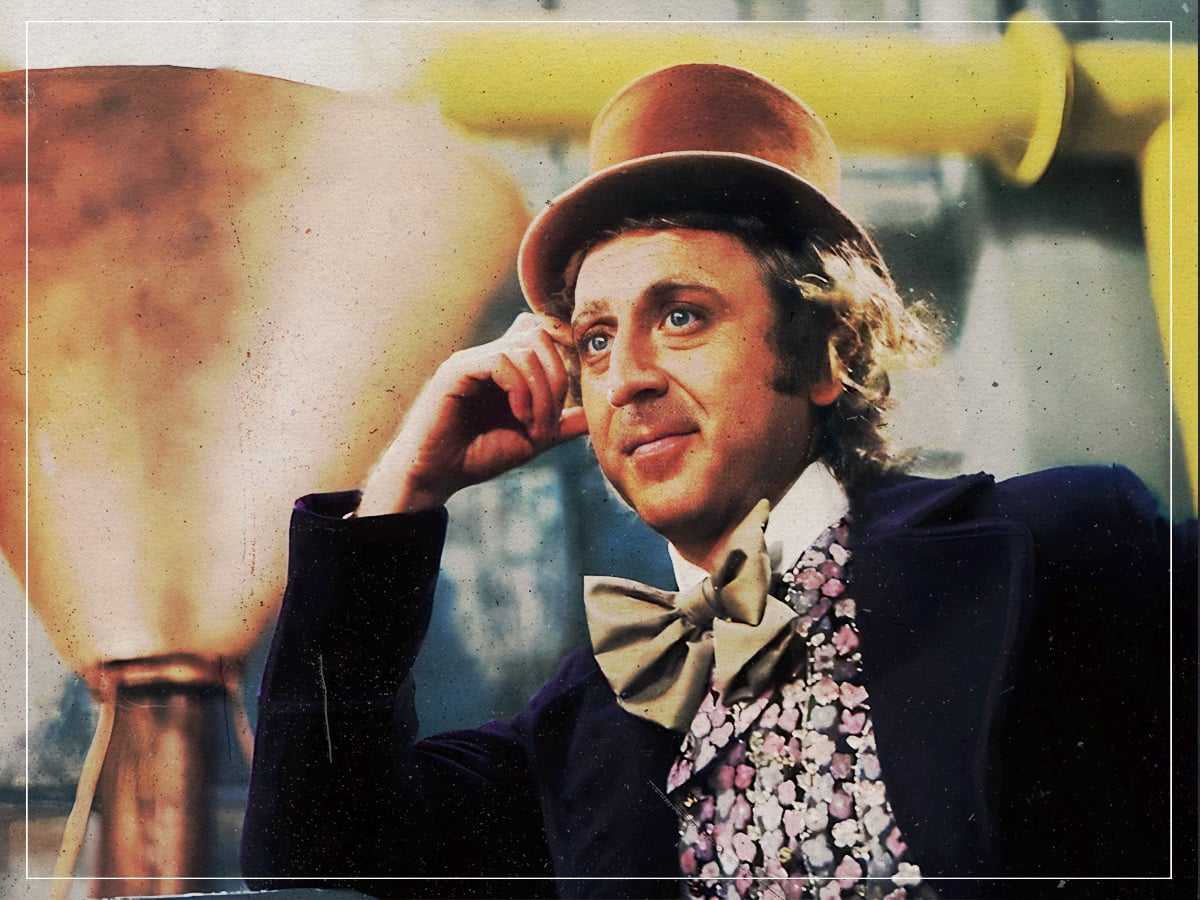
Gene Wilder was an actor so sincerely in love with the essence of comedy that he delivered an all-time great performance in the adaptation of Willy Wonka & the Chocolate Factory, despite the fact that the original author, Roald Dahl, hated both the film and his performance. The surprisingly complex turn required an actor who could play every line as either completely sincere or totally ironic; that there is so much ambiguity about Wonka’s intentions showed how brilliantly Wilder evolved the character beyond what was on the page.
Between physical comedy, beautiful singing, and surprising tenderness, he gave an all-encompassing performance that ensured Willy Wonka & the Chocolate Factory would stand the test of time and inspire many other actors to try their hand at the role. That a film so centred on whimsy could end in such a purely emotional place is something only Wilder’s Wonka was capable of.
John Travolta – ‘Saturday Night Fever’ (1977)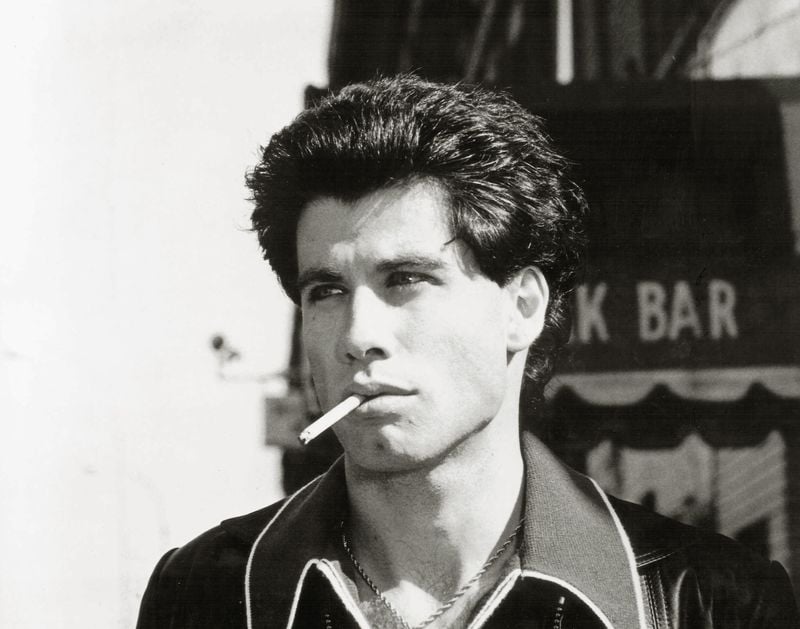
John Travolta wasn’t even 25 years old when he started an entire social movement with Saturday Night Fever, the massively popular music drama that produced more hit singles than nearly any other soundtrack in history. While the Bee Gees’ music was a major part of the film’s success, Travolta created an ineffable sense of cool that grounded it in the real aesthetics of Brooklyn’s social circles.
Despite being remembered for its kinetic dance scenes, Saturday Night Fever is a surprisingly dark film that looks at the disillusionment of youth culture amidst a gentrified city, feeling in many ways like the ‘70s version of Rebel Without a Cause. It did seem for a brief moment that Travolta truly could be the James Dean of his generation, and none of the subsequent flops that he appeared in could chip away at the magnitude of Saturday Night Fever.
Linda Blair – ‘The Exorcist’ (1973)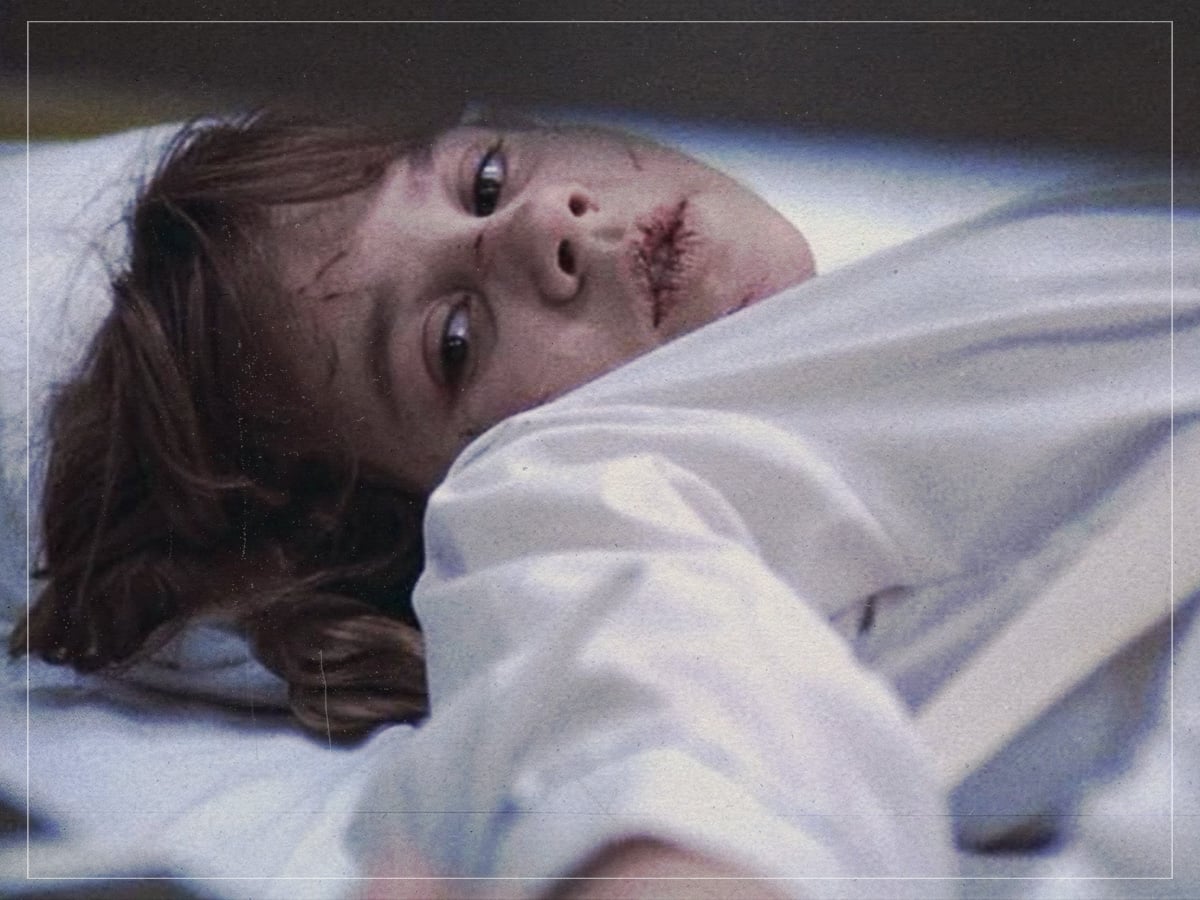
Horror films received a newfound level of both respectability and commerciality when The Exorcist became a seismic event that literally left audiences sick to their stomachs after watching the terrifying imagery that William Friedkin had created. What Linda Blair did with her performance as Regan was more powerful than any of the film’s makeup or effects, conveying the essence of a pure child who is violently inhabited by a deadly spirit that turns her into a venomous creature as priests attempt to exorcise her.
It easily could have felt ridiculous, as Regan’s behaviour required vile language and erratic movements to come from a child. However, it was the faith that Friedkin put into Blair that resulted in some of the scariest moments in horror history, which kick-started an entire trend of ‘possession’ films that played upon similar fears about corrupted children.
Liza Minnelli – ‘Cabaret’ (1972)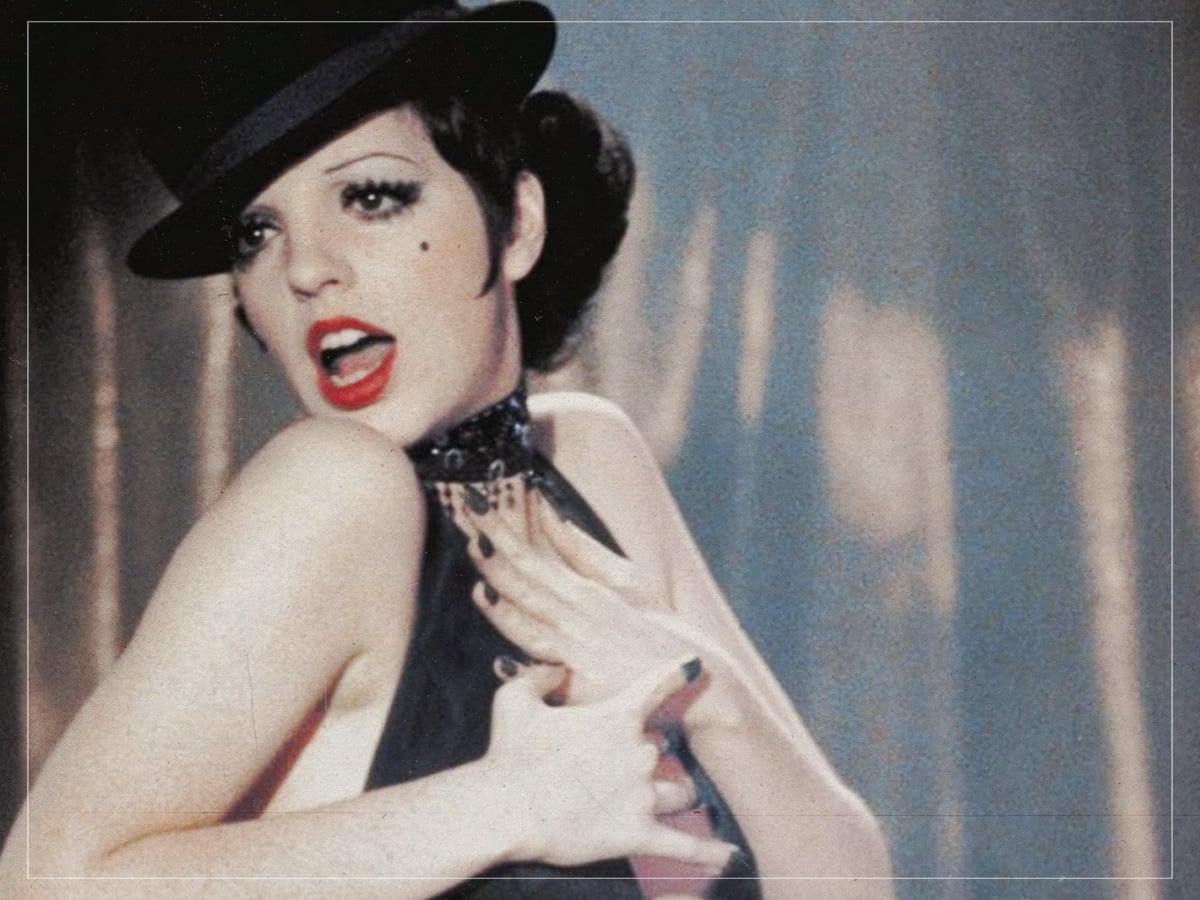
Liza Minnelli faced sizable expectations when Bob Fosse cast her in Cabaret, as the musical had already been a Broadway hit that made a star out of Joel Grey as the MC. Sally Bowles is a character whose passion for performing, only undercut by the backdrop of history, gave her an inherent theatricality and campiness. To find an interior sadness within a character who was so eccentric in her exterior look was something that required both an amazing singer and a brilliant film actress, and thankfully, Minnelli turned out to be both of these things.
Cabaret wasn’t just a successful adaptation of a Broadway hit, but a success that transcended the medium and reached a new audience. It was also a film that became significantly influential for the LGBTQ+ community, with Minnelli’s performance cited as having a major impact on Freddie Mercury.
Gene Hackman – ‘The French Connection’ (1971)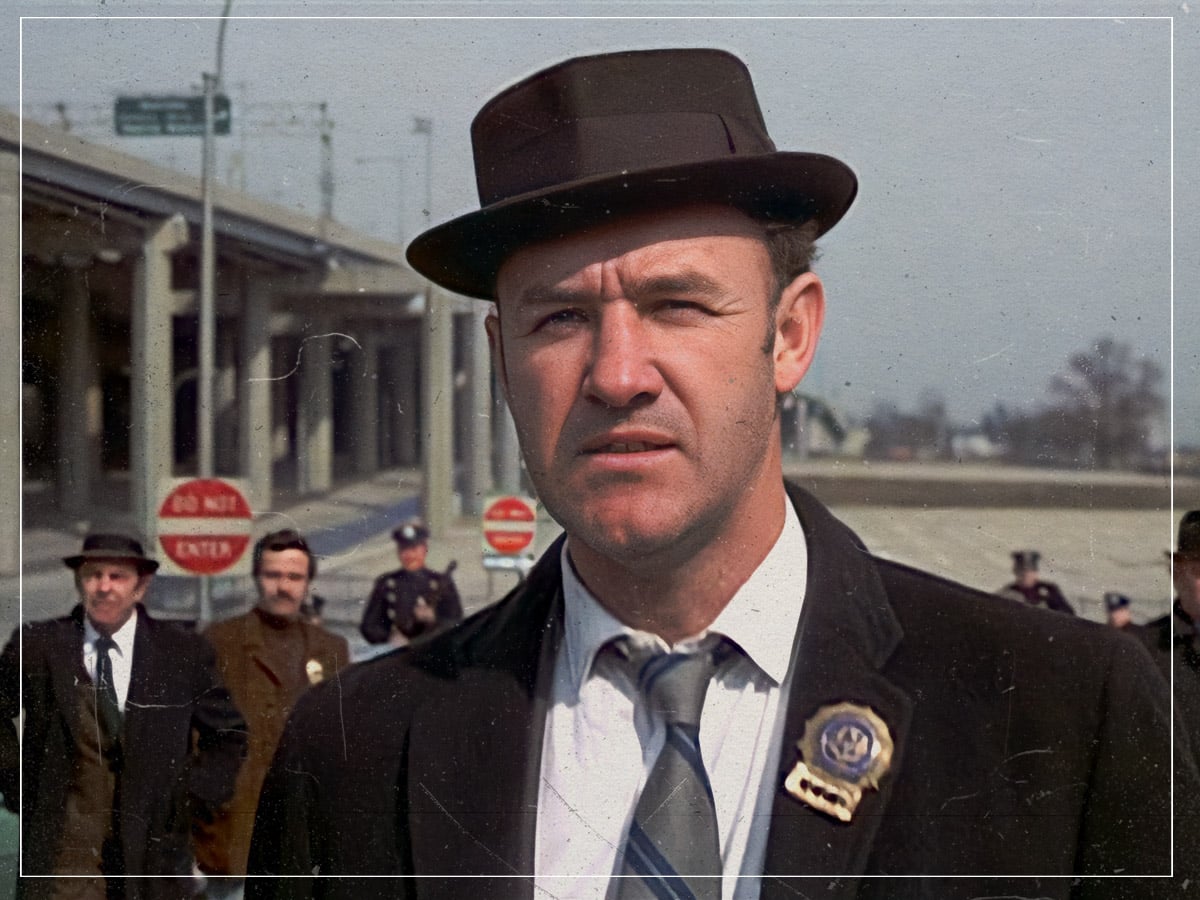
Gene Hackman exploded onto cinemas with one of the great anti-hero performances in The French Connection, a groundbreaking crime thriller that created a character for the ages with Popeye Doyle. Hackman’s talents had been evident ever since his debut in Bonnie & Clyde, but he was tasked with playing an aggressive, brooding cop whose singular focus is on obtaining a drug dealer.
The spectacle of The French Connection includes the greatest car chase in cinematic history, but the film also doesn’t stand in judgment of Doyle, a character who cuts corners and burns bridges, and whether the ends justify the means is ambiguous. The performance won him a ‘Best Actor’ prize, and he would reprise it shortly thereafter in The French Connection II from director John Frankenheimer. While not quite the masterpiece that its predecessor was, the sequel did include some great acting from Hackman, as Popeye is at one point forcibly addicted to drugs.
Meryl Streep – ‘Kramer vs Kramer’ (1979)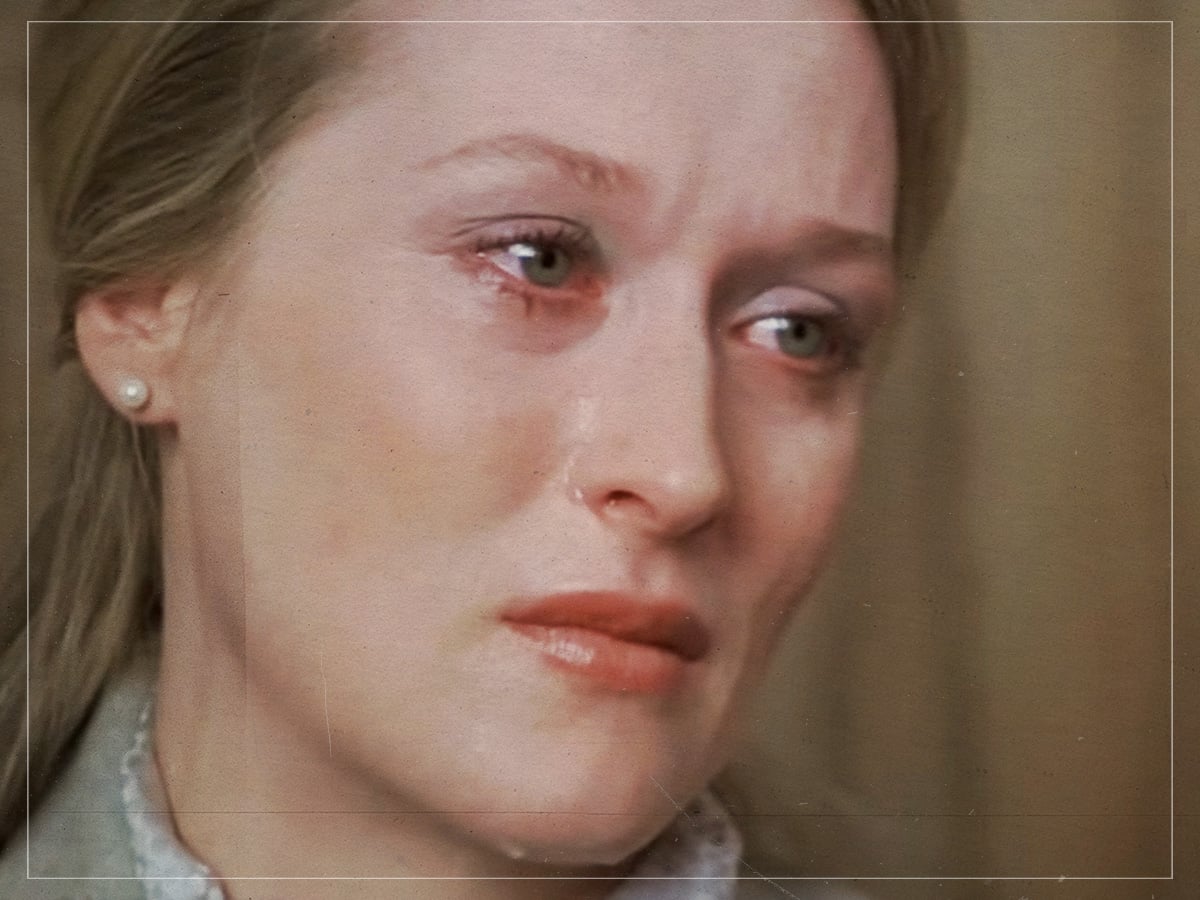
Meryl Streep has broken every conceivable record that an actor could possibly attain, but her skills first became evident when she faced off with Dustin Hoffman in Kramer vs Kramer, the groundbreaking domestic drama that took home the Academy Award for ‘Best Picture’. Divorce was by no means a topic that was discussed openly in ‘polite society’, and Kramer vs Kramer had the bravery to touch on both perspectives in the case.
Streep has less screen time, but has a sizable impact on the story based on the profound connection she shares with Justin Henry, the young actor who played her son. The film ends up sympathising more with Hoffman’s character, at least in the sense of exploring the perspective of a single father, but Streep gives a performance of dignity that prevents the film from going too far in either direction.
Christopher Walken – ‘The Deer Hunter’ (1978)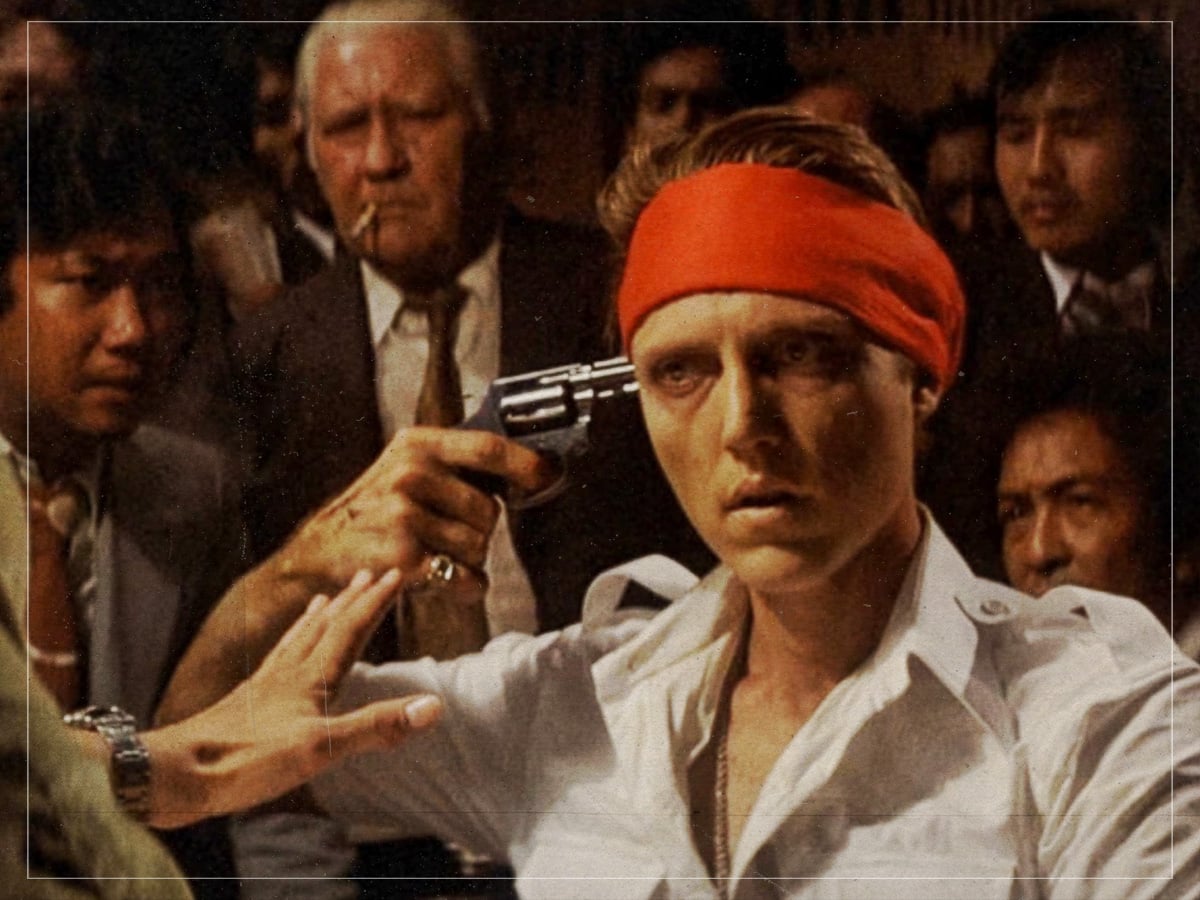
Christopher Walken is an eclectic actor who experienced many career resurgences, but the value of his later, more comedic work is based on how starkly different it is from his greatest performance ever in The Deer Hunter. The Vietnam War had been discussed for its politics and the loss of life overseas, but The Deer Hunter was among the first films to examine the deep, psychological terror felt by soldiers who returned home from the conflict, haunted by what they had seen.
Walken is so charming and vivacious within the film’s audacious opening sequence that to see him slowly slip into madness is the most tragic of its multiple character arcs. The infamous Russian roulette scene may have been subjected to serious controversy based on grounds of inaccuracy, but the emotion Walken derives from his performance makes it an unquestionably powerful moment.
Gena Rowlands – ‘Opening Night’ (1977)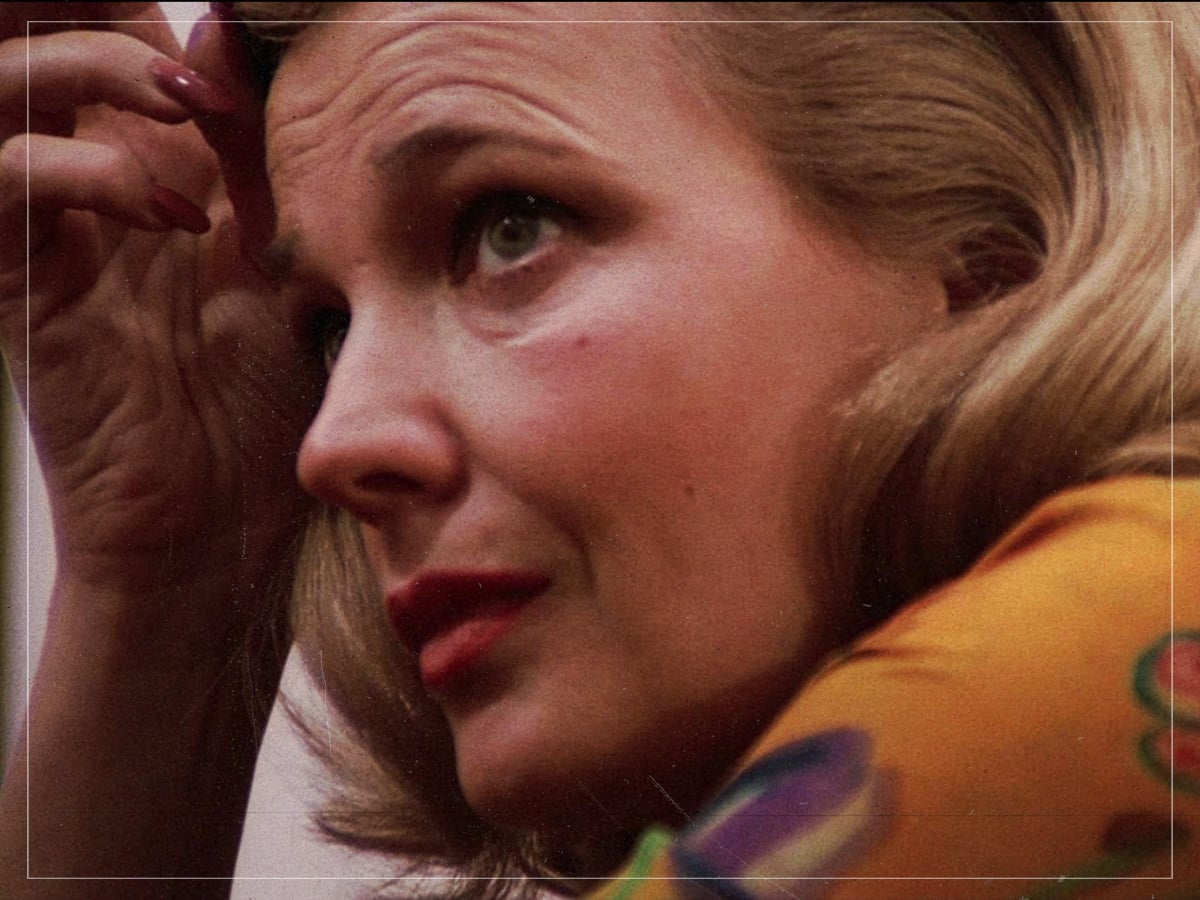
Gena Rowlands has been celebrated as perhaps the greatest female actor of all time, and many films that she made with her husband, John Cassavetes, are in contention to be her best work. While she is unforgettable as a troubled addict in A Woman Under the Influence and part of the wonderful ensemble in Faces, Opening Night served as an intimate study on the craft of acting itself, which is something she obviously knew a lot about.
Opening Night examines the point at which acting is no longer performance, as her characters slip into moments of pure emotional exuberance that reflect the same feelings of the ones she is playing. It’s perhaps the most dangerous and introspective performance that Rowlands ever gave, as the film raised questions about the costs of truly ‘becoming’ a character that nearly every actor has faced at some point in their career.
Julie Christie – ‘McCabe & Mrs Miller’ (1971)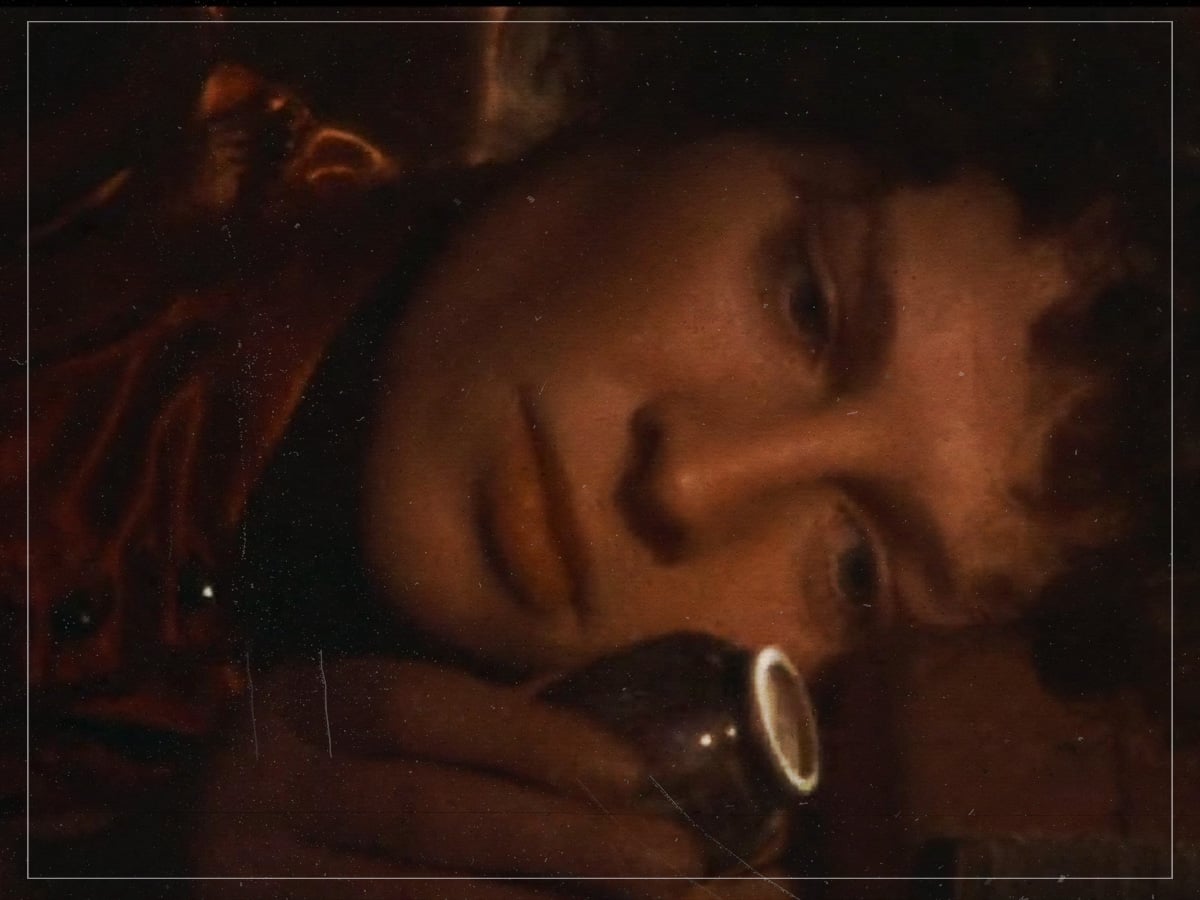
Julie Christie and Warren Beatty were cast as the titular characters in McCabe & Mrs Miller, Robert Altman’s subversive western about the growth of a small community in the early 20th century. Described as an anti-western because of the ways it showed a bleaker, more realistic version of a mythologised era in American history, the film featured the performance of Christie’s career as Constance, a British madam who runs the brothel that single-handedly keeps the town’s economy afloat.
Altman chose to linger within these characters’ lives and observe the passing of time, and Christie brilliantly shows how Constance’s desire to protect the women under her clashes with the misbegotten dreams of a better life. Beatty’s casting was an interesting case of hiring someone to play against type, but the way the film evokes a sad, true story of the fading ‘American Dream’ was a result of Christie’s blistering authenticity.
Robert De Niro – ‘Taxi Driver’ (1976)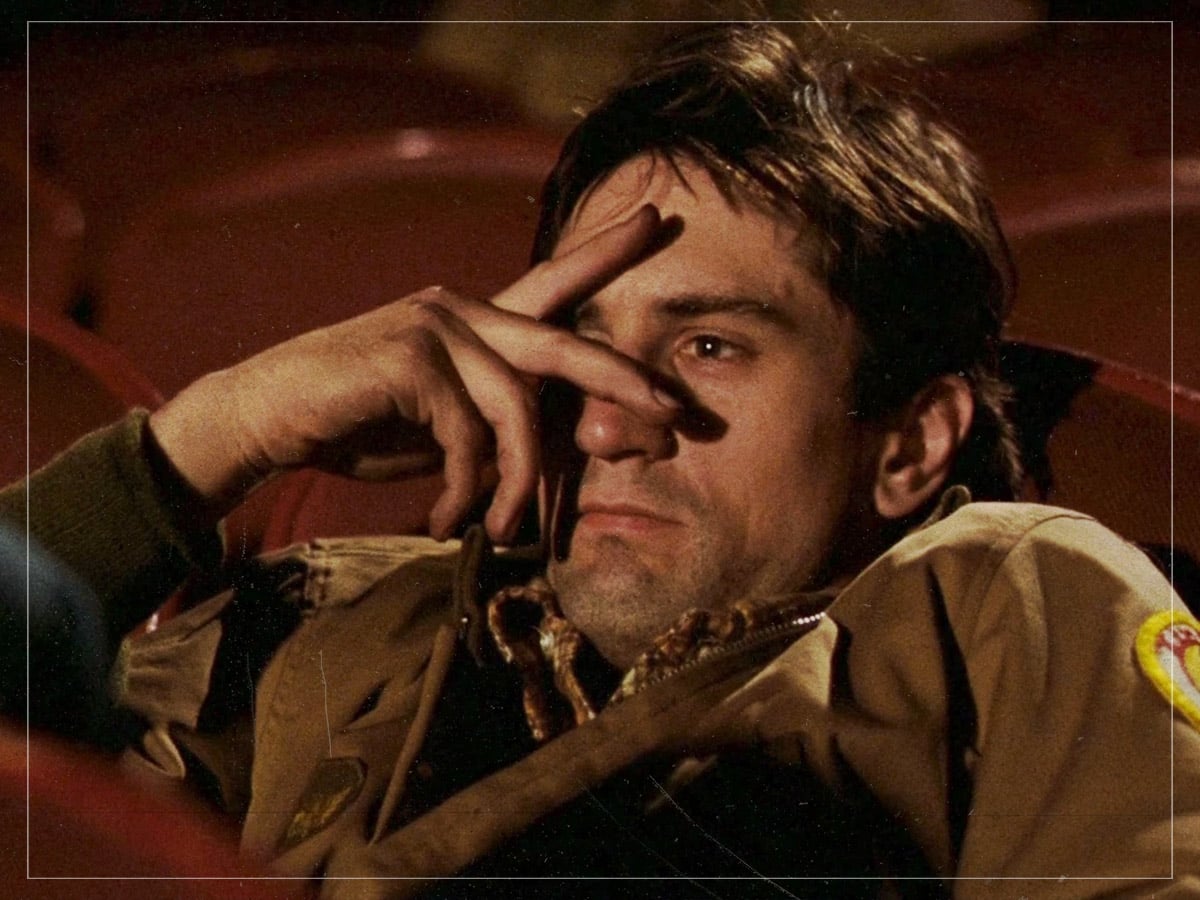
Robert De Niro had kicked off his legendary partnership with Martin Scorsese when he appeared in a supporting role in Mean Streets, but Taxi Driver was the birth of an entire movement of anti-establishment cinema that created cinema’s modern anti-hero. Travis Bickle is a character who is dangerous, unpredictable, yet oddly charming, and De Niro was able to make him just sympathetic enough to believe that he’d be framed as a vigilante hero by a hapless news media.
The actor took risks with a character that could have been ridiculous, and the cultural impact of the “Are you talkin’ to me?” scene can’t be overstated. There aren’t many film performances that have inspired so many interpretations, discussions, and extreme reactions, as well as inspired nearly every anti-hero film since, from Fight Club and American Psycho to Joker and Promising Young Woman.
Diane Keaton – ‘Annie Hall’ (1977)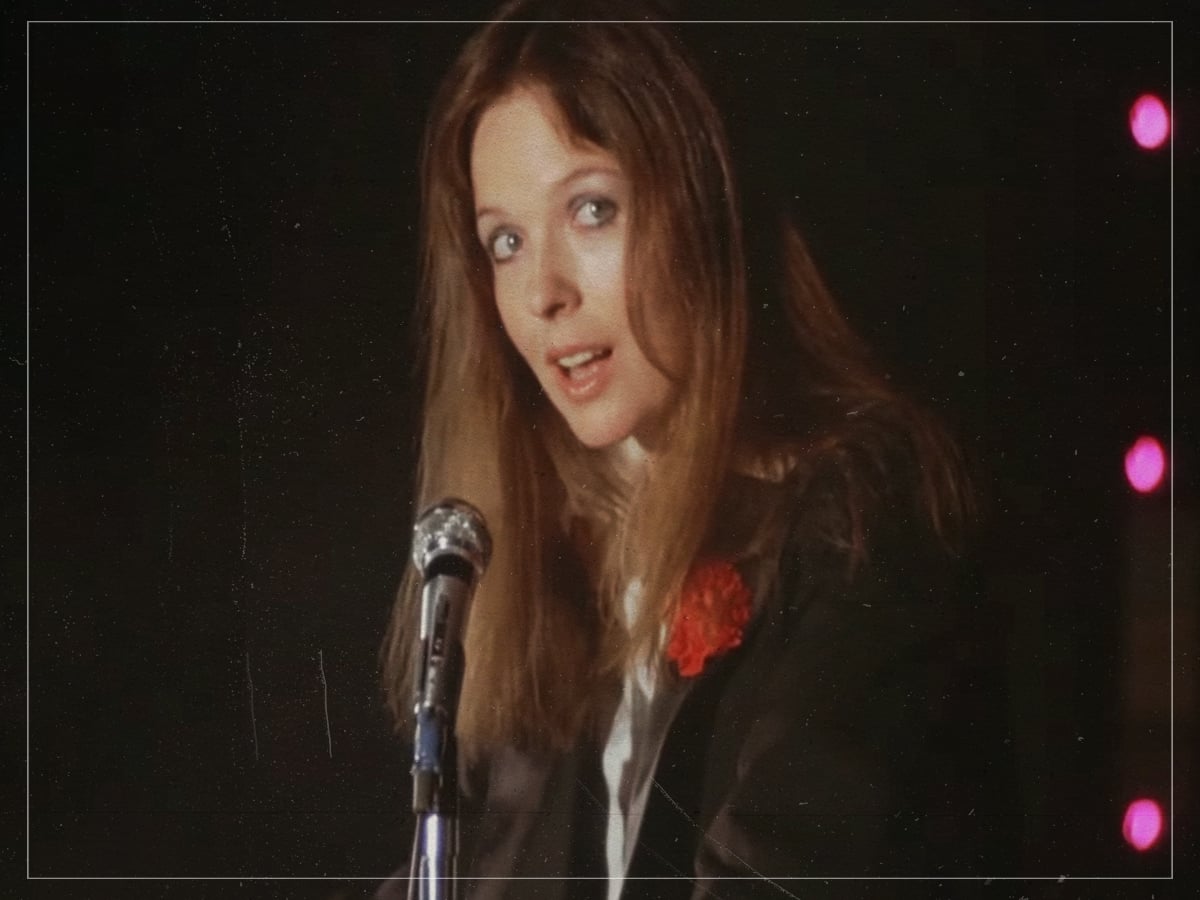
Diane Keaton had a longstanding collaborative relationship with Woody Allen that included several classics, but Annie Hall was the film in which her performance transcended his contributions. Annie was a self-actualised, modern woman who both cut Alvy, played by Allen, to his core and disarmed him with affection, and the caustic relationship between the two was reflected in the next five decades of romantic comedies.
It’s often the case that Allen’s films are all based upon his insular view of the world, yet it was Keaton who turned Annie Hall on its head by offering alternative perspectives, even if they weren’t intended to be attacks on his. It was the rare romance film in which the female lead was not framed entirely by her relationship with a man, and the intimacy that is depicted is made thoughtful and empowering as a result of Keaton’s most defining role.
Louise Fletcher – ‘One Flew Over the Cuckoo’s Nest’ (1975)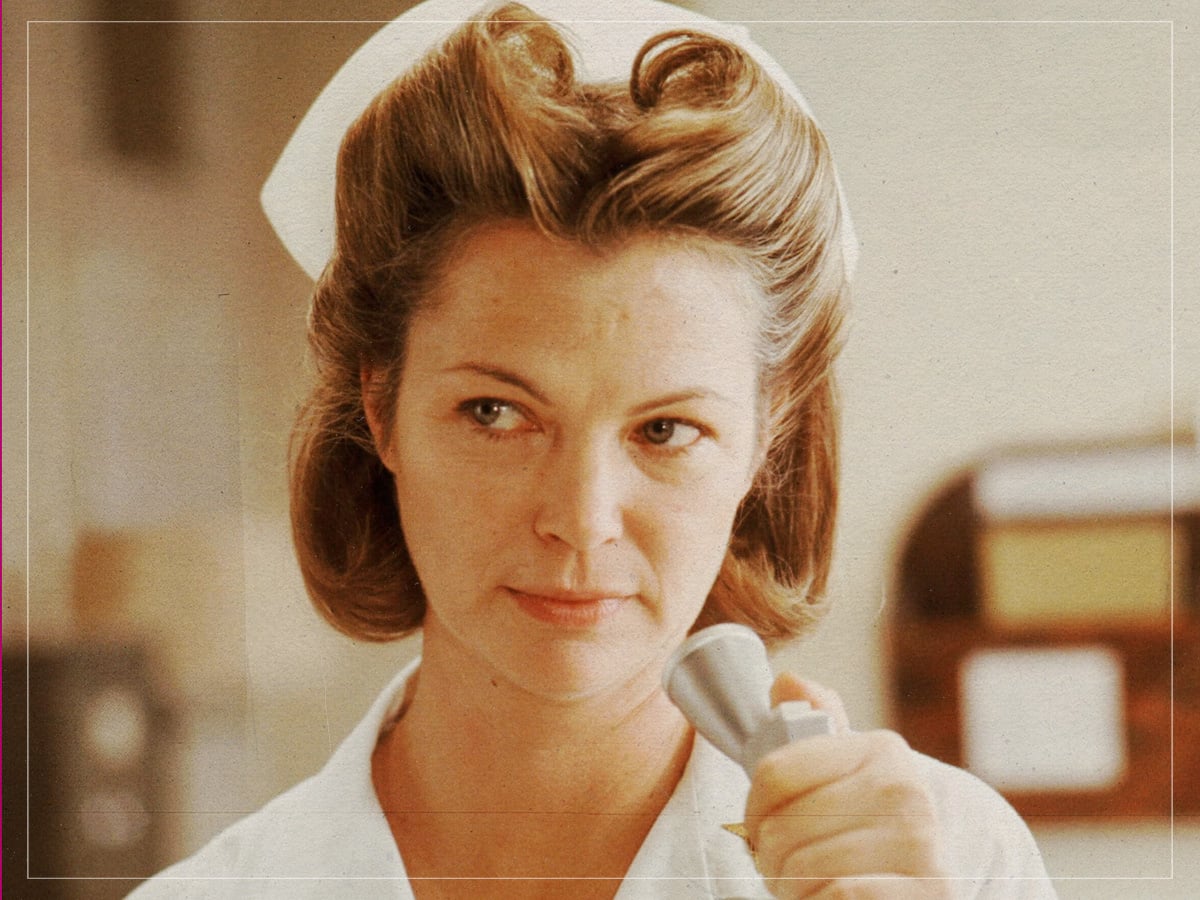
One Flew Over the Cuckoo’s Nest shocked the industry to its core with its frank, bleak portrayal of mental health institutions and the abuse that they were guilty of, and while Jack Nicholson offered a portrayal of a patient that was groundbreaking because of the research he put into it, Louise Fletcher’s terrifying role as Nurse Ratched became one of cinema’s greatest villains. Ratched wasn’t just an antagonist, but a representation of the systems of authority that used the enforcement of medical expertise as a means to belittle and dehumanise.
The sharp, cold demeanour Fletcher had wasn’t just a stark contrast to Nicholson’s but a sad truism about how often those who speak softly can get away with insidious actions. It was the second film in history after It Happened One Night to win the ‘big five’ awards at the Oscars, with Fletcher being one of the few ‘Best Actress’ winners who played the definitive villain.
Tim Curry – ‘The Rocky Horror Picture Show’ (1975)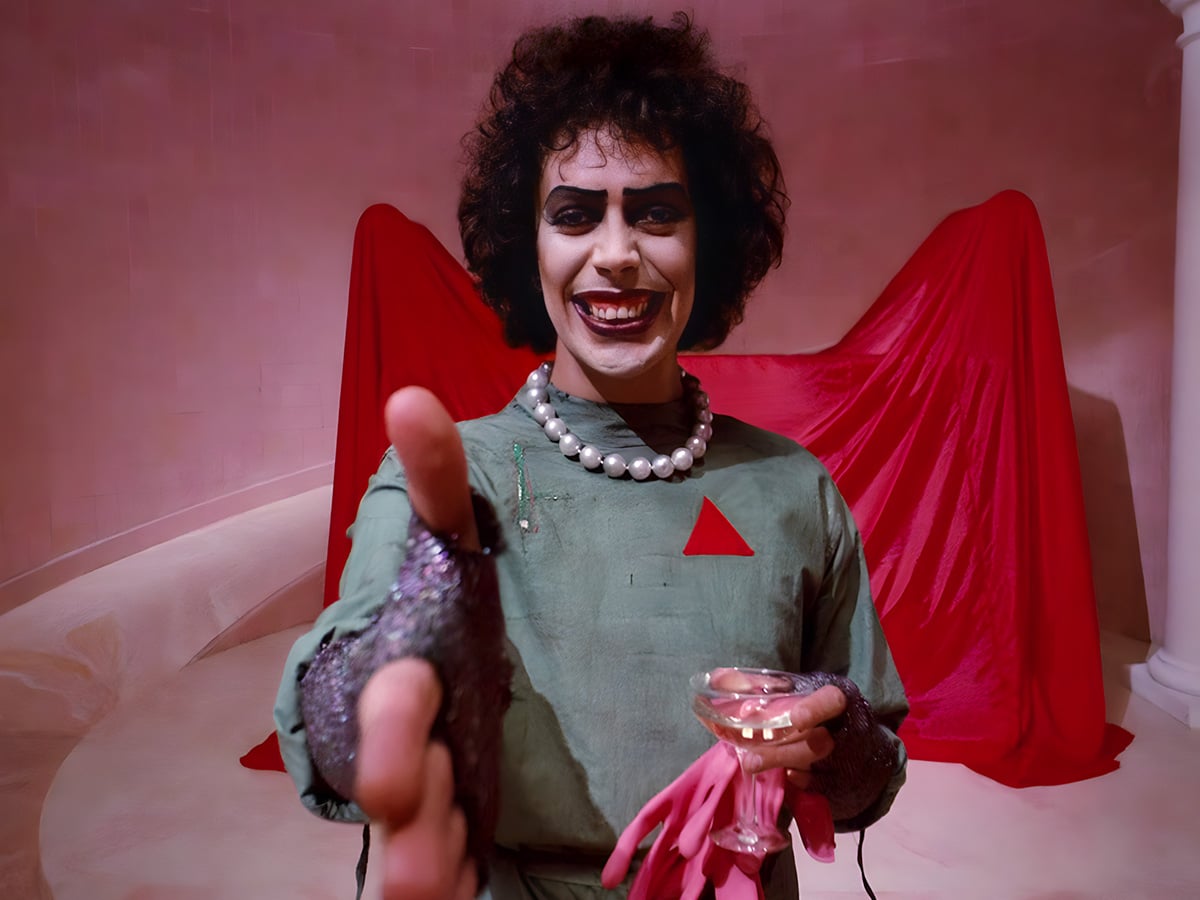
Tim Curry was an unknown stage actor when he was cast in a curious musical called The Rocky Horror Picture Show that was adapted into a film of the same name, and became the most prominent cult phenomenon ever. The legacy of The Rocky Horror Picture Show is how it was immortalised by its fans, but it only grew that following because of how many people found themselves seen, empowered, or obsessed with Curry’s magnetic performance as Dr Frank-N-Furter.
To say that it was bold of him to play a cross-dressing evil scientist in 1975 is an understatement, but what’s even more impressive is how well-defined the tone of The Rocky Horror Picture Show is, where Curry is both menacing and hilarious, and his performance would hold up even if the film didn’t end up spawning the birth of midnight film rituals.
Jack Nicholson – ‘Five Easy Pieces’ (1970)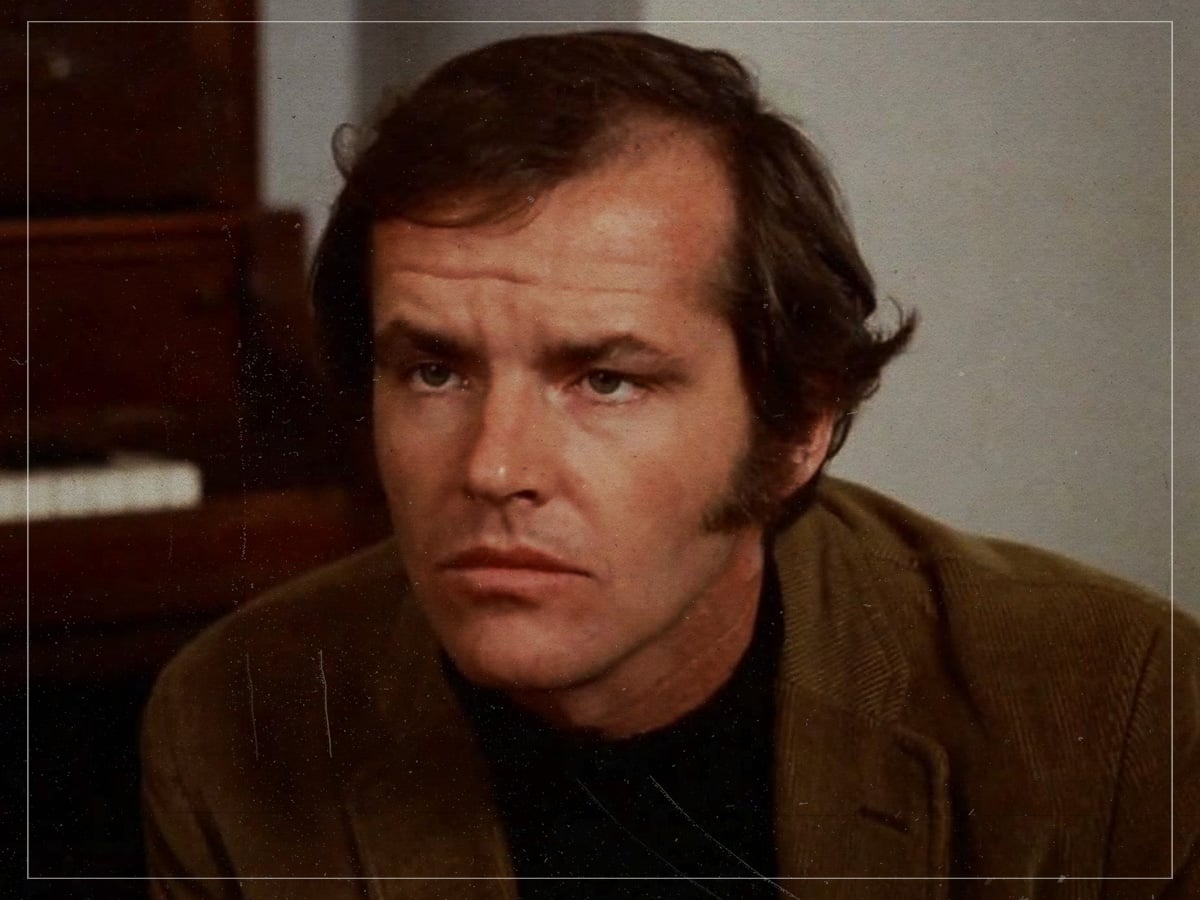
Jack Nicholson has given many performances in the ‘70s alone that could qualify as being some of the best of all time, but Five Easy Pieces is perhaps the most understated, vulnerable, and authentic that he has ever been. Set within the oil fields of California, it stars him as the blue-collar worker Bobby, who takes an unexpected road trip back to Washington and his privileged roots.
It’s through the adventure of Americana that Five Easy Pieces examines the way individuality is cut by class, family, and sustainability, giving Nicholson the chance to show a character at odds with himself. It’s a brutally funny, completely honest film that felt like the personification of a moment when it debuted at the dawn of New Hollywood, and now feels like a time capsule for one of the most significant cultural shifts in American history.
Al Pacino – ‘The Godfather: Part II’ (1974)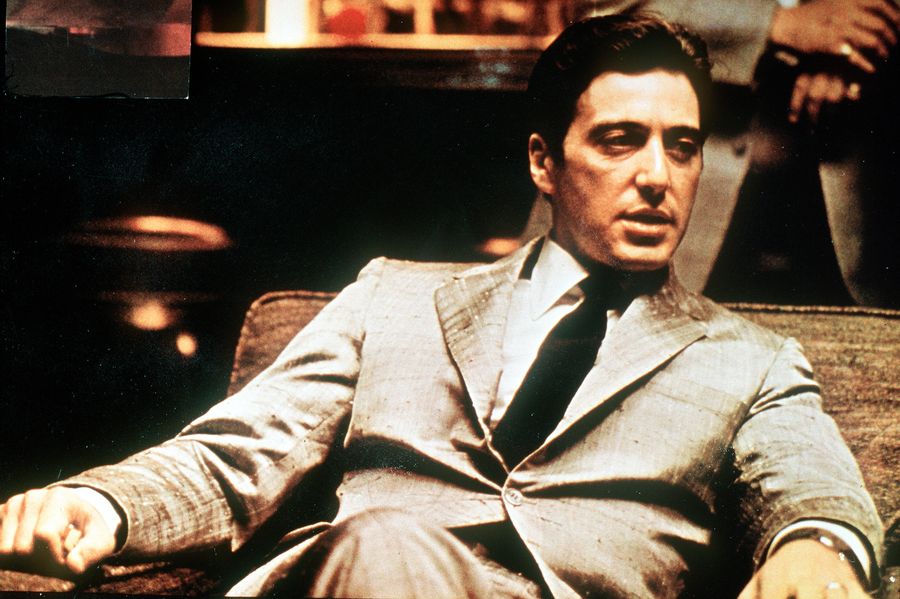
Al Pacino will always be known as Michael Corleone, as all of his subsequent performances (many of which are great) will be compared to his role as the heir to a mafia empire in Francis Ford Coppola’s brilliant trilogy. Although Michael wrestles with the weight of carrying on his father’s legacy in the original The Godfather, it’s not until The Godfather: Part II that the tragedy comes full circle, where, despite his boldest proclamations, he falls into the same trap of ambition and anxiety that deluded his father as he becomes poised to lead the future of the mafia.
Pacino is able to strip away the innocence Michael showed in the prior film as he becomes more ruthless, even lying to his own family to protect his reputation. It’s the perfectly ambiguous conclusion to one of the greatest characters ever, as The Godfather: Part III is best left forgotten about entirely.
Marlon Brando – ‘The Godfather’ (1972)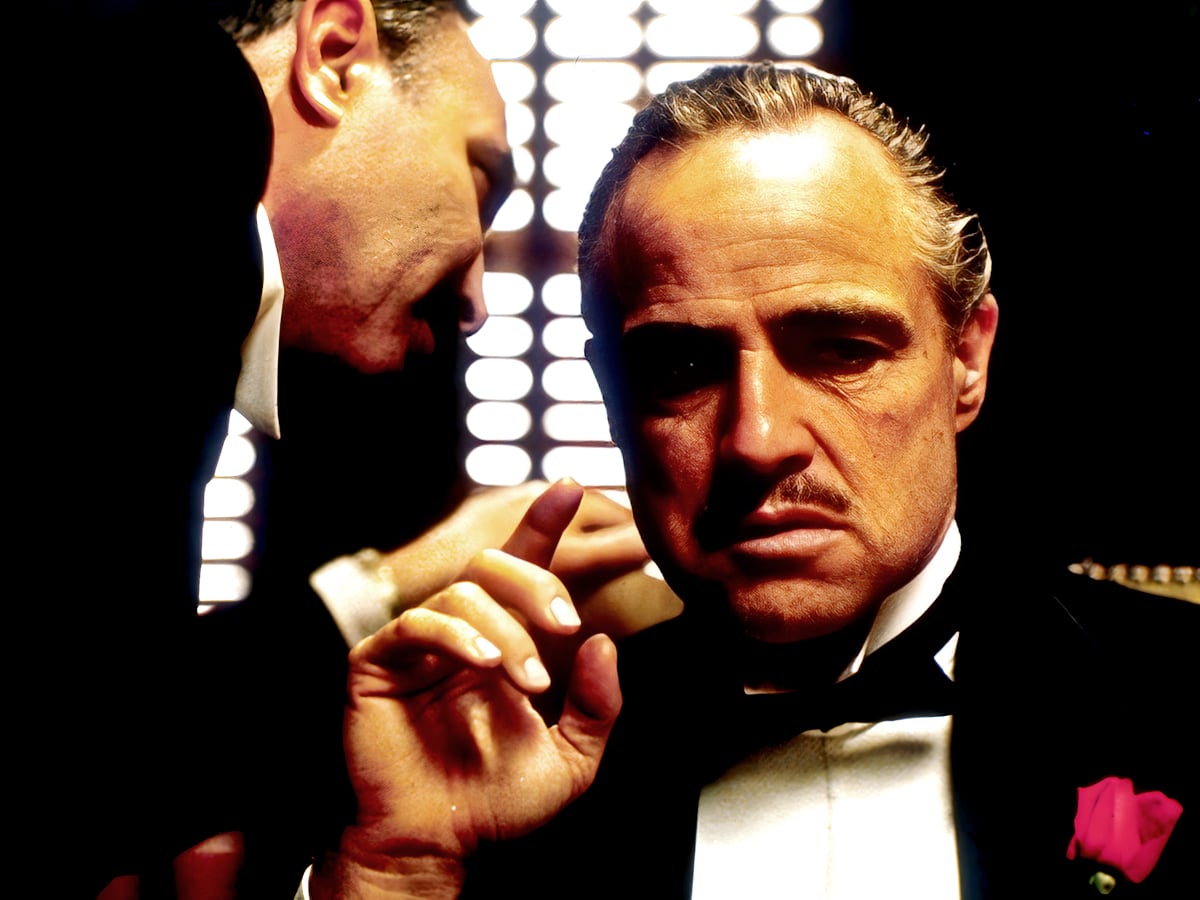
Marlon Brando had an interesting part in The Godfather because he had already changed the face of acting forever with his performance in On the Waterfront, but had been considered past-his-prime as a result of a few colossal disasters. Any notion that he had given up on acting disappeared when The Godfather created an unforgettable character in Don Vito Corleone, whose enigmatic authority became transfixing from the film’s brilliant opening scene.
After decades of gangster films that were no more than B-movies, The Godfather examined the inner workings of a mafia family as if it were an epic tragedy in the vein of Shakespeare. That Brando was himself a veteran of the stage made him perfectly suited for the role of a man who put his family first, no matter what repercussions he might face as a result of that loyalty.
Roy Scheider – ‘All That Jazz’ (1979)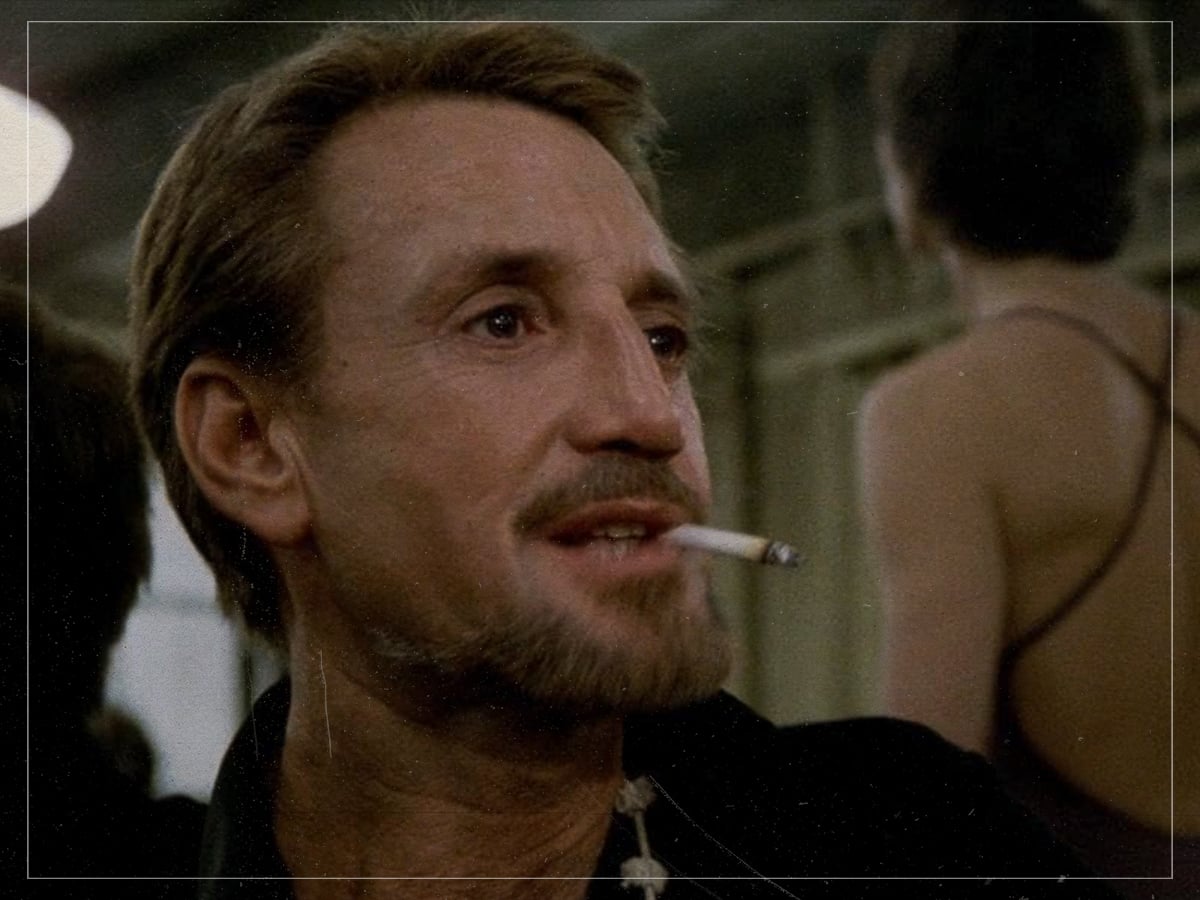
Roy Scheider is a popular pick for the most underrated actor of all-time, as the ‘70s saw him popping up in everything from Jaws and Marathon Man to The French Connection and Sorcerer. However, he was given his most difficult role when Bob Fosse cast him in his semi-autobiographical musical masterpiece All That Jazz, which told a personal story of a music director consumed by ambition and narcissism.
Fosse handed over to Scheider the responsibility of depicting his crippled family life, professional embarrassments, and declining health, all while delivering beautiful songs that were complete with immaculate dancing. Surrealism caved into Fosse’s vulnerable psyche, with Scheider finding the pure will that inspired the director to unflinchingly put his story out without judgment. It’s a supernova of a performance that encapsulated why filmmakers became so obsessed with the unique magnetism only Scheider could provide.