
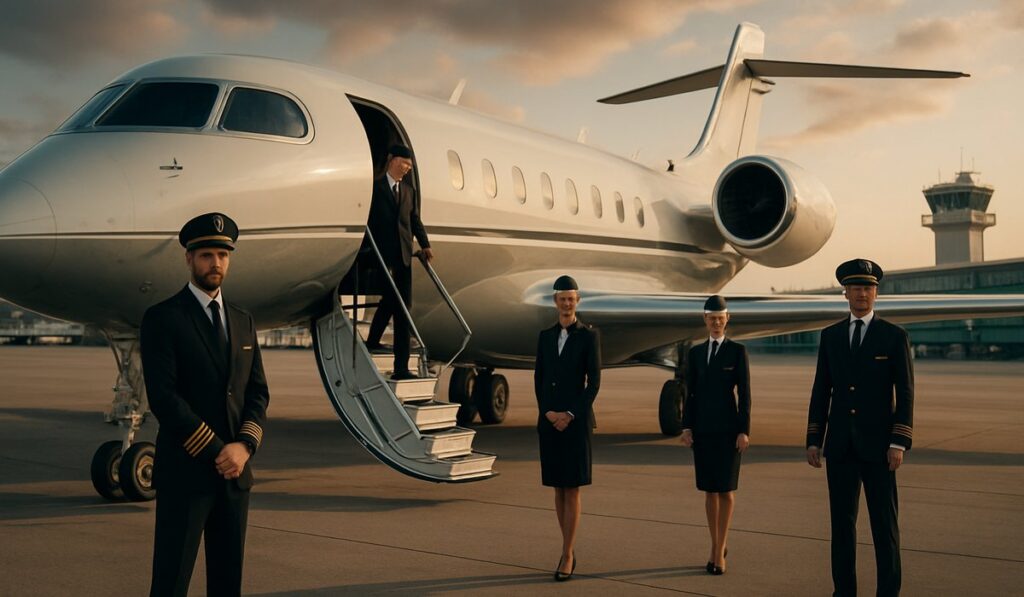
Exclusive analysis reveals how billionaire aviators are reshaping luxury air travel
The Private Aviation Arms Race Among Global Celebrities
The world’s wealthiest celebrities have transformed private aviation into a multi-billion-dollar playground, with five prominent figures collectively commanding aircraft assets exceeding $500 million in value. This exclusive segment of air travel—reserved entirely for those with extraordinary wealth—has become the ultimate status symbol in an era where time scarcity trumps all other luxuries.
Unlike commercial aviation, where airline fees, baggage charges, and fuel surcharges directly impact consumer wallets, private jet ownership operates in a fundamentally different ecosystem. These ultra-luxury vessels represent not merely transportation solutions but comprehensive lifestyle statements that encompass privacy, security, scheduling autonomy, and unparalleled convenience.
Private Aviation as Wealth Indicator
The proliferation of celebrity-owned private aircraft reflects broader economic shifts in how the ultra-wealthy allocate capital. While commercial airline passengers grapple with rising jet fuel prices translating into higher ticket costs and ancillary fees, billionaires bypass these concerns entirely through personal fleet ownership.
Industry analysts note that private aviation has evolved beyond functional necessity into a visible marker of financial dominance. The ability to circumvent commercial airport congestion, security protocols, and flight scheduling constraints represents a level of personal autonomy that resonates powerfully with global elites.
The Strategic Appeal of Private Ownership
For celebrity aviators, private jets deliver multifaceted advantages that extend far beyond speed. These aircraft provide:
Complete scheduling control independent of airline operations
Absolute privacy shielded from public scrutiny and paparazzi
Enhanced personal security with vetted crew and restricted access
Customizable travel experiences tailored to individual preferences
Status symbolism that visibly distinguishes extreme wealth
The aviation industry increasingly recognizes that private jet ownership among celebrities serves dual purposes: practical transportation and conspicuous wealth display that reinforces global hierarchies of affluence.
Market Implications for Commercial Aviation
As billionaires consolidate private aviation assets, commercial airlines continue innovating fee structures to offset operational costs, particularly those driven by volatile jet fuel prices. The widening gap between ultra-wealthy travelers and mass-market aviation consumers reflects broader economic inequality trends reshaping global transportation sectors.
These five celebrity-owned aircraft—valued collectively at over half a billion dollars—represent just a fraction of the global ultra-luxury aviation market, which continues expanding as international wealth concentrates among fewer individuals.
Frequently Asked Questions
What is the average cost of celebrity-owned private jets?
Luxury aircraft owned by prominent celebrities typically range from $50-150 million per vessel, depending on size, customization, range, and technological specifications.
How do private jet operating costs compare to commercial airline ticket prices?
Annual private aircraft operating expenses—including crew, maintenance, and fuel—often exceed $5-10 million, whereas commercial airline passengers pay hundreds to thousands per flight.
Why do wealthy individuals prefer private aviation over commercial airlines?
Privacy, scheduling control, enhanced security, and freedom from airport congestion represent primary advantages that justify the substantial financial investment.
How does jet fuel price volatility affect private aviation?
Unlike commercial passengers who absorb fuel surcharges through ticket costs, private jet owners directly bear fuel expenses, making price fluctuations significant operational considerations.
Are private jets more environmentally impactful than commercial aviation?
Per-passenger emissions typically exceed commercial airlines due to smaller passenger counts, making private aviation substantially less efficient from environmental perspectives.
Related Travel Guides
Flight Delay Compensation Guide 2026
Understanding Airline Route Changes
Airport Security Process Updated (2026)
External Resources
Disclaimer: Airline announcements, route changes, and fleet information reflect official corporate communications as of April 2026. Schedules, aircraft specifications, and service details remain subject to airline modifications.