
The late 1970s was a notable time for superhero media. The biggest hit of the era was, of course, Richard Donner’s 1978 feature film “Superman,” which deliberately cast a then-relative unknown in the form of Christopher Reeve to star as the Man of Steel. Meanwhile, on TV, superheroes began exploding in earnest, most notably in Japan, with the release of “Super Sentai,” “Kamen Rider,” and other wildly creative tokusatsu series.
Similarly, in the United States, audiences enjoyed the exploits of “The Six Million Dollar Man” and “The Bionic Woman,” as well as zany, kid-friendly, Sid and Marty Krofft-produced shows like “Bigfoot and Wildboy” and “Electra Woman and Dyna Girl.” Likewise, Filmation premiered its first non-animated series, “Shazam!” in 1974, followed by “The Amazing Spider-Man” in 1977.
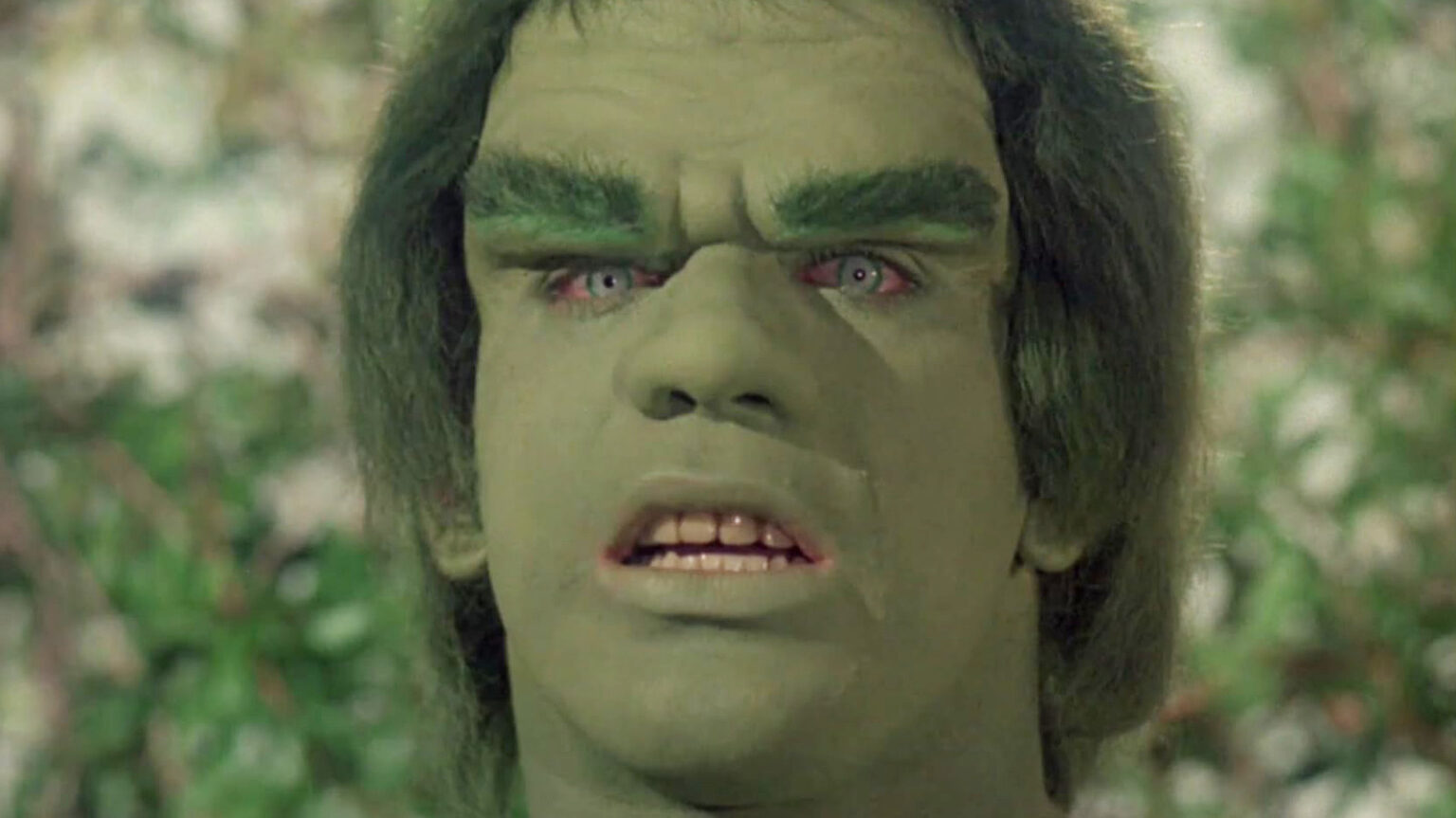
However, the two most recognized superhero shows of the era were “Wonder Woman” and “The Incredible Hulk” (which debuted in 1975 and 1977, respectively). The former was a fun, colorful, and sometimes raucous superhero series in which the mild-mannered Diana Prince (Lynda Carter) would spin around, transform into the titular superheroine, and fight evil-doers. The latter, on the other hand, was a comparatively melancholy show about Dr. David Banner (Bill Bixby), a fugitive who meted out justice as he hitchhiked across the U.S. When he got angry, though, Banner would transform into the titular green-skinned monster, played by bodybuilder Lou Ferrigno.
Ferrigno endured a serious risk of infection to become the face of “The Incredible Hulk,” and to this day, he still appears at superhero conventions to sell merch and photos. But despite being part of a rising tide of ’70s superhero media, he wasn’t necessarily supportive of his peers. Indeed, speaking to Starlog Magazine in 1979, Ferrigno admitted that he didn’t care for “Wonder Woman,” feeling it was all style and no substance.