
The Before
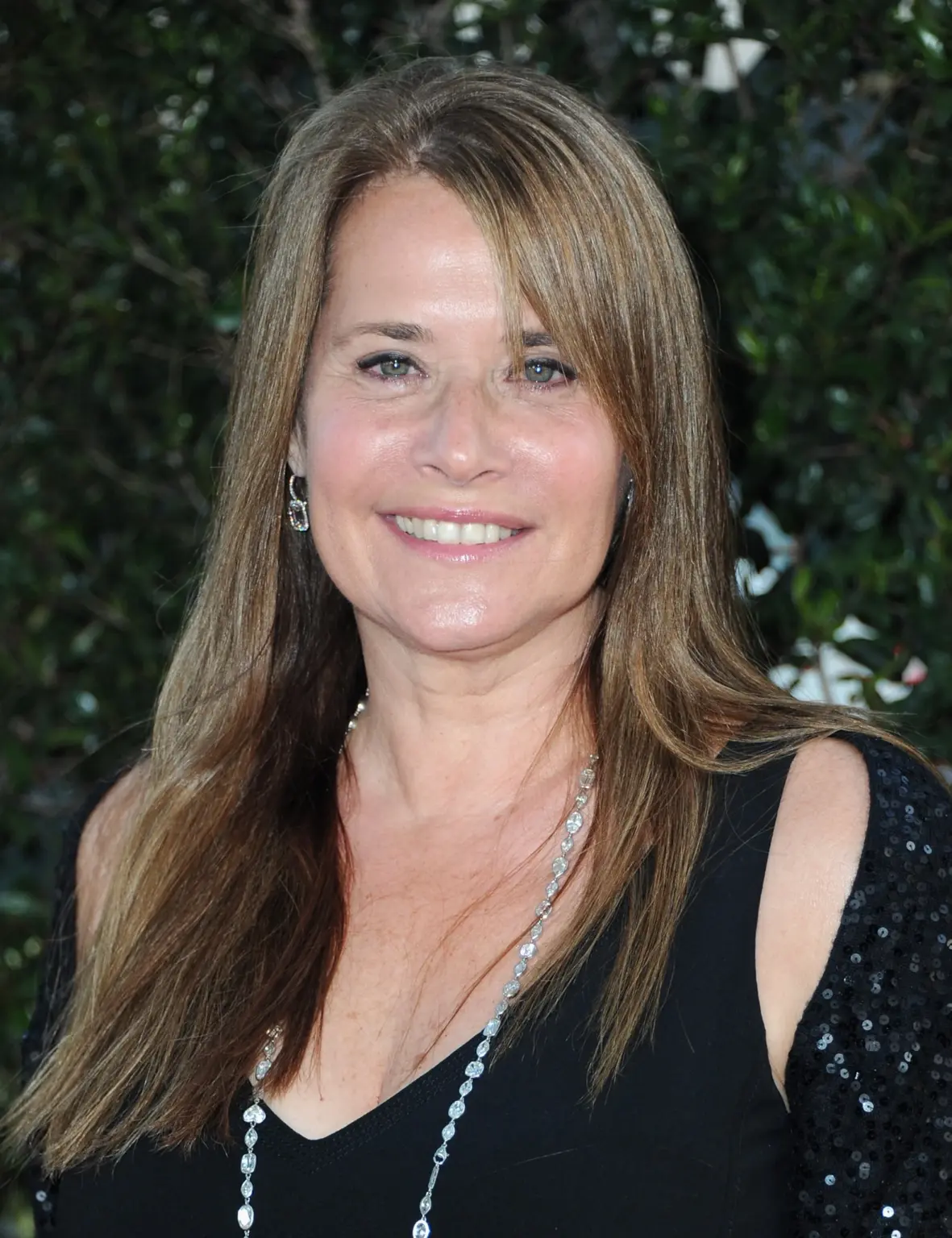
Lorraine Bracco net worth starts in Brooklyn, 1954. Bay Ridge specifically. Her father was of Italian descent. Before acting, she worked as a fashion model in Paris. It gave her both the visual poise that cameras reward and the financial independence to pursue acting without desperation. Most aspiring performers make compromises they regret. Bracco did not have to.
Her screen debut came in French cinema in 1979. Hollywood discovered her gradually, through small roles that built toward the defining moment.
The Pivot Moment
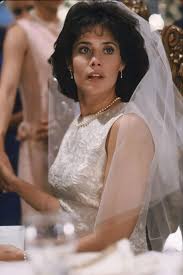 Lorraine Bracco Goodfellas
Goodfellas in 1990 was that moment. Martin Scorsese cast her as Karen Hill, the mob wife whose seduction by organized crime’s material pleasures mirrors the audience’s own seduction by the film’s glamour. That performance earned an Oscar nomination for Best Supporting Actress. It also created a permanent association between Bracco and the mafia genre that David Chase would later exploit brilliantly.
The Casting Symmetry
David Chase offered Bracco the role of Carmela Soprano. She turned it down because she did not want to play another mob wife. Instead, she chose Dr. Jennifer Melfi, Tony’s therapist. That decision ranks among the most strategically intelligent in television history. Playing Carmela would have repeated Goodfellas. Playing Melfi inverted it. Specifically, instead of being inside the mob looking out, she was outside the mob looking in. The inversion gave her career a second dimension that a Carmela role never could have provided.
The Climb
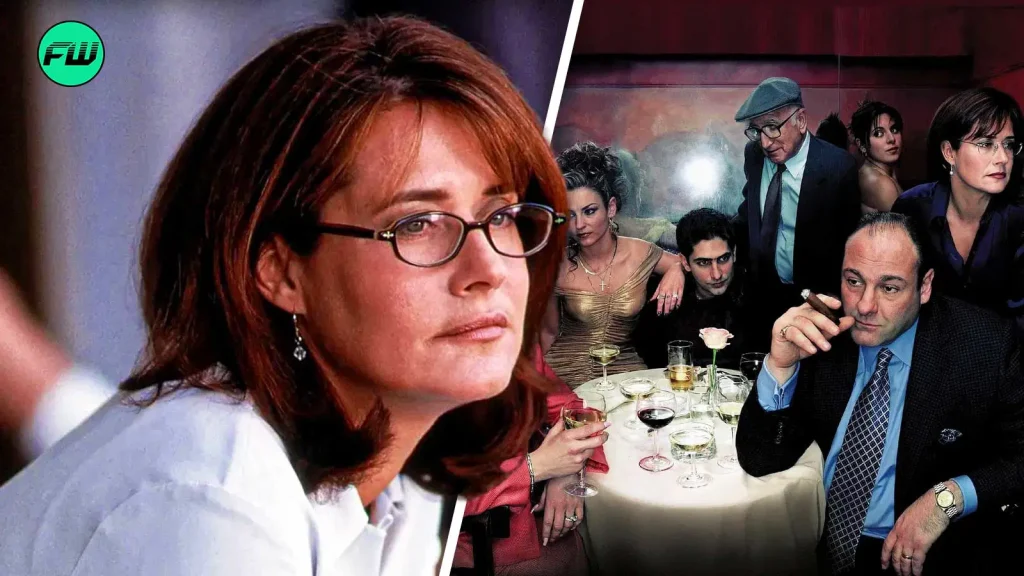 the-sopranos-actor-lorraine-bracco-david-chase
Her Sopranos salary grew from modest early-season rates to well into six figures per episode by the show’s final years. Melfi appeared in all six seasons, generating consistent income across the show’s eight-year run. That character’s decision to terminate Tony’s therapy in the series finale was one of the most discussed moments in the show’s history.
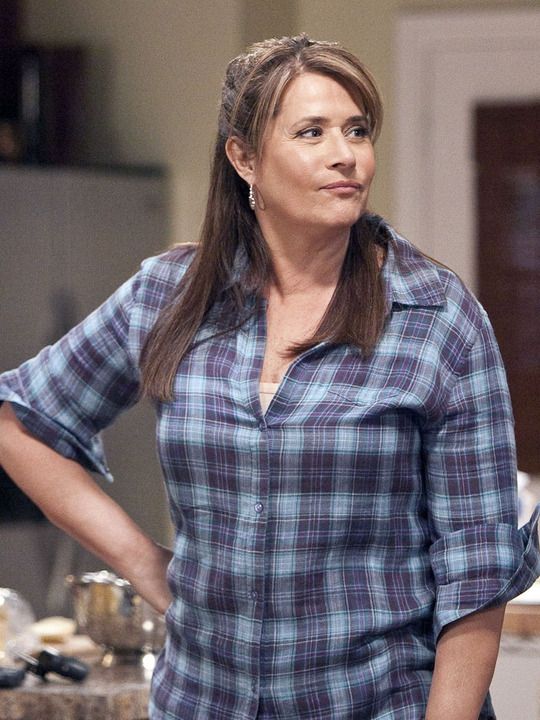 RIZZOLI & ISLES
Rizzoli and Isles on TNT ran for seven seasons from 2010 to 2016, generating the kind of steady broadcast-television income that premium cable’s shorter seasons cannot match. The show provided financial stability during the years between The Sopranos and whatever came next. Blue Bloods, BoJack Horseman voice work. The docuseries I Married a Mobster added additional revenue streams.
What She Built
Lorraine Bracco net worth at $14 million represents four decades of work across film, premium television, broadcast television, and voice acting. The Oscar nomination for Goodfellas established the credential. The Sopranos exploited it for eight years. Rizzoli and Isles capitalized on the mainstream recognition that six seasons of HBO had generated.
The Soft Landing
Bracco is seventy-one. Her career spans the entire arc of the antihero era, from Goodfellas’ inaugural mob-wife role to The Sopranos’ definitive mob-therapist role. She played both sides of organized crime’s emotional economy and built $14 million doing it. The Brooklyn girl who modeled in Paris before Scorsese found her has outlasted trends, genres. The specific cultural moment that created her most famous roles. That durability is itself worth more than any published net worth figure suggests.
Read more about the full cast in our Sopranos Cast Net Worth hub, or explore the Prestige TV Antihero Cast Net Worth pillar.
The Deeper Layer
The fashion modeling career in Paris provides biographical context that most net worth analyses omit but that materially shaped Bracco’s trajectory. Living in Europe in her twenties gave her cosmopolitan polish and visual sophistication that American-trained actresses of the same era typically lacked. That polish is visible in every scene she performs. It is one of the reasons Scorsese cast her in Goodfellas: she looked like she belonged in the world of organized crime’s material excess because she had actually lived in the world of fashion’s material excess. The two worlds share more aesthetic DNA than either would admit.
Her personal life has included financial complexity that the $14 million figure does not fully capture. A highly publicized custody battle with actor Harvey Keitel over their daughter Stella generated significant legal costs. Similarly, her marriage to and divorce from actor Edward James Olmos added another layer of personal financial restructuring. These events, common among high-profile entertainers, illustrate that net worth figures represent the net result of both income and expenditure. That the expenditure side of the ledger for celebrities often includes costs that ordinary households never face.
The Compound Effect
Additionally, Rizzoli and Isles deserves more financial attention than it typically receives. The TNT series ran for 105 episodes across seven seasons, generating the kind of volume-based income that premium cable’s shorter seasons cannot match. At broadcast television rates, which typically pay less per episode but produce more episodes per year, the total series income likely reached $3 million to $5 million. That figure, combined with Sopranos residuals still flowing from HBO, creates a multi-source income architecture. It has sustained her net worth through decades following her most visible roles.
The Positioning
The Dr. Melfi character deserves financial analysis as a cultural asset because of what it contributed to the therapy industry specifically. Before Melfi, therapists on television were either wise oracles or punchlines. Melfi was the first therapist character who was portrayed as a skilled professional navigating a genuine ethical dilemma: treating a patient she knows is a murderer. The character’s complexity elevated the public perception of therapy as a profession, which increased demand for therapeutic services, which increased the earning potential of real therapists. Bracco’s performance generated economic value for an entire profession. None of it appears on her personal balance sheet. All of it represents the downstream impact of a single character performed with intelligence and conviction.
The Compound Effect
Her real estate investments, while not publicly itemized, reportedly include properties in the Hudson Valley region of New York. She has appeared on home renovation television programs, demonstrating an interest in real estate that extends beyond investment into genuine passion. Entertainment income plus real estate appreciation. That is the wealth-building formula most high-net-worth entertainers follow. Bracco’s engagement with both suggests her $14 million net worth includes a meaningful real estate component. It appreciates independently of her acting career.
The Compound Effect
Additionally, the Goodfellas-to-Sopranos career arc gives Bracco a unique position in the cultural history of organized crime entertainment. She is the only actress who played a principal character in both the most important mob film and the most important mob television series. That distinction is not just trivia. It represents a career positioning that no other actress can claim. Notably, it means Bracco occupies a permanent and uncontested niche in the organized crime genre. That niche generates speaking fees, documentary appearances, convention invitations. The kind of perpetual cultural relevance that sustains income long after the original performances have ended.
The custody battle with Harvey Keitel, while personally devastating, inadvertently generated public sympathy that enhanced Bracco’s screen persona as a woman of strength navigating difficult circumstances. That parallel to Dr. Melfi, a woman maintaining professional composure while dealing with a dangerous man, was not lost on audiences who followed both the character and the actress. That parallel between life and art deepened the audience’s emotional investment in Melfi and, by extension, in The Sopranos itself. In other words, Bracco’s personal struggles contributed to the show’s cultural impact in ways that are impossible to quantify but equally impossible to deny.
Her recent work in the comedy film Nonnas alongside former castmate Drea de Matteo signals something. She is willing to explore lighter material. That willingness could open new revenue streams in comedy and family entertainment. At seventy-one, Bracco is not retiring. She is diversifying. Applying the same strategic intelligence that led her to choose Melfi over Carmela three decades ago. New career decisions designed to extend her earning years beyond the dramatic roles that defined her peak.
You are reading this because you already understand something most people scroll right past. The intersection of culture, money, and taste is not a Venn diagram. It is a mirror. Social Life Magazine has spent 23 years holding that mirror up to the people who shape the Hamptons, Manhattan, and the corridors between them. If you see yourself in these pages, we should talk. Reach out at sociallifemagazine.com/contact.
If your brand, your launch, or your personal story belongs in front of 82,000 affluent readers and a digital audience that keeps growing, our editorial features are built for exactly that moment. Learn more at Submit a Paid Feature.
Our email list reaches 82,000 subscribers who actually open, read, and act. If your audience is high-net-worth, culturally engaged, and based between Park Avenue and Montauk, you are already in the right place. Join the list.
Polo Hamptons returns to Bridgehampton this July with 1,200 guests, Getty Images coverage, and seven years of BMW title sponsorship behind it. If your brand belongs in that conversation, visit polohamptons.com.
A print subscription to Social Life Magazine puts 25,000 copies per issue into the boutiques, lobbies, and living rooms where decisions get made, from Westhampton to Montauk every summer and Upper East Side doorman buildings for Fall and Winter. Subscribe at sociallifemagazine.com/subscription.
If this publication has added value to your world and you want to support independent luxury journalism, you can contribute directly at our donation page.