
Former England rugby international’s life fell apart after he fell victim to a scam and lost everything
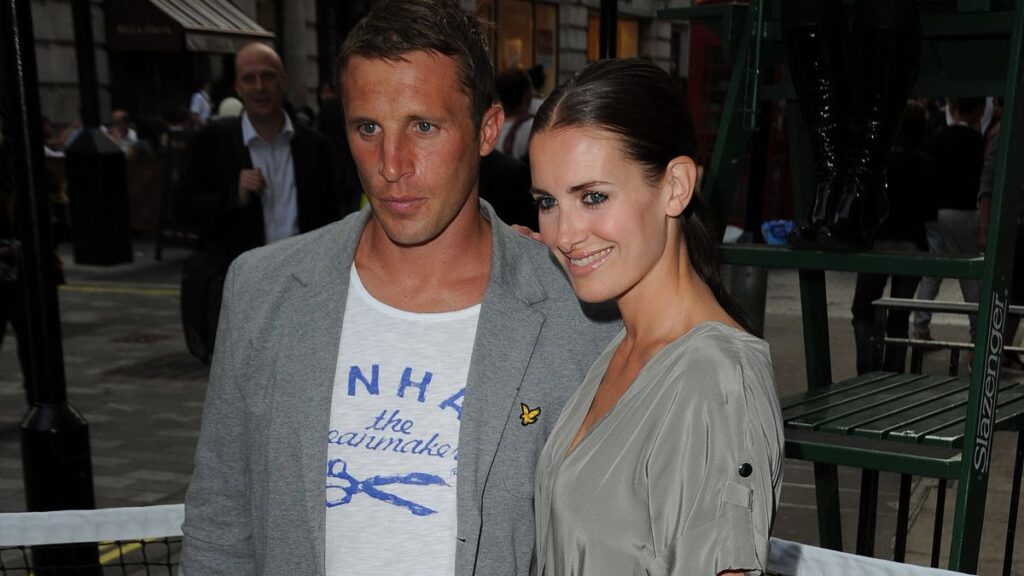
Kirsty Gallacher and Paul Sampson(Image: Eamonn McCormack)
Former England rugby international Paul Sampson, who was previously married to TV presenter Kirsty Gallacher, has revealed he was left penniless and homeless after falling victim to a £450,000 scam.
Sampson shares two teenage sons with Gallacher but the couple split in 2015. He is now working 53 hours-a-week in a warehouse in an attempt to get his life back on track.
The three-cap England international told The Times he has been diagnosed with severe post-concussion syndrome (PPCS) after his rugby career, something which affects his memory and judgement.
Sampson saw his life crumble in 2019 after he was duped into investing huge amounts of money into a defence start-up company. He says he made five payment totalling £450,000, selling a property, using his savings and taking a loan from his partner’s parents. He was promised returns of £11,000 a month but, after initially receiving them, they stopped and directors of the company began to ghost him.
The 48-year-old says he lost his home and his relationship and was forced to sleep in his car. He has since sought medical help for persistent headaches and was diagnosed with PPCS in 2023. He is also part of the group of former rugby players taking legal action against World Rugby, the Rugby Football Union and the Welsh Rugby Union over brain injuries. The governing bodies deny liability.
“It’s only in the past few years I’ve understood the effect it’s had. My brain gets overwhelmed and can’t process situations – it just shuts things out,” he told The Times.
“For that reason it took me years to even realise I’d been a victim of a fraud.
“I suspect it’s a vulnerability that the people who took my money could see in me immediately. For them it was an opportunity to exploit me while they were pretending to help me. It has devastated my life.”
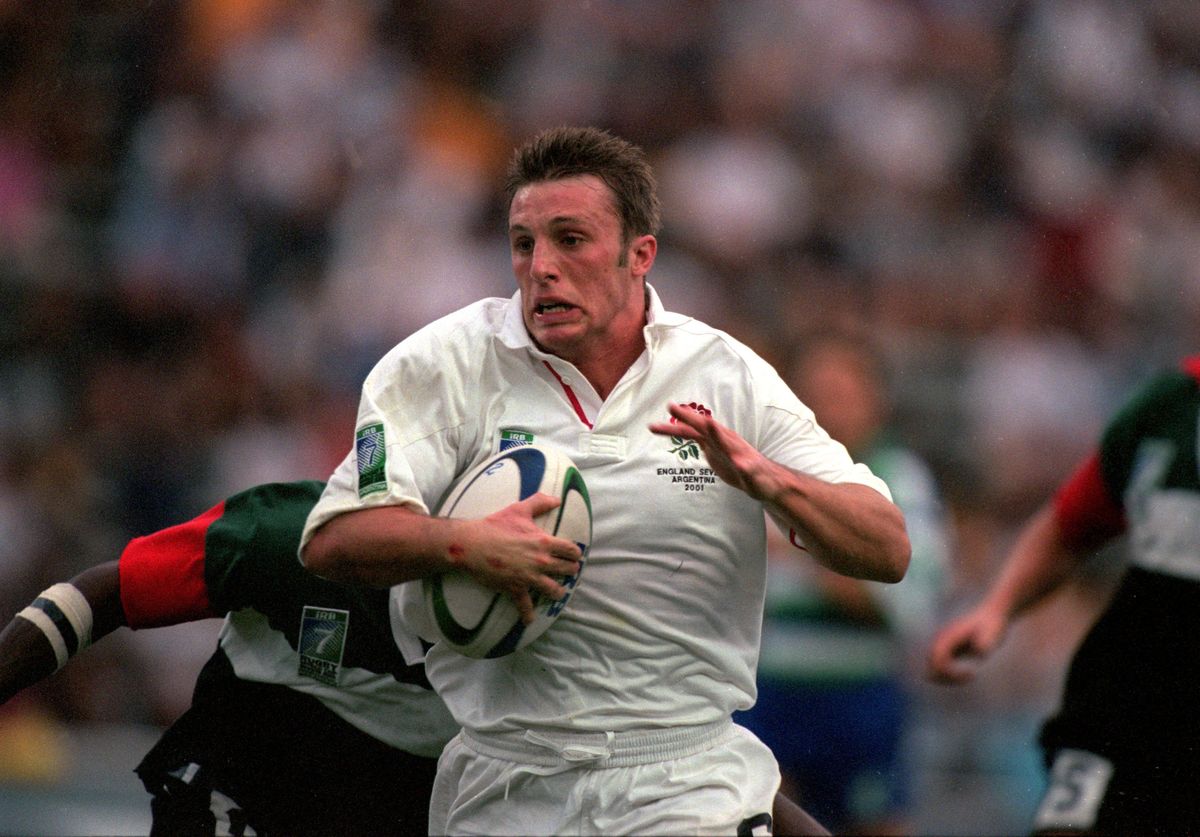
Paul Sampson in action for England(Image: Dave Rogers /Allsport)
The alleged scammers told Sampson they were bidding for contracts with Nato, the UN and UK Government. He was hosted for an evening at London’s Special Forces Club and promised role involved with military mental health
The scam started when Sampson transferred an initial £50,000, having allegedly been told the firm was bidding for contracts with Nato, the UN and the Government.
He was then wined and dine at London’s Special Forces Club and promised a role in military mental health, he claimed.
Sampson reported the fraud to Barclays in 2025, but saw his claim rejected as it was outside the six-year time limit.
The National Fraud helpline then got involved, asking Barclays and the Financial Ombudsman to review the case.
Barclays said in a statement: “We have every sympathy for Paul, and the position this has left him in. Five payments were made in early 2019 to two companies.
“When Paul attempted to make the payments, we held four scam prevention conversations with him to check he did not believe he was the subject of a scam. Two were by phone and two face-to-face in branch. At the conclusion he confirmed he wanted the payments to be made.
“All customers have six years to report scams and complaints. Unfortunately, Paul did not do this and the case has fallen outside the deadline. At no point during that time did he tell us he had been scammed.”
The Financial Ombudsman Service said it does not comment on individual cases.
Martin Richardson from the National Fraud Helpline told The Times: “The fraudsters not only took advantage of Sampson’s affinity for the military and desire to work with them in a mental health environment, they clearly also took advantage of his own neurological deficits in rushing him into making the supposed investment.
“[He was] induced into making the investment while still going through an extremely difficult period of his life following the collapse of his marriage.”
Sampson added: “I have to live the rest of my life having lost everything, and thinking about the manner in which it was taken just doesn’t go away.”