
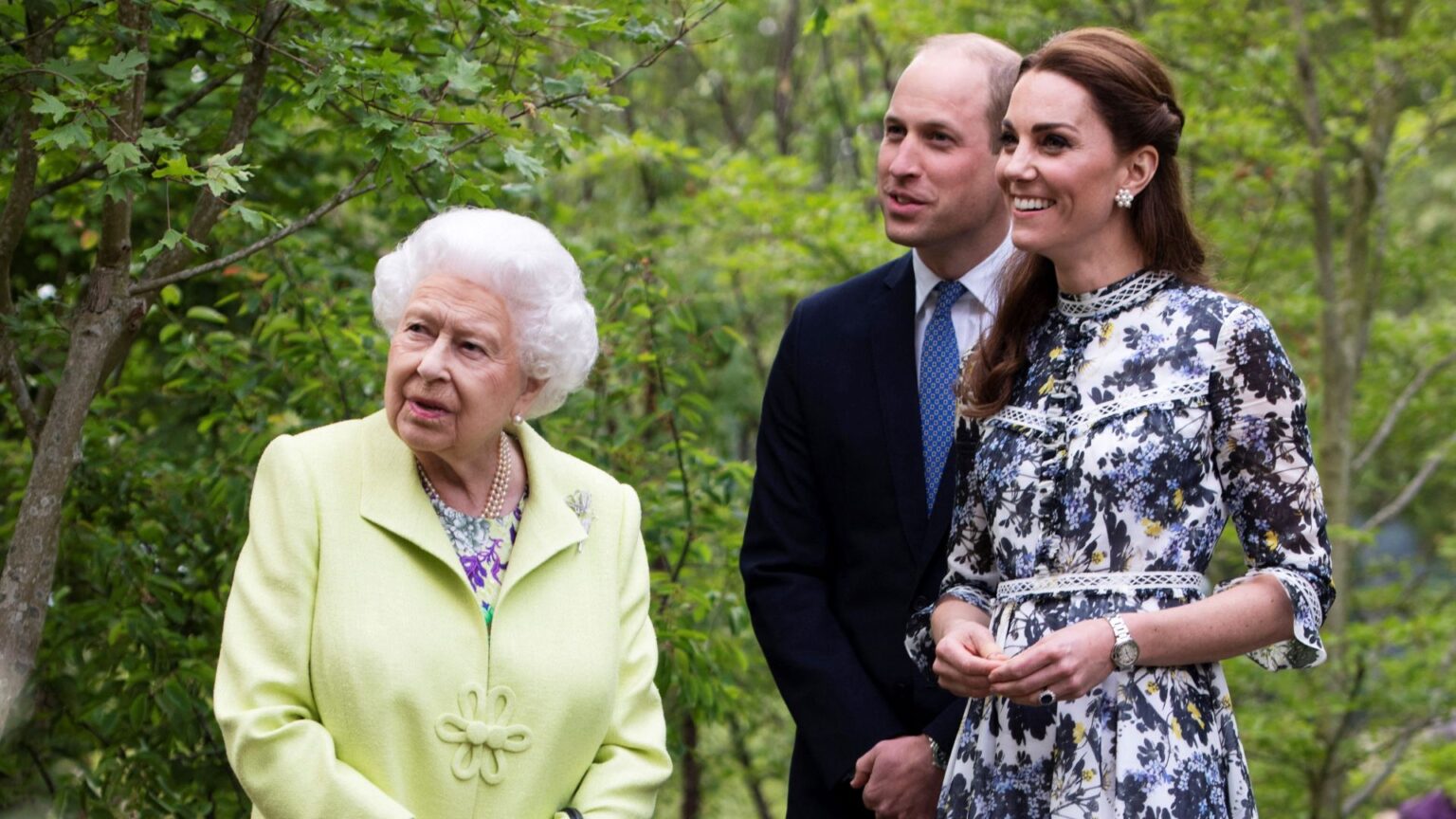
Queen Elizabeth II lived an incredible life, which included serving as the British monarch for seven decades. When Elizabeth died on September 8, 2022, her son King Charles took the throne. But according to one royal expert, the late Queen’s death created a “vast chasm.”
Majesty’s editor and respected royal expert Ingrid Seward wrote for the Sun, “We knew it would be the end of an era when we lost Queen Elizabeth—but the chasm she has left in public life is vast.”
Referencing tumultuous global politics, Seward wrote, “The old certainties have gone. There are no Churchillian leaders to guide us. Patriotism has declined, everyone is complaining.”
Article continues below
You may like
According to the royal expert, the former monarch had a talent for uniting people.
“Tiny, reticent, and dignified, The Queen was always there as a pillar of stability and continuity,” Seward shared. “A smudge of vivid color on a stormy day.”
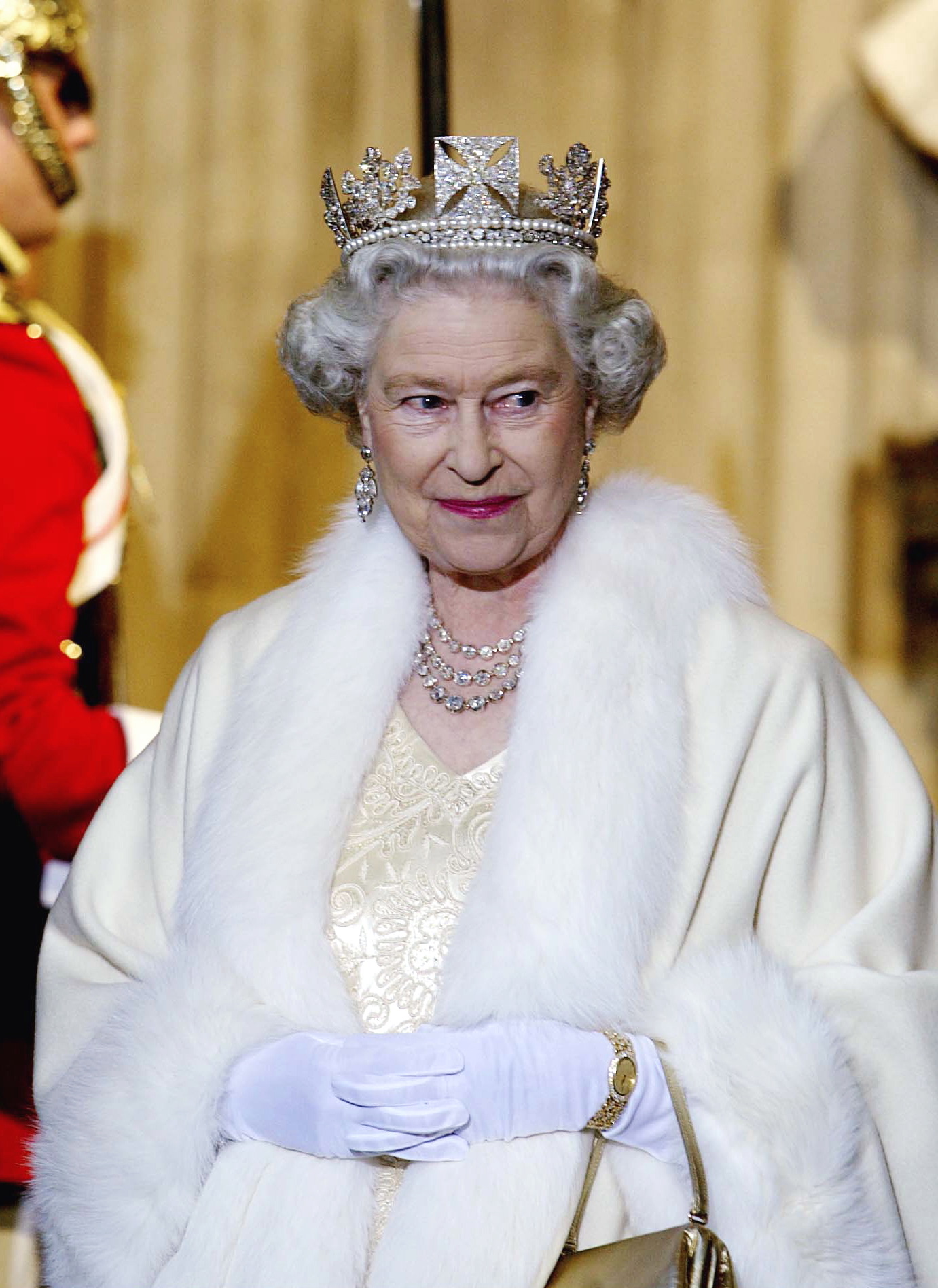
“A smudge of vivid color on a stormy day.”
(Image credit: Getty Images)
Seward proffered that Queen Elizabeth “represented commitment” to people all over the globe, making her a crucial symbol.
“She exuded what is called majesty, and when her loyal staff went to see her in her private rooms, they talked about going into ‘the presence,'” Seward wrote.
Noting that Queen Elizabeth was known for her love of horses and dogs, Seward suggested that the monarch was an important reference point.
“It was comforting and secure to know how she would feel about the dramas of her age,” Seward said.
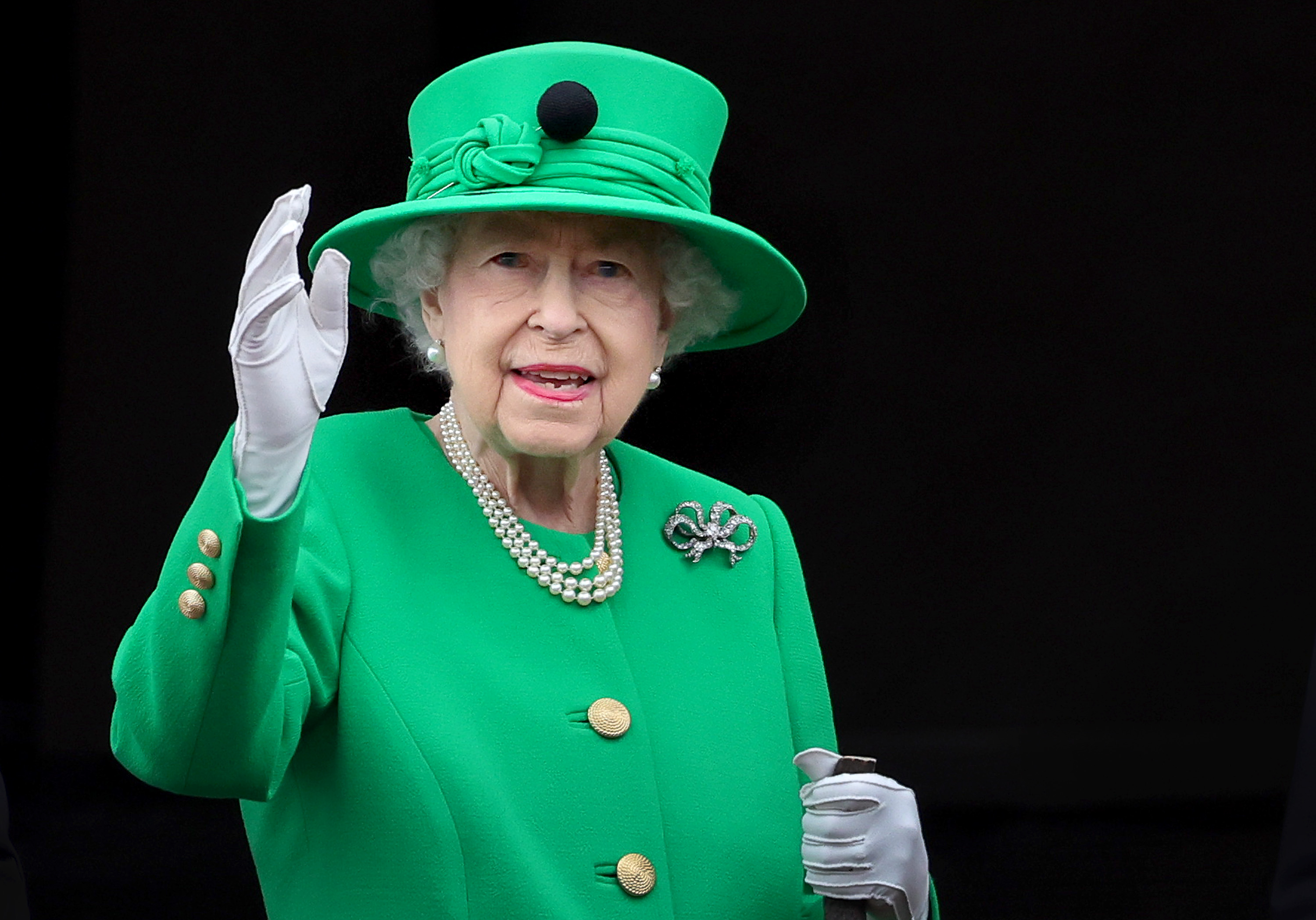
“The Queen was always there as a pillar of stability and continuity.”
(Image credit: Getty Images)
According to the expert, Queen Elizabeth’s alleged “calming influence on world affairs” is missed now more than ever.
While Seward offered some praise to King Charles, the royal expert also shared her belief that no-one can take the late monarch’s place.
“King Charles has done a brilliant job—he is a fantastic ambassador—but the respect The Queen commanded was on a different level,” Seward explained.
TOPICS
Queen Elizabeth II