
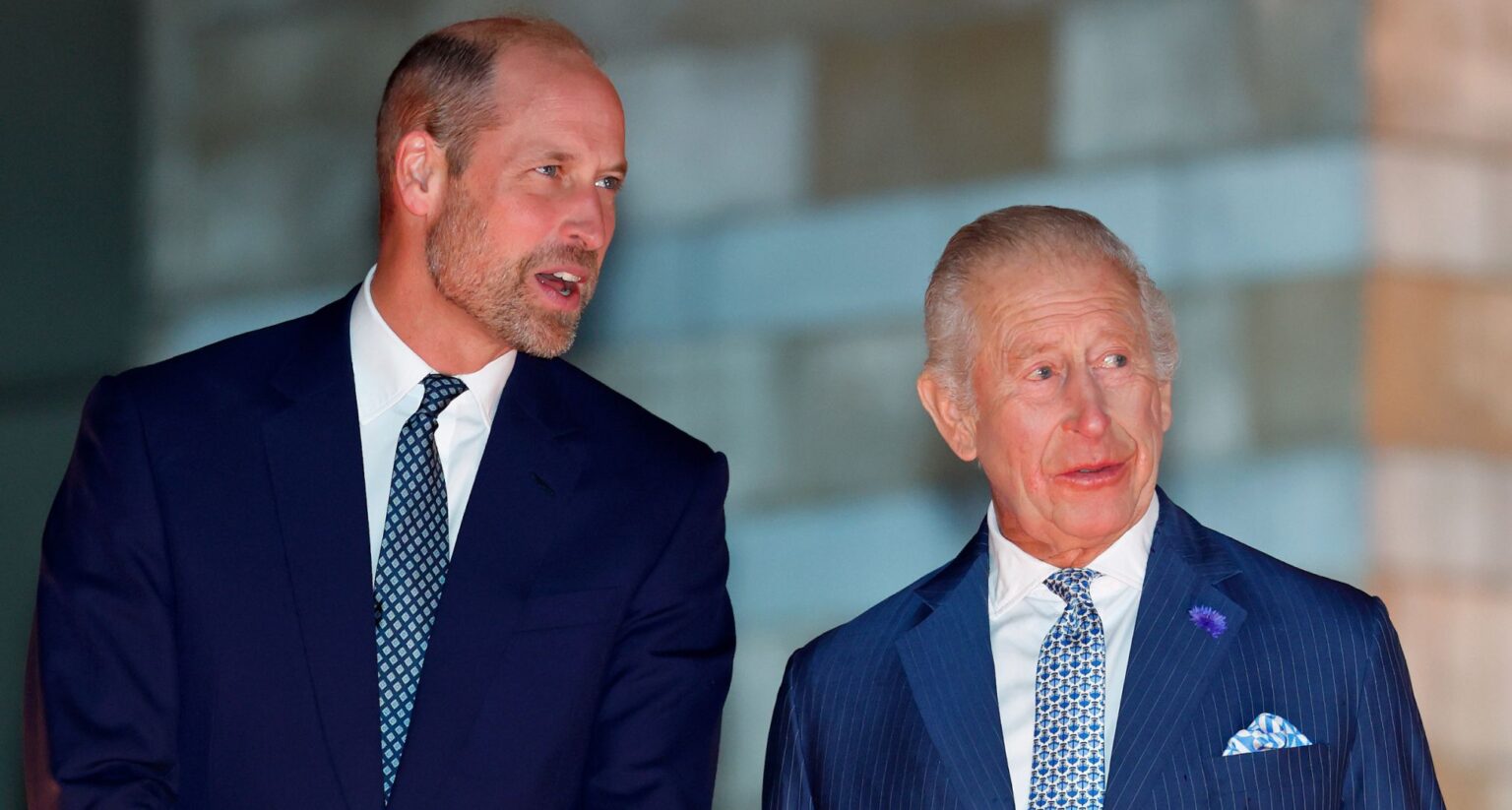
Queen Elizabeth carefully controlled what the world saw during her reign, projecting restraint in public while revealing a “sharp” and “decisive” side behind palace doors, as royal biographer Robert Hardman recently told Marie Claire. Now that King Charles is on the throne, he’s modernized and streamlined the monarchy in his own way while staying true to the traditions at the heart of the Crown. Although Prince William has discussed his own plans for change, Hardman says that the Prince of Wales is actually not nearly as “radical” as his father.
As King Charles settles into the role he spent a lifetime preparing for and Prince William begins outlining his own vision, the late Queen’s influence is emerging in different ways. “He is, I would say, as happy as I’ve ever seen him,” Hardman says of King Charles, who the biographer has been writing about for more than 30 years.
After taking on the top job in his seventies, The King now approaches his role with “a genuine sort of purpose and an energy,” the author says. That sense of purpose, he suggests, reflects a King who has seen the role as both his solemn duty and a job he thoroughly enjoys.
Article continues below
You may like
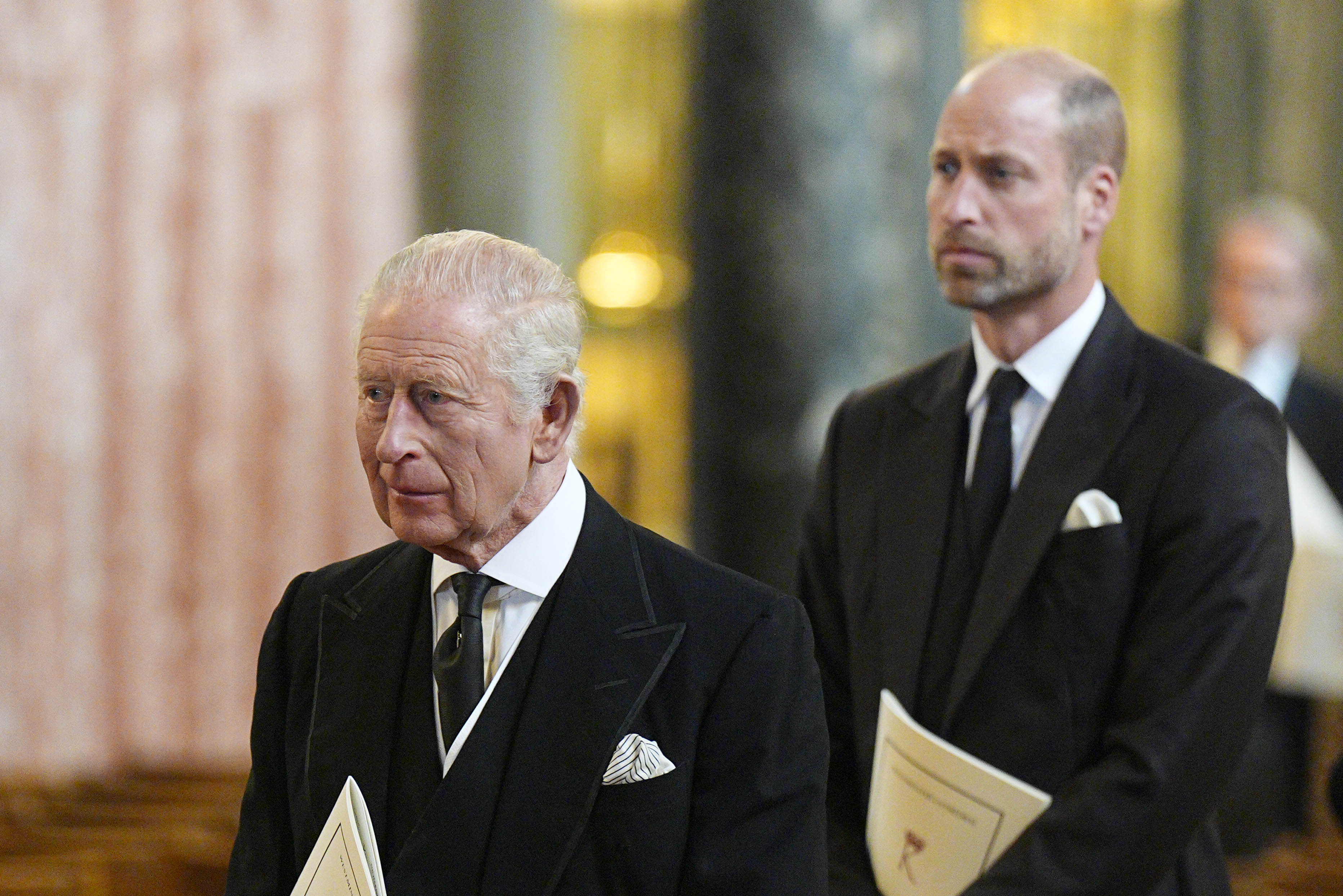
“Charles is a deep thinker,” Hardman says. “He’s a reader. He’s a workaholic.”
(Image credit: Getty Images)
“He’s never been shy of work,” the biographer says, adding The King is “quite happy staying up all night” at his desk and “being handed extra bundles of work.”
While Charles has been defined by decades of preparation, Prince William is approaching the job from a different angle. The Prince of Wales, who is a father to three children under 13, is “very much a family man,” Hardman says, and that priority shapes how he views his role and the future of the monarchy.
“He talks about change, but I think the sort of change he has in mind will be sort of internal. It might be sort of tonal,” Hardman says of William. The biographer suggests that any shift is more likely to focus on making the monarchy “a little bit less ceremonial” with “a little less dressing up,” versus fundamental reform.

Prince William is planning a “less ceremonial” monarchy, Hardman says.
(Image credit: Getty Images)
“I don’t think he’s instinctively radical whereas his father, I think, was,” Hardman says. “I mean, you look at when Charles was William’s age now, he was constantly making speeches complaining about the state of architecture, education, heritage, pollution…he was a very outspoken heir to the throne.”
Although Charles and William share a passion for protecting the environment, the Prince of Wales takes a different approach than his father. Instead, Hardman compares William to Queen Elizabeth’s father, King George VI.
“William’s rather like The [late] Queen’s father, you know. He’s sort of dutiful, thoughtful, keen to do a good job, but not desperate to change the world.” Hardman notes that the late Queen also had a great deal of influence on Prince William.
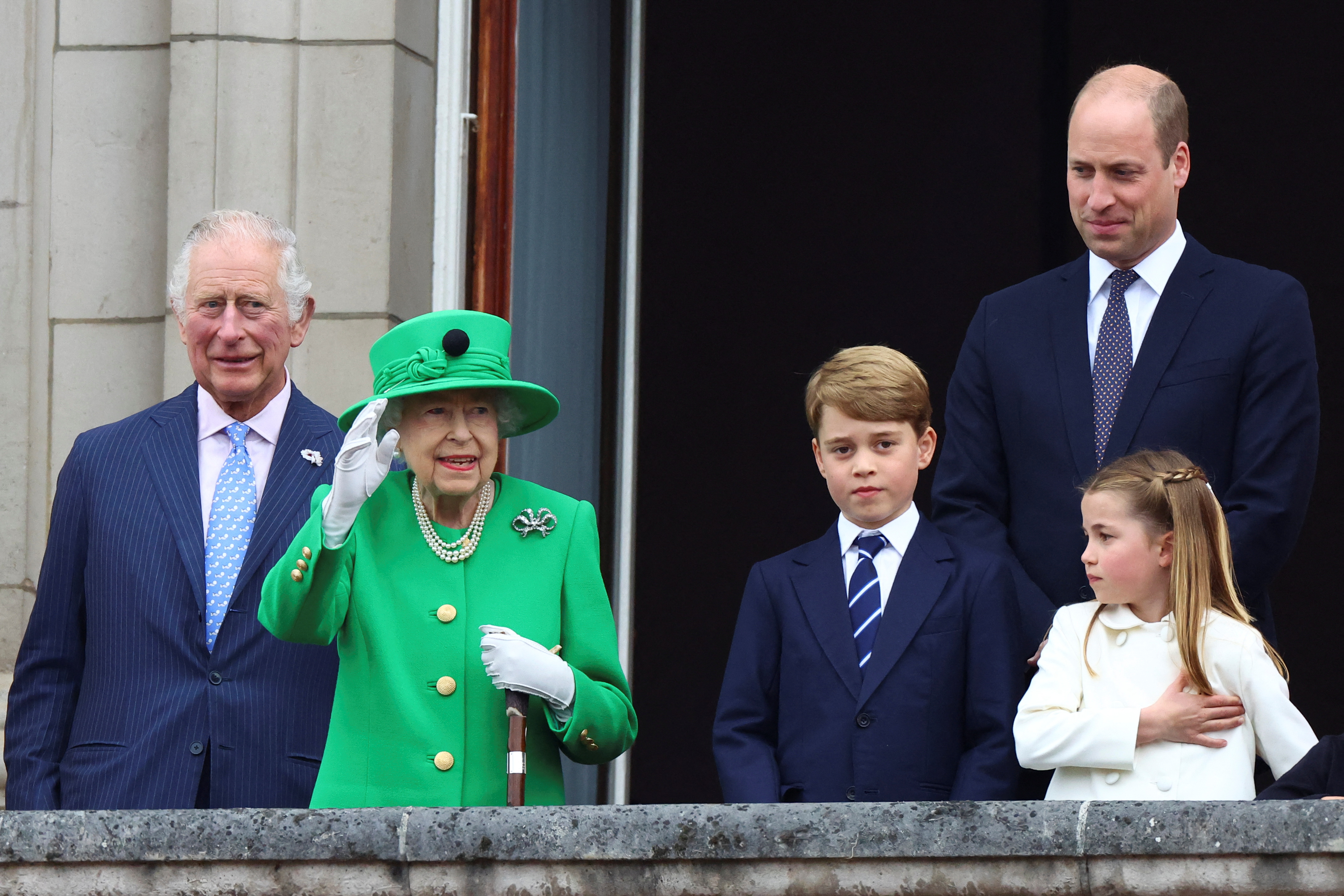
Hardman says Queen Elizabeth “had a huge influence on” Prince William.
(Image credit: Getty Images)
“She changed the institution a lot, but incrementally,” the author notes. “You had a philosophy which she talked about once in one of her Christmas broadcasts, which is a phrase I heard her use quite a few times about small steps.”
Like Prince William and his Earthshot Prize initiative, the late Queen believed everyone could do their part in making the world a better place. Unlike politicians, the late monarch didn’t buy into “big messages and big slogans and big change,” Hardman says. Instead, like her grandson, Queen Elizabeth “liked the idea of the cumulative effect of lots of small, good things.”
In that sense, the Prince of Wales is a lot like the late Queen, after all.