
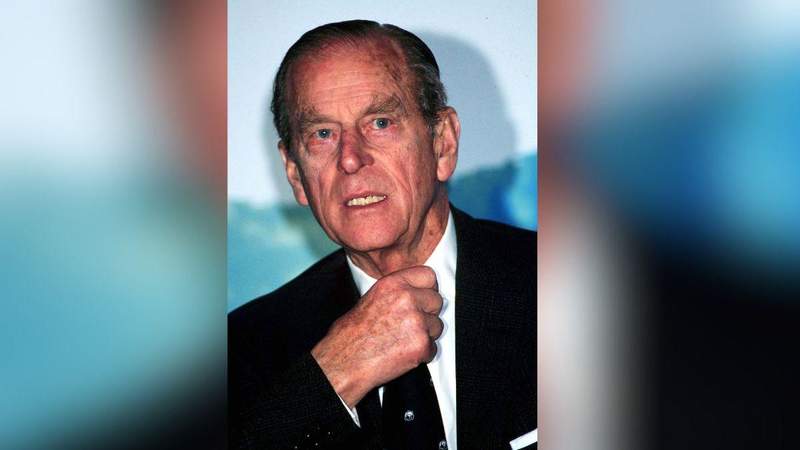
Inside the royal family tradition that led to Prince Philip’s pancreatic cancer being kept a secret.MEGA
Prince Philip is said to have endured a long, largely hidden battle with pancreatic cancer – with insiders now telling OK! the “brutal” royal tradition of maintaining a stiff upper lip was a key reason his illness remained secret for years.
Philip, who died in April 2021 at age 99, was diagnosed with cancer in 2013 and lived with the disease for eight years, according to new details revealed by royal biographer Hugo Vickers in his book Queen Elizabeth II: A Personal History.
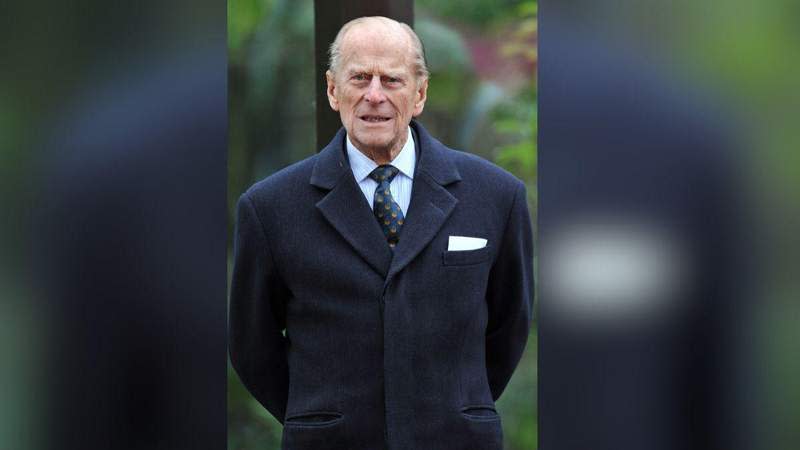
Prince Philip reportedly had pancreatic cancer.MEGA
The Duke of Edinburgh, husband to Queen Elizabeth II, continued to carry out public duties after his diagnosis, despite periods of declining health, with much of his condition kept from public view.
He said: “There was a time, you might have forgotten, when he disappeared for several months and he basically was sitting on a chaise longue.”
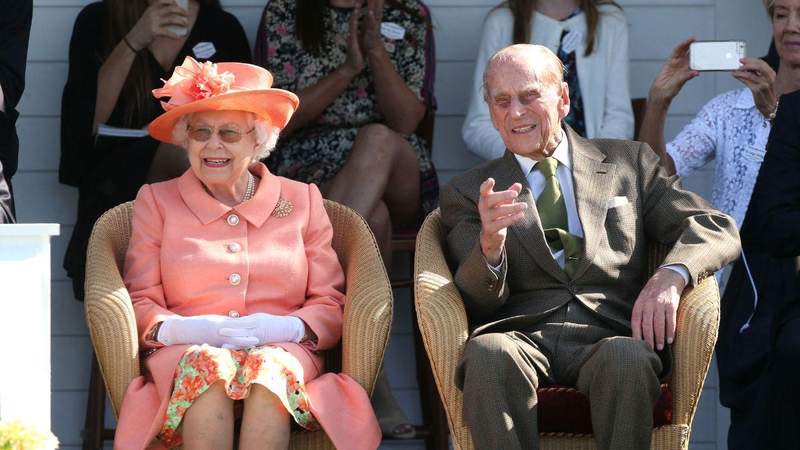
Prince Philip continued to carry out public duties after being diagnosed with cancer.MEGA
A source familiar with royal protocol told us: “For generations, there’s been a deeply embedded culture within the royal family that prioritizes appearing unwavering and composed, no matter the circumstances. That ‘stiff upper lip’ mentality isn’t just encouraged – it’s always been expected, especially of men from Philip’s generation, and it can be quite unforgiving. While it’s often framed as dignity and duty, the reality is that it can place an enormous personal burden on individuals who are dealing with very real struggles behind the scenes. In Philip’s situation, that longstanding tradition played a central role in how his illness was handled. The decision to keep details tightly controlled wasn’t solely about respecting his privacy – it was also about maintaining a carefully managed public image of strength and stability he truly believed in. Even as he was confronting a serious and prolonged health battle, the priority remained presenting a sense of resilience to the outside world, rather than revealing the full extent of what he was going through.”
Our source added: “That stretch of time when Philip withdrew from public duties was far more serious than it may have appeared from the outside. Within royal circles, there was a clear awareness of the scale of what he was dealing with, but that understanding was very carefully contained. What the public saw was a far more measured, controlled version of events that didn’t fully reflect the reality of his suffering.”
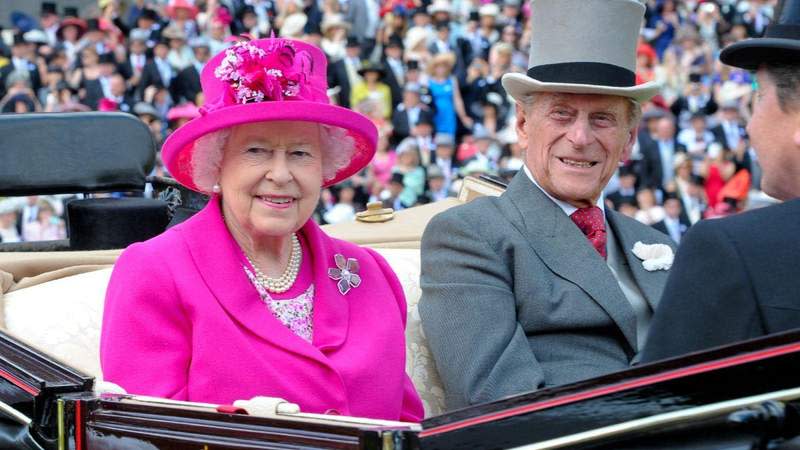
Prince Philip eventually withdrew from his royal duties.MEGA
“It really speaks to a deeply rooted way of operating within the monarchy. There’s a strong preference for handling anything difficult or potentially destabilizing behind closed doors. The priority is always to present a composed, steady front to the world, even if that means keeping the more challenging truths firmly out of sight,” they added.
Historically, the royal family has often opted not to disclose detailed medical information – but it’s a practice that has gradually shifted in recent years.
In 2024, King Charles, 77, and Kate Middleton, 44, both publicly confirmed they had been diagnosed with cancer, though specific details about their conditions were not disclosed.
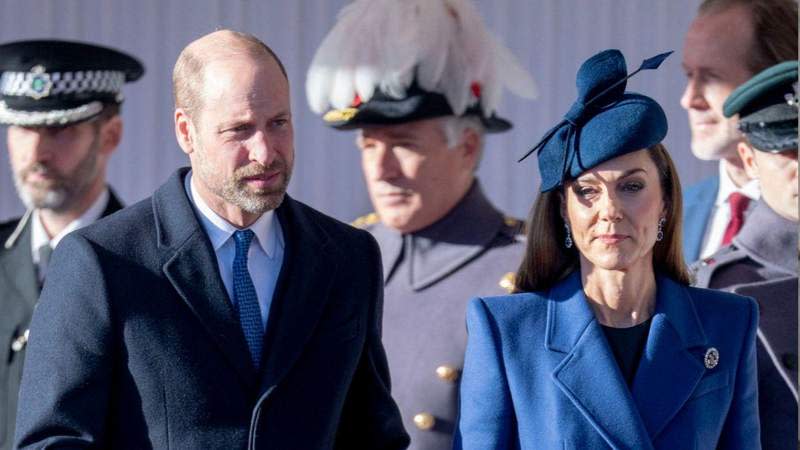
Princess Kate did not specify details of her cancer diagnosis.MEGA
Vickers addressed the evolving approach to royal health disclosures within The Firm, saying: “I think in some ways, people now sometimes say too much. We don’t need to know every single detail. And indeed, of course, with the present Princess of Wales, we don’t know details and rightly so in my view. It’s understood Catherine and Charles chose to share news of their diagnoses to raise public awareness of the importance of getting regular cancer screenings and health checks.”
A palace aide told us: “There has definitely been a gradual move toward being more open with the public in recent years, but it’s far from a complete transformation. It remains a very careful balancing act – the desire for the royals to be transparent sits alongside their deeply ingrained instinct to shield personal matters. That protective reflex hasn’t gone away, it’s simply evolved in how it’s managed and communicated. What happened with Philip really highlights just how influential that more traditional mindset of keeping a stiff upper lip was at the time. It dictated not only how his illness was handled internally, but also how much information was deemed appropriate to share externally. Decisions about what the public saw, and what was kept private, were very much shaped by that longstanding belief in maintaining discretion above all else.”
Read more at OK!
Get OK!’s biggest scoops and scandals delivered right to your inbox. Sign up now.
FOLLOW OK! ON WHATSAPP HERE: Stay across all the latest in celebrity, entertainment, and pop culture via our WhatsApp channel. No comments, no algorithm and nobody can see your private details.