
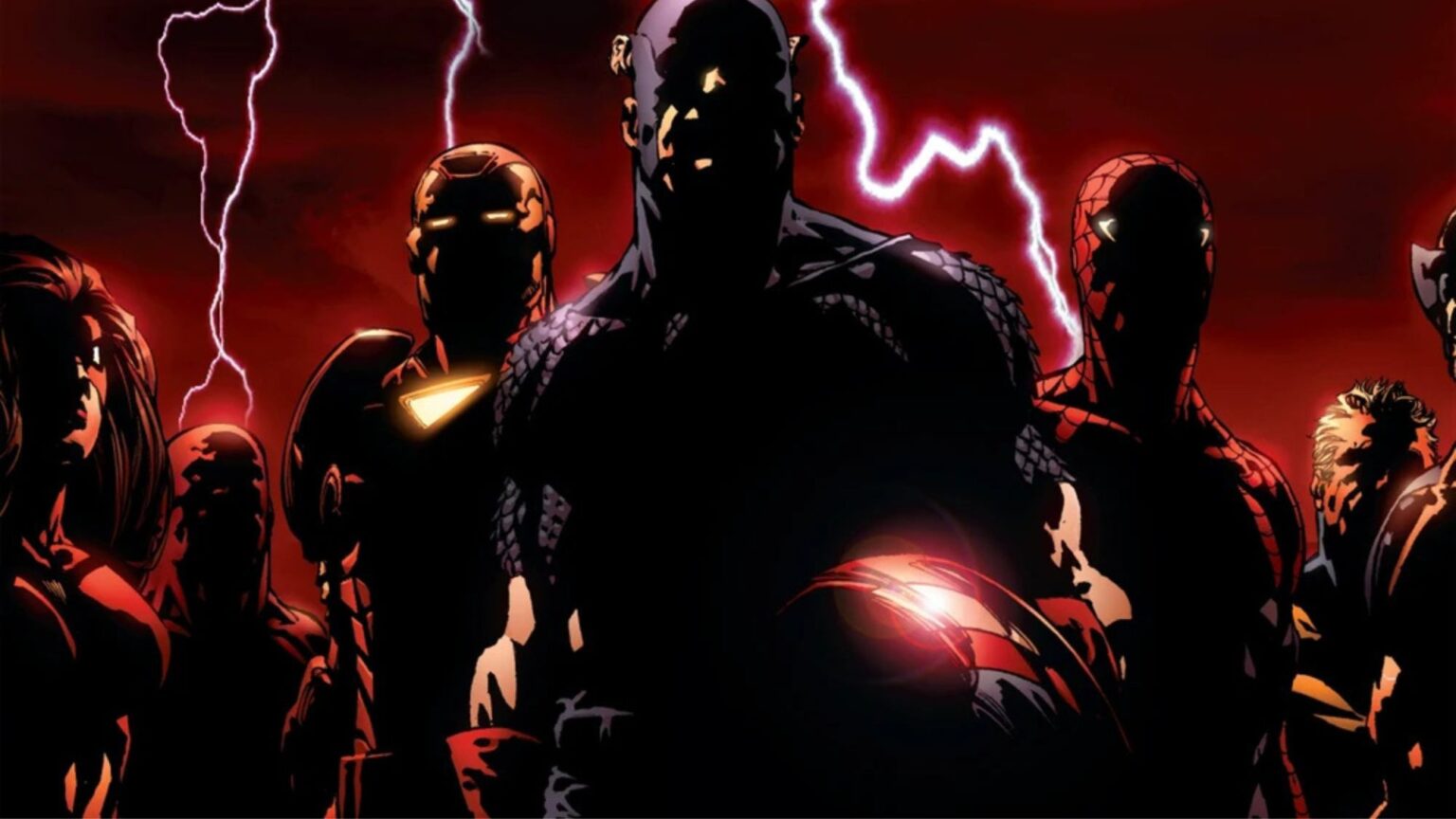
After a stretch of Phase 4 and 5 projects that included the critical disappointment of Ant-Man and the Wasp: Quantumania and Secret Invasion, Marvel Studios has spent the past year rebuilding audience trust. Thunderbolts* earned an 88% score on Rotten Tomatoes, and The Fantastic Four: First Steps followed with an 86%, the first time the studio had put back-to-back films at that threshold since 2019. On the television side, Wonder Man launched in January 2026 to critical acclaim and was renewed for a second season within weeks of its Disney+ premiere, while the animated Marvel Zombies delivered one of the franchise’s most distinct genre departures in the franchise’s streaming history. Spider-Man: Brand New Day and Avengers: Doomsday are now among the most anticipated theatrical releases of 2026. Through all of it, Daredevil: Born Again has been threading together the street-level tier of the MCU while teasing larger developments.
Warning: Spoilers follow for Daredevil: Born Again, Season 2, Episode 6, “Requiem. In “Requiem,” Jessica Jones (Krysten Ritter) returns to the MCU as she’s ambushed at her suburban home by operatives sent by Mr. Charles (Matthew Lillard), a CIA operative coordinating covert superhuman recruitment on behalf of director Valentina Allegra de Fontaine (Julia Louis-Dreyfus). She reveals Charles had previously approached her to scout powered individuals for off-books work: “I told him to f*** off. Not everyone I know did.” The episode never confirms on-screen who accepted his offer, but the framing points directly to Luke Cage (Mike Colter). Jones’s daughter Danielle is shown to be Cage’s child in all but name, so Cage’s absence from the MCU, previously a dangling thread from the Netflix era, is now positioned as a deliberate story beat. If he accepted Charles’s recruitment, he would be embedded inside the same governmental structure that recently led to the emergence of the New Avengers.
Luke Cage Was Part of One of the Best Avengers Eras
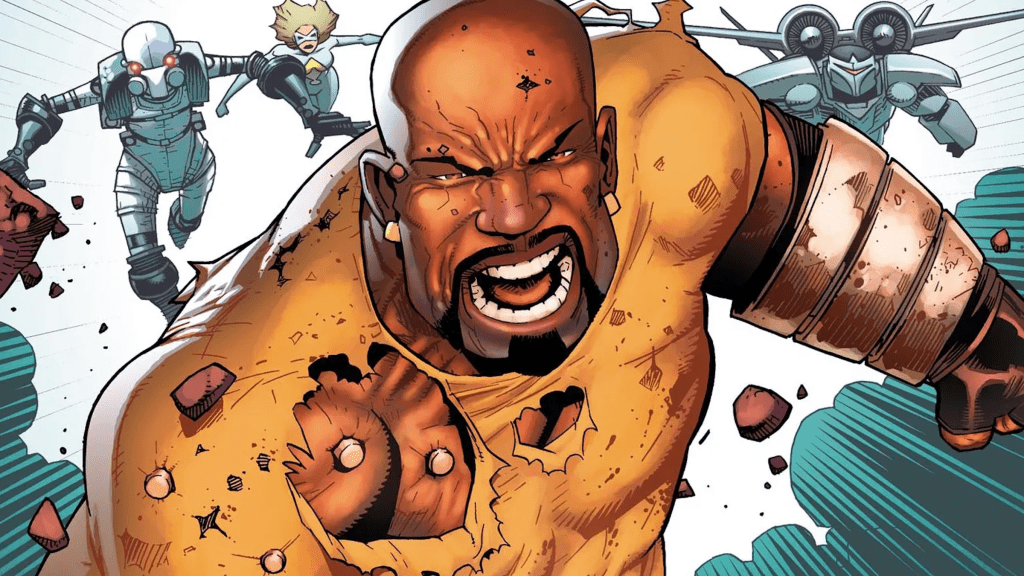 Image Courtesy of Marvel Comics
Writer Brian Michael Bendis reimagined the Avengers in 2004 by dismantling the old institutional version of the team and rebuilding it around characters who had never carried the title before. The result, launched in New Avengers #1 in early 2005, assembled a team by chance during a mass breakout at the Raft, a maximum-security offshore prison housing the most dangerous superpowered criminals in the Marvel universe. Cage was on-site that night as a private bodyguard escorting attorneys on a legal visit, and his presence during the breakout gave Captain America reason to offer him a spot on the new roster. Bendis used Cage to introduce a social perspective the Avengers had rarely articulated, grounding the team in the realities of race and working-class community that were part of his 1970s origins as a character. By the time New Avengers had established itself as the primary Avengers title of the Bendis era, Cage was functioning as the team’s ethical anchor, the character who most consistently challenged what the team’s accumulated power was actually being used for.
That question became urgent during the Civil War in 2006, when Congress passed the Superhuman Registration Act and split the hero community. Cage refused to register, joined Captain America’s underground resistance, and operated as a wanted fugitive, despite having recently married Jones in New Avengers Annual #1 with a child on the way. After the Civil War event concluded, he continued leading the unregistered Avengers team outside federal sanction as part of the Secret Avengers. Then, when Norman Osborn took over the Avengers during the “Dark Reign” period, and Danielle was taken, Cage briefly negotiated with the villain before moving against him. Post-Siege, he was formally installed as leader of the New Avengers and ran the team out of Avengers Mansion until stepping down in 2012 following Avengers vs. X-Men to raise Danielle full-time.
During his Avengers tenure, Cage moved from freelance hero-for-hire to the top of the team’s leadership structure. The Hero of Harlem spent the entirety of that decade in the comics resisting exactly the kind of institutional authority that Valentina represents, which is what makes the MCU’s current positioning of him as a possible government operative so interesting. Given that Cage’s defining comics moments all center on choosing community accountability over institutional loyalty, the MCU can still honor that legacy by having him break from Valentina’s operation. Alternatively, Cage’s government entanglement could set up a more complex arc as a compromised figure inside the superhero community. Whichever path the MCU follows, we have never gotten this close to having Luke Cage join the Avengers in the MCU.
Daredevil: Born Again continues weekly on Disney+.
So you think Luke Cage could join the MCU’s New Avengers? Leave a comment below and join the conversation now in the ComicBook Forum!