
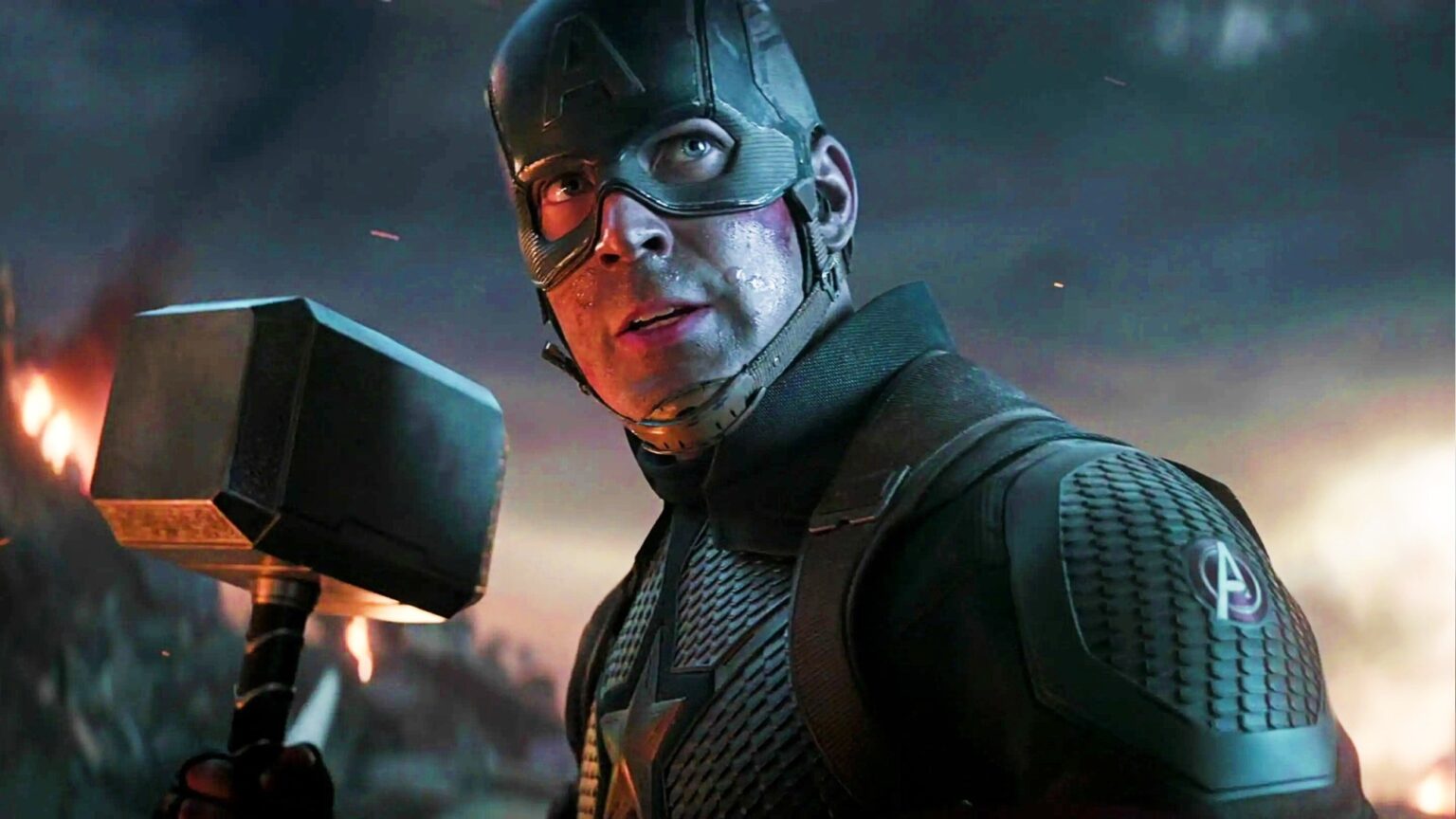
Alongside its follow-up, Avengers: Secret Wars, Avengers: Doomsday is designed to deliver the definitive conclusion to the Multiversal Saga, a narrative Marvel Studios has been constructing since 2021. However, in the seven years since Avengers: Endgame, the studio has seen its money-making brand struggle at the box office and face increasingly harsh reviews from fans and critics alike. Among the recurrencing criticism is the fact that key characters remain absent from the screens for too long, the Multiversal Saga’s absence of a unified storyline, and the growing feeling that following the Marvel Cinematic Universe has demanded a lot of homework for diminished satisfaction. Victor von Doom (Robert Downey Jr.), the figure positioned as the saga’s defining antagonist, will debut on screen in Doomsday itself, a notable departure from how Thanos (Josh Brolin) was established across multiple films before Avengers: Infinity War. To address this accumulated erosion of audience trust, Marvel Studios has settled on a controversial move.
At CinemaCon 2026, directors Joe and Anthony Russo confirmed that the theatrical re-release of Avengers: Endgame, scheduled for September 2026, would include new material. Joe Russo later clarified the scope at the Sands Film Festival in St. Andrews, Scotland, stating that the studio would be “re-releasing the film with footage that is set in the Doomsday story that we have added to Avengers: Endgame.” He went further, describing the updated film as a “critical companion story” and a direct “setup for what you’re gonna watch in December when you see Avengers: Doomsday.” Endgame grossed $2.799 billion worldwide, and attaching new narrative material to it guarantees a theatrical audience. The problem is that this approach is riskier than Marvel Studios seems to realize.
Sidelining the Entire Multiversal Saga Is a Weird Marketing Strategy
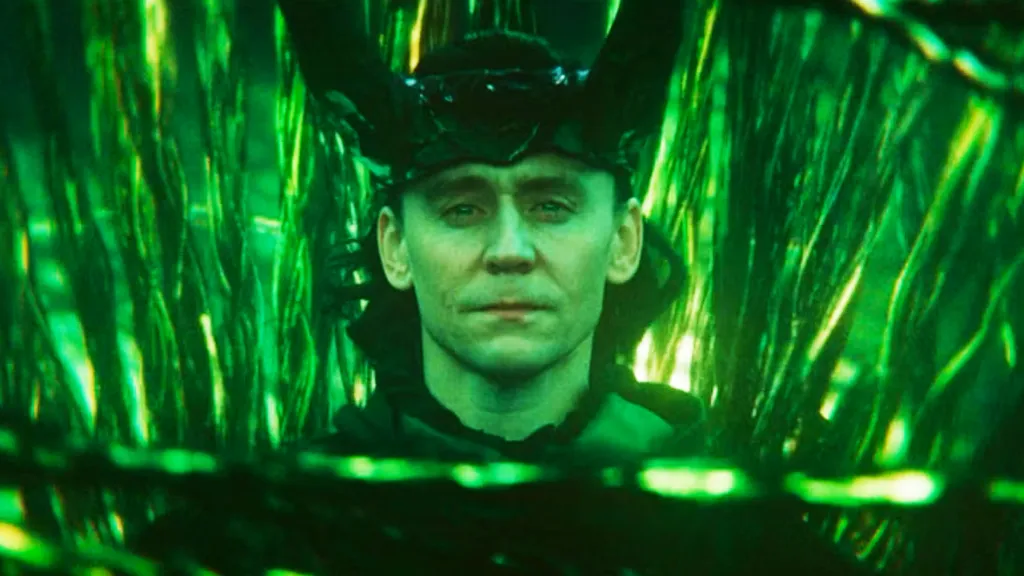 Image courtesy of Marvel Television
The Multiversal Saga is a deeply flawed body of work, but reducing it to something fans can skip entirely misrepresents what it contains. Spider-Man: No Way Home grossed $1.9 billion globally in 2021 and stands as one of the most commercially successful events in the franchise’s history, built on decades of accumulated affection for characters across multiple generations of Sony’s Spider-Man films. Furthermore, Shang-Chi and the Legend of the Ten Rings introduced a new hero that quickly became a fan-favorite. In addition, Loki established the multiversal framework that Doomsday will now depend on to function. These are not throwaway productions, and the audiences who invested time in them deserve to have that investment treated as meaningful preparation for what comes next.
By positioning Doomsday as a direct sequel to Endgame and structuring the re-release as the primary link between the two films, Marvel Studios is effectively conceding that the more than a dozen films and numerous Disney+ series released between 2021 and 2026 failed to advance the central narrative in any durable direction. Audiences who skipped Ant-Man and the Wasp: Quantumania and Eternals were already signaling diminishing engagement with the franchise, and treating the re-release as the only narrative bridge that matters tells every fan who invested time and money across the Multiversal Saga that their attention was poorly spent. If Marvel establishes a precedent where entire chapters of the MCU are positioned as optional detours, the studio undermines the logic of its interconnected universe model, one it has relied on for nearly two decades to drive repeat theatrical visits and platform subscriptions.
Making a Re-Release Mandatory Reinforces the Biggest MCU Criticisms
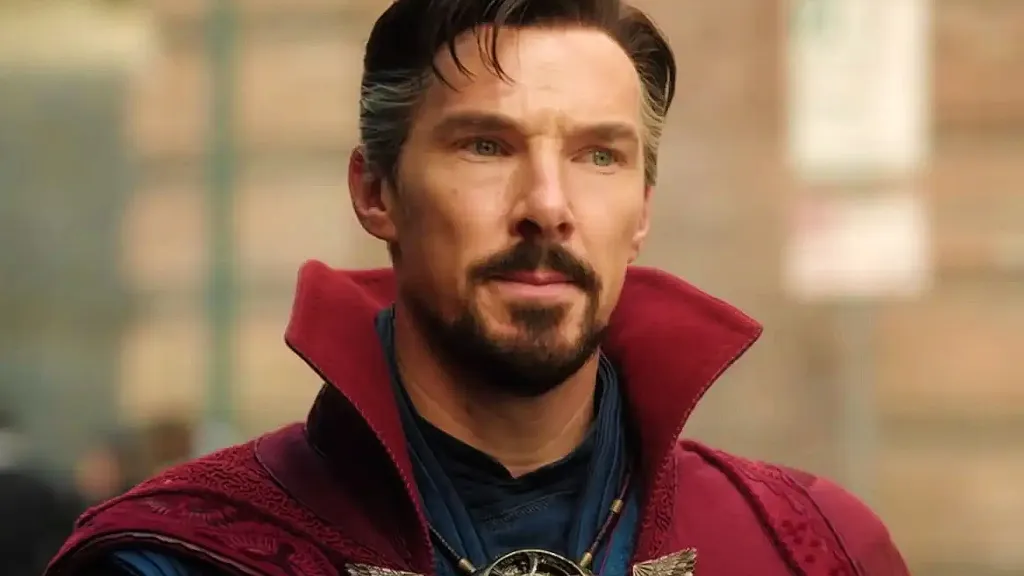 Image courtesy of Marvel Studios
Joe Russo’s description of the new Avengers: Endgame footage positions it as required preparation for anyone who wants to follow Doomsday. This framing actually echoes one of the persistent criticisms leveled at the MCU during its Disney+ expansion era, that engaging with the franchise had become a homework assignment rather than a viewing choice. During the Multiversal Saga, understanding films like Doctor Strange in the Multiverse of Madness and Captain America: Brave New World required fans to have watched entire seasons of Disney+ shows, an obligation many casual moviegoers declined to meet. The backlash against this approach helped to erode the audience’s trust in the MCU, and the franchise’s declining box office reflects it. Positioning the Endgame re-release as essential pre-viewing for a December blockbuster repeats that structural error at a higher price point, with the added friction of requiring a theater visit rather than a streaming subscription.
On top of that, by centering the experience on Avengers: Endgame, Marvel is actively inviting comparison between the post-Infinity Saga output and the film that concluded it. Endgame represents the payoff to twenty-two films’ worth of disciplined serialized storytelling, built on a decade of appearances by Tony Stark (Robert Downey Jr.) as Iron Man across the full breadth of the franchise. Placing that film back in theaters, marketed as the essential prologue to Doomsday, will remind audiences of the creative standards the Multiversal Saga failed to maintain. The contrast is not subtle, and it risks intensifying audience skepticism rather than resolving it.
Finally, there is also a structural problem with inserting new footage into a fan-favorite film. Endgame‘s three-hour runtime was calibrated to an arc that reaches its conclusion with Tony Stark’s sacrifice. Adding scenes set within the Doomsday narrative to that existing structure forces new pacing that can harm Marvel Studios’ most successful theatrical release. Damaging the perception of Endgame would erase one of the few remaining sources of genuine audience goodwill the franchise still holds.
Avengers: Doomsday opens in theaters on December 18, 2026, with the modified Avengers: Endgame preceding it in theaters on September 25.
Does Joe Russo’s description of the new footage as “critically important” make you more or less likely to return to theaters for Endgame in September? Leave a comment below and join the conversation now in the ComicBook Forum!