
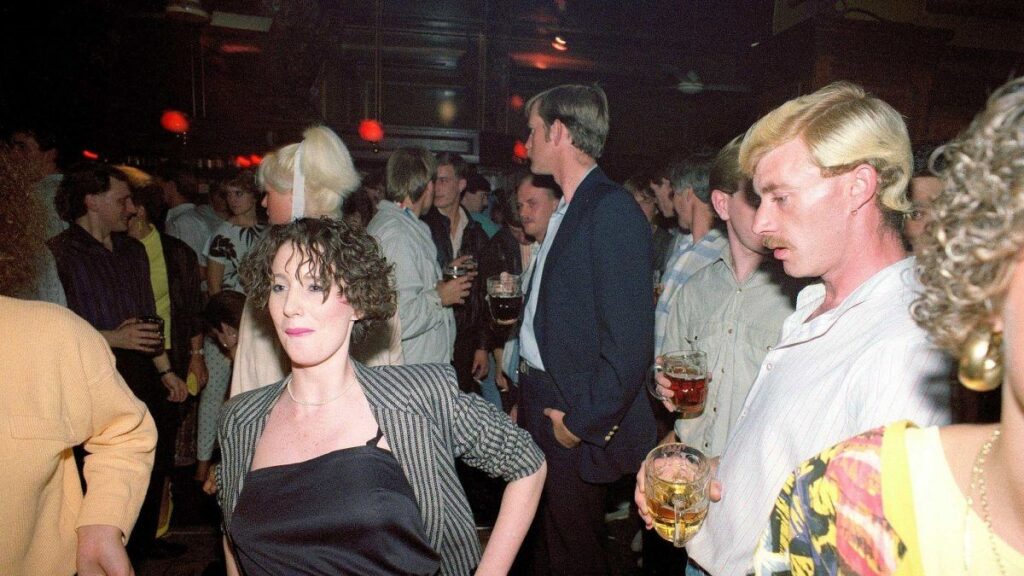
For more than three decades, The Chelsea Reach wasn’t just a nightclub; it was a cornerstone of Merseyside nightlife and a rite of passage for many. Now, former manager Paul Chase, 77, from Birkenhead, is telling its story in his new memoir, Chelsea Nights, lifting the lid on a venue he says helped define a generation.
The club, which opened in 1971 in New Brighton, was owned by a close-knit group made up of Paul’s brother John Chase, his father George Chase, Roy Adams (the last owner of the original Cavern, known as the “King of Clubs”), and his wife Ellen.
Paul told the ECHO: “I was involved from the very beginning. I worked on the door early on, then became manager in 1979 and stayed.”
Before that, Paul had been drawn into the licensed trade while studying at university between 1967 and 1970, working behind the bar in venues including Berni Inns and The Pyramid Club. But The Chelsea Reach pulled him fully into the world of nightclubs.
Paul said: “I got drawn into hospitality when I started working at the Chelsea. I felt really drawn to clubland, to the whole subculture of running clubs.”
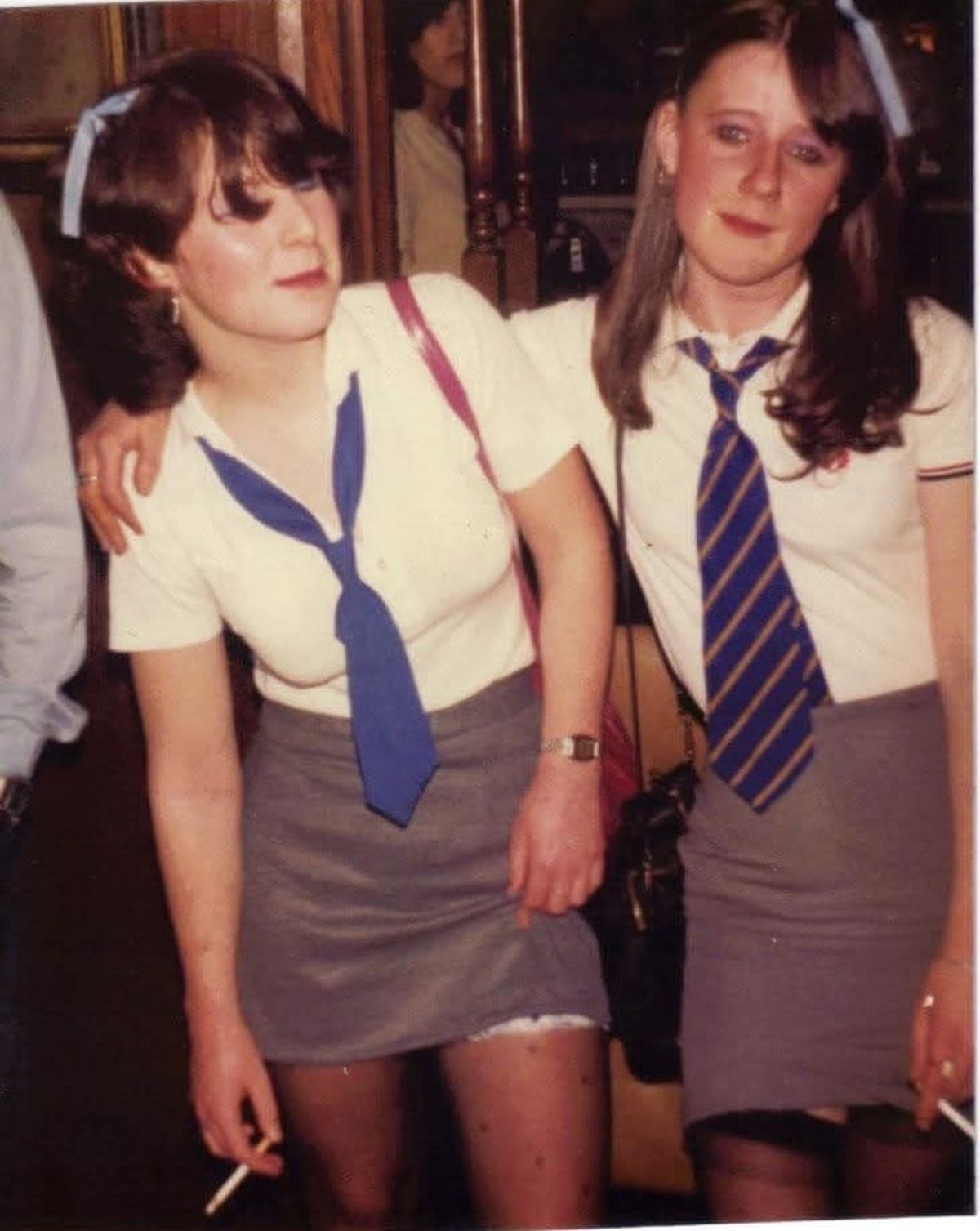
The club attracted crowds from across Merseyside and beyond(Image: Paul Chase)
At its peak, the venue was unlike anything else in the region. The club attracted crowds from across Merseyside and beyond, even hosting a special appearance by Paul McCartney with Wings in 1973, which was filmed for television.
Paul said: “We were open seven nights a week. Friday, Saturday, Sunday, and even Monday were packed. You’d get 700 people in on a Monday night; that’s unheard of today.”
But what truly set The Chelsea Reach apart was its timing, and that shift helped transform young people’s social lives across the region.
Paul said: “It was the first pub disco to open outside of London. It was a fantastic premise. We crashed into the new wave of disco, which was up and coming, making the Chelsea novel. We were part of the newfound hedonistic freedom after the 60s when morals were looser.
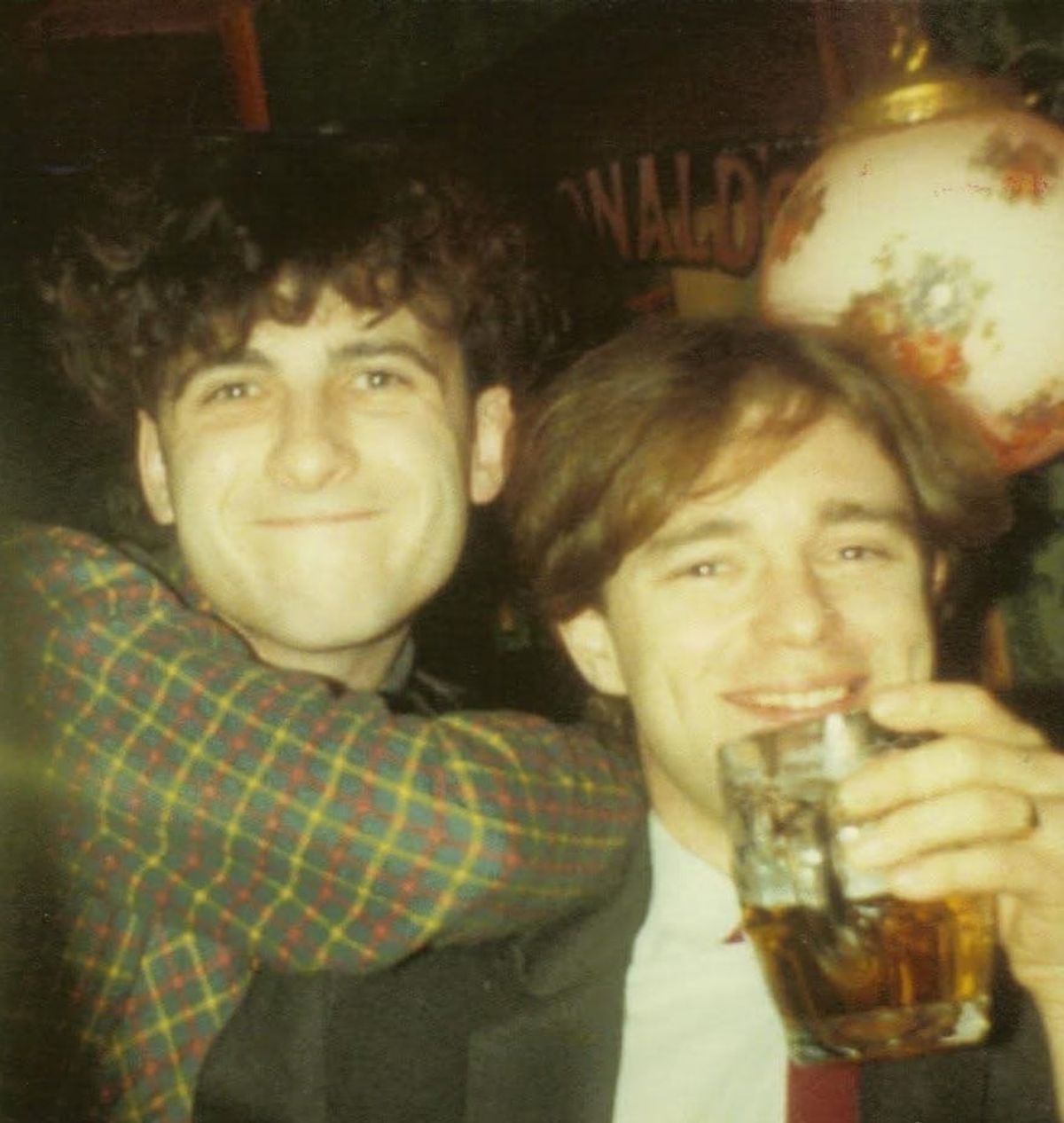
The club was the first “disco pub” outside of London(Image: Paul Chase)
“Suddenly, it became about dancing, music, and meeting people. It was a place to escape, to connect somewhere you could lose yourself on the dancefloor.”
The club’s DJs, including Greg Wilson, Derek Kaye, and Pez Tellet, were central to its identity and instrumental in shaping tastes, setting trends, and creating moments that would linger long after the lights came up.
Paul said: “They weren’t just playing records; they knew how to fill a dancefloor. They made the place what it was.
“It became an iconic premise; it became established in people’s minds where you could go for a good night out and be safe, dance to great music, and make memories.
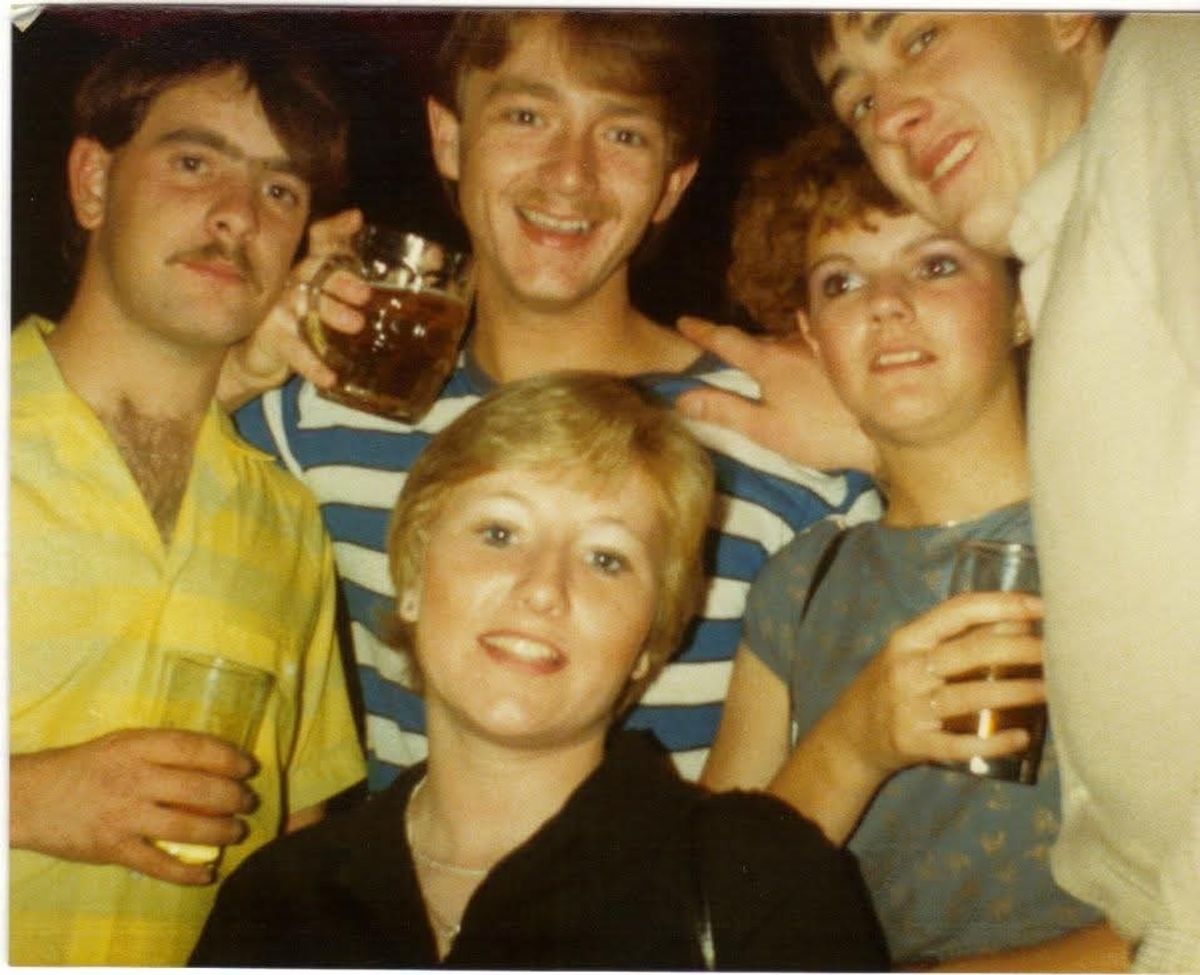
The Chelsea Reach was open seven nights a week(Image: Paul Chase)
“It was a time when people were looking for escapism and relief, so the Chelsea provided a place that entertained an entire generation starting in the late 70s.”
But Chelsea Nights doesn’t shy away from the tougher side of running a club in a largely unregulated era. Paul recalls dealing with threats and tensions, including refusing to hire out the venue to members of the National Front during a period of heightened racial tension.
He said: “There were no licences for doormen back then. If there were problems, you dealt with them yourself. There were lots of incidents you had to deal with; it was a rough, tough, unregulated era. It was an intense time.”
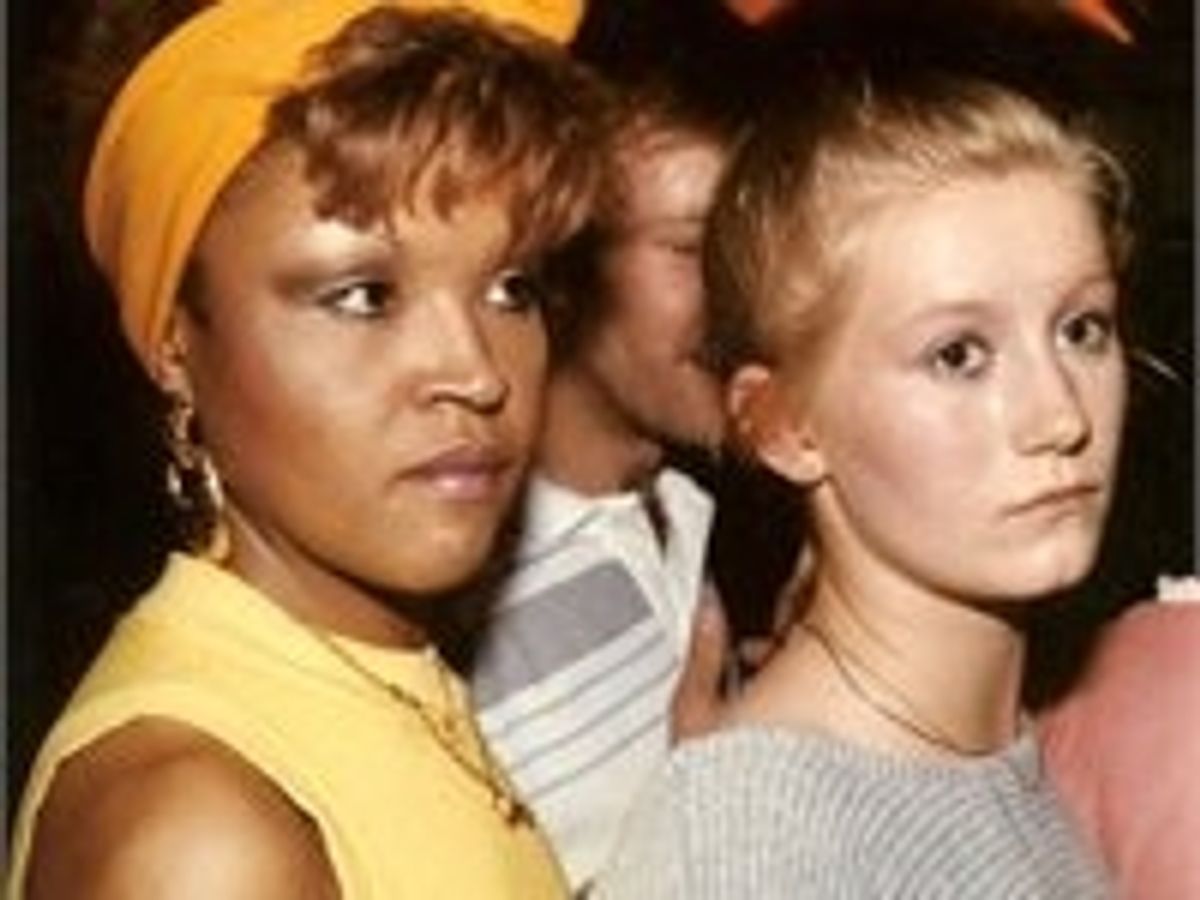
The nightclub provided a safe space for young people to enjoy themselves(Image: Paul Chase)
By the late 1990s, Paul returned for a second stint as manager after taking a break to pursue other avenues but said the scene had changed by this point.
He said: “When I took over managing in 1999, the quality of the crowd had deteriorated, and lots of firms of lads from nearby estates were in there for the wrong reason. It was an entirely different scene.”
The club eventually closed in 2001, as rave culture and changing habits reshap
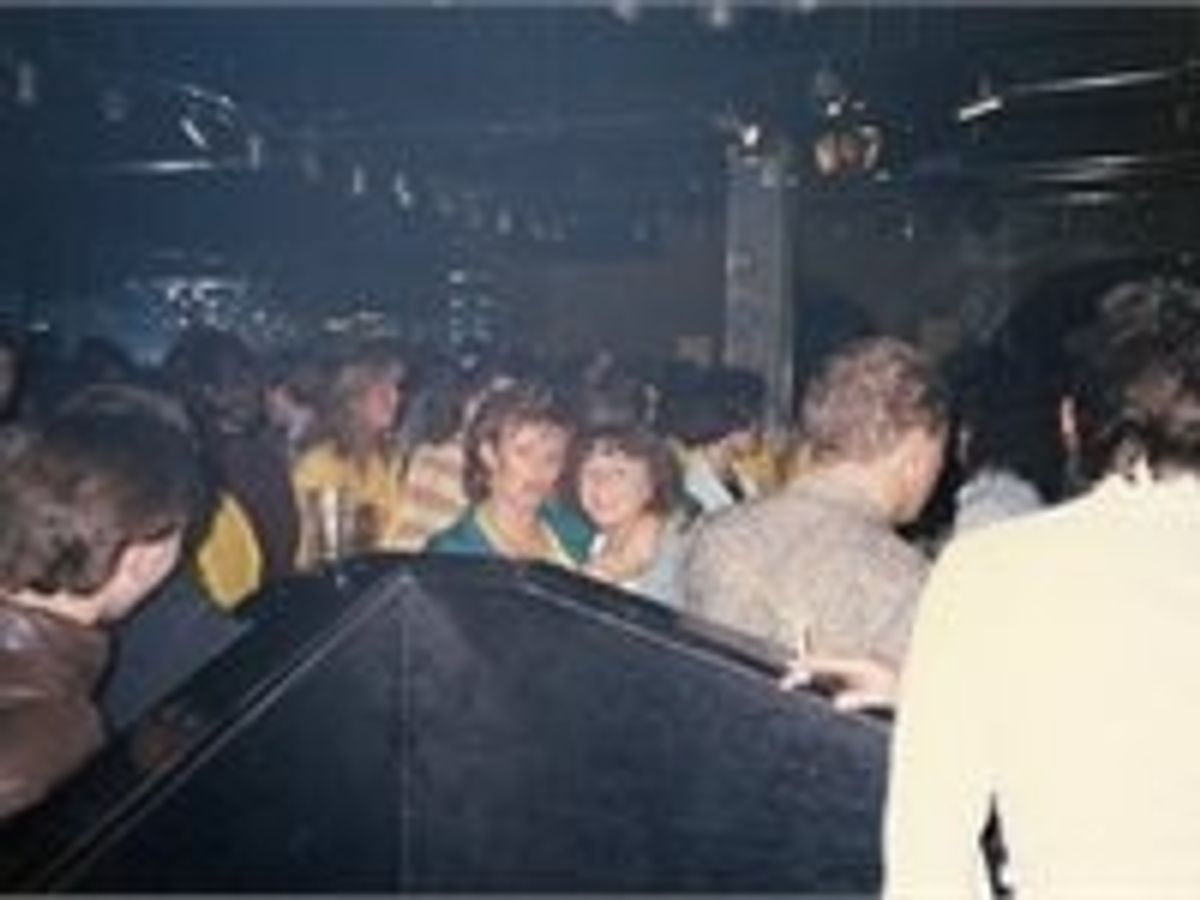
The club’s DJs, including Greg Wilson, Derek Kaye, and Pez Tellet, were central to the club’s success(Image: Paul Chase)
Paul said he feels a sense of pride looking back and believes The Chelsea Reach succeeded because it arrived at exactly the right moment.
And for many, those nights have also turned into lifelong memories.
Paul said: “I still get stopped in supermarkets by people telling me how great the Chelsea days were and how they met their future husband or wife there and have so many fond memories. That’s what motivated me to write the book.
“I’d been told for years, ‘You should write a book.’” So I started a couple of years ago and kept coming back to it.
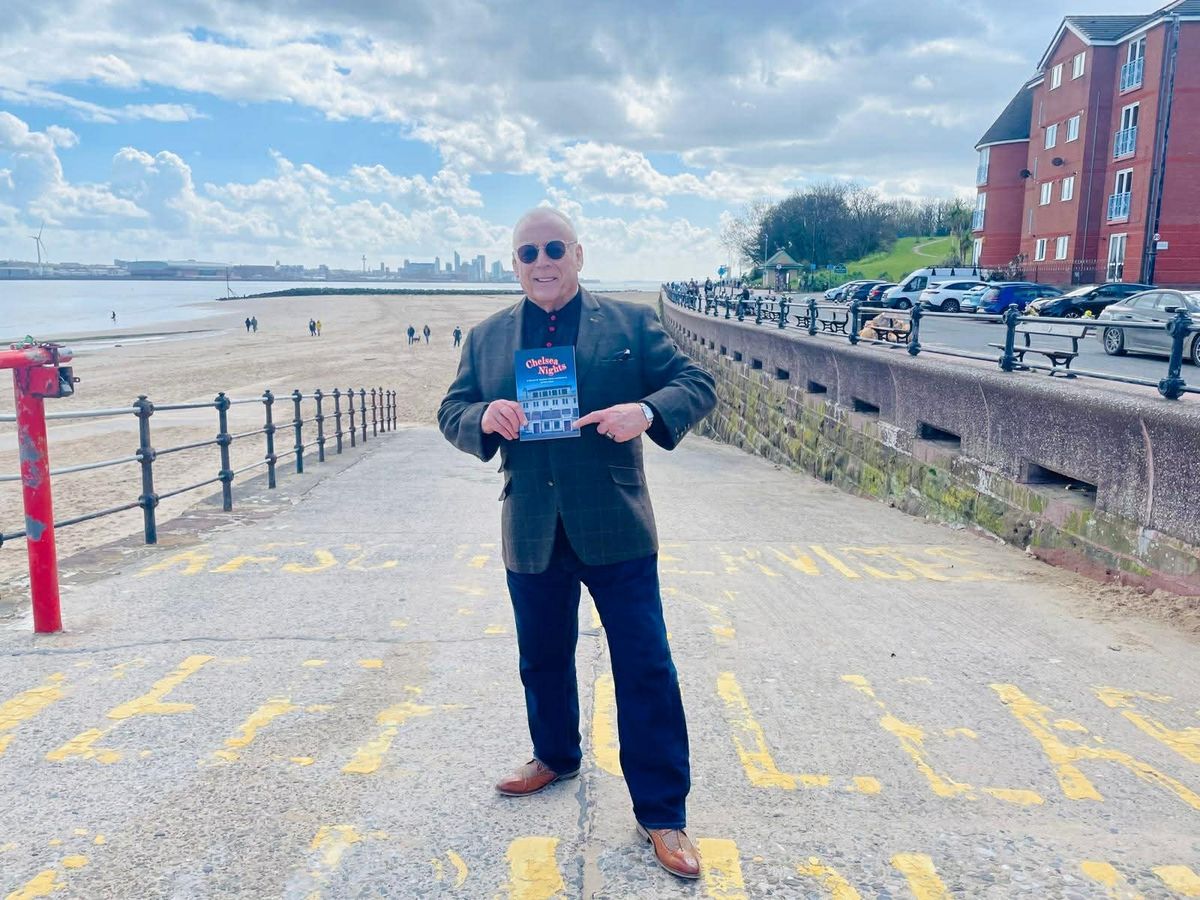
Former manager Paul Chase, 77, from Birkenhead, is telling its story in his new memoir, Chelsea Nights, lifting the lid on a venue he says helped define a generation(Image: Paul Chase)
“I wanted to tell stories that were representative and that, of course, have a bit of drama attached to them and what you had to do to keep people safe in a raw, unregulated era. I thought it was important to record that social history and look back on that time and remember it and capture the feeling.”
Paul added that the book is aimed at two audiences: those who remember the Chelsea and those who never experienced it.
He said: “For people who were there, I hope it brings it all back and makes them feel good, and for younger people, make them reflect on how things have changed and what the whole club scene has now become.”
Chelsea Nights is available to buy here and will appear at the Liverpool Book Festival on August 2, 2026.
Do you have memories from a lost Liverpool nightclub? Get in touch rebecca.mcgrath@reachplc.com