
Highway 10
On my first date with the woman who would eventually become my wife, we were both a ball of nerves, desperately trying to present the best versions of ourselves. First impressions spark a “primacy effect,” a cognitive bias in which we are more likely to remember or prioritize our initial impressions than anything we may have picked up later. It’s a dangerous thing our brains do, because it can create stubborn, inaccurate impressions and anchoring biases, and lead to poor assessments — like failing to seek out critically panned films that are good, actually. We both made a pretty good impression during our date, but it was when we realized we shared a common enemy — a cruel individual we had both worked with at different jobs — that our chemistry became electric. To quote Henry Rollins, “Nothing brings people together more than mutual hatred.”
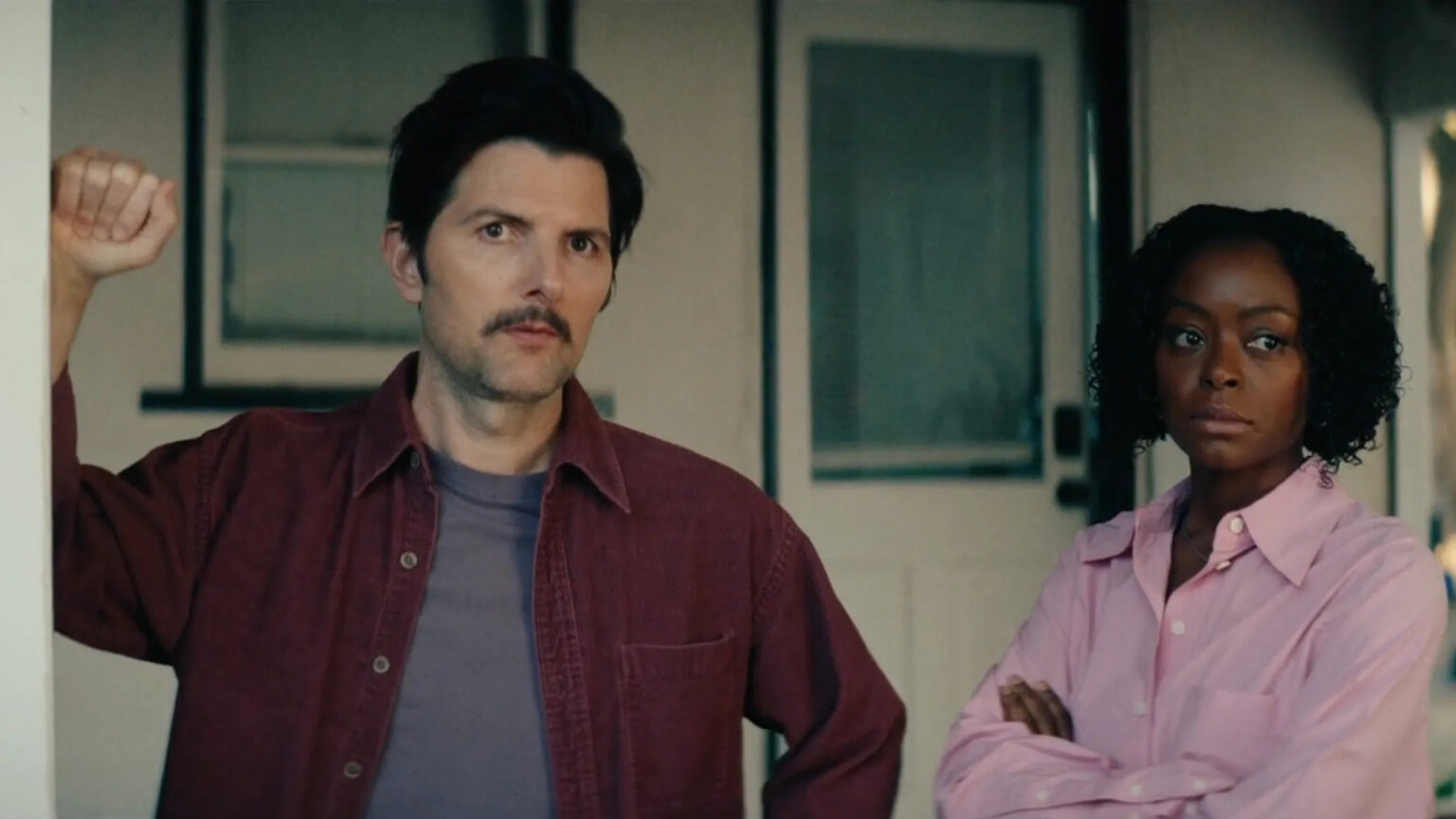
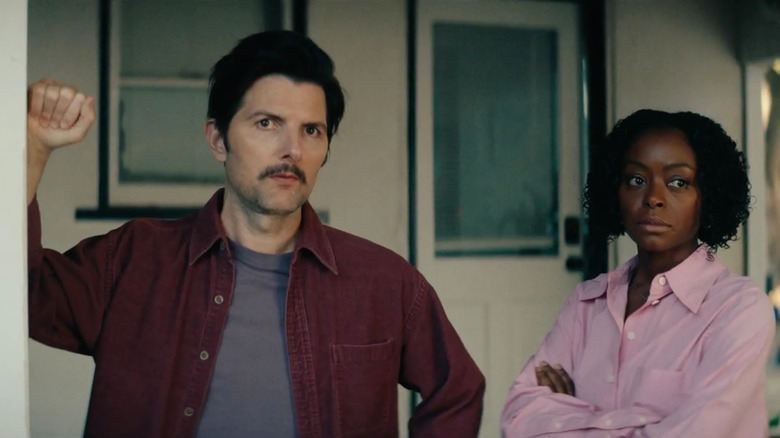
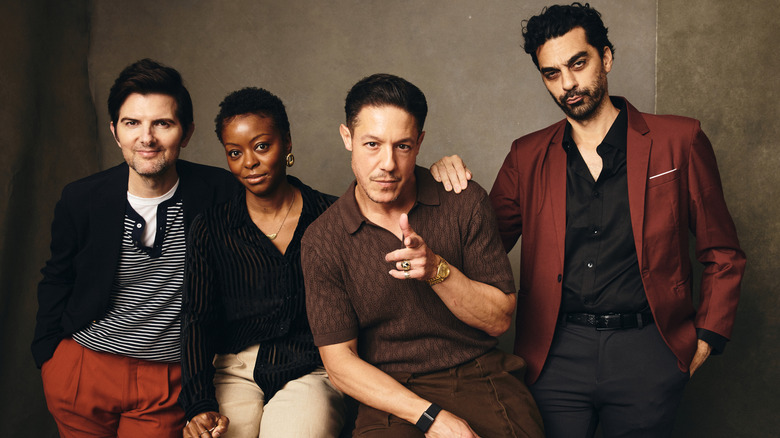
Both of these mindsets are at the center of Kevin Hamedani’s darkly satirical sci-fi flick “The Saviors,” which sees Sean and Kim Harrison (Adam Scott and Danielle Deadwyler), a suburban California couple on the brink of divorce, rent out their guest house to a pair of Middle Eastern siblings, Amir and Jahan (Theo Rossi and Nazanin Boniadi). Sean and Kim soon become convinced that their new tenants are extremists planning to kill the president. Not only do the Harrisons engage in the primacy effect, using even Amir and Jahan’s most minor behavioral quirks as a runway to project onto them all of the Islamophobic assumptions the majority of Americans have carried with them post-9/11, but their xenophobia slowly becomes the very thing that unites them as a couple.
The purposefully uncomfortable comedy evokes Joe Dante’s cult classic, “The ‘Burbs,” but it’s the film’s final moments that push it well into “The Twilight Zone” for the modern age.
An allegory as American as racism and apple pie
Highway 10
Sean and Kim’s marriage might as well stand in for America itself. The pair is deeply dysfunctional and constantly at risk of being pulled into hysteria by Sean’s conspiratorial, far-right parents (Ron Perlman and Colleen Camp). Yet instead of confronting their own instability, they fixate on the Middle Eastern neighbors across the yard. Adam Scott and Danielle Deadwyler prove to be inspired casting choices, underscoring that even self-proclaimed liberals — or those who are marginalized themselves — aren’t immune to the social conditioning that breeds fear of “the other.”
“What a great step for humanity,” Amir says when welcomed into the guest house. “Letting strangers sleep in your home.” The line can read as awkward or ominous — but only if you approach it in bad faith. That tension defines “The Saviors.” Amir and Jahan do engage in suspicious behavior from time to time that would test even the most understanding neighbors, forcing the audience into a Rorschach test: are they genuinely suspicious, or are we projecting bias onto ambiguity? The country Amir and Jahan are from is never named — a pointed indictment of how often West Asians are flattened into a monolith by the “average American.” Director Kevin Hamedani, an Iranian American, couldn’t have predicted how eerily timely the film would feel. Just weeks before its SXSW premiere, the United States and Israel’s air strikes on Iran reignited the paranoia that infected America 25 years ago, which has since mutated and festered.
What makes “The Saviors” linger is its inevitability. The mindset that Hamedani and co-writer Travis Betz’s story examines has hardened and become more deeply embedded in everyday life. The film doesn’t just reflect that reality; it suggests we’ve learned very little from it.
The Saviors is a must watch
Robby Klein/Getty Images
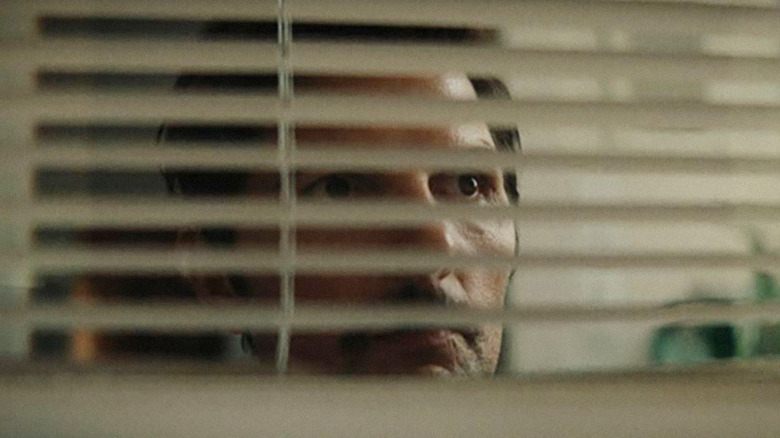
Sean eventually enlists his sister Cleo (a delightfully unhinged Kate Berlant) and an eccentric private investigator (Greg Kinnear in a hilarious wig) to assist with the low-rent surveillance operation he whips up in his man cave, but his “harmless” curiosity spirals into obsessive, genre-bending territory. At the same time, the film is grounded by the enormously dedicated performances of Scott and Deadwyler, whose chemistry adds an undercurrent of awkward humor to an otherwise unsettling situation. Kevin Hamedani enhances this balance with striking stylistic choices that reinforce the film’s themes.
Sean’s recurring dreams of apocalyptic destruction seem, at first, connected to the siblings’ secretive behavior, but they gradually take on a more subjective quality. These haunting images are less objective warnings and more so reflections of Sean’s inner turmoil. The more he buys into his own nonsense, the more he creates a feedback loop in which fear fuels paranoia, and paranoia, in turn, provides concrete meaning to his dreams.
Through a sharp blend of satirical dark comedy and sci-fi, Hamedani probes uncomfortable but resonant ideas: the necessary discomfort of inviting outsiders into intimate spaces, the ways people avoid confronting their own truths, and the persistent presence of violence beneath even the best intentions. “The Saviors” also questions the effectiveness of idealism alone, suggesting that a desire to do good — especially when driven by ego or savior impulses — may fall short in the face of deeper, more complex human flaws.
True to the spirit of classic speculative storytelling and some of the very best episodes of “The Twilight Zone,” the film intentionally withholds clear answers until its closing moments, allowing tension and ambiguity to linger with us long after the credits roll.
Good. We need to sit with, digest, and carry “The Saviors” with us.