
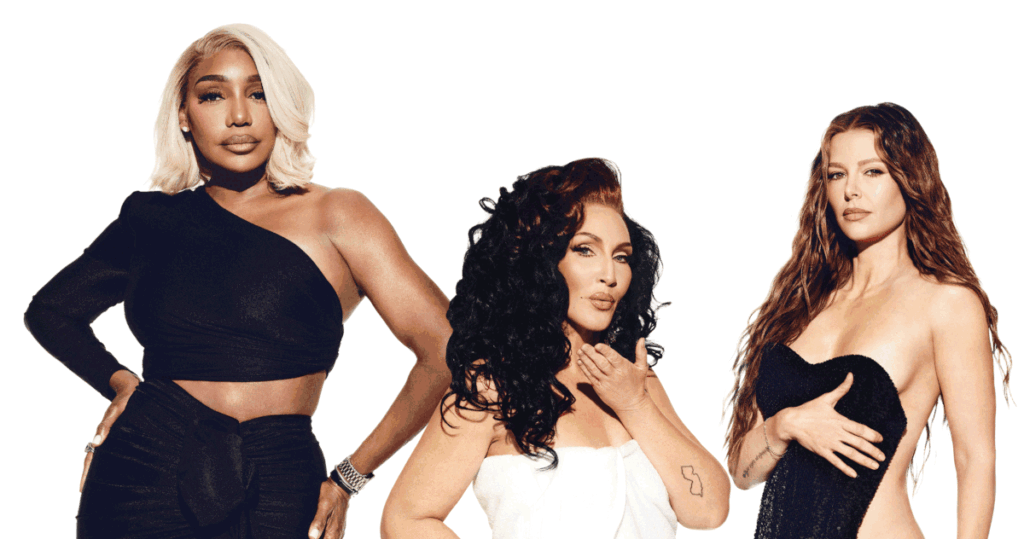
Twenty years ago, the most exciting shows on television were scripted dramas. Today, prestige TV is still kicking around on HBO’s Sunday nights, and once a year there’s a freak Adolescence storm. But it’s not Yellowstone or House of the Dragon inciting colleagues and neighbors to talk about religion, politics, dating, class, and race. It’s The Secret Lives of Mormon Wives and Love Island and Survivor — series that reliably confront taboos and dominate watercooler talk. Just this year, Taylor Frankie Paul’s abortive Bachelorette season sparked weeks of headlines about domestic violence, the betrayal of Summer House’s Ciara Miller launched a thousand takes on the white men who date Black women, and The Traitors’s Rob Rausch kicked up novel thoughts on contemporary masculinity. In 2026, reality television is the last bastion of must-see weekly entertainment. Even former faces of prestige TV like Jon Hamm and Lena Dunham publicly profess their devotion to Southern Charm and Vanderpump Rules.
Reality Masterminds 2026
Our celebration of unscripted television includes distinguished honors for two titans of industry.
See All
For Vulture’s debut Reality TV Masterminds list, we wanted to understand the forces shaping this golden age of the genre. In a world without writers’ rooms or conventional showrunners, it can be difficult to know who exactly is responsible for the moments that keep The Real Housewives or Dancing With the Stars at the forefront of so many people’s minds. So we asked dozens of industry insiders — from EPs, development directors, and network presidents to onscreen talent, publicists, and agents — to help us winnow the field, focusing specifically on achievements from the past year but taking into account people’s trajectories to those points. The resulting list is a cross section of how diffuse power looks in an industry now defined as much by what happens off-screen as on. The people with the most influence aren’t necessarily whoever wins a season of Top Chef or the most enduring couple on this season of The Ultimatum (though they could be). Power in the reality space is about the ability to control a narrative, to take today’s scandal and successes and translate them into the longer-term ability to dictate one’s own fate. The dating-show participant who leaves with a podcast idea instead of a spouse? That’s a mastermind. The person who stares blankly at a co-star, says “Mommy? Mamacita?,” and becomes an inescapable clip? They’re a mastermind too. Together, the entries on this list demonstrate how far reality television has evolved, from a frivolous launchpad that wannabe performers and producers use to catapult themselves into more legitimate sectors to one where people make and sustain careers, nepo babies and all.
Jump to:
The Hosts | The Gameplayers | The Archetypes | The Breakthroughs | The Franchises | The Podcasters | The Executives | The Disruptors | The Rising Masterminds
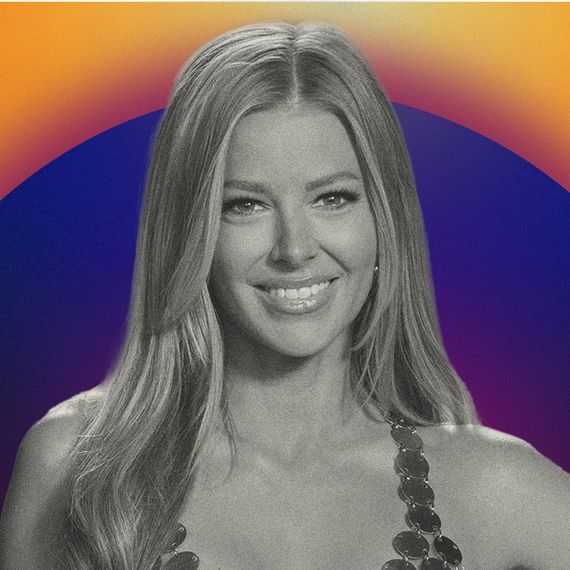
Photo-Illustration: Vulture; Photo: NBCUniversal
After years in the mines of Vanderpump Rules, Ariana Madix’s fame exploded with the season-ten Scandoval story line, which followed the collapse of Madix’s relationship with her partner, Tom Sandoval, after he cheated with their co-star Rachel Leviss in 2023. Out of those depths, Madix has emerged as a battle-hardened icon. She starred on Broadway as Chicago’s Roxie Hart in 2024 and landed a scripted role on the mockumentary St. Denis Medical in 2025. When she joined Love Island USA as host of Peacock’s megahit summer dating show, it cemented her as a one-woman symbol of resilience and near-untouchable hotness, allowing her a stage where she can show up and be worshipped every time she sets foot in the villa. Madix was an avid viewer even before appearing as a surprise guest in Fiji in 2023, bringing up Love Island in Vanderpump Rules scenes and on her socials. According to NBC exec Sharon Vuong, it’s a core reason Madix was hired. “She was a real fan.”
She is an effective host: sly, delighted, styled, and smirking, but never actually snide or biting, and always ready with a shocked or disgusted reaction as the occasion demands. She proved so adept that in 2025, on top of her regular Island duties, she hosted the season-seven reunion alongside Andy Cohen. On that set, Madix stared down the barrel of a camera while Cohen appeared like a “Get you a man that looks at you” meme brought to life. The significant damage control she did during the show, appearing in PSAs asking fans to stop harassing cast members’ families (“Please be nice, or I’ll come find you”) solidified her place in the new pantheon of reality-TV presenters.
➼ Check back Wednesday for Madix’s answers to our Maria Bamford Questionnaire, 25 queries designed by the beloved comedian to unearth surprising truths about its respondents.
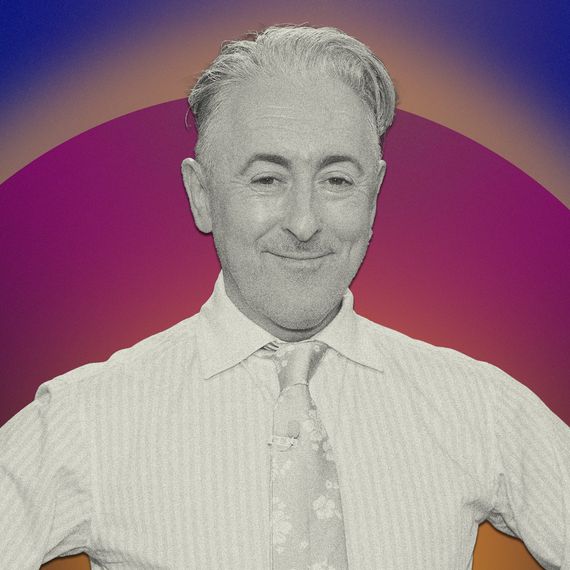
Photo-Illustration: Vulture; Photo: Weiss Eubanks/NBCUniversal
Depending on how you look at it, Alan Cumming is either wildly overqualified to host and produce a show like The Traitors or the only person who could possibly sell a Dutch version of Mafia to an American audience. Cumming was labeled a mastermind by nearly a third of the industry insiders we spoke to; as one head of creative put it, he “owns” the role. While The Traitors contestants — plucked from across the reality universe as well as other pockets of Hollywood and sports — are doing plenty to make appointment television, it’s Cumming as emcee who provides the show’s load-bearing stylistic elements, combining baroque line delivery with Scotsploitation charm (just listen to the way he pronounces banished). As the gamers and the Housewives battle, Cumming provides the outré fashion moments and oversize roundtable reactions that elevated the series to eight Emmys over three years (including two consecutive wins for Outstanding Reality Host, breaking RuPaul’s eight-year stranglehold on the category).
“He showed you can do great scripted work and you can also do The Traitors,” says Rob Mills, who hired Parker Posey to host Hulu’s take on the format, The Mob. “That opened the door to so many people who five years ago would have been unthinkable.” Peacock’s confidence in Cumming’s star power — or its realization that every third TikTok this winter was about Cumming sending Yam Yam into the shadow realm — was certainly part of its calculus to go forward with an all-normie season as opposed to reality-TV alumni. It’s a bold move for a show that just last season turned two cast members, Love Island’s Rob Rausch and Maura Higgins, into household names and held the title of No. 1 streaming original reality title in the process. “When you step back and zoom out, Traitors is a vehicle for all of the other businesses of NBC,” one reality showrunner explains. “It’s innovative, it’s smart, it’s fucking brilliant.” With The Traitors viewership only going up, Cumming is the face (and the kilt, and the cape, and the beret, and the bridal veil) of America’s buzziest competition.
➼ In our 2024 encounter, Cumming discusses how he perfected his unbending performance as the mad king of The Traitors.
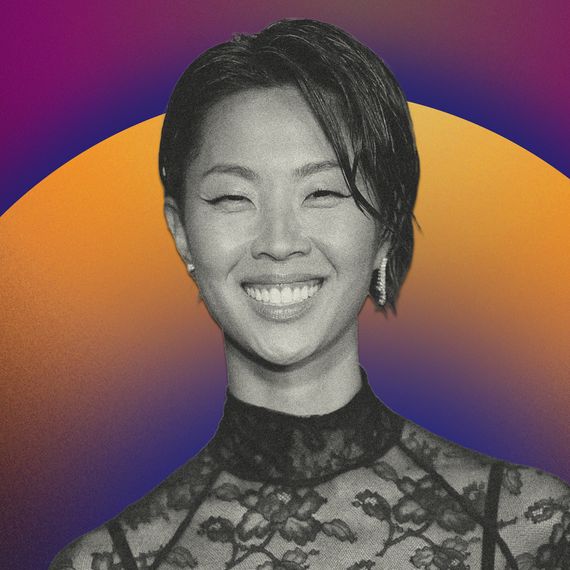
Photo-Illustration: Vulture; Photo: Bravo
Taking over as Top Chef host after Padma Lakshmi had held the position for 19 of 20 seasons was never going to be easy. But for years after Kristen Kish’s season-ten Top Chef win, she showed an authoritative, chic, and punny presenting ability in stints on an array of reality series, including travel shows 36 Hours and Restaurants at the End of the World and celebrity-chat-driven Fast Foodies. By the time she returned to Top Chef in 2024, Kish had honed her persona — a mix of no-nonsense calm and goofy dad humor — into a model for how a competitor could go from sprinting around the Top Chef kitchen to center placement at the judges’ table. A year into the gig, on 2025’s Top Chef: Destination Canada, Kish was locked in, providing empathetic advice to struggling contestants and sharing her critiques with incisive plainness. Like Andy Cohen, RuPaul, and so many of the genre’s founding hosts, Kish knew how to use gossip to connect with co-stars, allowing the audience to shoot the shit by proxy.
Then Kish went back into gameplay mode with The Traitors in early 2026. During challenges, roundtables, and downtime in the castle, she held a certain expression longtime Top Chef fans could recognize: not quite a poker face but far from the histrionic mien that has made so many reality personalities famous. When Kish isn’t smiling onscreen, she’s thinking — taking time to absorb and process information before sharing her determinations. Kish is without fail the most reasonable person in any room she occupies, and the fluid way she has moved between competing and hosting reality series is a reflection of her savviness.
➼ Check back Tuesday for Kish’s confessional interview.
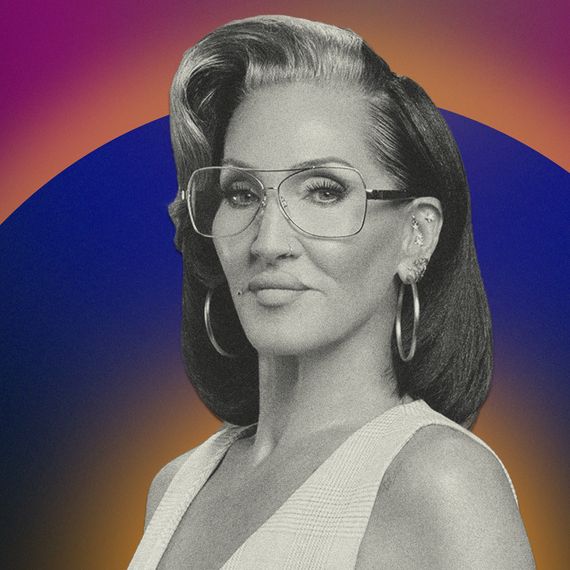
Photo-Illustration: Vulture; Photo: NBCUniversal
Judges’ panels come and go; hagship is forever. In the 17 years since RuPaul launched Drag Race, Michelle Visage has outlasted all other judges as Ru’s perma-plus-one, bringing her brassy Jersey-broad perspective, headmistresslike standards, and hatred of the color green to the show’s runway. Visage is encoded in Drag Race’s DNA as much as lip-syncing for your life, suggestive punning, and Ru herself. Possibly no judge on any other competition series has done more to shape an entire art form than Visage. American Idol winners no longer become chart-topping pop acts, and Project Runway winners don’t end up as the most coveted brands at Fashion Week. But RuGirls genuinely are the most famous and influential drag queens on the planet. And whoever wins Drag Race does so by winning over Michelle Visage, shaping themselves to her tastes, critiques, withering insults, and firm but encouraging advice.
Unlike the elusive Ru, who retreats to the fracking fields of Wyoming between seasons, Visage is the unofficial den mother to RuGirls, touring with them as an emcee and staying involved in their careers as a friend and mentor. She is also a credited writer on Drag Race, has won four Emmys for producing the series, and has sprung out from behind the judges’ table to act as Ru’s emissary on international seasons of the show such as Drag Race: Down Under, where in 2024 she assumed a full-time host position. In 2025, the franchise announced she would be hosting Drag Race Down Under vs. The World as well, a sign that Visage, like the production companies that license Survivor and the Netflix executives responsible for Love on the Spectrum, sees high value in Australia as a future venue for English-language unscripted TV.
➼ Check back Wednesday for Visage’s confessional interview.
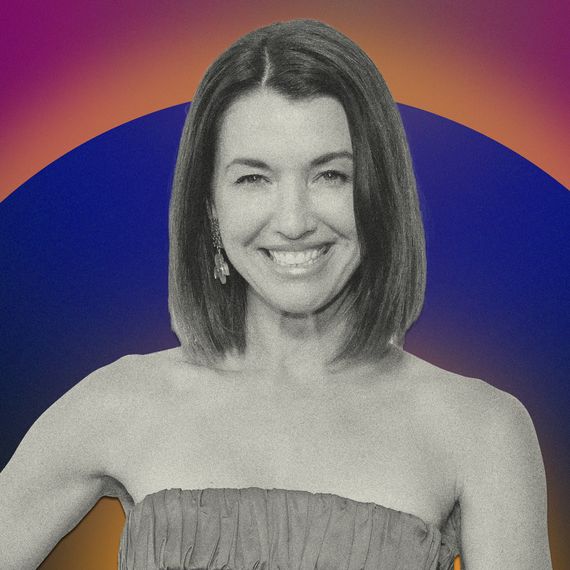
Photo-Illustration: Vulture; Photo: Julian Hamilton/WireImage/Getty Images
It’s not that Parvati Shallow makes the hard work of winning Survivor look easy; it’s that she makes it look eternally possible. She’s not part of the currently airing 50th season — a slight that did not go unnoticed by tastemakers and queer fans — yet it’s difficult to argue that Shallow isn’t the current standard-bearer for the franchise. After she won the Micronesia season in 2008 and finished second in the “Heroes vs. Villains” season in 2010, her signature game style of deception with a smile has been emulated by a generation of modern-day reality-competition stars. Male Survivors still shake in their boots at the prospect of all-female alliances solely because of how formidable Shallow’s “Black Widow Brigade” performed. Some 15 years later, while American Survivor is flop-sweating its way through Billie Eilish immunity idols and Zac Brown deep-sea-fishing segments, Australian Survivor is now the show of choice for real heads, and Shallow is also the reigning queen Down Under, having won in 2025.
“She is someone who understands gameplay like nobody’s business,” says casting director Jazzy Collins, who worked on the second season of The Traitors in 2024. “And because of that, she can literally go on any competition show and just destroy.” On Traitors, she was banished after eight episodes of cunning gameplay, a feat when you consider the Black Widow–size target affixed to her back the moment she entered the castle. She then appeared on NBC’s Deal or No Deal Island, where she achieved a nine-week immunity streak despite ending her run on a bad deal. “The beauty of it is, for some reason, people still underestimate her,” Collins adds. “And she can consistently use that to her advantage.”
➼ Check back Thursday for Shallow’s Quality Time interview, where she discusses the pop culture she and her kids enjoy together.
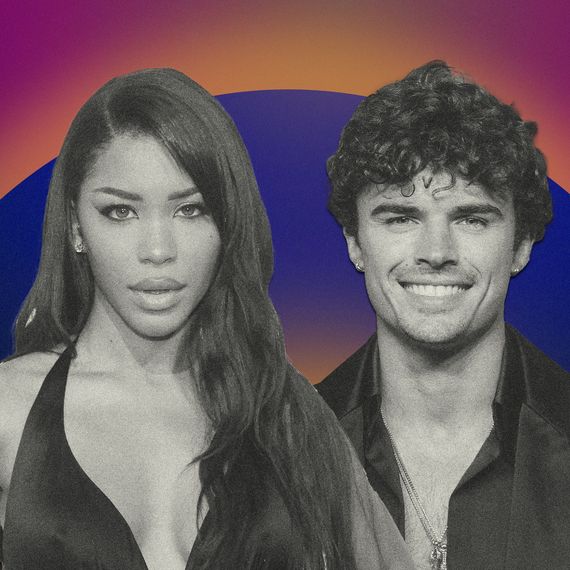
Photo-Illustration: Vulture; Photos: FilmMagic (Dia Dipasupil, Kayla Oaddams)
Summer 2025 was the season Love Island USA became undeniable. Clips from season seven were such viral sensations that, for a few weeks in June and July, there was a higher percentage of ambient Love Island content than there was relative humidity in Manhattan. The king of those clips was Nic Vansteenberghe, the baffled mind behind the inescapable “Mommy? Mamacita?” meme stemming from his utter inability to process the idea that his co-star Huda Mustafa is the mother of a child. But the real key to Vansteenberghe’s success was his ability to pivot. He could tell which way the island wind was blowing and consequently adapt from ladies’ man to yearning, twerking boy next door as early couple turnover called for it. By the middle of the season, the fandom had coalesced around pairing him with co-star Olandria Carthen. Never mind that they didn’t seem to be more than friendly colleagues at the start; Vansteenberghe gamely played along, leaning into the role of “person in love with Olandria” with such comfort and poise that it barely mattered if it was true. Though they were not technically the season’s winners, Nicolandria were the runaway victors in all the ways that actually count: fan fondness and sponsorship deals. Vansteenberghe is now pursuing that most tried-and-true reality side hustle, DJ for hire.
The season’s real winner was its other enormous success story: Amaya Espinal, a.k.a. Amaya Papaya. Bubbly and bright, so cheerful and openhearted that her relationship status seemed almost beside the point, Espinal arrived on the island and shifted the game. Her season became a buoyant fun factory girded by her sincere, upbeat hope for love. Even better, she grounded those positive feelings with some of reality TV’s best retorts. “I know my worth, plus the tax,” she told contestant Ace Greene. “Guess what: I’m just not your cup of tea to be drinking, so don’t fucking drink it.” In her post–Love Island career, Espinal has retained much of her authenticity, popping up on socials to get out ahead of news about her breakup with Love Island co-star Bryan Arenales in typically poetic language: “You don’t have to drink the whole sea to know it’s salty.” She launched a Poppi drink and will soon release rap music, but her most impressive postshow act has been sustaining her “hot girl watching gooses” energy not just on the Love Island sequel Beyond the Villa but in a tsunami of podcast appearances, red-carpet clips, and vacation photos.
➼ Read Espinal’s confessional interview, where she discusses her one-liners, Lisa Rinna, and loving Jersey Shore feuds, and check back Wednesday for Vansteenberghe’s confessional interview.
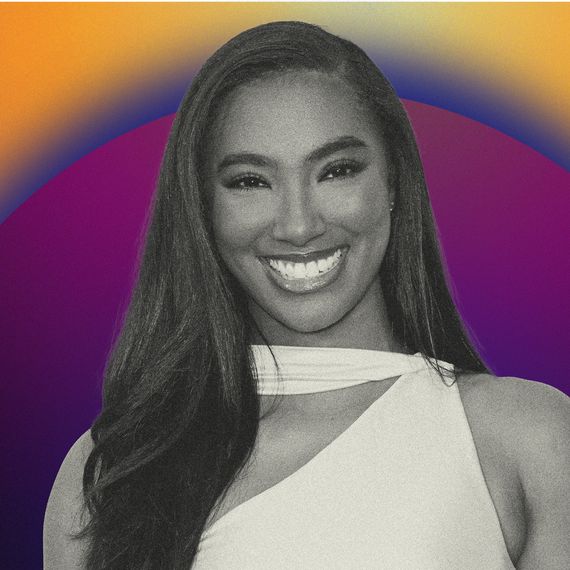
Photo-Illustration: Vulture; Photo: Axelle/Bauer-Griffin/Getty Images
If one mastermind can follow the Kristen Kish path from winning to hosting a reality-competition series, it’s Big Brother’s Taylor Hale. “She’s so polished I’m surprised that it hasn’t happened yet,” says Survivor alumnus Rob Cesternino, on whose podcast network Hale has been a frequent commentator. In the summer of 2022, she overcame weeks of mean-girl bullying and racist assumptions to become the first Black female winner in the show’s long history. Her ability to keep a level head onscreen, giving her adversaries just enough rope to hang themselves with, was so popular with fans that she also became the first BB player to win both the main season and the fan-voted “America’s Favorite Player.” Since then, Hale’s position in the reality-TV universe has grown. She finished second on the most recent Amazing Race in 2025 — partnered with her then-boyfriend (BB alum Kyland Young) against her ex-boyfriend (her BB co-star Joseph Abdin) — projecting the kind of star power that spells a future Traitors casting. In the meantime, CBS has capitalized on Hale’s appeal as both a fan of reality TV and one of its most outstanding participants, hiring her to moderate the Big Brother Jury House deliberations and to co-host last summer’s prime-time recap show Big Brother: Unlocked. It wouldn’t be a stretch to read this as an audition to host a show that, 27 seasons in, is experiencing its most engaged audience ever (by multiple standards) but has yet to reveal any succession plans for Julie Chen Moonves.
➼ Check back Wednesday for Hale’s confessional interview.
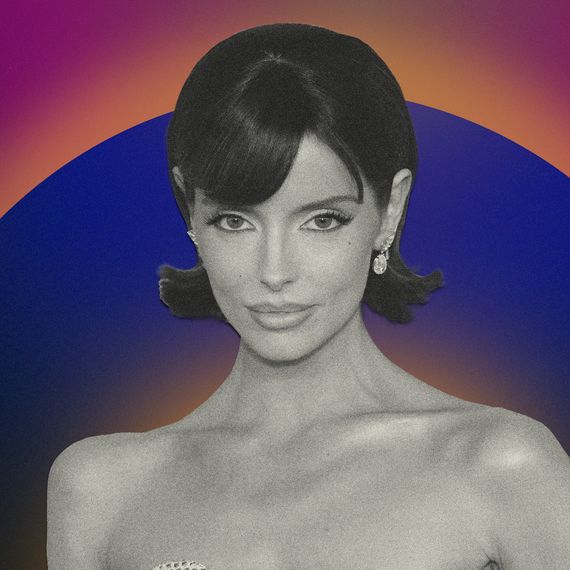
Photo-Illustration: Vulture; Photo: Dimitrios Kambouris/Getty Images
A Birkin is nothing to slouch at, but Maura Higgins’s tragicomic The Traitors loss turned retail win is not the end of her story. She got to the recent season’s heartbreaking final minutes only to watch Alabamian snake wrangler Rob Rausch admit treachery and later promise to repent by using his prize money to buy her a Birkin. Higgins made gullibility look good, overdressing for every breakfast and roundtable, so much so that a stylist had to send her a second case of looks when she outlasted the majority of the players. Just as she did during her original run on Love Island U.K., Higgins let fans adore her for what they perceived as her clueless love of clothes, innocent eagerness, and willingness to trust others, but her wigs obscured a sharper mentality. Rausch might have been scheming his way to a pile of gold, but Higgins’s strategy had a different end of the proverbial rainbow in sight. In the months since the Traitors finale, Higgins has appeared at Fashion Week after Fashion Week, hinting at a return to reality television without naming any names. She kept her lips sealed just long enough to see the collapse of a beloved franchise, and it earned her a potentially high-yield rumor: that she could be the woman to save The Bachelorette. Even though she’s presently following the path of other Mormon Wives by opting for a Dancing With the Stars stint instead, few stars are capable of building genuine reality-TV anticipation quite like Higgins.
➼ Check back Friday for Higgins’s confessional interview.
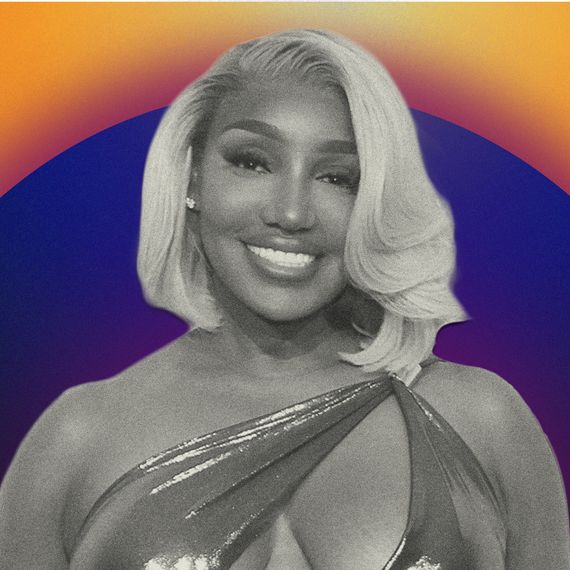
Photo-Illustration: Vulture; Photo: Kayla Oaddams/FilmMagic/Getty Images
In 2020, Bravo fans faced the unimaginable: a reality-TV landscape that didn’t feature actress, entrepreneur, designer, author, and former stripper Linnethia “Nene” Leakes. The Real Housewives of Atlanta lead quit the show after storming out of a COVID-era reunion (so storming out looked more like slamming shut her laptop screen). A reunion walk-off is not surprising, but what happened two years later was: Leakes became a persona non grata at the network she helped define when she filed (and later dropped) a lawsuit against Bravo and executive producer Andy Cohen among others, claiming they created a hostile and racist work environment,and specifically citing the racist remarks of her friend turned nemesis Kim Zolciak-Biermann as reason for her departure.
Leakes wasn’t just the breakout star of RHOA; she helped launch the third Housewives installment, reportedly aiding with casting before its 2008 pilot aired. Her instantly memorable season-one quips and riotous reads of castmates were primary reasons a series about affluent white women on the coasts proliferated into a global franchise that spits out reality stars to this day. In the years after her departure, Leakes made an appearance on the Bad Girls Club descendant, Baddies East, but more important, her reaction GIFs — Leakes shouting “I said what I said!” or disparaging white refrigerators — remained the lingua franca of the internet. One RHOA scene from 2012 produced three all-time classic quotes in under 30 seconds (“Okay … whatever that means,” “It’s getting weird,” “Bling, bling, bling. Bitches is mad”) and still gets lip-synced to this day. Omnipresence even in exile: That is the power of Leakes and why fans were clamoring for her Bravo return, which Cohen finally announced on his radio show. This year, Leakes started filming the Ultimate Girls Trip, a state-spanning road trip celebrating the 20th anniversary of Housewives. Neither Cohen nor Leakes have provided details on what kind of reconciliation happened over the past five-plus years, but the Bravo calculation is clear — it’s better to make amends with the legends you help create than to let some other network or streaming platform with an all-star series scoop them up.
➼ Check back Tuesday for our profile of Leakes.
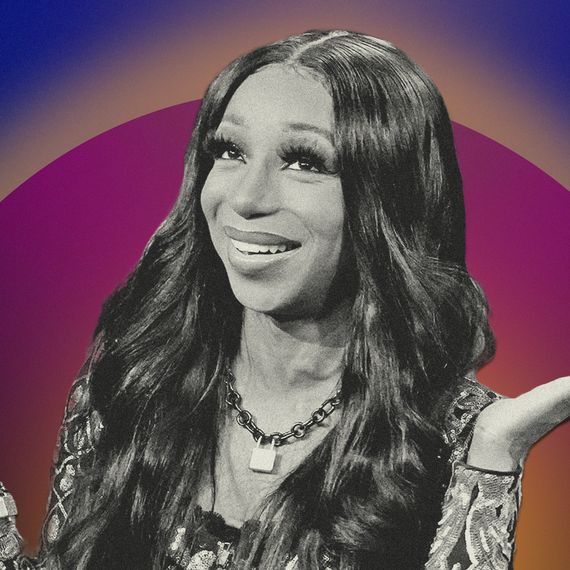
Photo-Illustration: Vulture; Photo: Charles Sykes/Bravo/Getty Images
What often happens when Tiffany Pollard is cast in a show is what happened on her recent viral Ziwe appearance: She ends up breaking the entire conceit. Ziwe Fumudoh is known for her performatively aggressive interview style and no-holds-barred approach to getting guests to answer her questions, but in the presence of Pollard, the comedian was deferential, giggly even, and promised to censor Pollard’s most potentially cancelable comments. (The episode is full of bleeps.) Pollard has never known restraint, so she happily went on tirades about celebrities who can choke on “cosmopollagens” as if she were in a confessional rather than an interrogation. It wasn’t unlike the time Flavor Flav brought her back to help him eliminate Flavor of Love season-two contestants and Pollard put herself back in the competition, making it to the season finale. She didn’t win the first season of House of Villains (she came in ninth out of ten), but she was the only contestant to be cast in the second season in 2024 and to return again this year. Now, she’s hosting a Traitors-esque competition show, OUTtv’s Slayers: Wheel of Fate, on which all the contestants are queer and she’s the levelheaded Alan Cumming. This is the woman who told a fellow Flavor of Love contestant she looked less like Beyoncé and more like Luther Vandross, who called Omarosa a “cocksucking, come-guzzling Republican cunt,” and who told Teresa Giudice, “I always respected your hairline on television.” It’s hard to describe her performances over the past two decades on nearly a dozen reality shows as truly villainous because that would imply she’s operating on the same plane as her peers. She invented the concept of HBIC (head bitch in charge) and has been running reality TV and much of the internet ever since.
➼ Check back Thursday for Pollard’s confessional interview.
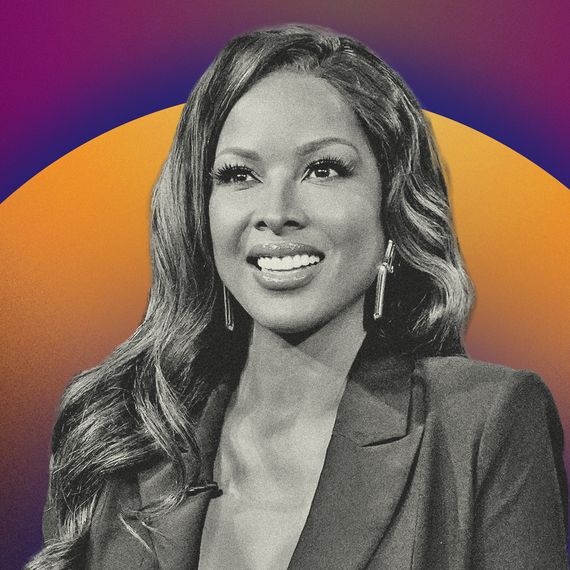
Photo-Illustration: Vulture; Photo: Bravo
If Susan Sontag were alive today, she would be a Housewives fan and she would have written 17 essays about Potomac castmate Stacey Rusch. Rusch is only two seasons into her Bravo tenure, but her performance to this point has been nothing if not camp — all beauty-pageant imperturbability, even while caught up in extreme mess. At her first reunion episode in 2025, her castmates (with an assist from a husband) claimed she faked a seasonlong romantic relationship. Lesser women would have crumbled under the pressure and embarrassment, but Rusch responded with a straight face, “But still I rise.” This is the center of her unique charm: that the former Washington, D.C., local-news fixture can apply the most grandiose thoughts to the silliest of circumstances, as in the clips of her time as a QVC presenter that went viral after her casting, in which she describes the cheapest-looking autumnal appliqués in language so rapturous it sounds like a Shakespeare sonnet. It drives her co-stars absolutely bonkers because no matter what kinds of lies she gets caught in, no matter how wrong she is, and no matter how stupid it all sounds, fans and critics gobble up her every word and bray for more. Andy Cohen went on Call Her Daddy and declared Rusch the product of the best Housewives casting in recent memory. Add that endorsement to the launch of her cannabis line, Shayo, which co-star Wendy Osefo claims is a copycat of her husband’s cannabis line, and you have a stalwart whom all her castmates are gunning for. If Housewives past was defined by the extravagances of Jill Zarin and Jen Shah, its future will be defined by the comedic and dramatic persistence of Rusch.
➼ Check back Wednesday for Rusch’s confessional interview.
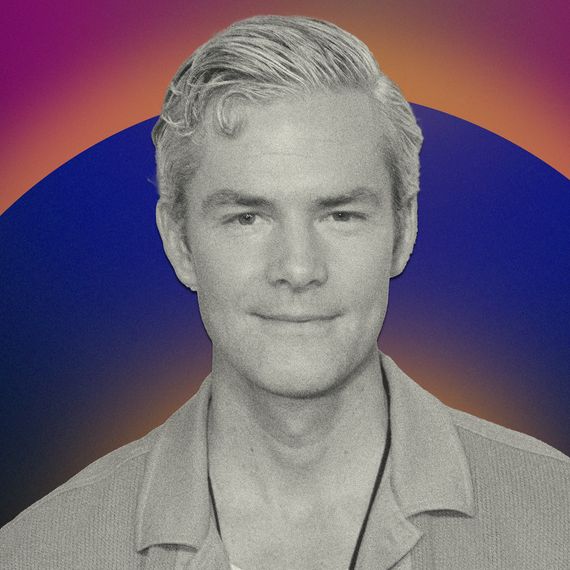
Photo-Illustration: Vulture; Photo: Ivan Apfel/Getty Images
After the sudden success of Selling Sunset, it was only a matter of time before some ambitious real-estate broker developed an East Coast equivalent for Netflix. But Owning Manhattan, starring the silver-haired Ryan Serhant, is no copycat. Long before former soap star Chrishell Stause found her second act selling houses, once-aspiring actor Serhant rose to unscripted fame in the early 2010s as one of the stars of Bravo’s Million Dollar Listing New York, which ran for nine seasons. Serhant had a certain reality-TV je ne sais quoi — the undeniable rizz, gleaming grin, and permanently swept-back hair of someone who can sell you the world while convincing you he’s not selling anything at all. Million Dollar Listing landed Serhant a one-season spinoff, Sell It Like Serhant, and specials revolving around his wedding and a 7,900-square-foot property renovation.
It made sense that, as Million Dollar Listing was wrapping up in 2021 and Selling Sunset was reaching its peak (earning its first Emmy nomination and a nearly permanent spot on Netflix’s most-watched charts), the streamer would look to Serhant to carry its burgeoning house-hunting reality subgenre. Owning Manhattan premiered in 2024 and made it to the streamer’s top-ten most-watched shows globally. One fan took to Reddit to confess: “owning manhattan is 1000x better than sunset or OC but ryan serhant’s hair freaks me out.” While Selling Sunset is the more established Realtor-reality program (and launched its own short-lived NYC spinoff, Selling the City, in 2025), its cast is in as much disarray as the California housing market. Meanwhile, Serhant is poised to outlive the cockroaches that haunt his city, projecting a perfect mix of cockiness and awareness that will serve him well on Netflix’s attempt at a Traitors competitor, Squid Game: The VIP Challenge.
➼ Check back Thursday for Serhant’s confessional interview.
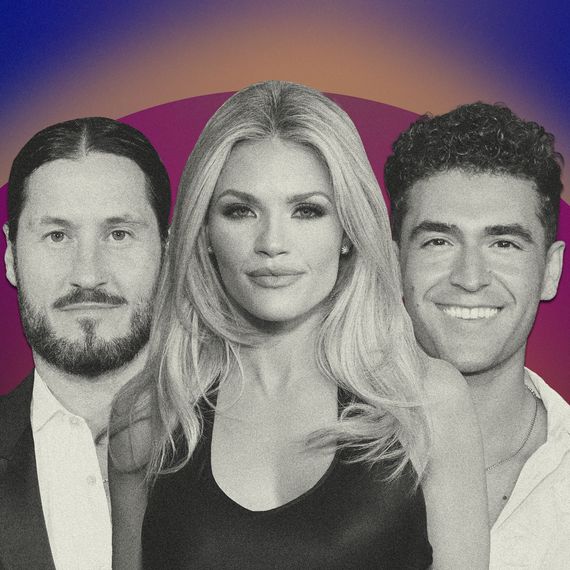
Photo-Illustration: Vulture; Photos: Getty Images (Michael Kovac/The Hollywood Reporter, Earl Gibson III/Deadline, Leon Bennett)
Dancing With the Stars is a misleading title. The hook of the show is seeing which grab bag of celebrities (Sean Spicer! Anna Delvey!) will cha-cha for the audience’s approval, but the real stars — the main characters, the heroes — are the dance pros. This cast of championship-level competitive ballroom and Latin dancers shapes each season’s arc by drawing actors, athletes, and politicians out of their shells, training them to whisk and waltz at acceptable levels, and building the chemistry necessary to sell their performances to viewers and judges. To the year-after-year fans who have carried DWTS into its 35th season, the pros are who they actually follow and root for. Many of them, like Ezra Sosa, Britt Stewart (the first Black female professional dancer on the show), and the 2025 season’s winner, Witney Carson, got their start in the troupe that dances for studio audiences between the main performances before ascending to the actual competition. Last summer, the show introduced a new pro, Jan Ravnik, plucked not from the troupe but directly from Taylor Swift’s Eras Tour. And the best content of the season wasn’t actually on ABC — it was the creative, goofy weekly TikToks and Reels posted by the ever-growing cluster of eliminated dancers. The show has already produced two of the most successful dancer–to–generally famous crossover stories: Derek and Julianne Hough, Emmy winners who, since starring on DWTS, have infiltrated nearly every corner of the culture. Sosa and season-34 runner-up Val Chmerkovskiy will appear on Project Runway this summer; this year, longtime pro (and Emmy nominee) Mark Ballas competed on The Traitors and is currently playing Billy Flynn opposite DWTS partner Whitney Leavitt in Chicago. In July, he’ll judge the search for the franchise’s newest star on Dancing With the Stars: The Next Pro. That’s the ascension narrative that will keep the show going for another 20 years.
➼ Check back Tuesday for Carson, Chmerkovskiy, and Sosa’s confessional interview.
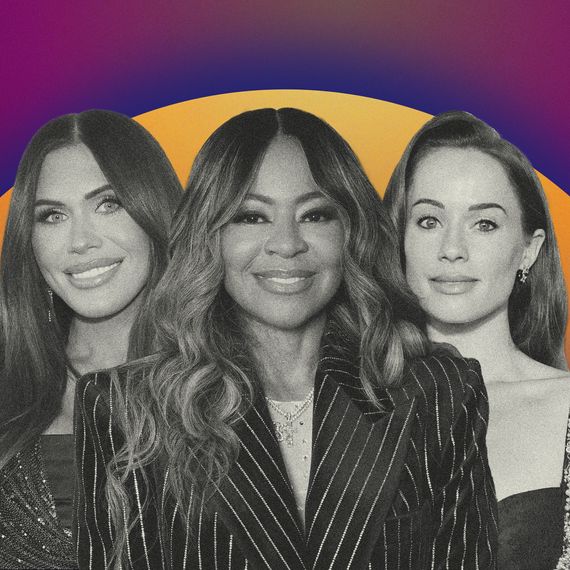
Photo-Illustration: Vulture; Photos: Getty Images (Monica Schipper, Theo Wargo, Charles Sykes/Bravo)
Something about the strange alchemy of Utah — that heady mix of Mormonism, dirty-soda highs, and oxygen deprivation — has conspired to make it the Holy Land of reality television. In its fifth and sixth seasons, The Real Housewives of Salt Lake City continues to be the most culturally relevant of all the modern Housewives. At Utah’s final Sundance in January 2026, the cast were the main characters; Charli XCX seemed more excited to meet Meredith Marks and Lisa Barlow than promote her own films. And RHOSLC was no fluke. It’s via The Secret Lives of Mormon Wives that Hulu and Disney finally found a reality show to compete with Netflix’s and Peacock’s biggest offerings, using TikTok-mom drama to blow up reality TV’s episodic format and producing a universe of characters that could stretch across spinoffs and network relatives alike. SLOMW seasons one through four featured a young, volatile cast that quite literally could not be contained. Erstwhile breakout star Taylor Frankie Paul single-handedly dismantled the Bachelor franchise three days before its latest season premiere. Jessi Draper detonated her marriage following a trip to Vanderpump Villa. Whitney Leavitt pirouetted from Dancing With the Stars (where she outlasted fellow Mormon Wife Jen Affleck) into the time-honored reality-star tradition of playing Roxie Hart on Broadway, achieving the highest-grossing six-week span in the Chicago revival’s 29-year history. Bravo and Disney invited viral influencers, elite scammers, and alleged cult leaders to fix themselves to the front of respected networks, and television will never be the same. NBCU and Disney invited elite influencers and scammers to join their ranks, and television will never be the same.
➼ Read Draper’s confessional interview, where she discusses affairs, crying on-camera, and the genius of Kris Jenner.
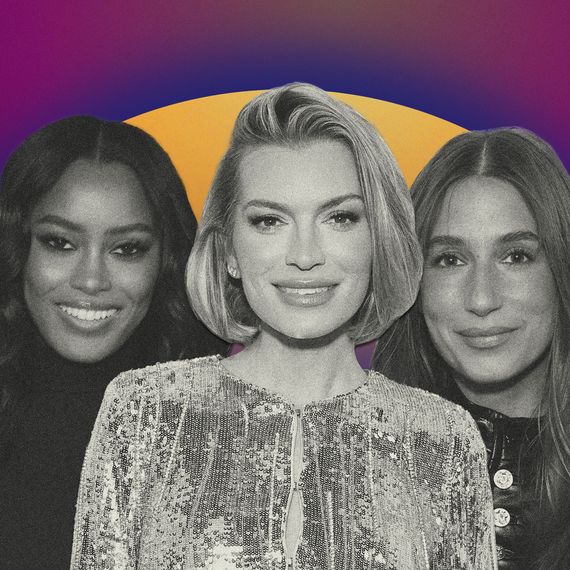
Photo-Illustration: Vulture; Photos: Getty Images (Jamie McCarthy, Dimitrios Kambouris)
Lindsay Hubbard, one of the original randy New Yorkers to share a Hamptons house starting in 2017, was the kindling for this slow burn of a show; it took several seasons and more than a few hookups and blowups for it to catch on in season three. Hubbard played by the old rules of reality TV, fighting with the other women over boys and their place in the house. Then Ciara Miller arrived in season five with a calm, cool-girl charisma. She preferred spending time in bed and gossiping with her female friends over how much boys suck, instead of chasing them. After Hubbard’s messy breakup from castmate Carl Radke, Miller won her over, and both the women became fan favorites in a brave new reality space that adheres to girl code.
Just as Summer House ratings were surging in 2024 and 2025, Hubbard was starting a family and maturing out of the hard-partying world she’d created. Rather than abandon a bankable star, Bravo promoted Hubbard, Kyle Cooke, and Amanda Batula to a show called In the City, about what happens when summer ends and life goes on for these New Yorkers, leaving the future of the house in Miller’s hands. Enter a franchise-elevating scandal: In March, rumors swirled that Miller’s co-star and ex-boyfriend West Wilson was sleeping with her best friend Batula behind her back. Miller experienced the kind of fan-hoisted martyrdom that had propelled Ariana Madix to superstardom following Scandoval and within weeks had secured a spot on the next season of Dancing With the Stars. The show’s code was broken off-screen, but even without the cameras, Hubbard was the perfect sorority upperclasswoman, unfollowing West on Instagram and posting a wordless reaction shot of her own face contorted in disgust. The girls’ girls have transformed Summer House from a chronicle of seasonally amusing drama to another always-on reality experience.
➼ Read Hubbard’s confessional interview, where she discusses In the City, girls’ girls, and being activated for a month.
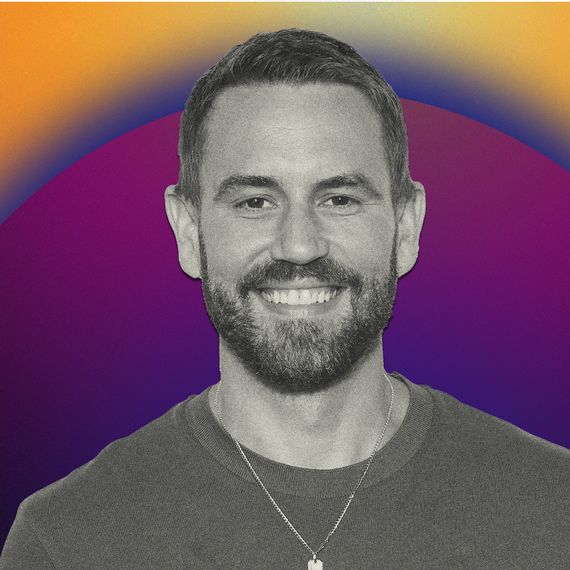
Photo-Illustration: Vulture; Photo: Cindy Ord/Getty Images
Who would have thought the next Andy Cohen would be a two-time Bachelor reject? Out of all the podcasts launched by former reality stars, The Viall Files may be the most unlikely success. Viewers complained Nick Viall was arrogant and condescending when he first appeared on The Bachelorette (and some redditors still do), but over its seven-year lifespan, The Viall Files has booked the Vanderpump cast post-Scandoval, Taylor Frankie Paul the same week season one of The Secret Lives of Mormon Wives debuted, and all the most-talked-about Love Islanders as soon as they leave Fiji. Viall’s reputation for getting the goods has secured him prime hosting gigs as the custodian of the Mormon Wives season-two reunion and, more recently, on Age of Attraction, the Netflix dating show about age-gap relationships, which he co-hosts with his wife, Natalie Joy (their own age gap: 18 years). Listening to The Viall Files feels a little bit like gossiping about reality TV with your girlfriends while one of their boyfriends happens to be in the room — you wonder why he’s there and then suddenly he lobs an insightful question. Cohen parlayed his interrogation skills into an executive-producing role and a late-night talk show, and Viall’s contemporaries see potential in his ability to carve out a similarly assertive position. “He is one of those people that understood where pop culture was going,” says casting director Jazzy Collins. “He went along for the ride and made his own lane.”
➼ Read his confessional interview.
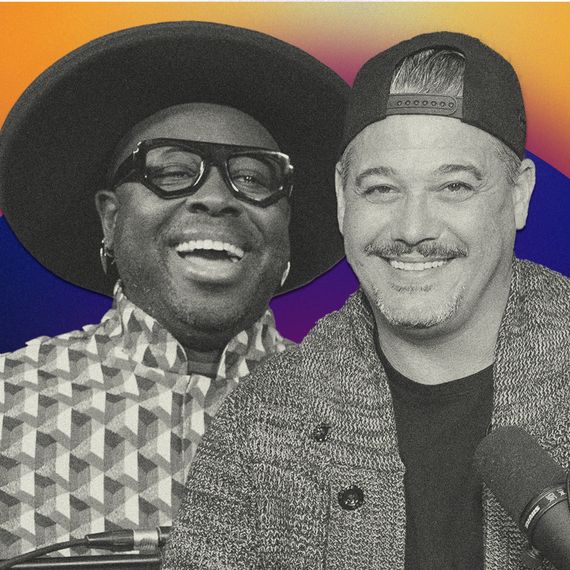
Photo-Illustration: Vulture; Photos: Griffin Nagel/Peacock/Getty Images, Peacock
Bob the Drag Queen and Boston Rob were both alphas on their breakout reality shows. Rob, a straight man in more ways than one, first appeared on Survivor’s fourth season back in 2002 and has since competed a total of five times — winning once, in season 22. Bob, known for her big reactions and bigger confidence level, dominated RuPaul’s Drag Race season eight, winning easily and leveraging that success into multiple comedy specials and a tour spot with Madonna. The two contestants met while filming season three of The Traitors, both as Traitors, and that collaboration didn’t go well. Bob said something shady about Rob, then Rob mounted a sneak attack that led to Bob’s departure, and the combined antics amounted to Rob’s elimination a few episodes later. Even as enemies, they had chemistry; in postgame interviews, both took the position of “game recognizes game.” Now, the two are hosting Peacock’s official Traitors podcast, a popular meeting point for all Traitors fans that provides commentary as well as interviews with recently eliminated contestants. For both B/Robs, the podcast is helping define their rank in the increasingly dominant galaxy of Peacock reality TV after they were poached from the Paramount-verse. Together, they have an odd-couple kind of charm and represent the best of what Traitors can do: making reality stars feel as if they’re part of a grander world, one where a football-commentating bro can talk fashion with a purse-first queen.
➼ Check back Tuesday for Bob and Rob’s confessional interview.
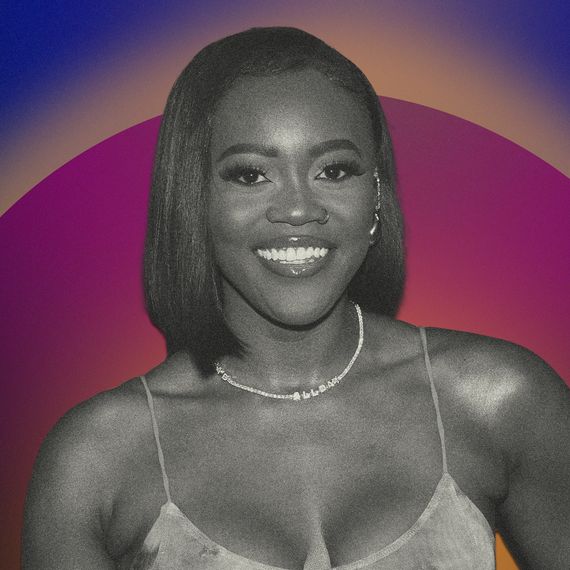
Photo-Illustration: Vulture; Photo: Natasha Campos/Getty Images
No on-camera personality has navigated the Netflix Reality Universe as wisely as Amber Desiree “AD” Smith, who turned instant fan-favorite status on Love Is Blind season six into a powerful podcast career. On LIB, she mastered the art of cutting yet constructive commentary, weaving her way through countless awkward social situations (remember Bean Dip Gate?) with both righteousness and a sense of humor and playing the role of a one-woman Greek chorus in her confessional interviews. It was often tough to know whose side she was on when conflict broke out, but her inscrutability read as sensible rather than deceitful. After her trip down the aisle ended in a tearful breakup, she swam onto Netflix’s Perfect Match, where she and LIB: U.K. alum Ollie Sutherland locked in immediately. There, too, Smith gave an effortless hero’s performance when she witnessed boys being naughty and reported it back to their girlfriends. Unlike most of Netflix’s breakout reality-TV personalities, Smith has extended her reach beyond the streamer. Following in the footsteps of fellow dating-show stars like Nick Viall and Rachel Lindsay, she launched What’s the Reality?, on which her diplomatic approach to disputes has turned the pod into a first stop for outgoing Netflix stars and, every now and then, friendly personalities from other franchises including The Bachelor, The Real Housewives, and Married at First Sight. Smith gets to extend the knowing persona she projected on LIB, offering office hours for reality stars to declassify their experiences while she gently asserts authority and provides intel. She is openly campaigning for reality-TV tenure and using her demonstrated drama-management skills to make it happen.
➼ Check back Wednesday for Smith’s confessional interview.
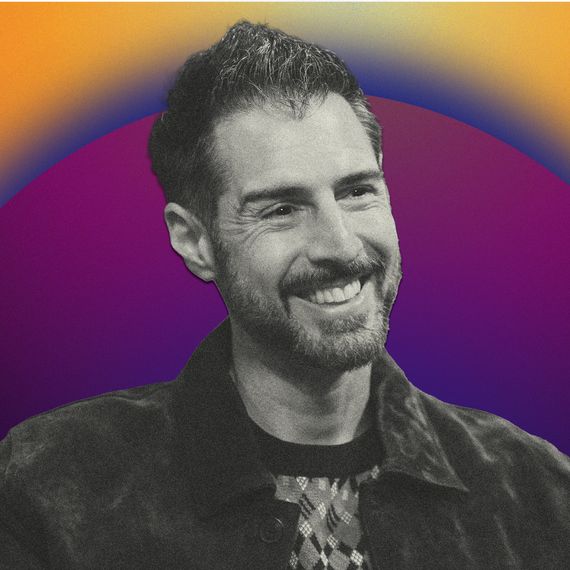
Photo-Illustration: Vulture; Photo: Euan Cherry/Peacock/Getty Images
He may have finished 21st out of 23 players on the most recent season of The Traitors, but if you’re a reality-TV devotee — especially of the social-strategy competitions like Survivor and Big Brother — you know how much his Rob Has a Podcast network has helped shape the way fans watch (and increasingly compete on) these shows for the past 15 years. As the third-place finisher on Survivor: The Amazon in 2003, Rob Cesternino was one of the first to unlock how to play the game as an endlessly nimble alliance shifter; host Jeff Probst once called him the smartest player never to win the game, and Cesternino has literally written the book on gamer strategy (The Tribe and I Have Spoken). So it’s no surprise that his podcasting venture, which launched in 2010, has attracted a massive audience of astute armchair strategists, producing a recap shows, post-elimination interviews, tactical breakdowns, and much more. RHAP operates as a cultural hub for fans, former players, players who started out as fans, and fans who dream of being contestants. If Survivor fandom has an epicenter, RHAP is it. And with the dominant mode of modern-day Survivor contestant being “superfan” — Aysha Welch, an RHAP recapper, competed on Survivor 47 — RHAP’s influence can be seen more and more in the televised product.
➼ Check back Thursday for Cesternino’s confessional interview.
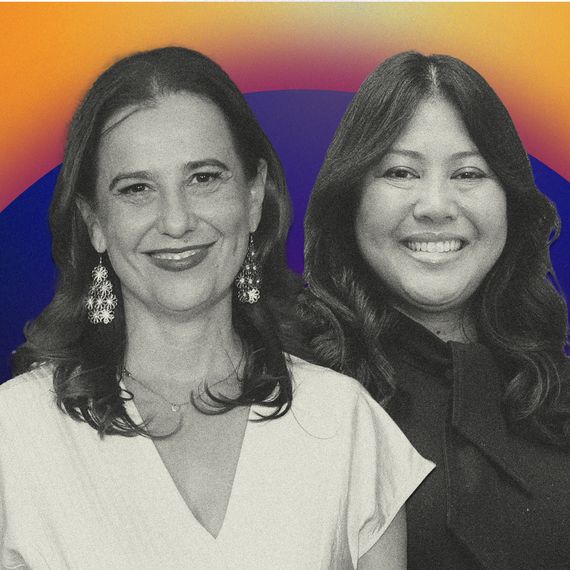
Photo-Illustration: Vulture; Photos: JC Olivera/Variety/Getty Images, Erika Goldring/Getty Images
There are countless streaming services, but for reality-TV obsessives, only one matters: Peacock. The streamer is home to all of Bravo’s archives and a number of Zeitgeist-defining hits, including The Traitors. Sharon Vuong is the executive vice-president who played a key role in bringing Love Island USA to the platform. She also helped make the bold choice to cast Traitors as a celebrity-driven reality series, motivating genre fans to trust a new show by ensuring they could use it to check in on their favorite Bravolebrities. This vindicated to a strategy across Peacock of providing new forums for existing reality talent — such as the competition show House of Villains, which gets fans to reinvest in old shows like Below Deck and The Real Housewives of New Jersey. (Love Island USA also drove a surge in viewership for Vanderpump Rules as superfans sought to explore the asylum that raised host Madix.)
Meanwhile, Bravo is under the guardianship of Rachel Smith, also an executive vice-president, who is tasked with safeguarding the existing pipelines for reality stars as well as recruiting new unscripted talent. She’s overseeing the reboot of Ladies of London and the launch of The Real Housewives of Rhode Island, which produced instant icons like Martha Sitwell and Liz McGraw, ensuring Bravo’s dominance in the docusoap arena won’t be halted anytime soon. “These are buyers who know nonfiction inside and out, having cut their teeth in the trenches of the trade for decades,” a reality-TV producer says of the duo. “They know what works, which producers get it, and how to navigate what is always a bumpy ride. They have consistently gambled big and minted hits.”
➼ Check back Thursday to read more about Vuong and Smith.
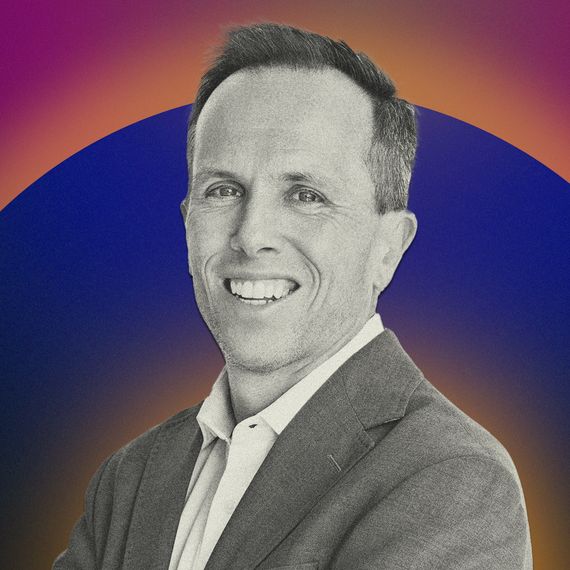
Photo-Illustration: Vulture; Photo: Courtesy of the subject
The Kardashians, Vanderpump Villa, and The Secret Lives of Mormon Wives have turned Hulu into a robust Bravoverse alternative featuring cross-promotional story lines and self-imploding, headline-generating talent. Rob Mills has been an executive at ABC for years, but in his role as head of Walt Disney Television Alternative, he has become proficient at translating unscripted formats beyond the typical family-friendly ABC brand, permitting shows like Love Overboard to solidify Hulu’s more adult (read messier) programming division. At the same time, Mills has made sure not to leave the older ABC franchises behind. Dancing With the Stars, a show now old enough to buy its own wine coolers, has gotten a new burst of energy thanks to smart casting, with the TikTok fandom tuning in for Alix Earle and Dylan Efron finding themselves going all in on unexpected success stories like Andy Richter’s. And those who tune in for Richter don’t seem to mind the influx of internet personalities: “Anybody who’s older wants to watch what the kids are watching,” says Mills. It’s not yet clear what he’ll do with the fallout from Taylor Frankie Paul’s canceled Bachelorette season, but as Mills said in 2025, “One thing we’ve learned about with The Bachelor is that you’re always just a season or two away from roaring right back.”
➼ Check back Wednesday to read more about Mills.
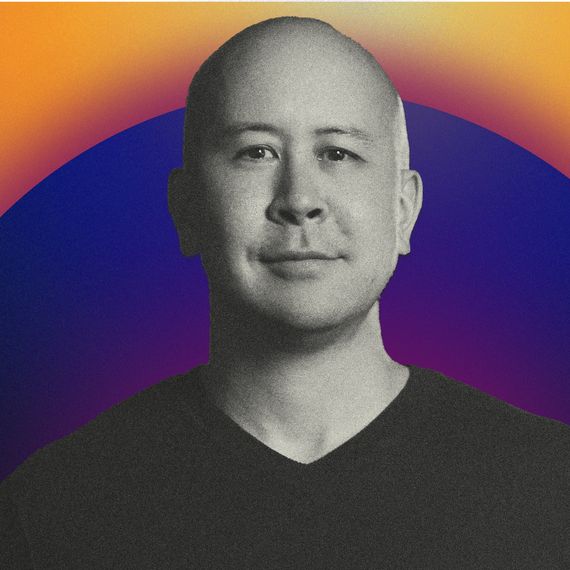
Photo-Illustration: Vulture; Photo: Courtesy of the subject
Brandon Riegg joined Netflix in 2016 with a résumé that included collaborations with The Apprentice creator Mark Burnett and stints overseeing Dancing With the Stars and America’s Got Talent. Within a decade, he’d built a portfolio spanning Love Is Blind, Selling Sunset, and their many spinoffs and international adaptations as well as Queer Eye, Love on the Spectrum, and so on. These shows mint stars (Chrishell Stause, Christine Quinn, Jonathan Van Ness), and as Netflix increasingly crosses talent between them (see Perfect Match), their dream of rivaling the Bravoverse is clear. But Riegg, whose official title is VP of nonfiction and sports, has also expanded what the “reality TV” label can mean. Watching obscenely wealthy Formula 1 principals lock into petty bitchfests on Drive to Survive evokes the storytelling language of a Real Housewives, pulling viewers into an insular world packed with outsize personalities and pure soap opera. These docs too can mint stars (Daniel Ricciardo was an early beneficiary of the DTS bump), and they now mirror conventional reality television as brand-building platforms. Much as Vanderpump Rules drove new patrons into Lisa Vanderpump’s restaurants, Full Swing drives new fans to PGA Tour coverage. The ripple effects can be felt well beyond Netflix; you don’t get Welcome to Wrexham without Drive to Survive. More of Riegg’s recent focus has shifted toward live programming: boxing matches, one-off NFL broadcasts, the WWE, and major events like the BTS reunion concert. It’s not hard to see how the live events and Netflix’s reality foothold may one day coalesce into whatever comes next for the genre.
➼ Check back Tuesday to read more about Riegg.
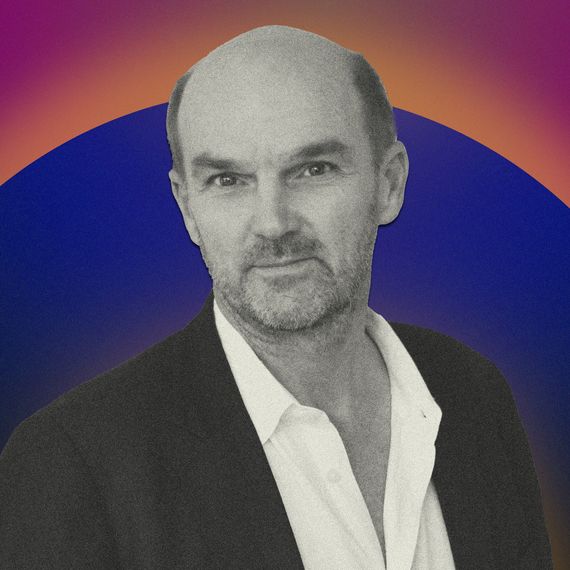
Photo-Illustration: Vulture; Photo: Courtesy of the subject
Stephen Lambert is the kingmaker of reality TV. He runs the production hub Studio Lambert, which helms both the U.K. and U.S. versions of The Traitors. Last season, the already-popular show soared to 3.2 billion viewing minutes in the U.S. — 66 percent over the previous season, while in the U.K., the recent celebrity season averaged 15 million viewers, making it the most successful show of 2025, scripted or unscripted. We could explain Lambert’s inclusion on this list by that success alone. “It has infiltrated pop culture like nothing we’ve seen,” one senior publicist says of The Traitors, and according to multiple sources, it’s the show every network is attempting to imitate. But Studio Lambert, which its eponym launched after 15 years in the documentary department at the BBC, has produced other worldwide phenomena, too: Squid Game: The Challenge and The Circle for Netflix, multiple versions of Undercover Boss, and the recent spate of wildly popular British shows including Gogglebox, Race Across the World, and Four in a Bed. “Behind the scenes in unscripted right now, there’s no one doing it better than Stephen Lambert,” says former NBCU reality chief and current Beast Industries Studios president Corie Henson.
➼ Check back Friday to read more about Lambert.
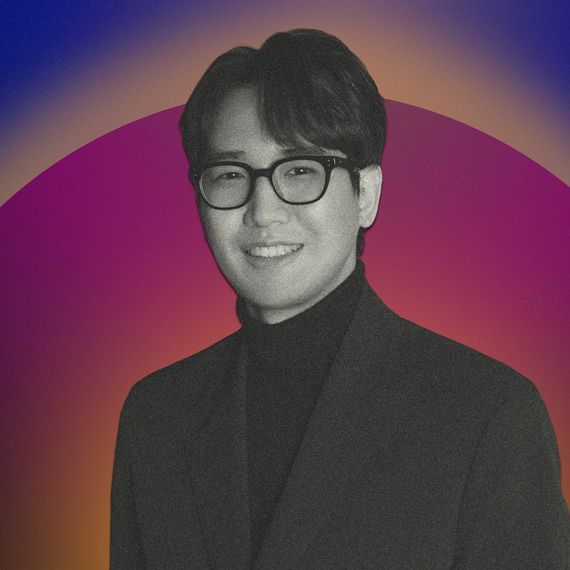
Photo-Illustration: Vulture; Photo: Courtesy of the subject
South Korea has been fostering its own reality-TV tradition for decades, one grown out of the variety-show subgenre popular across East Asia and dense with talent searches and “survival” programming (competition formats but more hard-core). To an extent, its successes have long crossed over, though usually via format licensing adapted for local tastes; Fox’s The Masked Singer, for example, is a re-skin of a Korean original. What’s distinct about Netflix’s K-reality run is the scale at which its audiences enjoy these shows in their original form. As director of nonfiction at Netflix Korea, Kihwan Yoo shepherded 2021’s Single’s Inferno — a dating show that dumps contestants on an island campground where they must couple up to earn nights at a luxury resort — into the first K-reality title to crack the platform’s global non-English top ten. He has since built one of the more varied unscripted slates packed with distinct local flavors: interpersonally restrained (the Single’s Inferno contestants barely touch), unabashedly complex (The Devil’s Plan takes ten minutes to explain each of its strategic games), and epically scaled (Physical: 100 and Culinary Class Wars).
None of this is without precedent. Japan’s Terrace House was a mid-2010s Netflix crossover hit, tapping an American appetite for reality TV paced unlike anything made domestically. What Yoo’s tenure has underlined is how these formats don’t need to be sanded down to travel. Culinary Class Wars returned in 2025 for a second season that spiked food tourism across Korea. Physical: 100 has spawned Physical: Asia, a travel spinoff, and a forthcoming American version. Single’s Inferno was renewed for a sixth season, making it the platform’s longest-running K-reality franchise.
➼ Check back Thursday to read more about Yoo.
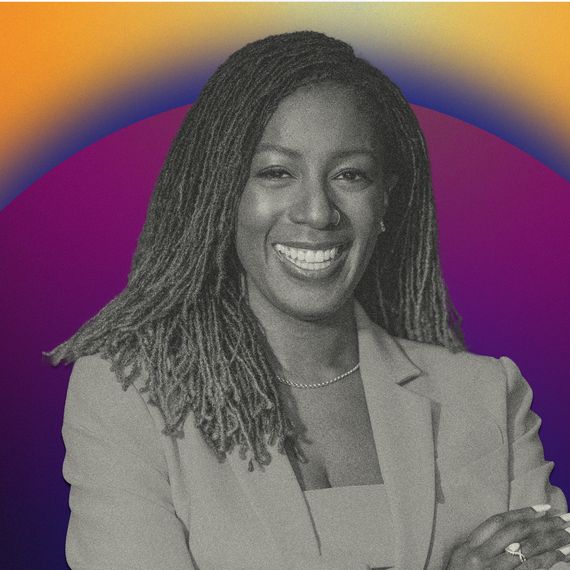
Photo-Illustration: Vulture; Photo: Owen Scarlett
Jazzy Collins describes casting directors as the “architects” of the reality-television genre. “We create what you see onscreen,” she says correctly. In a world with no scripts, the individuals who choose the talent dictate the ultimate tone and success of a series. The Emmy Award–winning casting director is the mind behind some of the most legendary reality stars in recent memory. She helped cast Bachelorette contestants Tyler Cameron, Colton Underwood, and Peter Weber; found the civilians who would go up against celebs on the first American season of The Traitors; and unearthed such scene-stealers as DeLeesa St. Agathe from The Circle and Krystal Nielson from The Bachelor. In 2024, Collins became the first casting director of unscripted shows to become a board member of the Casting Society. She is now helping to build an entirely new type of unscripted television with Dropout, the profit-sharing, subscription-based comedy platform where she scouts improvisers and storytellers and books talent for a growing stable of game shows, talk shows, and uncategorizable comedic shenanigans. “Everyone’s performing a little bit, amping up their personality, but authenticity is key,” she explains. The age-old reality-TV casting mandate — be yourself — is working for the new platform. Between 2024, when Collins was hired by Dropout, to 2025, the streaming service’s audience grew by 31 percent, surpassing the 1 million subscriber mark. In 2025, she oversaw casting of the streamer’s popular series Game Changer for season seven, and the premiere was the most-watched single episode in Dropout history.
➼ Check back Thursday to read more about Collins.

Photo-Illustration: Vulture; Photo: Julian Hamilton/FilmMagic/Getty Images
All reality TV is voyeuristic, but Australian producer Cian O’Clery saw a market for a dating show that didn’t rely on conflict and vulgarity. O’Clery and co-producer Karina Holden brought the idea of a series about singles on the autism spectrum to Australia’s public broadcaster. After a successful first season in 2019, Netflix came knocking, and soon the world was introduced to breakout stars from the American spinoff, Love on the Spectrum, such as Abbey, James, Dani, Connor, Madison, Pari, and Tanner, whom viewers have watched experience the indignities of modern dating (James’s awkward speed dates, Dani’s oft-foiled quest to get laid).
The show’s tone is almost always lighthearted and wholesome thanks to its twinkly soundtrack and tendency to film in gardens. Throughout it all, O’Clery’s voice from behind the camera acts as an audience surrogate, sometimes probing, sometimes consoling, and other times simply a straight man for the cast to play off. Like all great reality stars, some cast members have shrewdly channeled their now-enormous social-media followings into business ventures like jewelry lines and music careers. And its original spirit is contagious. Netflix’s Kihwan Yoo says, “A show like that, done in Korea … that would feel very meaningful.” (Netflix declined to comment on whether the streamer was developing international versions.) One of the most romantic moments on TV last year was Connor and Georgie’s first kiss in the rain under an umbrella, after which the sun bursts out from behind the clouds. “It did feel good, didn’t it?” a giggling Georgie says after they separate.
➼ Check back Tuesday to read more about O’Clery.
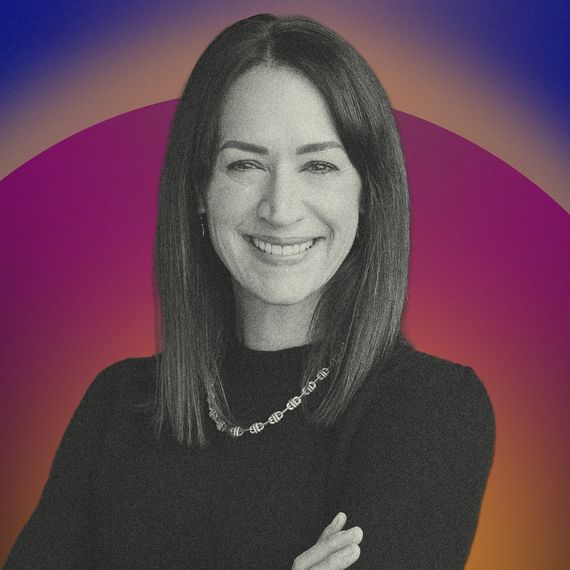
Photo-Illustration: Vulture; Photo: NBCUniversal
For nearly 25 years, Corie Henson has worked in almost every corner of the realityverse, from ABC to Fox to Warner Bros. Discovery and finally to NBCUniversal, where she contributed to Peacock smash hits like The Traitors and Love Island and green-lit the gone-too-soon Deal or No Deal Island. But rather than continue to move through the ranks of traditional media, Henson became the president of Beast Industries Studios, MrBeast’s entertainment company, which includes both his YouTube channels and Beast Games, the Amazon Prime series launched in late 2024 in which a thousand contestants competed for $5 million, thought to be the biggest prize in game-show history (production for the first season reportedly cost $100 million). “Beast Games brilliantly took Beast’s YouTube tone, mashed it up with Squid Game, and minted a reality double shot of espresso that found its mark,” says one reality-TV producer. For the past decade-plus, Jimmy Donaldson, the 27-year-old better known as MrBeast, has been on a Sisyphean quest to make people watch his videos. He is generally considered to embody the future of entertainment, in which every aspect of production can be A/B tested and improved with data in real time, for better or worse. (The company’s production arm is the subject of an ongoing lawsuit alleging discrimination and harassment, which it has denied.) Henson’s role is to apply the narrative aspects of reality TV to Donaldson’s expanding empire, guiding him and his team toward compelling characters and resonant plot arcs rather than one-off bits. “Storytelling is something that, quite frankly, they didn’t need to pay too much attention to before,” she says. “But as the guys get older, their audience is getting older with them, and there’s only so much spectacle that will keep people engaged.”
➼ Check back Friday to read more about Henson.
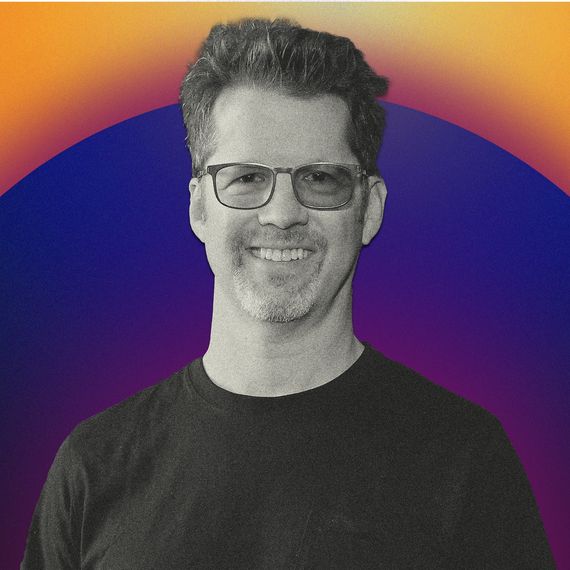
Photo-Illustration: Vulture; Photo: Charley Gallay/Getty Images
Love Is Blind could have been a pandemic-era fluke, but every year, this messy juggernaut just gets bigger. In 2025, LIB set a Nielsen record as the top unscripted streaming show of all time, and ten seasons in, it has continued to prove there’s a special kind of pleasure in watching two people connect through a wall and then combust in the real world. Its creator, Chris Coelen, started out as an agent booking talent, including a young Ryan Seacrest, before founding the United Talent Agency’s unscripted division. In 2010, Coelen launched Kinetic Content, which adapted Married at First Sight from a Danish format four years later. MAFS places participants in arranged marriages before setting them loose to test out married life and, ultimately, to decide if they want to stick it out. As with LIB, audiences ate it up: MAFS is now an international hit with eight American spinoffs alone.
Coelen kept going: In 2022, he debuted The Ultimatum on Netflix, a social experiment that bravely asks, “What happens if couples agree to emotionally cheat for three straight weeks?” Then came the light, summery Perfect Match, which plops some of Netflix’s shiniest unscripted stars into a villa. Coelen’s legacy has been to shift the reality-dating subgenre from a rigid competition format toward something resembling loose social research. A fellow reality-TV showrunner describes Coelen as having a “holographic view of the industry from multiple sides,” while other peers call him a genius or a mad scientist. “Love Is Blind was the first thing that everybody was like, ‘What the fuck is this?’” says a publicist for a rival show. “That was the most innovative thing we had seen in a really long time.”
➼ Check back Friday to read more about Coelen.
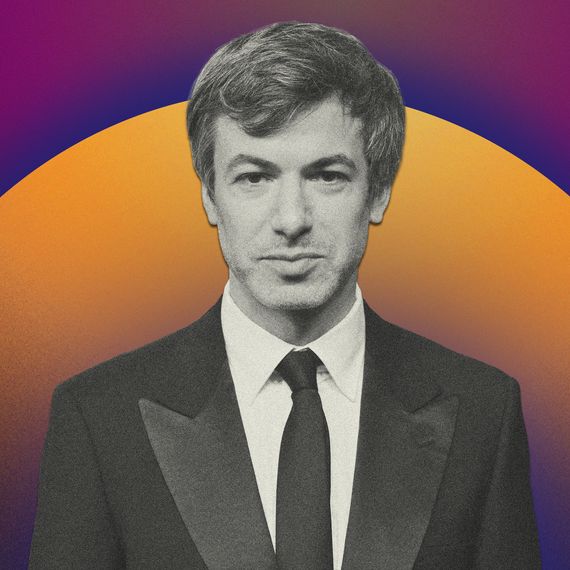
Photo-Illustration: Vulture; Photo: Michael Buckner/Variety via Getty Images
Reality TV is now a vast, complex genre, and Nathan Fielder’s work — obsessed as it is with artifice, performance, how we edit ourselves around others, and how we reflect what we’ve seen on TV to craft the social status quo — has always been a part of it. His four-season Comedy Central series, Nathan for You, and its follow-up, HBO’s The Rehearsal, both cast real people in unscripted scenarios he carefully designed. The Television Critics Association nominated the first season of The Rehearsal for Outstanding Achievement in Reality Programming, separating it from the “docu” descriptor usually attached to Fielder’s work. When asked if the show was simply the prestige version of contemporary reality TV, HBO’s head of comedy series, Amy Gravitt, replied, “If ‘prestige’ connotes a certain rigor and point of view, then yes. He’s re-creating reality and then stepping inside it. But at a certain point, his true gift is getting the audience to the place where they stop looking for the seams.”
In season two of The Rehearsal, Fielder staged a labyrinthine metanarrative about the failure of commercial-airline pilots. Like all of Fielder’s previous work, the Peabody-winning season explored the difference between figurative and literal reality, advancing an obvious but revolutionary idea: We can create our own world, one that corrects flaws we’ve otherwise normalized. After season two’s finale aired, Fielder insulted the Federal Aviation Administration, went on a press tour about his findings, and demanded he and his collaborators be recognized for the amount of research that went into their investigation. It was the kind of post-finale media blitz Lisa Rinna would appreciate.
➼ Read how Fielder channeled a longtime personal obsession into his most ambitious project yet in this 2025 interview about season two of The Rehearsal.
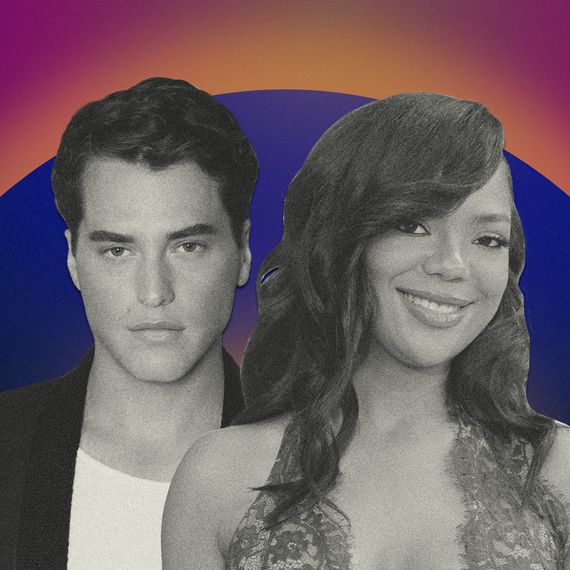
Photo-Illustration: Vulture; Photos: Getty Images (Charles Sykes/Bravo, Savion Washington/Variety)
From the Osbournes to the Kardashians, reality television has always been a household enterprise. But now on Bravo we’re seeing fame inherited. Next Gen NYC centers largely on the children of Bravolebrities taking over the reality reins from their parents as they navigate Manhattan. The show at times feels like a sociological trial, monitoring the impact of growing up around reality cameras by way of various test subjects. And Riley Burruss (daughter of RHOA’s Kandi Burruss) and Brooks Marks (son of RHOSLC’s Meredith Marks) are compelling subjects. Marks claims he’s conflict averse, and Burruss’s youth was defined by her being the quiet kid, but those modifiers are relative when it comes to unscripted TV and young adulthood. Marks may not yell or scream, yet no one weaponizes vocal fry like Utah’s first son. And Riley’s lack of commotion makes her the necessary grounded one on a show overflowing with intensely privileged offspring. They’re both still growing up on-camera, but The Next Gen stars don’t need to know who they are today, because audiences understand them generationally. That banked knowledge creates an inherent investment that any new reality show, or character, would kill for.
➼ Check back Tuesday for Marks and Burruss’s confessional interview.
See All
Production Credits
Portfolio by
Art Streiber
Styling by
Daniel Edley
Photo assisting by
Evan Mulling, Grant Flanagan, Joshua Goodell, Elliot Smith-Hastie, and Hector Adalid
Digitech by
Brad Jarvis, Nora Schneider, and Eric Vlasic
Style assisting by
Grace Providencia Wagner, Alexandria Delarosa, Dasani Mathis, Galen Womack, Landon Rivera, Lexi Lang, Ptah Edu, Rachel Liner, BT Marie, and Arianna Thode
Tailoring by
Susan Balcunas and Teresa Hernandez
Production by
Lynda Goldstein and Evan Mulling
—
Nene Leakes: Hair by Tym Wallace; makeup by Jordan Malette Alexander. Wardrobe by archival Saint Laurent, courtesy of Albright Fashion Library (dress), Rene Caovilla (shoes), subject’s own (jewelry).
Michelle Visage: Hair by Tony Medina; makeup by Adam Burrell at Opus Beauty. Wardrobe by Frette (towel), Gucci (shoes and jewelry).
Ariana Madix: Justine Marjan at Highlight Artists; makeup by Chloe Forbes at Opus Beauty. Wardrobe by Gucci (dress), Giuseppe Zanotti (shoes).
Taylor Hale: Hair by Tym Wallace; makeup by Hendra Nasril. Wardrobe by Fleur du Mal (bra, panties, garter belt), Falke (stockings).
Ezra Sosa: Grooming by Frankie Payne using Sauvage Serum at Opus Beauty. Wardrobe by Dsquared2 (tank top), Christian Louboutin (shoes).
Parvati Shallow: Hair by Richard Collins at TMG; makeup by Jayme Kavanaugh at TMG using e.l.f. Cosmetics. Wardrobe by archival Moschino, courtesy of Albright Fashion Library (bra), Carolina Herrera (skirt), Jimmy Choo (shoes).
Lindsay Hubbard: Hair by Julius Michael; makeup by Sophia Vallejos. Wardrobe by archival Christian Dior, courtesy of Albright Fashion Library (robe), Fleur du Mal (bra and panties), Gianvito Rossi (shoes).
Nick Viall: Grooming by Frankie Payne using Sauvage Serum at Opus Beauty. Wardrobe by Gucci (tuxedo, shirt), Jimmy Choo (shoes).
Jessi Draper: Hair by Halli Hermanson; makeup by Peyton Warr. Wardrobe by Fleur du Mal (bra and panties), Falke (tights), Giuseppe Zanotti (shoes).
Brooks Marks: Grooming by Frankie Payne using Sauvage Serum at Opus Beauty. Wardrobe by DSquared2 (tuxedo, shirt, shoes), Carrera (sunglasses).
Nic Vansteenberghe: Grooming by Kristan Serafino. Wardrobe by Willy Chavarria (underwear), Tommy Hilfiger (socks).
Tiffany Pollard: Wardrobe by archival Marc Jacobs, courtesy of Albright Fashion Library (dress), Falke (tights), Gianvito Rossi (shoes).
Riley Burruss: Hair by Mideyah Parker; makeup by Nyala Chamberlain at the Only Agency. Wardrobe by archival Alaïa, courtesy of Albright Fashion Library (dress), Jimmy Choo (shoes).
Kristen Kish: Hair by Erickson Arrunategui; makeup by Taylor Fitzgerald. Wardrobe by archival Victoria Beckham, courtesy of Albright Fashion Library (suit), Jimmy Choo (shoes).
Ryan Serhant: Grooming by Peter Gray using Oway USA at Home Agency. Wardrobe by SuitSupply (shirt), Calvin Klein (underwear), Thom Browne (sock garters), Tommy Hilfiger (socks), Saint Laurent (shoes).
Stacey Rusch: Hair by Mideyah Parker; makeup by Nyala Chamberlain at the Only Agency. Wardrobe by archival Zac Posen, courtesy of Albright Fashion Library (dress), CUUP (bra), Spanx (shapewear), Christian Louboutin (shoes).
Witney Carson: Hair by Clint Torres; makeup by Lyndsay Zavitz. Wardrobe by archival Saint Laurent, courtesy of Albright Fashion Library (dress, shoes), Alexis Bittar (earrings).
Amaya Espinal: Hair by Suzette Boozer at A-Frame; makeup by Armando Kole the Only Agency. Wardrobe by archival Mugler, courtesy of Albright Fashion Library (bodysuit), Giuseppe Zanotti (shoes).
Thank you for subscribing and supporting our journalism.
If you prefer to read in print, you can also find this article in the May 4, 2026, issue of
New York Magazine.
Want more stories like this one? Subscribe now
to support our journalism and get unlimited access to our coverage.
If you prefer to read in print, you can also find this article in the May 4, 2026, issue of
New York Magazine.