
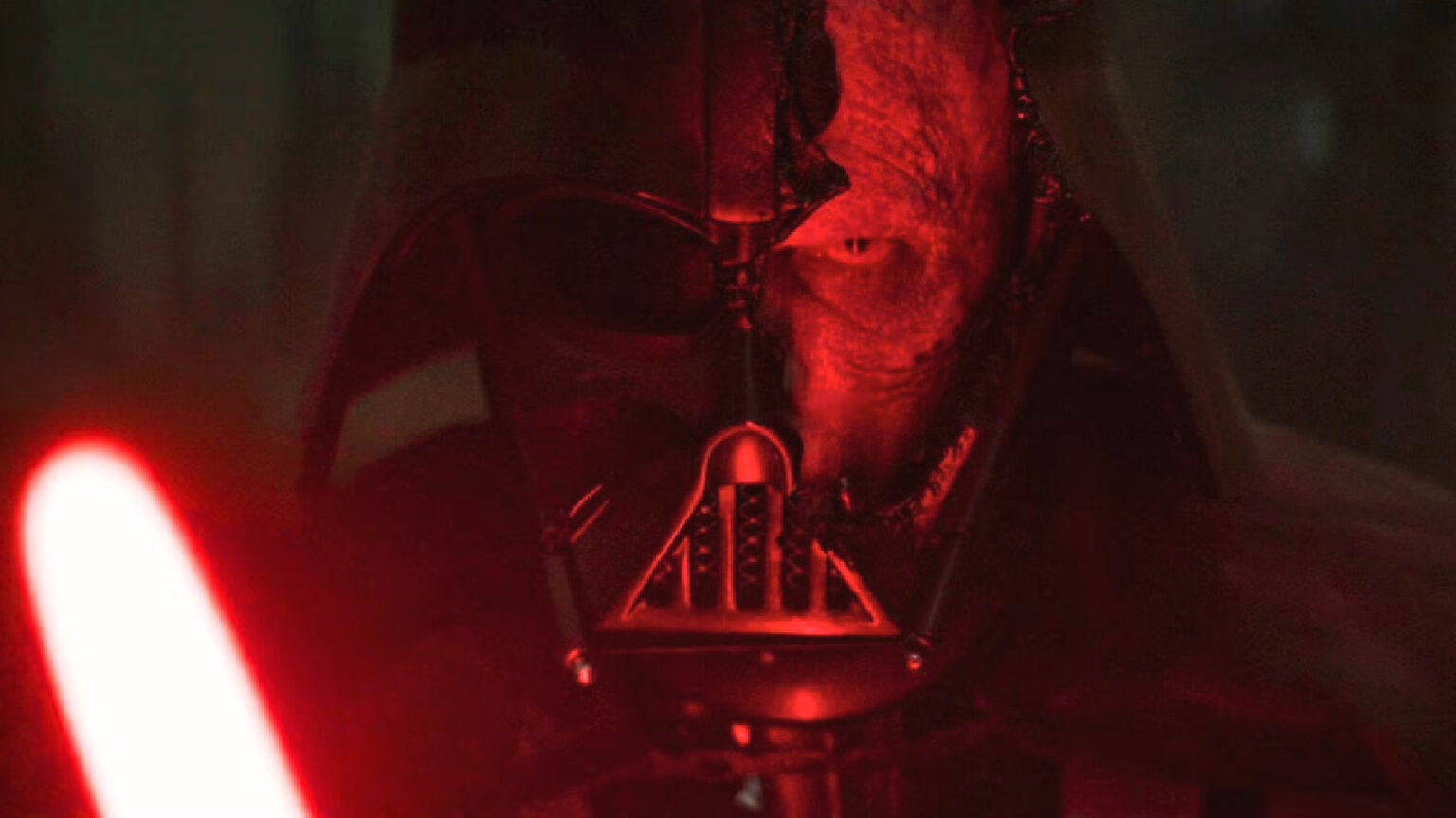
Star Wars has been going on for so long that a lot of the original ideas about the series and its characters have been paved over with new impressions. No Star Wars character has had as dynamic an arc as Anakin Skywalker/Darth Vader, but all that lore and character development has come at a cost. Anakin/Vader having such in-depth focus means that any mystique associated with the character has been thoroughly paved over with backstory, explanation, and fan-service moments. It may have worked to enhance “Anakin” as a compelling character, but it’s also diminished what “Vader” can be.
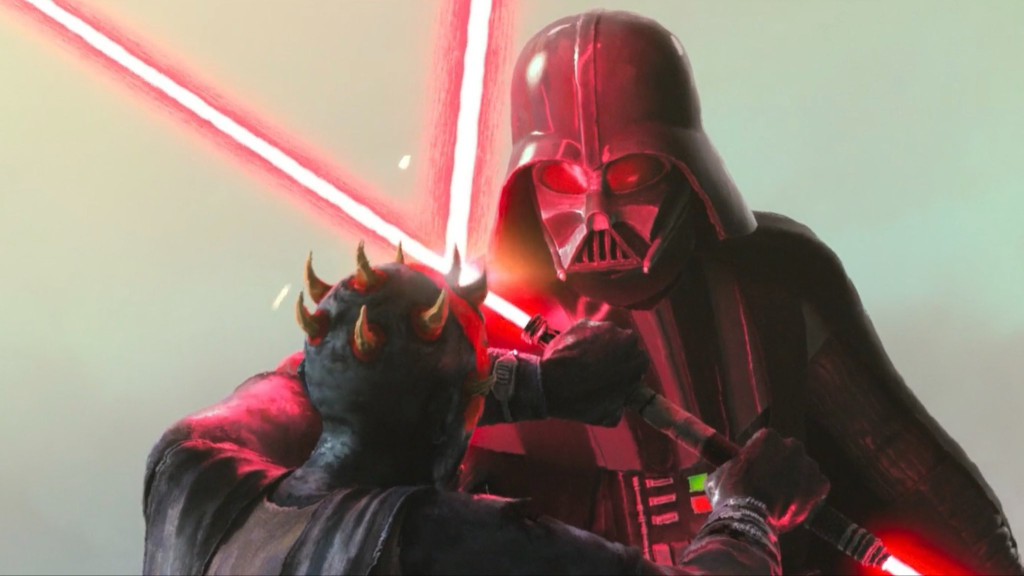
The new Star Wars animated series Maul – Shadow Lord made Star Wars Day 2026 one for the books, with the finale episodes of the show giving fans the long-awaited meeting and duel between Darth Maul and Darth Vader. However, the series thankfully didn’t just rest on the laurels of fan-service to make the Vader vs. Maul duel a worthwhile milestone: it also fixed one of the biggest missteps that Star Wars has been making with Vader, for a while.
The Rise & Fall of Darth Vader
 LUcasfilm
When Star Wars: A New Hope was released in 1977, Darth Vader became an instant cinematic (and eventually pop-cultural) icon, largely due to one reason: he was scary. The villain started his run by Force-choking his own Imperial officers as the price of failure; slaughtering Rebel forces that dared to stand against him; blowing up an entire planet (Alderaan) in a horrific act of genocide, and killing an elder hero (Obi-Wan Kenobi) in a duel. Like a Michael Myers or Jason Vorhees in a slasher-killer horror film, Vader’s mere presence onscreen kept viewers on the edge of their seats, ready for the death and malevolence that would surely follow. Even the villain’s iconic labored breathing became nightmare fuel for impressionable kids, or an often-imitated signal of terror by cosplaying fans.
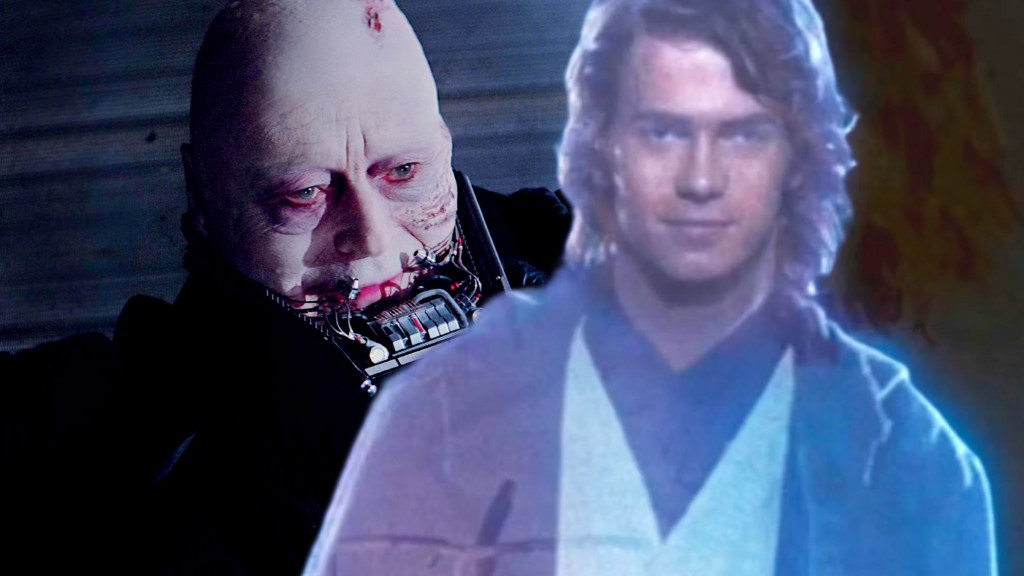
However, when Star Wars: The Empire Strikes Back arrived after A New Hope, the original impression of Vader’s character was quickly paved over with a new, much more complicated and nuanced character story. The climactic reveal that Darth Vader was Anakin Skywalker changed Star Wars (and maybe the entire nature of cinematic storytelling) forever. It also changed our impression of “Darth Vader” forever, for better or worse. Vader went from being a freaky horror-style monster of a villain to being a figure at the center of a Shakespearean tragedy about the rise and fall of a great man. By Return of the Jedi, Vader was a conflicted figure with an entire character arc unfolding behind that mask and helmet, culminating in the big moment of “redemption” when Anakin turns back to the light and defeats his master, Darth Sidious, before dying.
Star Wars Needs More Darth Vader Horror Moments
 Lucasfilm – Disney+
Vader’s arc in the original trilogy opened the door for Anakin Skywalker’s arc in the Star Wars prequel trilogy, as well as spin-offs like the Clone Wars animated series. An entire generation of new Star Wars fans came to love “Anakin” as his own character, moving things even further away from that original version of Darth Vader, the unfeeling killing machine that terrorized the galaxy as Palpatine’s attack dog.
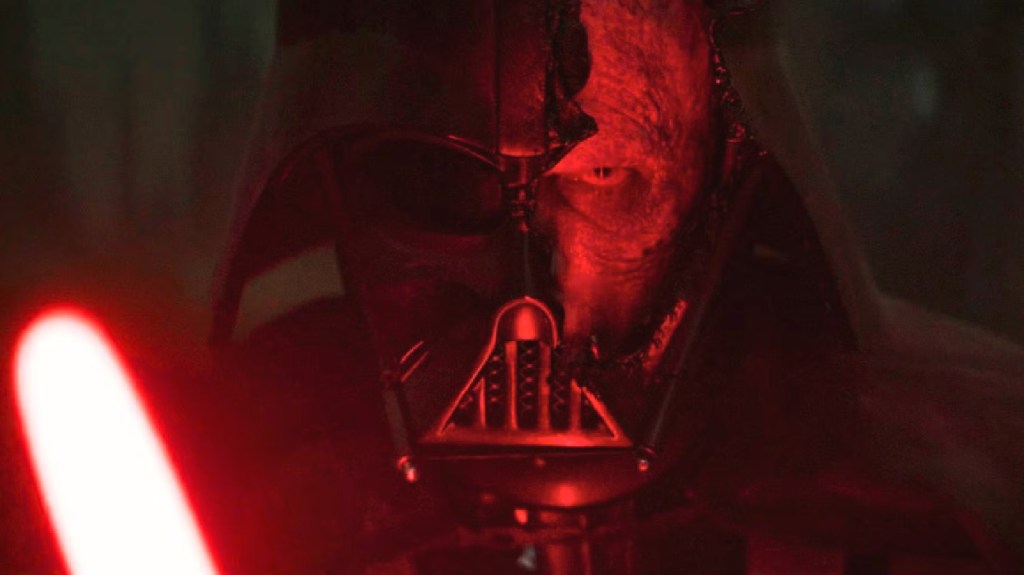
Only Star Wars content set in the time period of the early Imperial Era (Rebels, Maul – Shadow Lord, Obi-Wan Kenobi) seems to depict Darth Vader the way the character was originally intended to be received. Maul – Shadow Lord is the latest example, showing us Vader at a time when he is still freshly adjusting to his new identity, approximately 1.5 years after Revenge of the Sith. He doesn’t talk or show much “humanity” at all; he’s a pure killing “machine” who is trying to avoid the one true thing that can hurt him: reconciling with his lost humanity.
Other Star Wars series set in this same era have similarly depicted Vader in this way – namely, the animated series Rebels, as well as the various Star Wars and Darth Vader comics that have been released by Marvel in the last ten years. The comics, in particular, seem to have found the proper balance for the character, depicting Vader in his stoic, emotionless state early on, while also being able to convey an entire internal story that the character is experiencing. It’s taken us into the nightmare that was Anakin’s mind and soul after turning to the dark side – not just physical torture, but also a hellish burning of his soul whenever he was reminded of his old life and identity. It’s a depiction of the character that more fans want to see adapted for either live-action or animation, to help further the understanding and impression that “Darth Vader” was a monster, however tormented he may have been.
Star Wars Creative Head Explains Darth Vader’s True Character
 Lucasfilm Animation
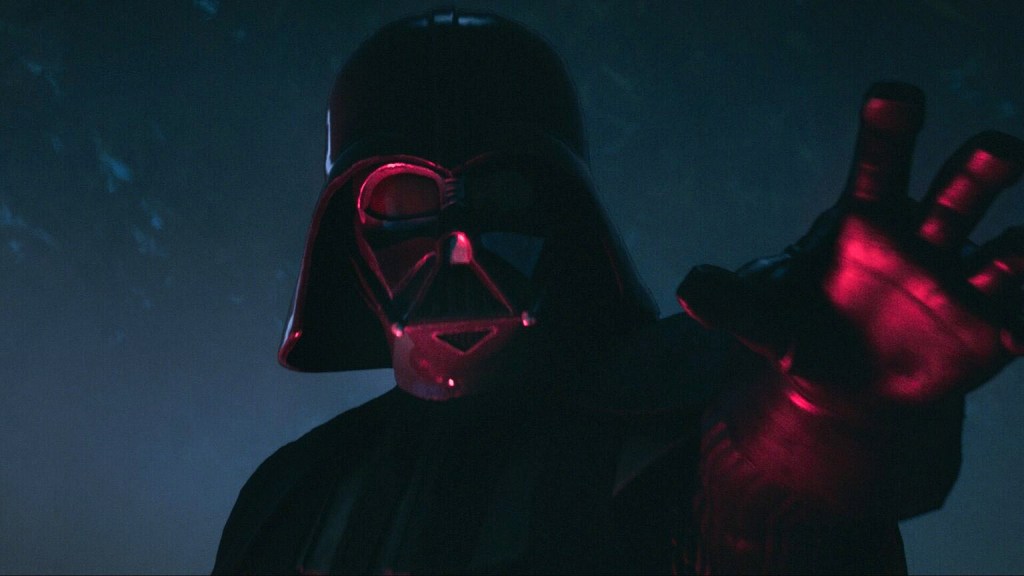
Star Wars Chief Creative Officer Dave Filoni is behind the various Star Wars animated series like Shadow Lord, Rebels, and The Clone Wars. During a recent panel for Maul – Shadow Lord, Filoni (the apprentice of Star Wars creator George Lucas) explained exactly where Anakin/Vader’s head is at, during his duel with Maul (Sam Witwer), Jedi Master Eeko-Dio Daki (Dennis Haysbert), and his Padawan, Devon Izara (Gideon Adlon).
“The key to Vader for me is that he’s not Anakin. He doesn’t recognize that. He can’t. Anything that reminds him of Anakin, he’s going to destroy,” Filoni explained. “So when he sees a Jedi, he’s going to destroy the Jedi, because the Jedi would remind him unconsciously or consciously that he betrayed all of his friends, and everything he knew and the life he grew up with.”
Filoni went on to explain that Vader’s true weakness is the creeping doubt inside of him, which constantly threatens to keep him from seeing the light of truth. Because ultimately, Anakin’s fall to the dark side was “For nothing. He lost everything. He made a bad trade. He was lied to. He was deceived. He can’t accept that truth. So he’s even farther down the path than Maul.”
 Lucasfilm Animation
One of the biggest debates in Star Wars for the past 27 years has been whether Vader was stronger than Maul. Shadow Lord‘s finale settled that debate for good, and Filoni has a detailed breakdown as to why it had to play out the way it did.
“Maul is struggling to let go of hate… but Anakin got consumed by it. If he were to face what he did, it would destroy him more… And that’s Darth Vader. Anakin’s trapped in there somewhere, and Darth Vader won’t let him surface.”
Filoni also seems to be on the same page that “Darth Vader” shouldn’t be a character, so much as he is a dark force of nature, like a shark, or a killer from a slasher-horror film: “The key is not to actually give him a character. He’s devoid of it because he doesn’t care. Darth Vader does not care,” Filoni insisted. “He does not have compassion. He does not see you. He sees the thing he wants to destroy, and he will do that. It’s like the same feeling you got in Rogue One when he comes down the hallway. He doesn’t talk to those guys. He’s going to destroy them. He has one mission, and all of his remorse and all of his anger and all of his hate is in every swing that he does. That’s how it’s resolved.”
Star Wars: Maul – Shadow Lord is now streaming Season 1 on Disney+. Discuss what’s next for Star Wars with us over on the ComicBook Forum!