
‘The Name of the Rose’ (Jean-Jacques Annaud, 1986)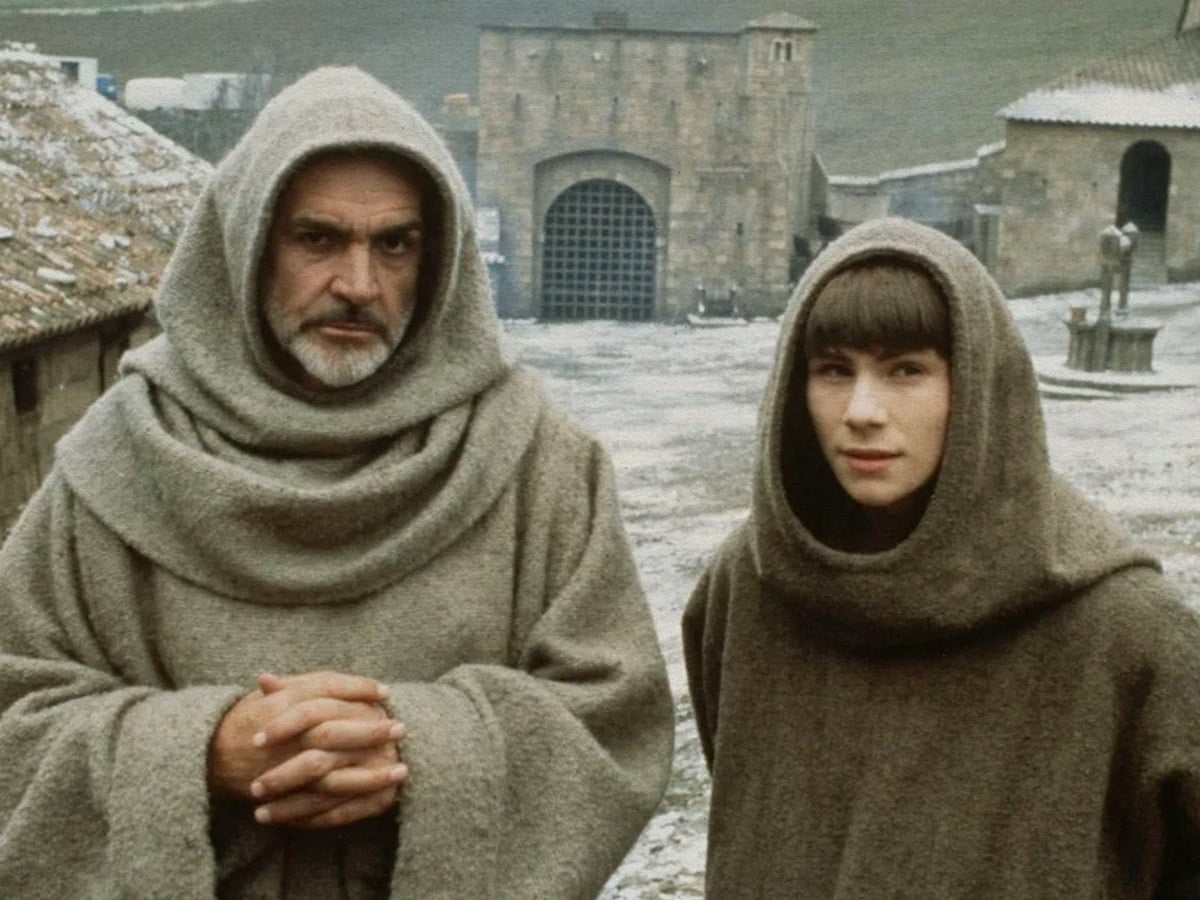
Sean Connery was three years removed from playing James Bond for the last time in Never Say Never Again when he took on the role of a brilliant monk who travels with his apprentice (Christian Slater) to investigate a series of mysterious deaths in the Medieval era.
Although taking a neo-noir approach to the Dark Ages was an exciting way to make this unique era in history feel fresh again, especially when compared to the many medieval fantasy films of the decade, The Name of the Rose was also a commentary on the Satanic panic phenomenon used as a fear-mongering tactic in England’s past. Connery is believable as a wise, yet tough member of the Church who is searching for both truth and justice, but the film is stolen by F Murray Abraham, who delivers a sneering, wicked performance as one of the most underrated villains of the 1980s.
‘River’s Edge’ (Tim Hunter, 1986)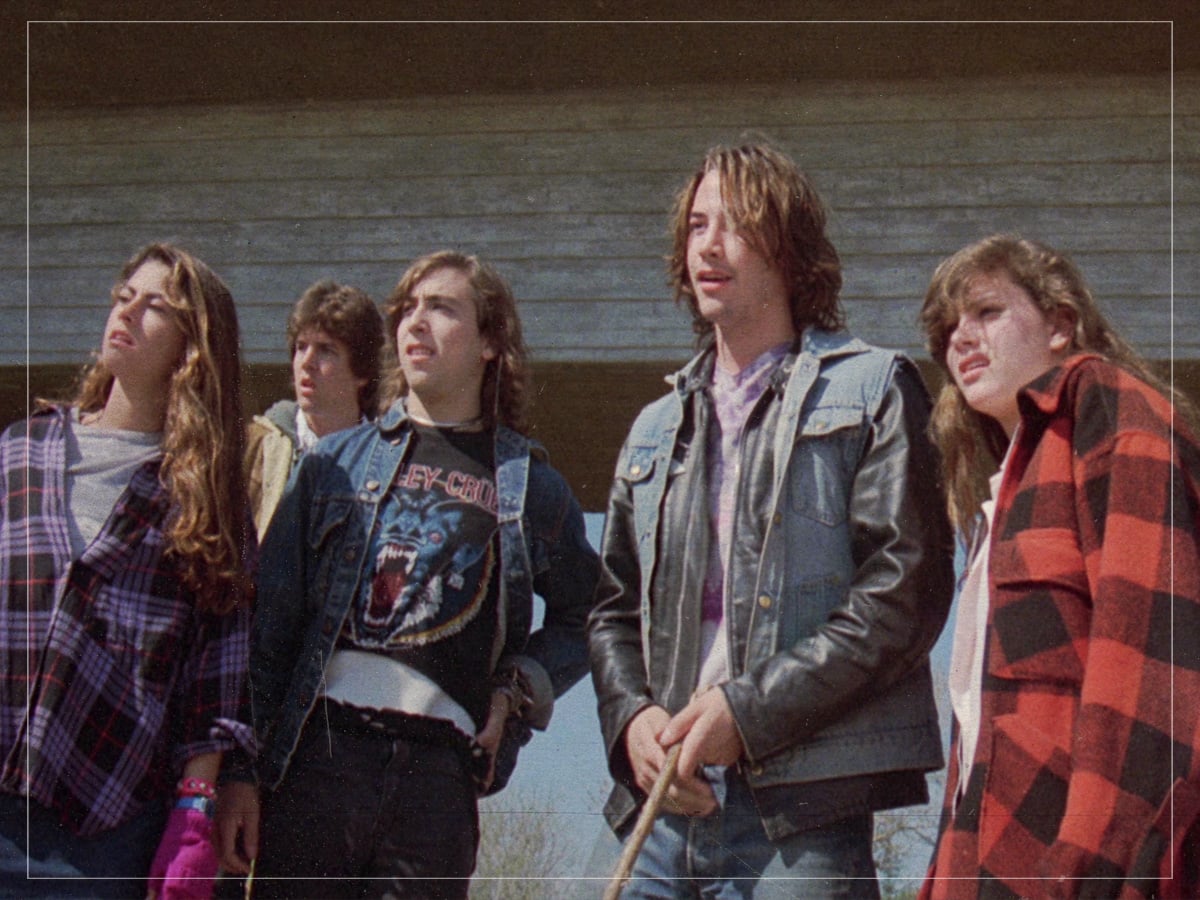
Keanu Reeves and Crispin Glover starred in this dark coming-of-age film that felt like a demented version of a ‘Brat Pack’ vehicle, as it examined how truly challenging it can be for young people to grow up in a world where their future is without hope. The film follows a group of friends after a mutual classmate is killed, and they begin to suspect that they may know how the killer was.
It’s not a traditional mystery because the culprit is revealed from the beginning, but director Tim Hunter creates a different type of tension in showing how this secret weighs on each of the characters as they wrestle with their own guilt. Although Reeves is an actor who can occasionally be mocked, he shows a surprisingly grounded realism in River’s Edge that may shock anyone who only knows him to be an action star.
‘About Last Night…’ (Edward Zwick, 1986)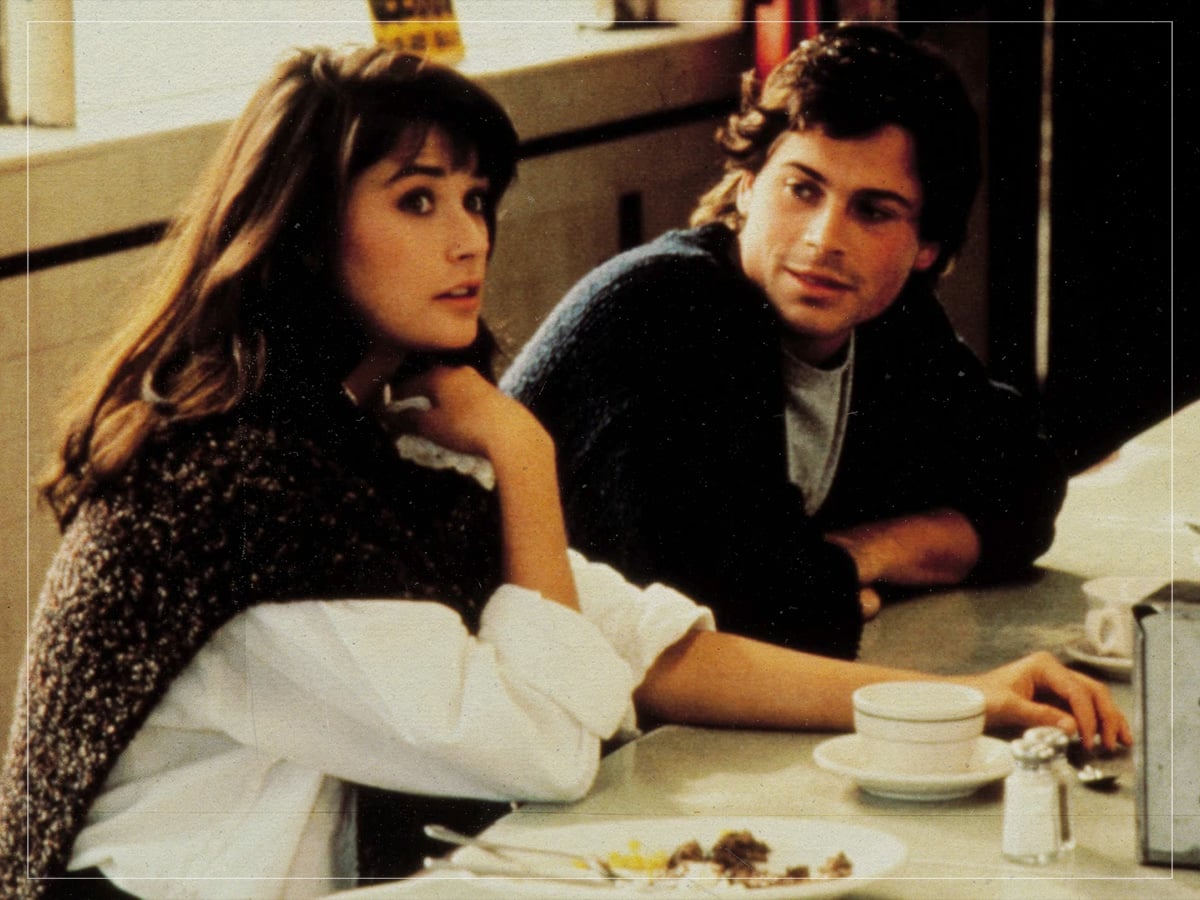
David Mamet is one of the most interesting playwrights and screenwriters of all time, and has often tackled controversial issues related to politics, race relations, philosophy, and crime. About Last Night… was adapted from one of Mamet’s most acclaimed plays by the director Edward Zwick, an underrated filmmaker who would later make Glory, The Last Samurai, Legends of the Fall, and Blood Diamond.
The film takes an intimate look at sexual relations and perversity within New York couples, and made honest commentary about the difference between sex and love that wasn’t addressed in other romantic comedies of the era. In addition to featuring some of the strongest dramatic performances by Rob Lowe and Jim Belushi, who are generally known for their more comedic work, About Last Night… also featured a standout part for Demi Moore when her career was rising in popularity.
‘The Texas Chain Saw Massacre 2’ (Tobe Hooper, 1986)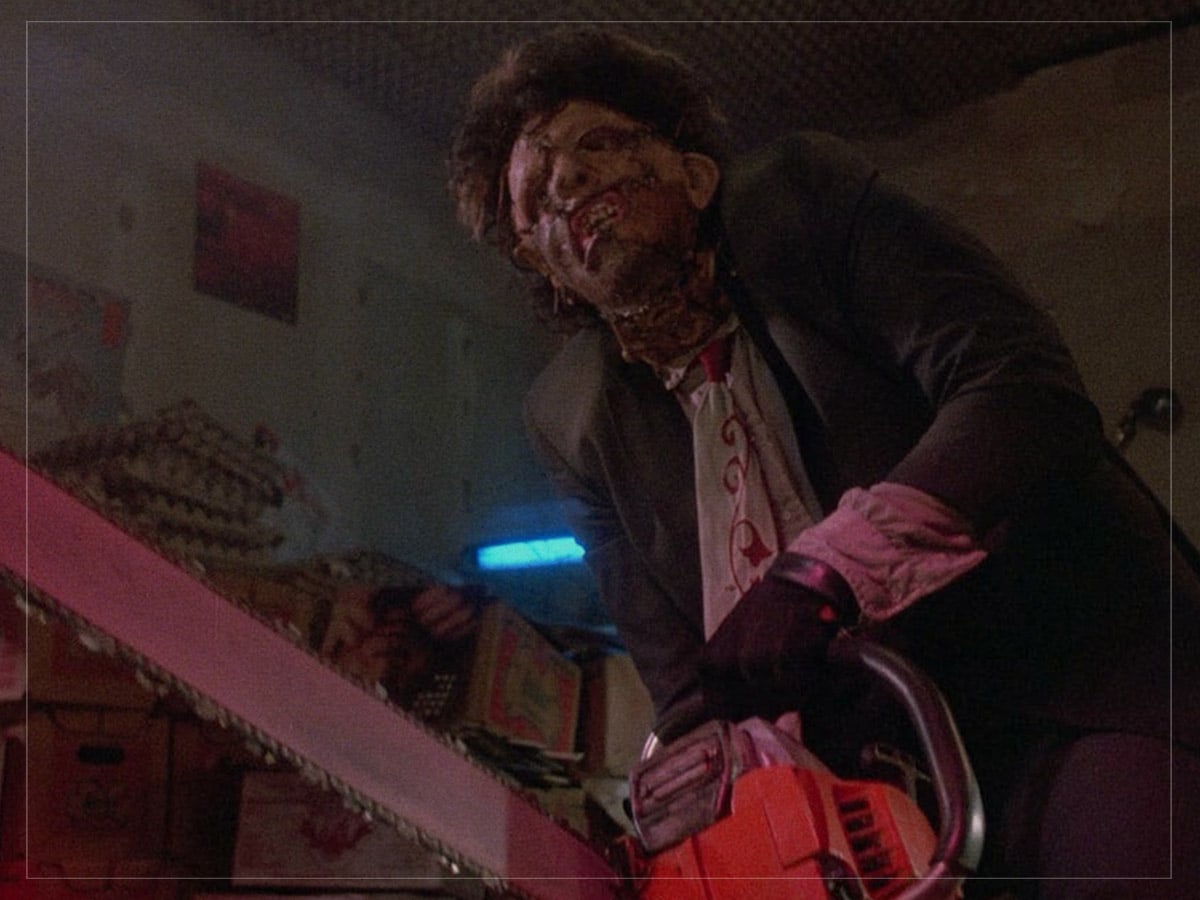
Tobe Hooper created a contemporary horror masterpiece with The Texas Chainsaw Massacre, and it took him 12 years, but he returned to the franchise with The Texas Chain Saw Massacre 2, a subversive sequel that took a direction completely opposite to that of the original.
While the first was so gritty that Hooper was able to get away with falsely claiming that it was based on a true story, the sequel featured over-the-top violence and a shocking degree of dark humour, intending to satirise the sensitisation of violence that had resulted from the overexposure to the slasher genre, marking it as one of the best horror sequels ever.
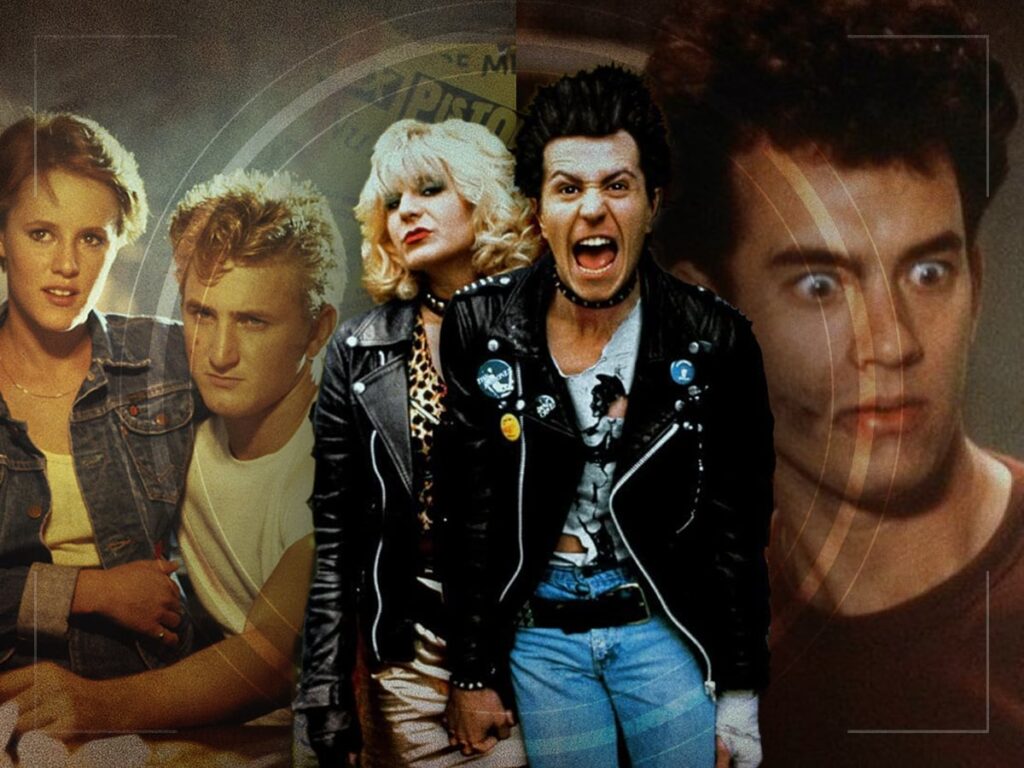
‘Sid & Nancy’ (Alex Cox, 1986)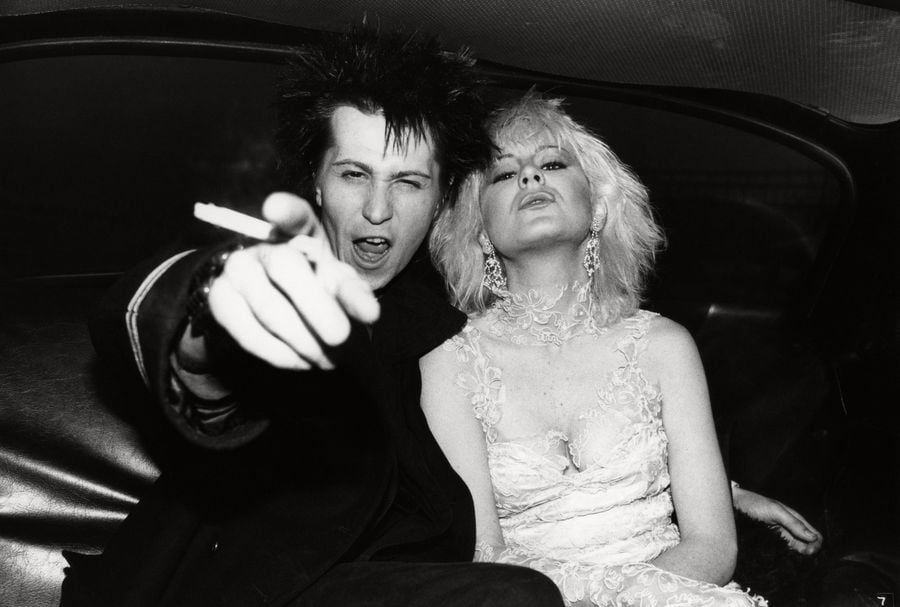
Gary Oldman famously beat out Daniel Day-Lewis for the role of Sid Vicious in the biopic Sid & Nancy, which explored the rise and fall of the Sex Pistols frontman. While there’s a clichéd formula that has emerged for contemporary musician biopics, Sid & Nancy was far more experimental and explosive, as Cox attempted to crack the mind of one of the most singular and influential artists of the British New Wave.
It essentially also broke Oldman into the mainstream, leading him to find more success as a cult actor in the years to come. Although he is now recognised as one of the best actors of all time, Oldman’s performance in Sid & Nancy is still one of his greatest because it was completely fearless, to the point that it’s impossible to imagine anyone else in the same role and being nearly as good.
‘The Money Pit’ (Richard Benjamin, 1986)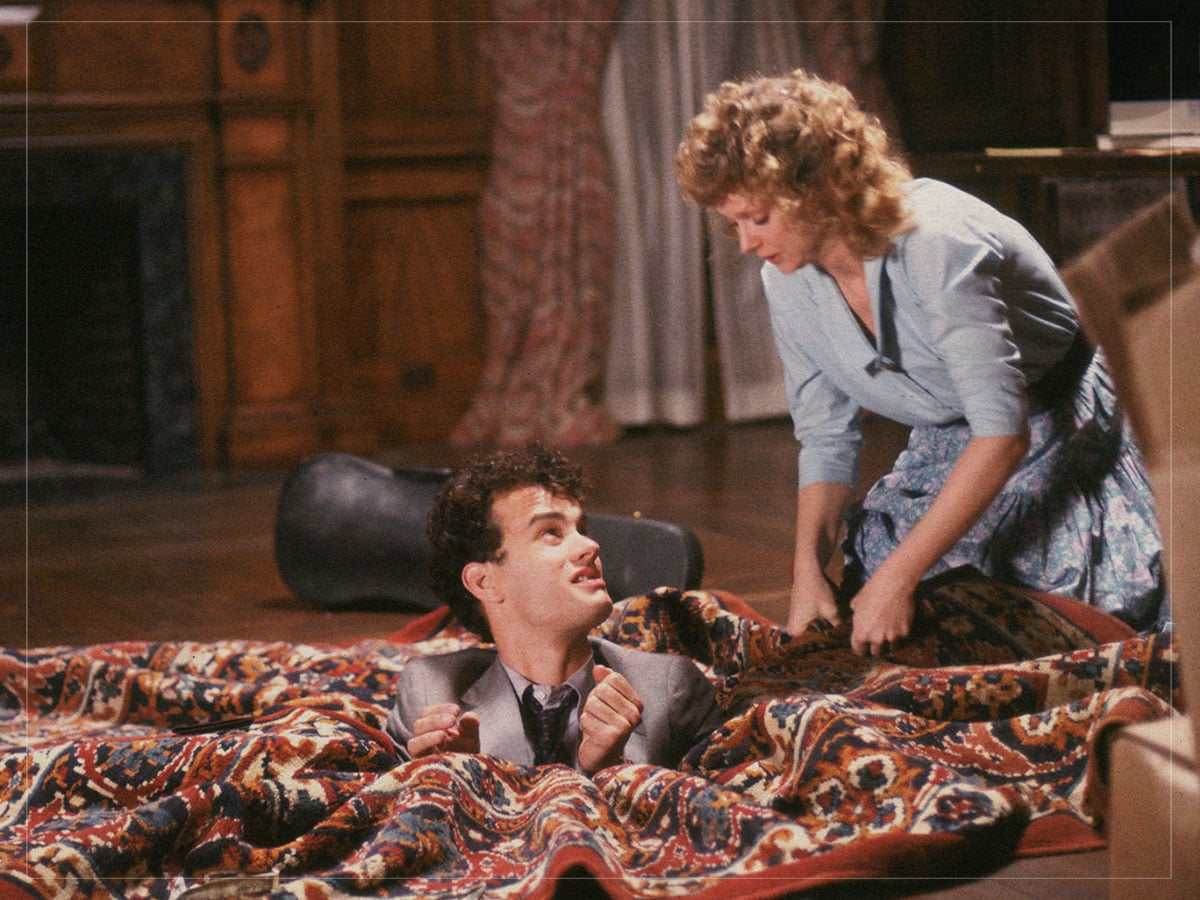
Tom Hanks was rising in popularity as a comic star in the ‘80s, as he had not yet solidified his status as ‘America’s Dad’. He was a genius comic actor because he could often identify sympathetic situations that everyone could relate to, yet could still pepper in the type of physical hijinks and slapstick humour that only he was ever capable of pulling off.
The Money Pit has the very simple premise of a young couple trying to fix up a new home, only to realise that it might actually be cursed, but anyone who has been exhausted by housework could relate to the story, especially since Hanks was able to play exasperation and annoyance like no one else. Richard Benjamin is an underrated director who has a style of nearly surrealist absurdity that perfectly fitted Hanks’ approach as an actor, and the result was a gem of a film.
‘At Close Range’ (James Foley, 1986)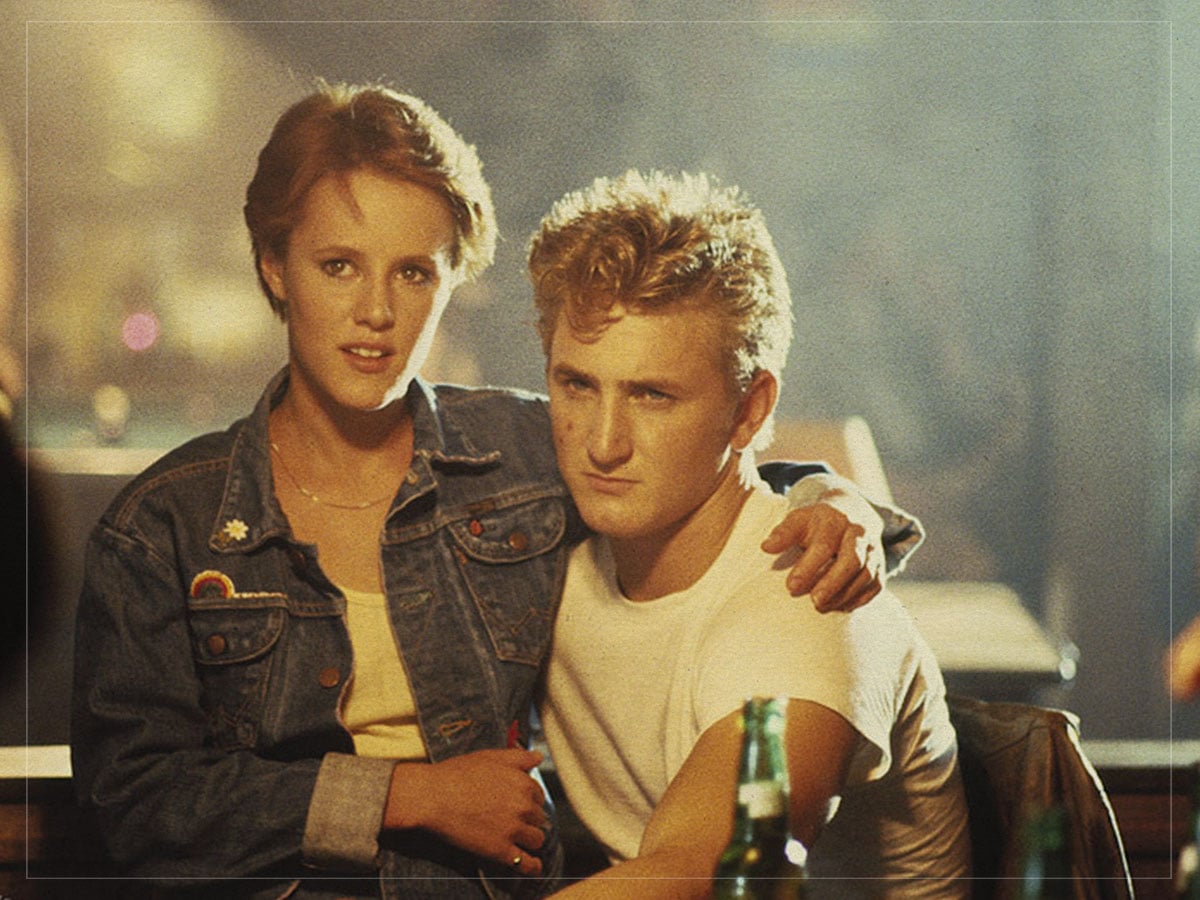
Sean Penn was beginning to prove that he would become an iconic actor back in 1986 with At Close Range, a devastating crime thriller that he starred in opposite Christopher Walken, playing his character’s son, a cruel criminal who drags his family into a dangerous heist that threatens to explode into violence.
Penn has rarely been more heartbreaking than he is here playing a deeply wounded son who is desperate to earn his father’s love, even if he knows that any of that compassion would be insincere. While Walken would become more accepted as a comic actor when he began having more appearances on Saturday Night Live within the next decade, At Close Range showed how terrifying he could be when given a juicy, dramatic part as a monstrous character with no capacity for redemption.
‘Psycho III’ (Anthony Perkins, 1986)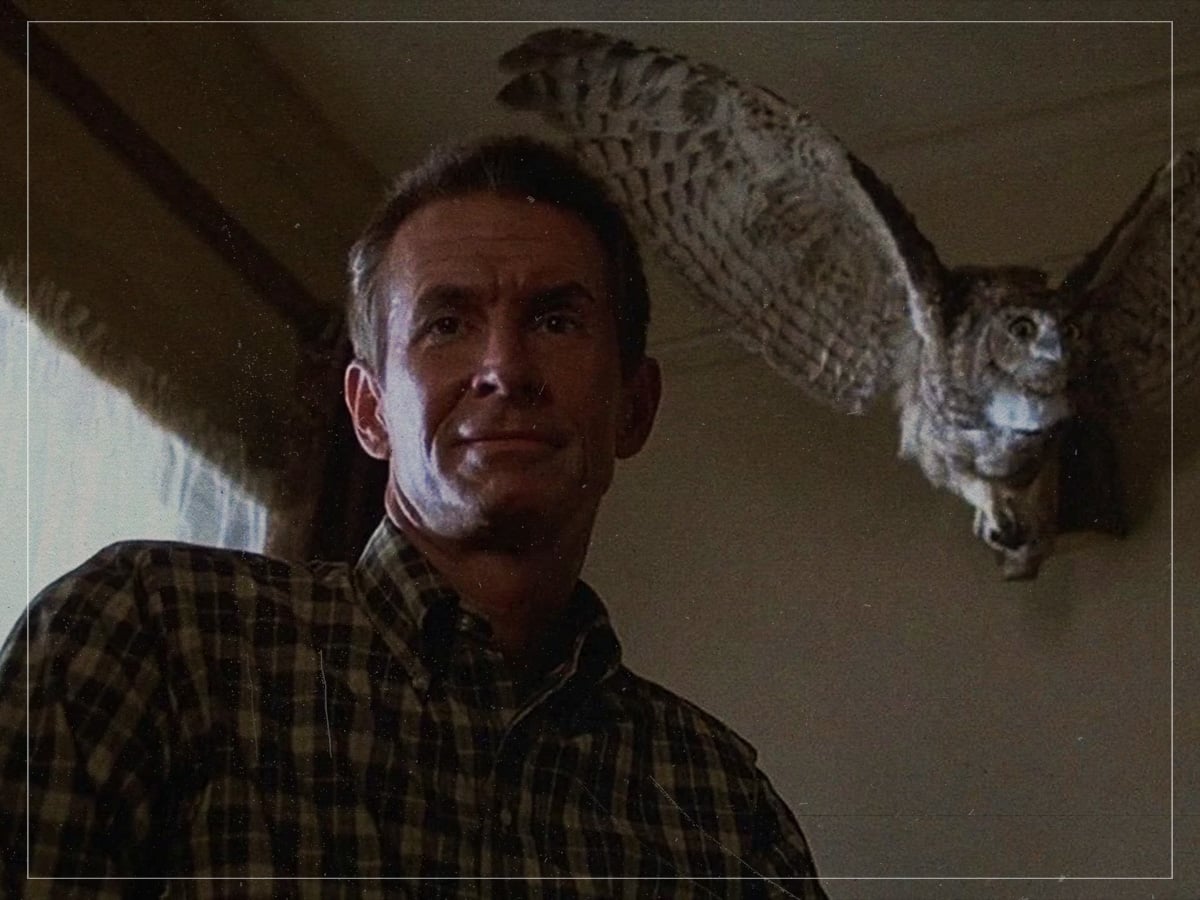
Psycho is obviously one of the most successful and influential horror films in history, but many people forget that it also started a five-film franchise in which every single instalment is at least interesting. Three years after Psycho II was released and took a surprising direction by being more sympathetic to Norman Bates, Anthony Perkins took over the director’s chair for Psycho III, a surprisingly entertaining thriller that pushed the franchise into pulpier directions.
Psycho III was far more focused on jump scares and gags than its predecessor, which was a bit more serious, but it’s fun when a franchise can ensure that every instalment has a very different tone. Perkins obviously understood the character of Norman better than anyone (outside of maybe Alfred Hitchcock), and did such a good job at making him a vulnerable anti-hero that it is disappointing that he didn’t direct more films.
‘8 Million Ways To Die’ (Hal Ashby, 1986)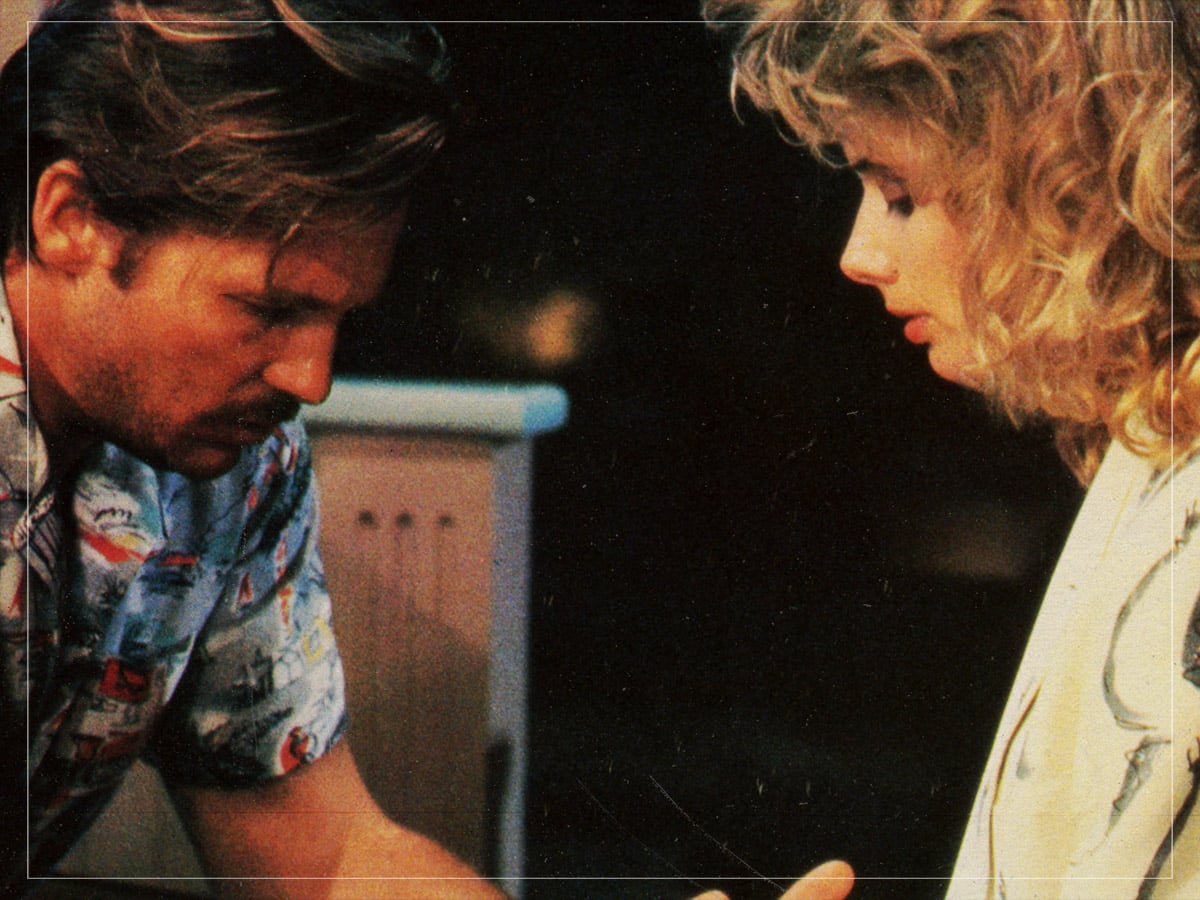
Jeff Bridges has expressed some regrets about 8 Million Ways To Die, because the adaptation of the hit novel series was plagued with issues from the beginning, such as director Hal Ashby facing criticism for not being more faithful to the source material, and being followed by spies from the studio that reported back about his supposed errors on set. Then there were the budget and runtime, which were slashed throughout, and the film ended up being a colossal box office flop.
Despite everything that it had going against it, 8 Million Ways To Die is still a very entertaining crime caper that’s engaging because of just how messy it is. Ashby is a brilliant filmmaker, and it’s fascinating that the film ended up being his last; while obviously it wasn’t as perfect as Being There or The Last Detail, it’s not one anyone else could have made either.
‘Something Wild’ (Jonathan Demme, 1986)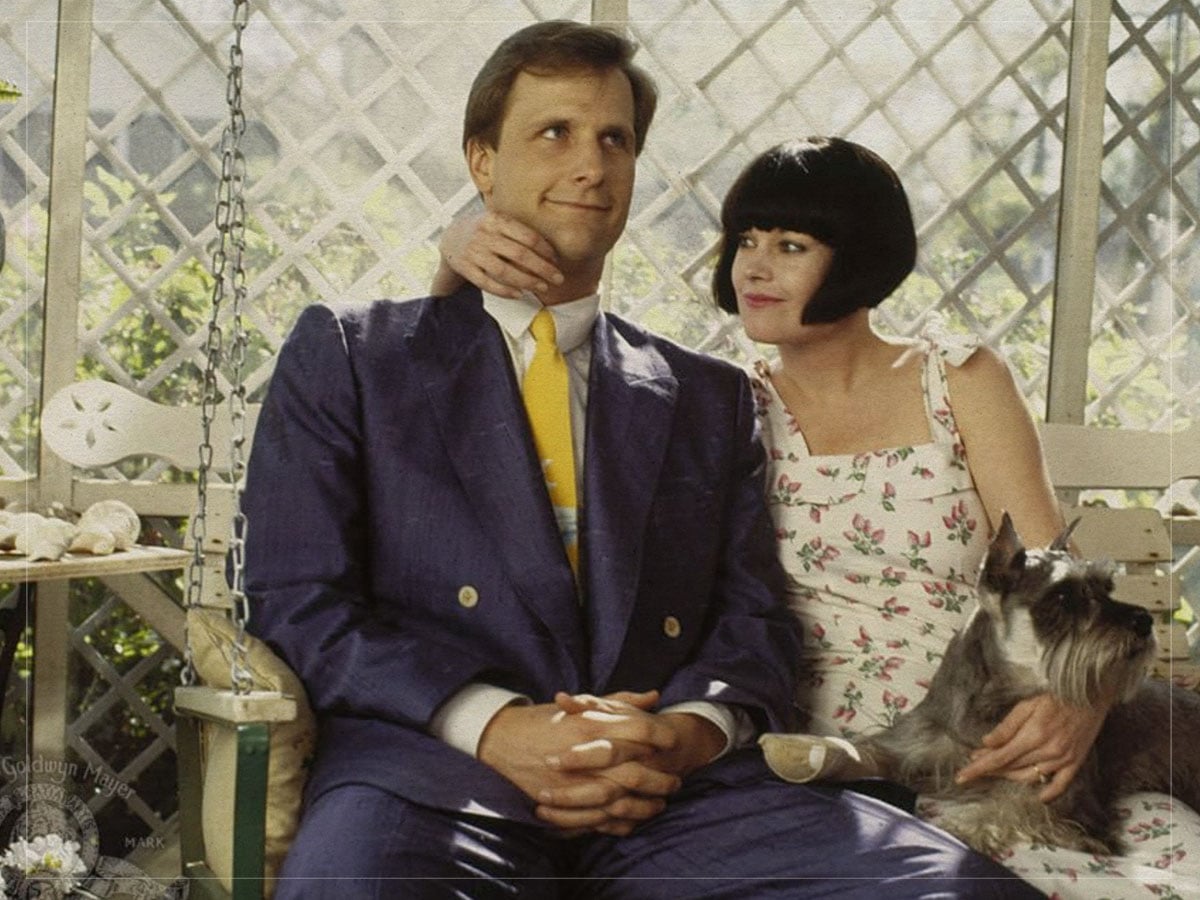
Jonathan Demme is a consistently underrated director who has proven to have a grand legacy in the years following his death; he was a true ‘humanist’ filmmaker who considered the interiority of his characters and ensured that none of them ended up being stereotyped. Thus, Something Wild is a very amusing dark comedy that gets genuinely scary at times, all while being heartfelt and saying something deep about the economics of America in the ‘80s.
Jeff Daniels plays a Wall Street yuppie who is taken hostage by a woman (played by Melanie Griffith), and they end up posing as a couple as their relationship begins to become genuine, but the breakout performance was from Ray Liotta as the psychopathic ex-boyfriend of Griffith’s character, who brought a legitimate degree of menace that proved that Something Wild was more than another slapstick comedy.