
Credit: Far Out / BMG Independents
Mon 11 May 2026 22:30, UK
With the number of people out there who spend almost every day in an office, sitting in a clinical environment, surrounded by rows and rows of desks, probably occupied by colleagues they don’t like very much, it’s quite surprising how popular the office drama or comedy really is.
Of course, there’s The Office, both the UK and the US versions, and then more recently, Severance. Despite TV and cinema typically acting as a form of escapism, why so many office workers readily indulge in media set in the very places they’ve just been, bored to numbness, is likely because the office setting offers relatability, especially when humour is involved, brightening up and perhaps even romanticising the workplace.
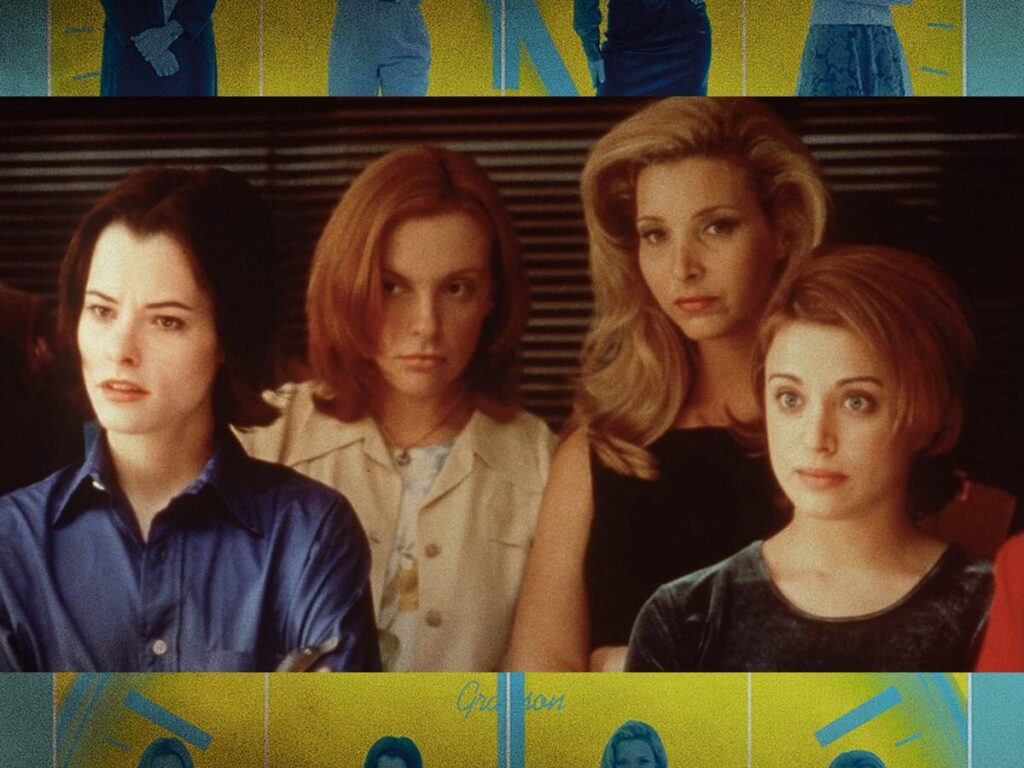
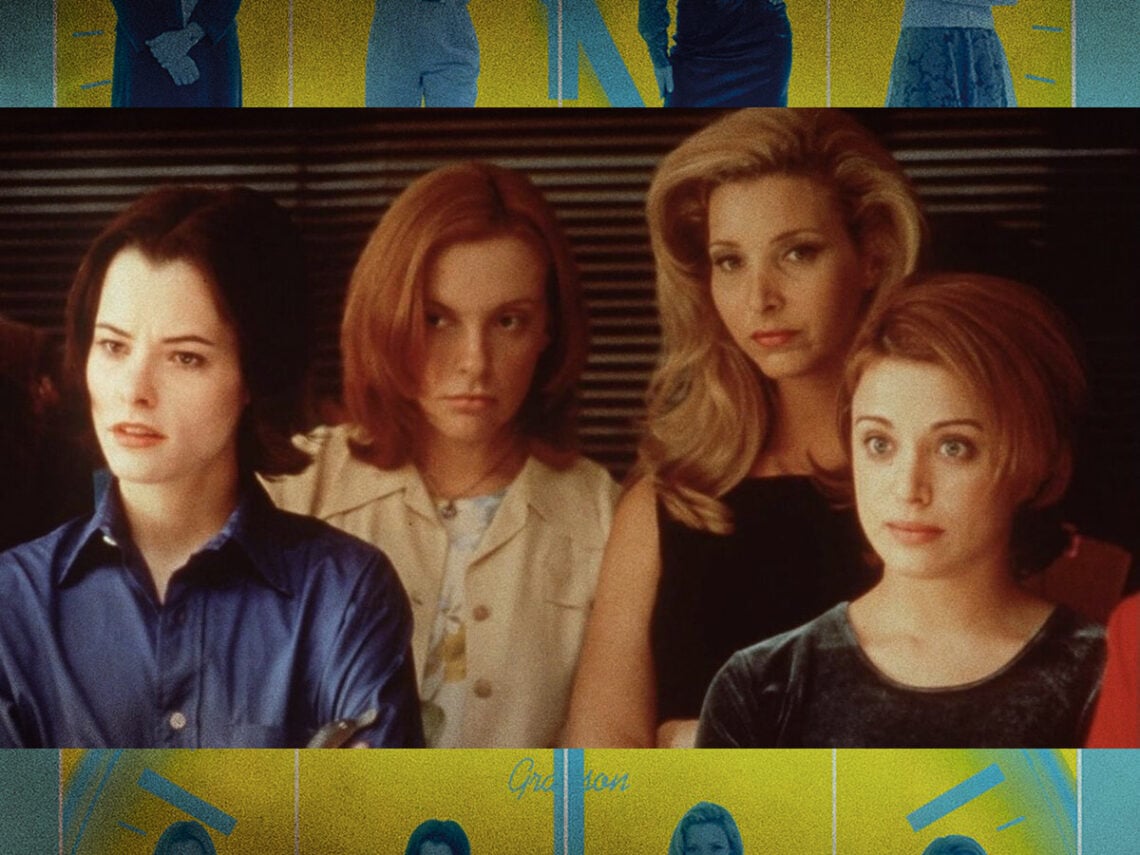
The 1997 indie film Clockwatchers predates these shows, and it remains one of the most poignant pieces of cinema to be set in an office, yet it is criminally underrated. Clearly taking a few cues from 1980’s 9 to 5, Clockwatchers follows a group of office temps who form a tight friendship in the face of an overwhelmingly boring and male-dominated workplace.
It’s having each other that gets them through each day, whether they’re sitting together for their lunch (a set-up not unlike the kind you see in high-school movies), or hitting the bars after the work day is done. As much as Clockwatchers interrogates office politics, it also explores female friendship with nuance, using smart humour to explore the complicated lives of four women who all want different things, but wind up together, continuously heading closer and closer towards breaking point.
Parker Posey is unforgettable as Margaret, the most go-getting member of the team, while Lisa Kudrow as Paula is a deeply insecure boy-obsessive, and there’s a quiet sadness to much of her character, especially when the others catch a man laughing at her desperation. Alanna Ubach and Toni Collette form the other temps, and it’s the latter who becomes our guide as Iris, who starts out as an outsider, like us, the audience, but we worry for her ability to fit in.
Luckily, she soon finds happiness with the girls, and it’s joyous to watch the women find community and companionship in the face of such a patriarchal and capitalist environment, but of course, the workplace isn’t kind to women, and you can actually analyse the film through a Marxist feminist lens: capitalism will always oppress women, and here, that’s exactly what happens.
As office politics come into play, the women’s stable friendship is torn apart. It’s sad, but it’s real, and despite the slight bleakness of the ending, it’s important that we’re not given a sugarcoated finale that ignores the way that repressive social frameworks have long-lasting effects.
Further reading: Cutting Room Floor
The performances in Clockwatchers are all magnificent, with each actor holding their own against one another, even if all of them are slightly irritating in their own way, yet, as I said, it’s bracingly real. It’s also a terrific time capsule of incredible ‘90s fashion, and you could watch Clockwatchers for just the outfits alone, but, of course, it’s much more than that.
Clockwatchers was the feature debut of director Jill Sprecher, who would go on to write and produce for the HBO show Big Love, but her filmmaking credits are sadly limited. The film is genuinely excellent, and it’s just another example of a female-directed, female-written (she co-wrote it with her sister Karen Sprecher) and female-centric indie movie not getting the flowers it deserves, and it’s about time that changed.
ADD AS A PREFERRED SOURCE ON GOOGLE 