
The Cannes Film Festival in the south of France is a springboard for new work and a showcase for fresh talent, but it keeps one foot in the past and tends to the graves of its dead. Golden-age stars peer from the posters around town, while the schedule is peppered with restorations and retrospectives. Bygone filmmakers slap their names on the festival’s main theatres (the Lumiere, the Bunuel, the Agnes Varda by the beach), where the evening screenings are referred to as seances. Cannes is noisy and lively. It is also chock-full of ghosts.
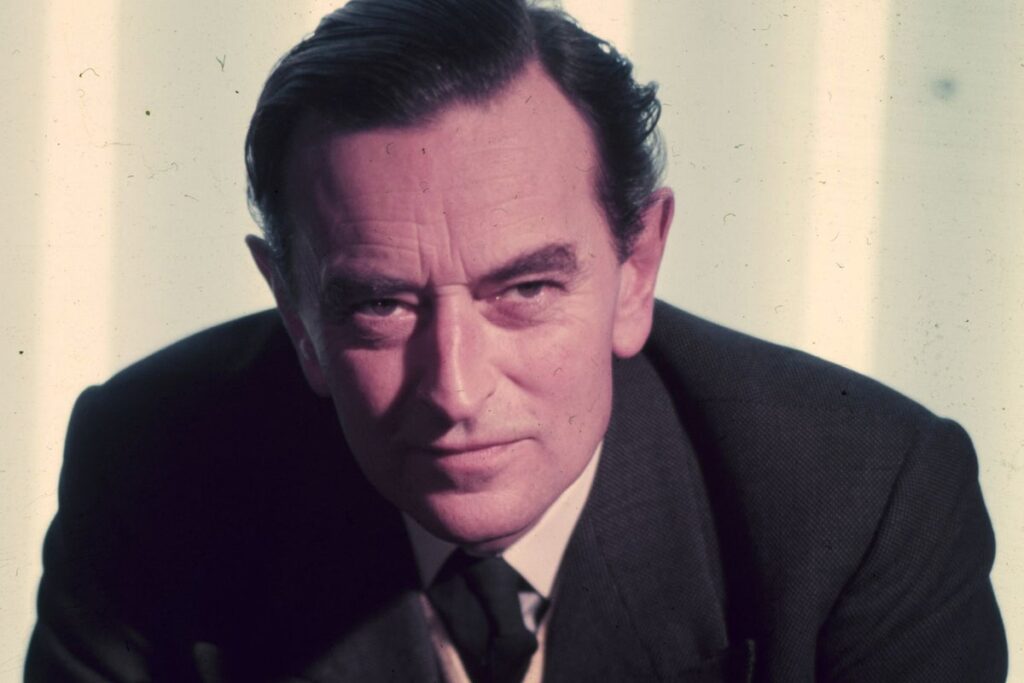
Sunday’s big seance, inside the Bunuel, saw the premiere of Maverick: The Epic Adventures of David Lean, an impassioned new documentary about English cinema’s old lion, who took his final breath in 1991. It’s hard to think of a more reliably dead great director than the creator of Brief Encounter (1945) and Doctor Zhivago (1965). Every movie he made now carries the metaphorical waft of mothballs. He’s been garlanded and embalmed, revered and entombed, and yet producer-director Barnaby Thompson comes at his subject with a spring in his step and finds intriguing fresh routes through familiar terrain. Maverick turns Lean into a live issue again: a blast from the past with a message for the present.
Does this make the filmmaker sound like a wise old prophet? On the contrary, it seems that the man was a mess. Thompson’s documentary covers a life of fumbled marriages (six) and frantic hook-ups (as many as a thousand, according to one friend). It reveals a director who was constantly chasing perfection and constantly feeling let down; a man forever harried by the terror of failure – professional, romantic, sexual, you name it.
His actors, by and large, hated working with him. “He’s monomaniacal and nothing else,” said Robert Mitchum. “He’s a hard man, a selfish man,” remarked Omar Sharif. Shooting Ryan’s Daughter (1970) on a storm-wracked Irish beach, Lean told the veteran actor Leo McKern to raise his right arm when the sea got too fierce – only to merrily ignore him when he did. McKern was dashed on the rocks, nearly drowned in the surf and had his glass eye knocked out. Kubrick could be brutal; Lean took it to the next level. He was, says fellow filmmaker Paul Greengrass, “one of the arsiest directors of all time”.
So what if colleagues bridled and his lovers bolted? Lean was also cinema’s consummate craftsman, shrewd and exacting with a phenomenal strike-rate, at least in the moment. He vaulted from high-toned Charles Dickens adaptations – Great Expectations (1946); Oliver Twist (1948) – to the international spectaculars of The Bridge on the River Kwai (1957) and Lawrence of Arabia (1962). He won two Oscars, six Baftas and the top prize at Cannes, but his reputation has faded in the decades since his death. In 1999, a BFI Sight and Sound poll of the best British films featured no fewer than three Lean pictures in the top five (Brief Encounter, Lawrence of Arabia and Great Expectations). In 2022, though, the same magazine’s poll of the world’s 100 greatest movies didn’t find room for a single one. Lean’s greatness, it seemed, had always gone without saying to the point where it wasn’t being mentioned at all.
I’ll admit that I’d largely written him off. Lean was someone to admire but not necessarily to love, an establishment old master you could either respect or reject. He was less subversive and seductive than his near-contemporary Alfred Hitchcock; less wild and wanton than his onetime mentor Michael Powell. So I’m grateful to Maverick for forcibly setting me straight. Aided by an A-list of talking heads that includes Wes Anderson, Greta Gerwig and Steven Spielberg, this makes the case for Lean as an innovator, a trailblazer and a logistical genius. The Bridge on the River Kwai, his Sri Lankan-based war epic, is described by Spielberg as “the perfect picture”, while Lawrence of Arabia set the standard for large-scale location filming. “Lawrence of Arabia is to cinema what the pyramids are to architecture,” says the director Denis Villeneuve, who would use the film as a touchstone for Dune (2021).
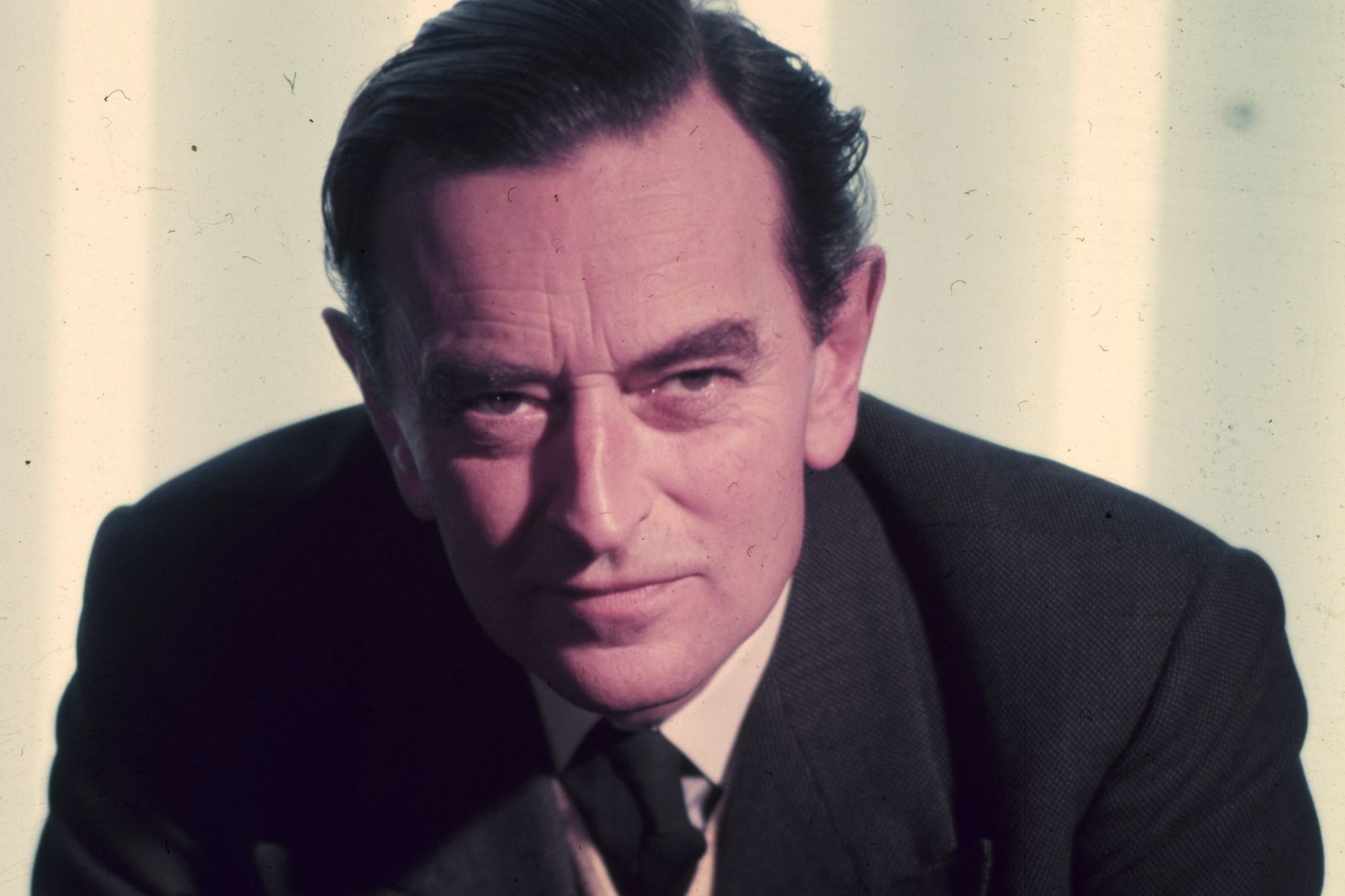 ‘He’s monomaniacal and nothing else’: David Lean in 1953 (Getty Images)
No doubt he’s the father of the modern blockbuster, in that he loved the big canvas, the cast of thousands and the emotional wallop of a popular story. Francis Ford Coppola recalls how he, Spielberg and George Lucas watched Lawrence of Arabia together at the Pacific Dome theatre in LA. They took the mantle and ran with it, right at the point when Lean was being put out to pasture; dismissed as a “super-technician” by the New Yorker’s Pauline Kael and “more an accountant than a poet” by fellow critic David Thomson. Except that those judgements now feel harsh and wrong, because they ignore his grace notes and miraculous little details.
Everyone remembers the extraordinary hard cut from the burning match to the dunes in the majestic Lawrence of Arabia (Lean stole the technique from the French New Wave). But I’d forgotten the immense weight of the hand on the shoulder at the end of Brief Encounter and the brilliant distraction during Oliver Twist’s murder scene as Bill Sikes’ dog, Bullseye, scratches at the door to escape. Lean’s sense of restraint tends to be held against him, but it was a precision-tooled instrument, like a rapier or a scalpel, and there’s not a director who’s used it to better effect.
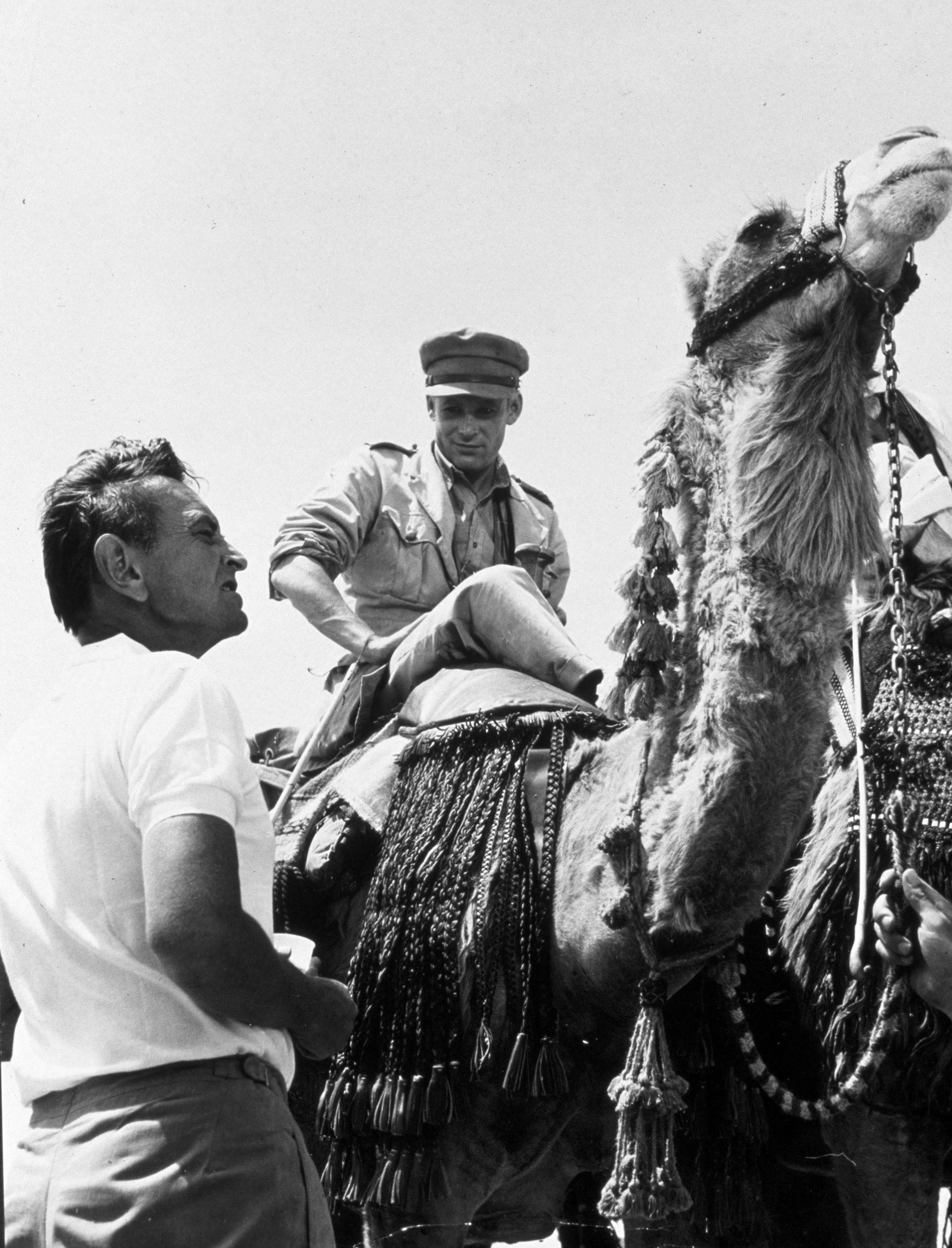 Lean directs Peter O’Toole on the set of ‘Lawrence of Arabia’ in 1962 (Shutterstock)
Maybe Lean is still big, and it’s only the pictures that got small. It’s no surprise that Maverick has been given pride of place at Cannes, a defiantly analogue festival that has no time for streamers and iPhones and demands a theatrical release for every new film it unveils. Lean, Coppola tells us, represents “what cinema was supposed to be”. Lean, says The Brutalist director Brady Corbet, “is a reminder of what we used to go to the movies for”. He was the king of the widescreen, the master of maximalism who steered a thousand camels through the desert and constructed an entire Irish village from scratch. He proved it was possible to tell complex human stories on a gargantuan scale; to fully immerse a mainstream audience; to combine Oscar success with blockbuster receipts.
Tastes change and the industry shifts, although recent evidence suggests that it may be starting to swing back, thanks to an uptick in Gen-Z cinemagoers. Lean was an outsider, then an insider. He was an establishment overlord and then a musty old antique. His work was conservative. It now looks weirdly radical. His filmmaking looked fussy; it now feels wild and free. Here in Cannes, if nowhere else, the man is back in his natural habitat. He’s commanding the screen inside a 400-seat cinema: the once and future king, a movie maverick once again.
‘Maverick: The Epic Adventures of David Lean’ is screening at the Cannes Film Festival