
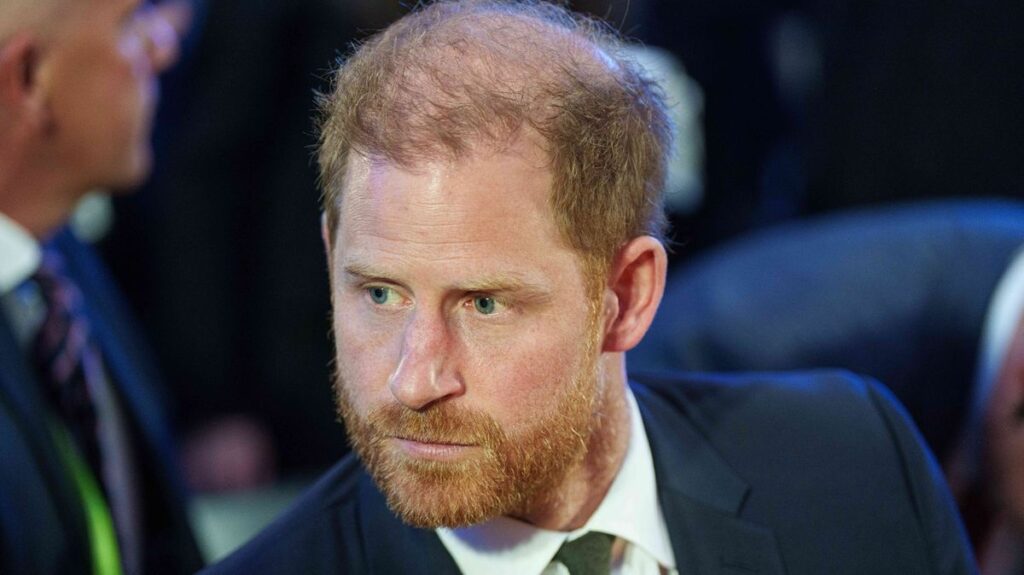
The fracture at the heart of the British monarchy continues to deepen, with reports confirming that Prince Harry and Meghan Markle have been excluded from the guest list of an upcoming high-profile royal wedding. The deliberate omission lays bare the enduring estrangement between the Duke of Sussex and the senior ranks of the Royal Family.
Peter Phillips, the son of Princess Anne and the King’s nephew, is set to marry NHS pediatric specialist nurse Harriet Sperling on Saturday, June 6. The couple, who announced their engagement last year after a highly publicized courtship, have opted for a strictly private ceremony at All Saints Church in the picturesque Cotswolds town of Cirencester.
Guarding the Bride’s Spotlight
While the intimate nature of the Cotswolds wedding provides a convenient diplomatic shield, royal insiders confirm the decision to omit the Sussexes was calculated. The presence of Prince Harry, currently estranged from both King Charles and Prince William, would undoubtedly hijack the global media narrative, transforming a joyful matrimonial celebration into a tense theater of familial body language analysis.
Former BBC royal correspondent Jennie Bond noted that managing such volatile family dynamics is a nightmare for event organizers. Inviting the Duke and Duchess of Sussex would carry the ultimate wedding taboo: stripping the spotlight entirely from the bride on her most important day.
The Nuptials: Peter Phillips will wed Harriet Sperling on June 6 at All Saints Church, Kemble, in Cirencester.
The Exclusions: Prince Harry and Meghan Markle have been left off the guest list, alongside the disgraced Prince Andrew and Sarah Ferguson.
The VIPs: Senior working royals, including King Charles, Queen Camilla, and the Prince and Princess of Wales, are expected to attend.
The Strategy: The private, scaled-down nature of the event is designed to mitigate media intrusion and ease internal family strain.
The Global Spectacle of Royal Diplomacy
The meticulous curation of royal guest lists serves as a masterclass in soft-power diplomacy. The dynamics of inclusion and exclusion within the House of Windsor are closely monitored across the Commonwealth, from Canada to Kenya, as indicators of institutional stability. When a family is intrinsically linked to the governance and historical identity of multiple nations, domestic disputes cease to be private matters.
In East Africa, where protocol and tribal diplomacy often dictate political events, the visible shunning of a monarch’s son resonates deeply. It underscores a rigid adherence to institutional preservation over personal reconciliation. The royal family’s decision to prioritize a harmonious event for Harriet Sperling over an olive branch to Prince Harry demonstrates that the Firm operates primarily as a protective syndicate rather than a conventional family unit.
A Welcome Distraction from Turmoil
The wedding of Peter and Harriet arrives at a moment when the monarchy is desperate for positive press. Following a year marred by severe health crises affecting top-tier royals and ongoing legal battles orchestrated by the Sussexes from their base in California, a summer wedding offers a highly necessary morale boost.
Harriet Sperling, a dedicated NHS nurse, has reportedly integrated seamlessly into the royal fold, striking up a particularly warm dynamic with Peter’s sister, Zara Tindall, and her husband, Mike. Her professional background grounds the royal pageantry in relatable, frontline public service, making the union highly popular behind palace gates.
For Prince Harry, the snub is unlikely to arrive as a shock. Having relinquished his working royal status in 2020 and subsequently leveled devastating public criticisms against his brother and father, his isolation from the inner circle is complete. As the bells ring out across Cirencester this June, they will signal not just the union of Peter and Harriet, but the chilling finality of the Sussexes’ exile from the heart of the British establishment.