
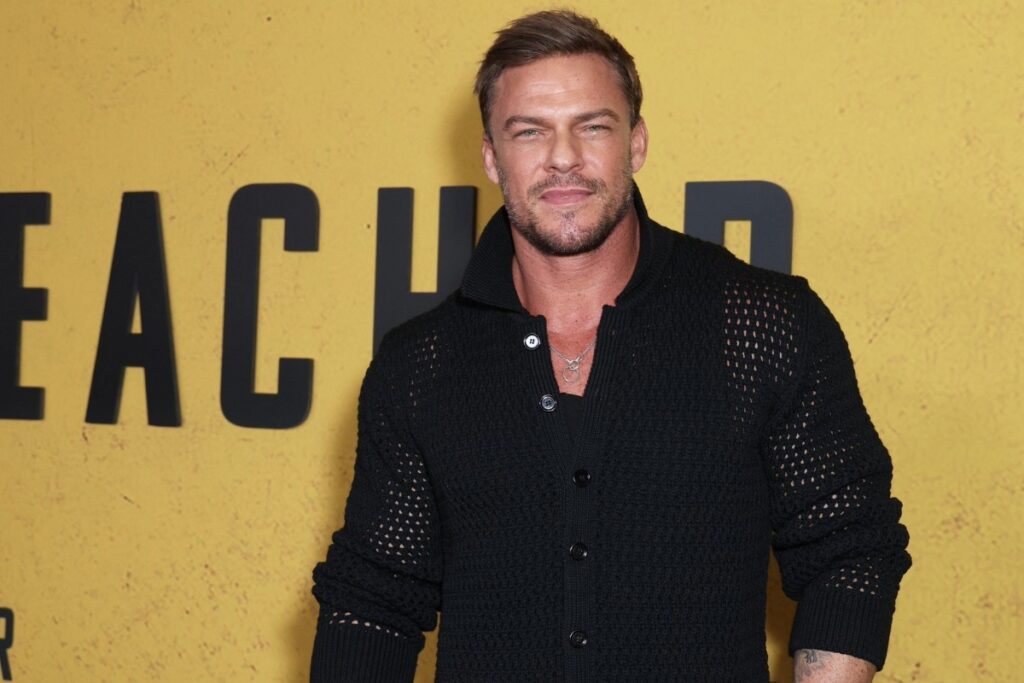
Alan Ritchson says his 2014 stint as Raphael in a fantasy blockbuster was a miserable motion-capture grind, telling Collider he was excluded from press and even the premiere. He recalls little pay or credit and being contractually forced to return for the sequel, even as the film made roughly $485 million worldwide.
Before he was breaking streaming records, Alan Ritchson was hidden under dots and sensors, playing Raphael in a 2014 hit that left him feeling sidelined. The studio promised visibility on par with Andy Serkis, then kept the mo-cap actors off posters, off carpets, and, too often, off equal footing on set. He later told Collider about long days, thin pay, and a sequel he was bound to by contract, even as the box office soared. His story opens a window onto how Hollywood treats the bodies behind the pixels.
From Reacher fame to Hollywood struggles
Alan Ritchson is riding high on success thanks to his breakout on Reacher, the Amazon thriller that turned him into a household name in the U.S. Yet success often has a backstory. In a candid reflection, the actor looked back at a bruising chapter from a decade ago: his time playing Raphael, via performance capture, in Teenage Mutant Ninja Turtles (2014) for Paramount Pictures.
The promises and the harsh reality of motion capture
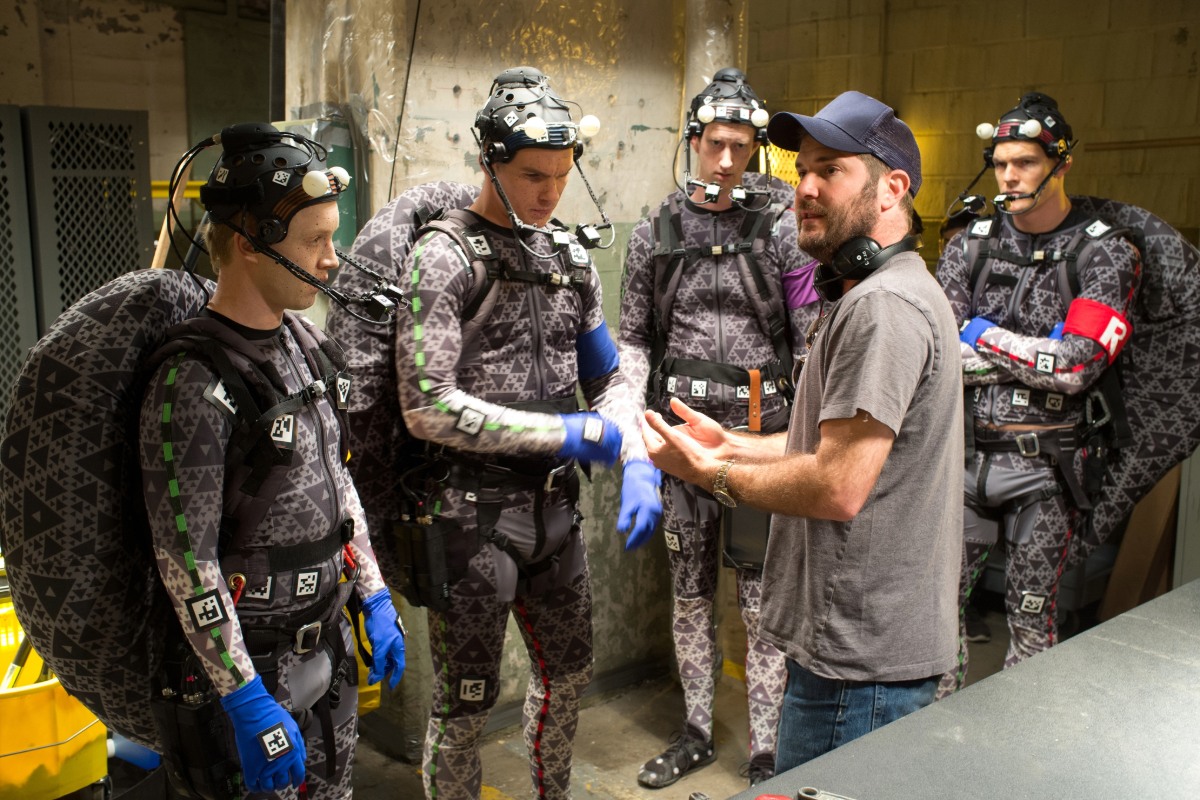
Ritchson says he hesitated before stepping into the shell. He was told his work would be visible and celebrated, with comparisons to Andy Serkis’s marquee motion-capture turns. The reality felt different. Long days in a capture suit translated into a digital performance that, in his view, left his presence obscured and his craft largely uncredited (as he recounted in a 2019 interview).
Disrespect on set and broken promises
According to Ritchson, inequities piled up fast. He and his co-stars shouldered grueling hours while watching other departments receive preferential treatment. He recalls being shut out of major press beats, including the splashy premiere, and seeing compensation that did not reflect the workload. The frustration spiked when, after marathon shoots, the Turtle actors were reportedly the last to be driven home, a slight that stung because they were not paid overtime under their contracts.
A commercial success but a bitter chapter
Here is the twist. Teenage Mutant Ninja Turtles became a box office hit, pulling in $485 million worldwide (per The Numbers). The sequel followed, and Ritchson, bound by contract, returned despite little improvement in conditions. Professionally, the film’s success opened doors across the industry, yet personally, it marked a low point he had to outgrow.
What changed for Ritchson
Time and fit matter. With Reacher, Ritchson found a role that puts his face, voice, and physicality front and center, and audiences responded. The contrast is instructive. Big franchises can mint careers, but they can also sideline the people inside the suits. Ritchson’s account, while specific, echoes a broader truth about credit, labor, and how visibility shapes who truly gets seen in Hollywood (and who does not).