
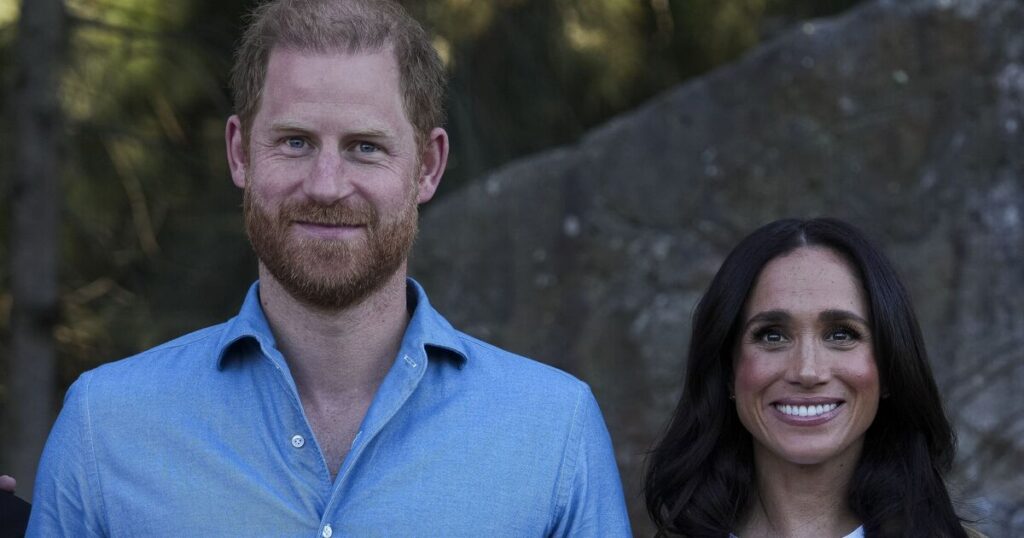
Harry and Meghan became financially independent after leaving royal life (Image: Getty)
Fresh questions are being raised about royal finances as the House of Windsor prepares for a major audit examining property arrangements and financial dealings linked to members of the Royal Family.
The review is expected to scrutinise how Crown Estate properties are leased to royals, including arrangements that have allowed some family members to occupy homes at below-market rates.
The development has reignited debate over the financial support received by members of the monarchy and whether greater transparency is needed.
UK households warned of 67% ‘double tax’ as Rachel Reeves makes change
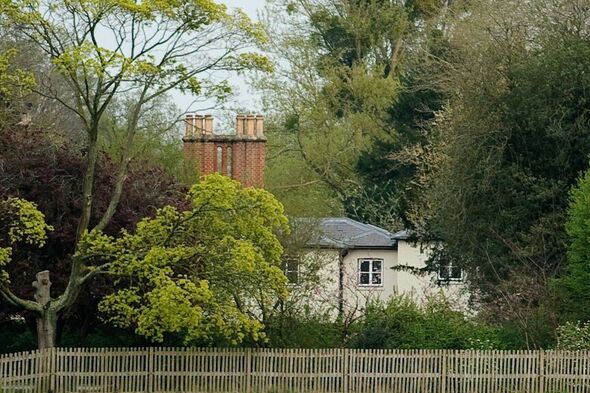
Frogmore Cottage remains at the centre of a long-running financial row (Image: Getty)
According to reporting by the Mirror, sources close to Prince Harry and Meghan Markle have spoken out as scrutiny of royal finances intensifies, arguing that the Duke and Duchess of Sussex have already faced many of the questions now being directed at the wider institution.
The couple stepped back from royal duties in 2020 and became financially independent, losing access to public funding and royal housing arrangements.
A source close to the Sussexes told the Mirror: “In some respects, it is undoubtedly more challenging.”
They added: “They no longer have a Sovereign Grant to support them, nor access to multiple homes maintained at public expense, whether through rent-free arrangements or nominal rents.
“But what they do have is an independent and entirely self-funded life – one that nobody else has to pay for and nobody else needs to worry about funding.”
The source also argued that working members of the Royal Family should face the same level of scrutiny as other publicly funded institutions.
The debate over royal finances first intensified following criticism surrounding the taxpayer-funded refurbishment of Frogmore Cottage, Harry and Meghan’s former UK home.
The couple later repaid the reported £2.4million spent renovating the property and paid market rent. A Palace spokesperson confirmed in 2023 that they had fulfilled their financial obligations relating to the cottage.
Sources close to the couple now claim they had planned to repay the refurbishment costs from the outset.
“Harry and Meghan always believed that repaying the money for Frogmore was the right thing to do,” a source told the Mirror.
“Many people have suggested they had to be pressured into it, but the reality is that they had already factored repayment into their plans when they decided to step away from the institution.”
Attention has since shifted to other royal residences and the terms under which they are occupied.
Particular focus has fallen on the arrangements surrounding Royal Lodge, formerly occupied by Prince Andrew, and Bagshot Park, the home of Prince Edward. Reports that some properties have been leased at heavily discounted rates have fuelled calls for greater accountability.
Royal commentator Duncan Larcombe told the Mirror that public attitudes towards royal finances have changed significantly in recent years.
“It was one of the first major times Harry and Meghan had been criticised,” he said, referring to the Frogmore Cottage controversy.
“That resentment set a precedent for the rest of the royal addresses. It has since been compounded by Prince Andrew and the peppercorn rent disclosures, which have turned into a genuine, ongoing scandal.”
Larcombe suggested that the Prince and Princess of Wales have been more attuned to public expectations regarding financial transparency.
The royal expert pointed to reports that Prince William and Princess Kate are paying full market rent for their family home, arguing that such arrangements help shield them from criticism.
The wider debate, however, extends beyond individual royals and raises broader questions about the relationship between the monarchy, the Crown Estate and public finances.
Larcombe described the issue as a “real hot potato”, noting that discussions about who should ultimately pay for royal residences continue to divide public opinion.
The upcoming audit is expected to place renewed focus on those questions, with campaigners and royal watchers alike awaiting further details about how royal property arrangements operate and whether any reforms may follow.
Buckingham Palace has been contacted for comment.