
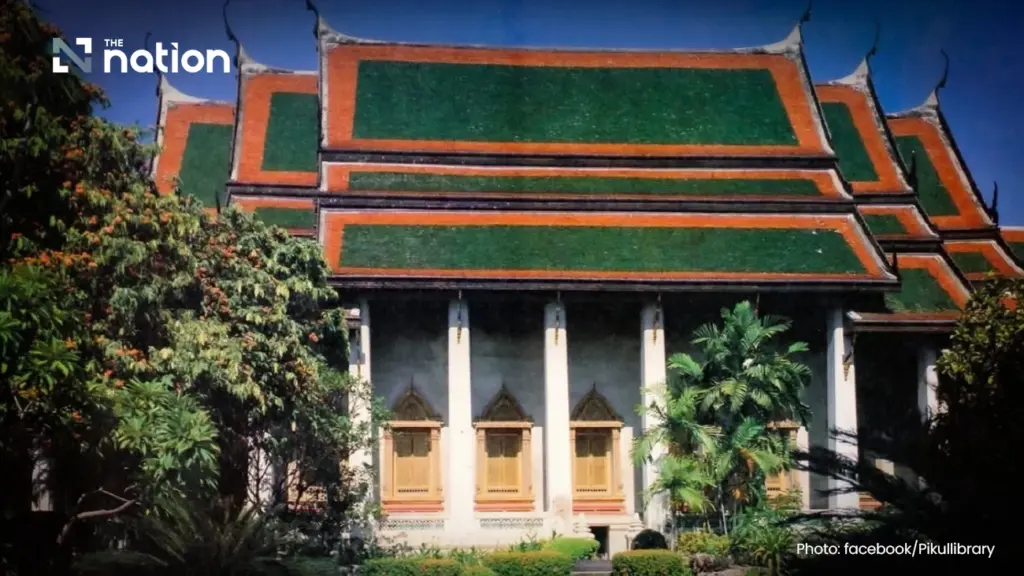
For more than two centuries, Piman Rattaya Throne Hall has played an important role in royal ceremonies and court traditions.
In the past, it served as a royal residence for the monarch when staying within the Phra Maha Prasat group. King Nangklao, Rama III, once resided there for as long as one year while the Phra Maha Monthien group was being restored.
During the reign of King Vajiravudh, Rama VI, the hall was used as a gathering place for members of the Royal Family and female court officials to receive royal ranks and decorations.
After the passing of King Ananda Mahidol, Rama VIII, the royal bathing rite for His Majesty’s Royal Remains was held at Piman Rattaya Throne Hall. Since then, the hall has continued to be used for the royal bathing rites of kings and members of the Royal Family.
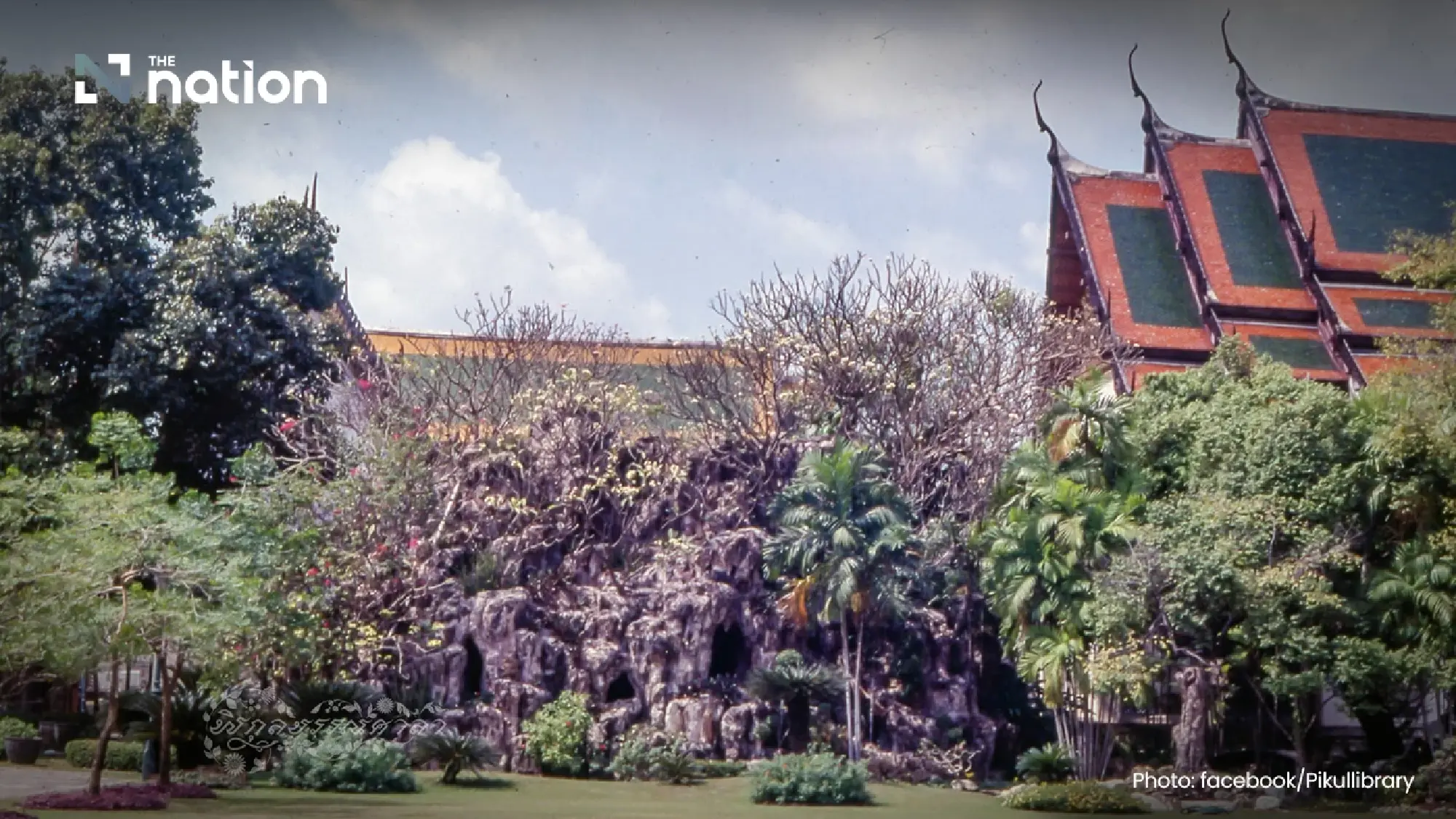
Although Piman Rattaya Throne Hall has long held an important role in royal rites connected with Royal Remains, there had previously been no record of the hall being used as a place to enshrine the Royal Remains of a member of the Royal Family.
With the royal rites for Her Royal Highness Princess Bajrakitiyabha, the Royal Remains have been enshrined at Piman Rattaya Throne Hall following the royal bathing rite.
This marks the first time in the hall’s history that it has been used as a place to enshrine the Royal Remains of a royal family member, adding another significant chapter to the history of the Thai royal court and of Piman Rattaya Throne Hall itself.