
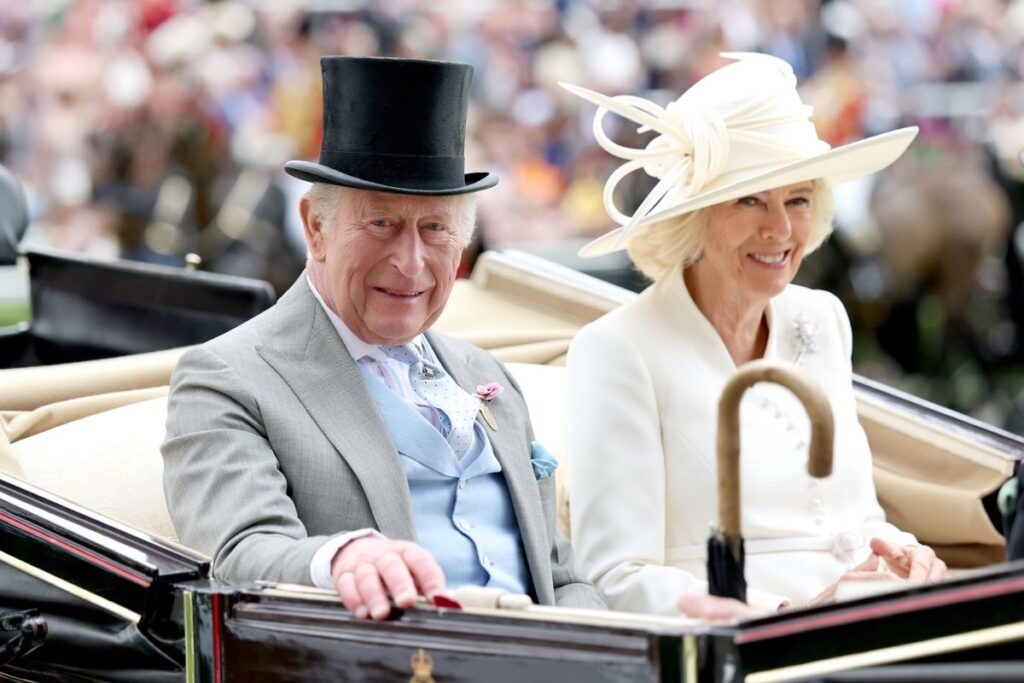
King Charles III’s monarchy has fallen to its lowest level of public support in more than three decades, including a 41‑point drop among 18‑ to 34‑year‑olds, according to polling.
The survey, conducted in March 2026 and published by Ipsos on June 19, 2026, found that 55 percent of Britons support retaining the monarchy, down from a peak of 80 percent during Queen Elizabeth II’s Diamond Jubilee in 2012.
The current figure is at its lowest since 1993, when Ipsos began regularly asking Brits whether they favor the current system or becoming a Republic. Support for switching to a democratically elected head of state has risen to 27 percent, up from a low of 13 percent during the Diamond Jubilee.
Read More on Celebrity News
Newsweek has for years been charting a gradual but long-term decline in public support for the monarchy in Britain, and the latest poll underscores that trend. Strong support among older Britons may mask shifting attitudes, helping to explain why some still view the monarchy as stable while others see it as a weakening institution.
 Disaffection Among Young People
The most striking feature of the latest data is the growing generational split. Among respondents aged 18 to 34, 33 percent support the monarchy, while 45 percent say they would prefer the United Kingdom to become a republic.
This marks a sharp reversal from little more than a decade ago. In 2013, support among the same age group stood at 74 percent, reflecting a dramatic shift in attitudes among younger people. Ipsos said the decline in overall support is “particularly driven” by these changing views among the young.
In the same year, 19 percent of 18- to 34-year-olds wanted to abolish the monarchy, substantially less than in 2026. Prince George was born in 2013, two years after Prince William and Princess Kate’s wedding, which was watched by millions around the world in 2011.
Those figures are now only seen among those aged over 55, among whom 74 percent backed the royals while 14 percent wanted to become a republic.
An 18-year-old in 2013 would now be 31, while someone who was 34 in 2013 would now be 47. This suggests not only that a new generation views the issue differently, but also that some of those same millennial and Gen X Brits have changed their minds in the intervening 13 years. Among those aged 35 to 55, 51 percent supported the monarchy in the 2026 data, and 28 percent favored abolition.
The result is an increasingly stark age divide that raises questions about the monarchy’s long-term future as younger generations replace older, more monarchist cohorts.
King Charles and Prince William Still Popular
Despite falling institutional support, King Charles himself continues to receive relatively positive ratings. Ipsos found that 60 percent of respondents are satisfied with the way he is doing his job, while Prince William’s approval rating is higher still at 71 percent.
Around six in 10 respondents also said the monarchy continues to play an important role in the country’s future. These figures suggest that while support for the institution has weakened, confidence in key figures within the Royal Family has not declined at the same pace.
 Analysis
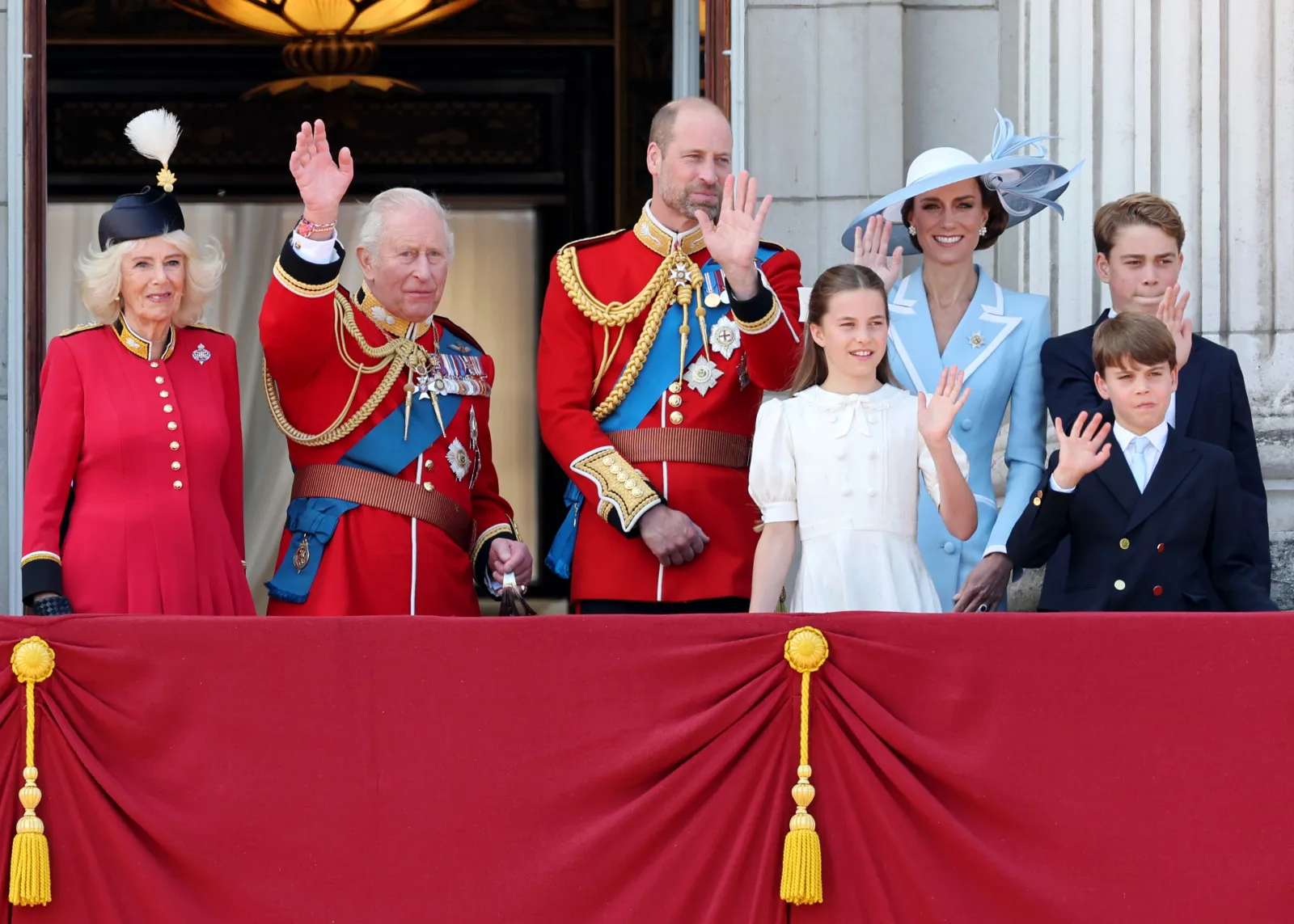
The fact that King Charles and William are still well-liked in Britain offers some positive news for the royals, but Ipsos also warns that the trend is serious.
Gideon Skinner, the senior director of UK Political Research at Ipsos, said that the “latest research on public attitudes to the monarchy reveals an ongoing trend that the Royal Family should not ignore.”
Some commentators have linked falling support to high‑profile controversies, including Andrew Mountbatten-Windsor’s friendship with the convicted sex offender Jeffrey Epstein.
Mountbatten-Windsor, formerly Prince Andrew, was accused of sexual assault by Virginia Giuffre, who said she was trafficked by Epstein for sex with Andrew in 2001. Mountbatten-Windsor has consistently denied the allegations.
Mountbatten-Windsor was stripped of his royal titles in October and forced out of his royal mansion.
He was also arrested by Thames Valley Police on suspicion of misconduct in public office in February and released under investigation. His detention followed reports to the force alleging he had leaked confidential government documents to Epstein while a U.K. trade envoy.
Much of the drop has also taken place during the era of Prince Harry and Meghan Markle’s criticisms of the royal family and the institution of monarchy. However, separate polling by YouGov shows William and Charles are significantly more popular as individuals than Harry and Meghan, posing questions about this narrative.
Another possible explanation is that these attitudes toward the monarchy intersect with another trend in public opinion charted by pollsters and journalists over a similar period. Millennials are, according to a 2023 Financial Times analysis, the first generation not to become more conservative as they grow older. One explanation offered is the experience of living through the 2008 financial crash, caused by the excesses of the banking industry and impacting some of the most vulnerable in society.
Meanwhile, monarchy is built on hereditary power and wealth at a time when life is becoming increasingly difficult for the very young people who are turning against royalty as a concept.
Former U.K. government minister Alan Milburn recently told the BBC, “we are at risk of a lost generation,” while more than one million young people are now not in education, employment or training (NEET), the highest level since 2013.
This trend has been partly driven by a decline in entry‑level jobs, itself fueled in part by artificial intelligence and increasing employer requirements. Government analysis suggests that most entry-level occupations have seen declines in hiring, with 30 of 38 tracked roles showing declines as of 2026. Broader labor market data also point to a sustained downturn in youth prospects, with the U.K. falling to 27th among 38 OECD countries on a major youth employment index amid rising inactivity.
Against that backdrop, it would be easy to understand how young people might be less willing to forgive royals who are guaranteed their place in society by birthright rather than on merit.
Of course, polling data only shows what views people hold, not why they hold them. However, if there is an economic dimension to the changing attitude to royalty, then that may be harder for the palace to shift because they do not control macro-economic policy.
Pressure to Connect With Younger Brits
The data suggests the monarchy faces a particular challenge in appealing to younger generations. Ipsos noted that younger people today are “much less supportive” than their predecessors at the same age, indicating a structural rather than temporary change in attitudes.
While the monarchy still commands majority support overall, the polling points to a gradual weakening of its social base—especially among those who will shape public opinion in the decades ahead.
For King Charles and the wider Royal Family, the findings may intensify scrutiny over how the institution modernizes and demonstrates its relevance in contemporary Britain, particularly at a time when generational attitudes appear to be shifting most quickly.
Contact Newsweek editors on this story: Daniel Orton and Sam Wilson.