
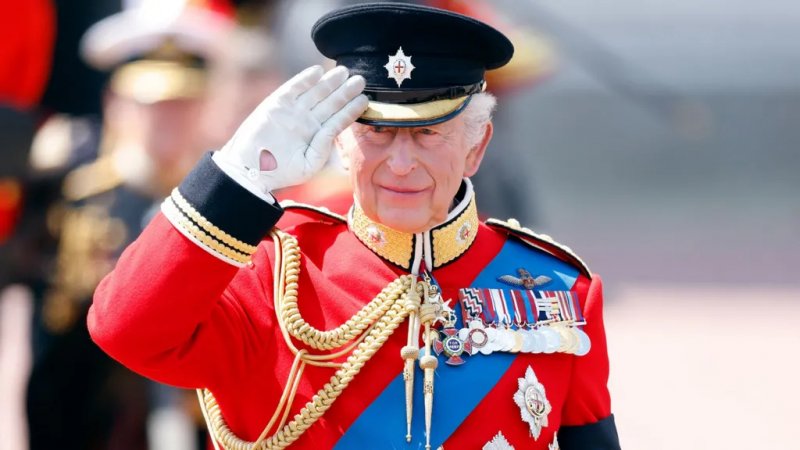
King Charles has made history by becoming the first British monarch in modern times to publicly disclose the amount of tax he pays, marking a significant shift toward greater financial transparency within the Royal Family.
The unprecedented disclosure comes alongside new details about royal funding, Buckingham Palace’s future, and changes to how the monarchy is financed, as public scrutiny over royal finances continues to grow, News.az reports.
The latest annual royal accounts reveal not only how much tax the King and the Prince of Wales voluntarily paid, but also that public funding for the Royal Household is set to rise substantially over the next few years.
Why did King Charles reveal his tax bill?
King Charles voluntarily decided to publish details of his personal tax payments as part of an effort to improve transparency surrounding royal finances.
The decision follows growing public and political calls for greater accountability regarding the finances of the monarchy, particularly after several controversies involving members of the Royal Family in recent years.
Buckingham Palace said the disclosure was intended to improve public understanding of how the monarchy operates financially and demonstrate accountability.
Although British monarchs have traditionally paid tax voluntarily rather than through legal obligation, they have never previously disclosed the actual amount paid.
How much tax did King Charles pay?
According to the latest royal financial accounts, King Charles paid £12.9 million in income and capital gains tax for the 2024-2025 financial year.
The previous year’s accounts showed he paid £11.7 million.
The size of the payment places the King among the United Kingdom’s highest taxpayers.
However, the published figures do not include a detailed breakdown explaining how the total tax liability was calculated or which sources of income generated the payments.
How much tax did Prince William pay?
The Prince of Wales also voluntarily disclosed his tax payments for the first time.
Prince William paid £7.76 million in tax during the 2024-2025 financial year after paying £8.34 million the previous year.
His office said he pays income tax at the highest rate on any surplus income received from the Duchy of Cornwall after official expenses have been deducted.
Those expenses are independently audited before the final tax calculation is made.
Where do King Charles and Prince William earn their income?
Unlike most taxpayers, the King and the Prince of Wales receive much of their income through historic royal estates.
King Charles receives annual income from the Duchy of Lancaster, a large portfolio of land, commercial property, agricultural holdings and financial investments that provides the monarch with independent income for both official and private expenditure.
Prince William’s principal income comes from the Duchy of Cornwall, a hereditary estate covering approximately 130,000 acres and including farms, commercial property, housing developments and valuable urban assets.
Both also receive income from private investments and privately owned royal estates, although those figures are not publicly disclosed.
Why are some experts still calling for more transparency?
Although the publication of the tax figures has been widely described as a historic step, some experts argue the disclosure remains incomplete.
The published accounts reveal only the total amount of tax paid without explaining how taxable income was calculated.
Critics note that no breakdown has been provided showing how much was paid in income tax, capital gains tax or other categories, nor have deductible expenses been disclosed.
Some tax specialists argue that greater transparency would require publication of the underlying calculations rather than only the final payment.
Why is the Sovereign Grant increasing?
The annual Sovereign Grant, which finances the official work of the monarchy, is set to increase substantially over the next several years.
The rise follows a revised funding formula approved by the Royal Trustees and reflects higher long-term investment needs rather than increased personal payments to members of the Royal Family.
Additional funding will support maintenance of historic royal buildings, cybersecurity improvements, environmental projects and continued modernization of royal residences.
Officials emphasize that the Sovereign Grant finances the institution itself rather than providing personal income to individual royals.
What is the Sovereign Grant?
The Sovereign Grant is the annual payment provided by the British government to fund the monarchy’s official duties.
It covers expenses including staff salaries, official travel, state visits, public engagements, maintenance of occupied royal palaces, security-related infrastructure and administrative operations.
The grant does not fund the King’s personal lifestyle or private wealth.
Instead, it finances the operational costs associated with carrying out the constitutional and ceremonial responsibilities of the monarchy.
Why will the Sovereign Grant almost double?
Although total royal funding will eventually fall after the completion of Buckingham Palace’s refurbishment project, the permanent core element of the Sovereign Grant will rise significantly.
The increase reflects growing operational costs together with additional investment in maintaining historic royal properties.
Future spending priorities include improving cybersecurity across royal residences, modernizing infrastructure and replacing aging heating systems, including major upgrades at Windsor Castle.
Officials stress that the higher grant remains subject to government oversight, independent auditing and value-for-money requirements.
Why will King Charles not move into Buckingham Palace?
Despite the completion of extensive renovation work, King Charles and Queen Camilla have decided to remain at Clarence House rather than making Buckingham Palace their primary residence.
According to palace officials, the decision will allow Buckingham Palace to become more accessible to the public and generate greater visitor revenue.
It will also mark the first time since Queen Victoria’s reign that a reigning British monarch has chosen not to live permanently in Buckingham Palace.
What is happening with Buckingham Palace?
Buckingham Palace has been undergoing one of the largest refurbishment projects in its history.
The multi-year modernization programme includes replacing outdated electrical wiring, plumbing, heating systems, fire protection infrastructure and other essential building services within one of Britain’s most famous historic buildings.
Once the work is completed, maintenance costs are expected to become more predictable, although the ongoing operational funding for the Royal Household will remain significantly higher than before the renovation programme began.
Why is Prince William giving up income from Dartmoor Prison?
Prince William has also announced changes to how income generated by the Duchy of Cornwall will be used.
Rather than personally benefiting from approximately £1.5 million in annual rent associated with the abandoned Dartmoor Prison, he has asked for the money to remain within the Duchy and instead support communities in the surrounding area.
The prison has remained empty since 2024 following the discovery of dangerous radon gas levels inside the facility.
The move is intended to direct financial resources toward local development rather than personal income.
What could these changes mean for the future of the monarchy?
The publication of the King’s tax payments represents one of the most significant changes in royal financial transparency in decades.
Combined with greater disclosure surrounding royal funding and operational finances, the reforms suggest the monarchy is responding to growing public expectations for openness and accountability.
At the same time, the increased Sovereign Grant is likely to continue generating debate over the cost of maintaining the monarchy, particularly as taxpayers face broader economic pressures.
Whether these measures satisfy demands for greater transparency remains to be seen, but they mark a notable departure from centuries of financial secrecy surrounding Britain’s Royal Family.
News.Az
By Faig Mahmudov