
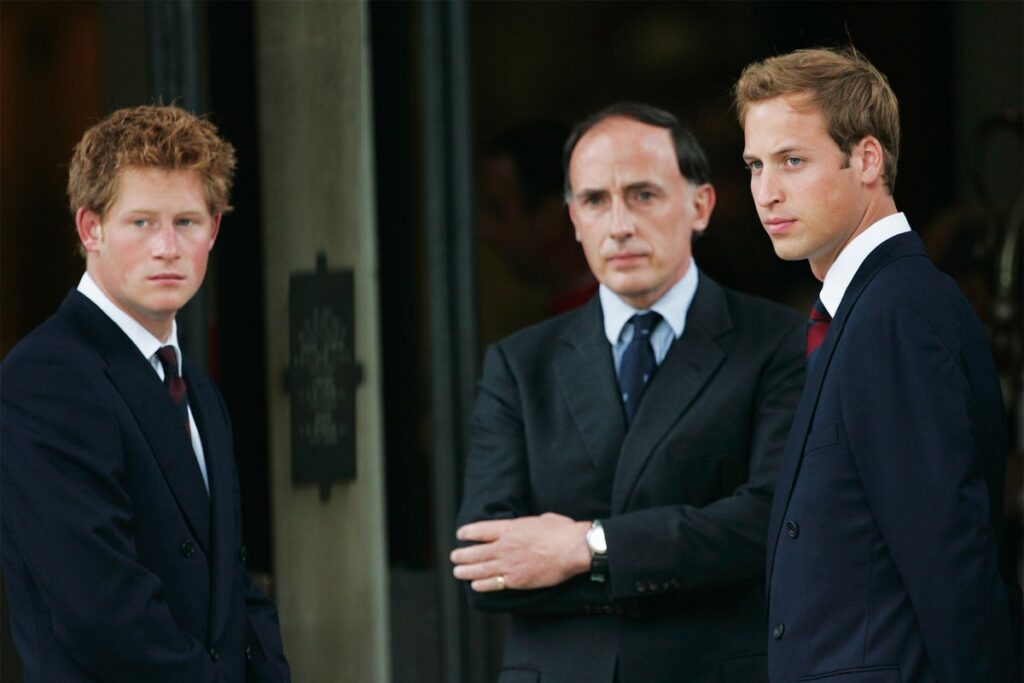
First-time novelists have all sorts of reasons for picking up their pens – “I know I have a book in me” – but Jamie Lowther-Pinkerton offers up one I haven’t heard before. “I’d completely screwed myself because I couldn’t write about the SAS and I couldn’t write about the royal family, so I thought, why not make up a story?”
After 20 years in the army, including the Gulf war, between the Irish Guards and as a squadron commander in the fabled SAS, or Special Air Service, plus another eight years until 2013 as chief of staff to the young Princes William and Harry, latterly also the current Princess of Wales, 66-year-old Lowther-Pinkerton was certainly tied up in knots by workplace bans on memoir publishing. With Beyond the Edge of Light, though, he deftly avoids stepping on any land mines or Windsor egos.
And it is not, as might be expected, a roman à clef about a “fictional” royal family raising a traumatised and bereaved younger generation, but instead a touching thriller-cum-romance set in Second World War, with a love affair that crosses battle lines and draws inspiration from his own beloved mother, Sue, a “daughter of empire” who died two years ago at the age of 99.
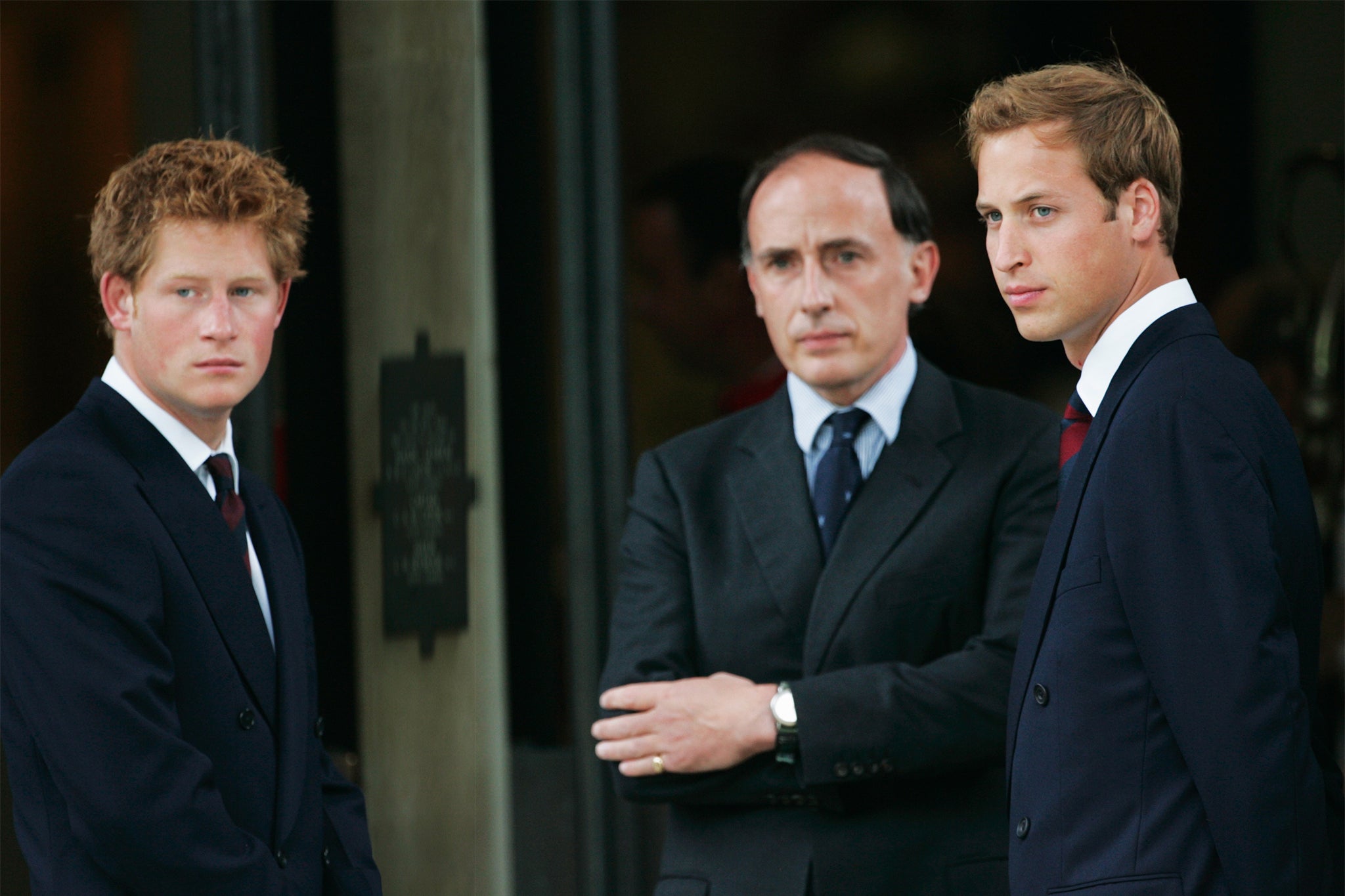 Jamie Lowther-Pinkerton was chief of staff for Princes Harry and William for eight years (Getty)
It is not really a saga to rival Andy McNab; I jest when we meet in his publishers’ offices. “It’s a funny one,” Lowther-Pinkerton replies, “because soldiers are actually romantics, particularly when you are overseas and far from home and you are thinking of romantic things and wishing you were back home.”
Am I imagining it, or is he – endearingly – blushing slightly? There is something terribly, old-fashionedly English about the courtly Lowther-Pinkerton. Scion of an old Suffolk landowning gentry family, he has been very happily married to Susie for 31 years, and they have four children (including William, who was a page at William and Kate’s wedding).
Is he worried that at the next SAS reunion he will be teased mercilessly about the contents of his novel? “No, most of them are old softies.”
The same, of course, can’t be said of royal officials, such is their determination to protect the good name of the monarchy. I am anticipating it will make Lowther-Pinkerton reluctant to say very much about that period of his life (that also included two years as equerry to Queen Elizabeth, the Queen Mother, in the mid 1980s). But who dares wins.
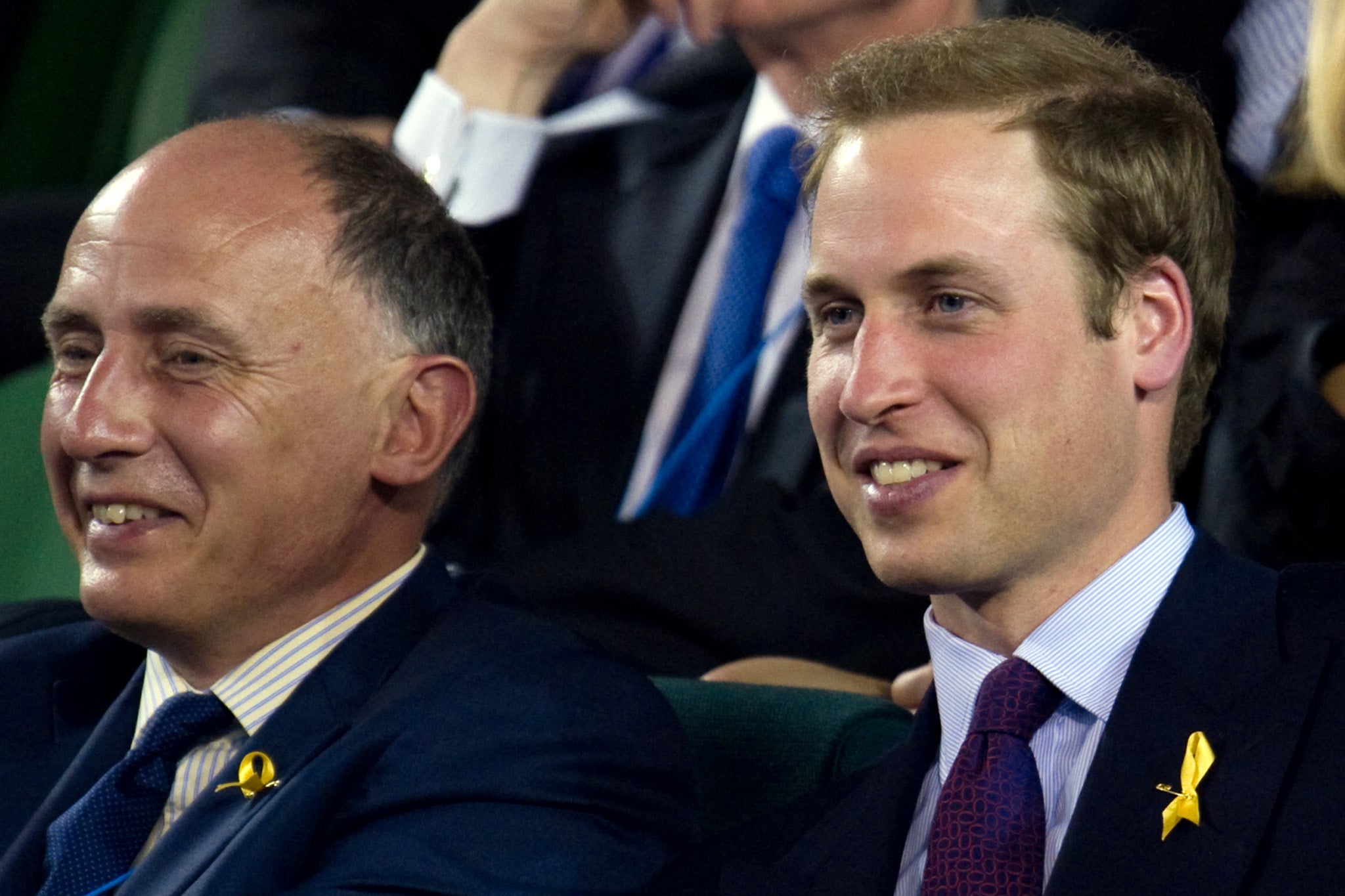 Lowther-Pinkerton says he has ‘huge faith’ in William, who he labels as ‘clear-sighted’ (PA)
With the public disgrace of Andrew Mountbatten-Windsor and the continuing circus of the alternative court in Montecito, does he agree that the future of the monarchy doesn’t look quite as robust as it should?
“If you scratch the surface in any era, it is always on the verge of crisis, but its great strength is that it is a chameleon. It changes to the mores of society much better than other institutions, including the Ministry of Defence. It has a gift for reinventing itself but I suppose if you were going to get your head chopped off, metaphorically now, you would do that, wouldn’t you?”
He follows on with a more revealing example that I am expecting from one trained to the hilt in discretion. “The King was Prince of Wales when I was doing that job [with William and Harry]. I admired plenty of things about him, but he was a pretty tough guy to deal with. It was his sons I was involved with and he had an interventionist streak in him, so he was handwriting notes the whole time. So, of course, when he became king, everyone expected him to continue like that, but not a bit of it. He has been absolutely flawless, with the Trump Washington visit being the zenith.”
And the new Prince of Wales? “I’ve got huge faith in him and his wife. He is clear-sighted; his moral compass is rusted due north, which is great for a monarch, but not so easy if you’ve got to be more human.”
It has a gift for reinventing itself but I suppose if you were going to get your head chopped off, metaphorically now, you would do that, wouldn’t you?
Does he think he is trying to be more human? Sometimes William gets a bad press compared to the touchy-feely Kate. “Yes, he is. I always think of him as the Lion King, sitting on his rock, looking the part, but he has a very, very kind heart. If he is with people who frankly need an arm put round their shoulders, he does it very well.”
In search of balance in the face of this positivity, I bring up Harry and Andrew. The first prompts a big sigh. “All I will say to that is I am an optimist.” However, it is worth pointing out that our interview happened during the week when it looked very much like Harry and Meghan would be coming with their children and staying in royal premises. What looked like the gentlest hint that he either knew or believed that a reconciliation was on the cards now looks more like wishful thinking.
And Andrew? “I don’t know him at all because my time was with the young princes. They have cauterised as well as they could have done. I will leave it at that.” Here, the training is coming in useful.
Though his novel contains no obvious references to his past employers, in its themes it does touch pretty directly on his time with them. A key subject, arguably the key subject, is loyalty, to king and country, or to self.
“Loyalty is an important one for me. Like most of my colleagues in the regiment [the SAS], I never voted because I felt it would have been a compromise to have done so. It was a choice for individuals to make, but we were going to do whatever it was the government in power asked us to do. It’s the old civil service thing, only writ slightly larger.”
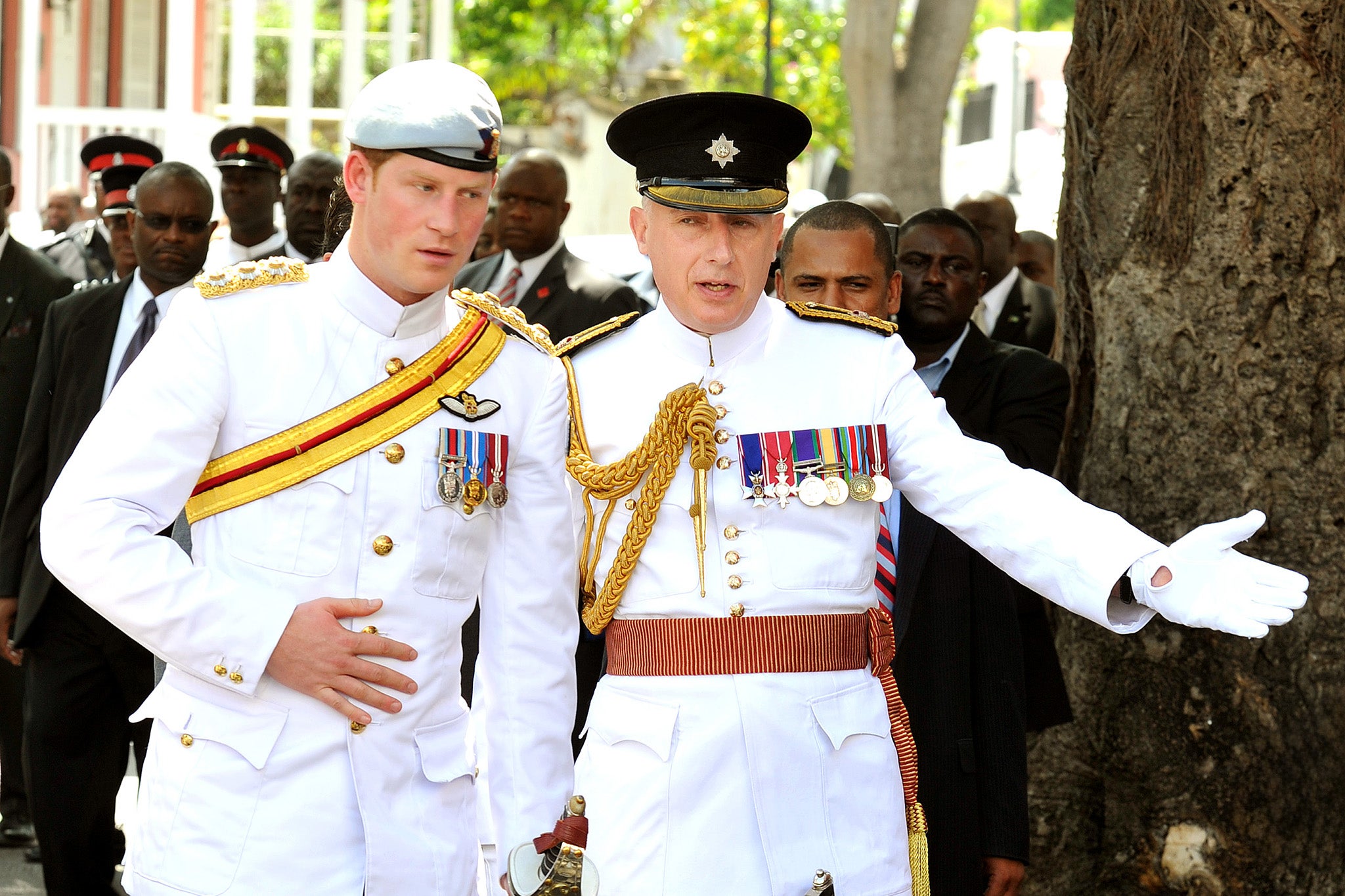 Amid Harry’s current separation from his family, the former royal family chief of staff remains an ‘optimist’ (Getty)
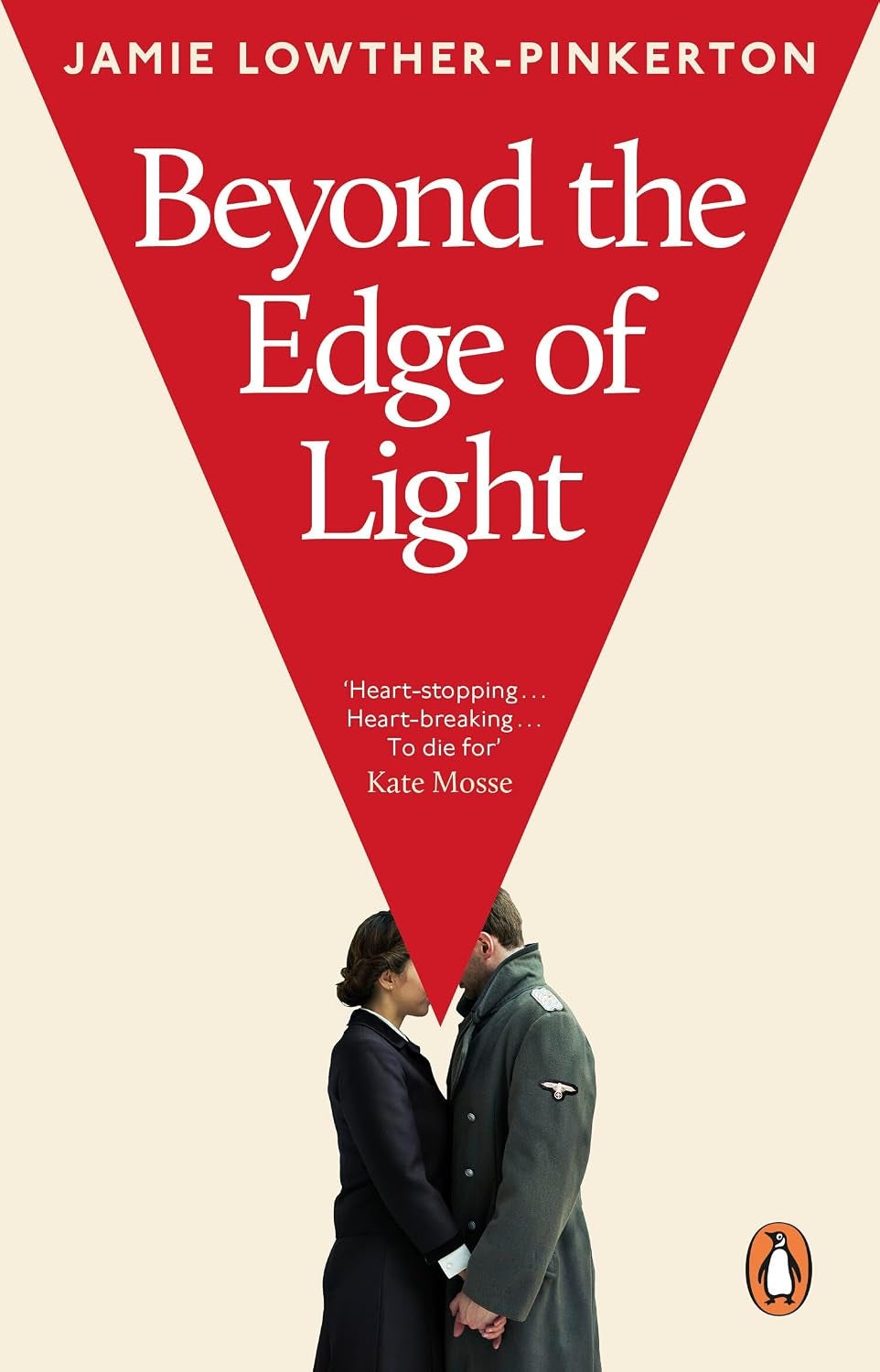
Where, then, do his characters’ loyalties lie? Set in 1938, Julia “Missie” Ormesby (her brave outspokenness and her colonial background and education in India mirroring Sue Lowther-Pinkerton) is staying with a friend from finishing school whose family turn out to be Nazi sympathisers. But another guest, the aristocratic Conrad von Echlau, is stridently anti-Nazi and has been conscripted into the Luftwaffe. Their timing is unfortunate. They fall in love just as war breaks out between their two homelands.
“I’m not for one minute saying it is a terribly serious book,” Lowther-Pinkerton reflects modestly, “but it did spur questions, like where does duty end and how far can a country go, even a country fighting for its survival in a moral sense?”
And the answer? “I haven’t got any answers,” he replies, adding, “I pose the dilemma and then scuttle for the hills.”
The story he tells, on closer examination, is full of issues that are as contemporary and they are historical. Missie and Conrad step in, for example, when all others stand cowered and silent in a Munich street as Brownshirts attack a Jewish family.
I started [my book] with a sense I was writing in the 1930s, but now there is that strong sense of people in America having to think about their loyalty to their country. We are certainly closer to the times I write about today than when I began writing it
He has been writing the novel for the past five years, though his hankering to write goes all the way back to schooldays (Eton, on a bursary) and keeping a diary. So he says he can’t claim any credit for anticipating the toxic combination of the rise in populism and the greater antisemitism that we are seeing today.
“I started with a sense I was writing in the 1930s, but now there is that strong sense of people in America having to think about their loyalty to their country (as Conrad does). We are certainly closer to the times I write about today than when I began writing it.”
Does rising populism make him worry for the future here in Britain? “It is the most appalling indictment of our society at the moment. Are there good Brits? Of course, there are millions upon millions of good Brits, but how loud is their voice? You could say the same thing of Nazi Germany.”
 (Penguin)
A good time, then, for defence to be a higher political priority than the measly funding rise being offered by the Treasury? “Every government has messed up on this. It is absolutely peace-dividend stuff coming through and us not reading the tea leaves, relying on America underpinning us. We are very slow out of the blocks on this and the cupboard is bare of capability – numbers and equipment. We need to be able to contribute alongside other Europeans to stemming the march of the autocracies.”
To that end, does he support the return of some kind of conscription since military recruitment is currently an impossible sell among the young? “I don’t blame the current generation because it has not been made clear to them what the threat is. Further east in Poland and the Baltic states, every young person gets the threat posed by Russia.”
The theme of love in a time of war, however, is the one he keeps coming back to, whether that is from his own literary hero Tolstoy, or in his own first attempt novel. And it is one that has all the right ingredients, including a heart-stopping cliffhanger at the end. So, who would he cast?
“Of course one’s thought of that,” he replies tigerishly. “Jessica Brown Findlay [Lady Sybil in Downton] is very like my mother to look at and for Conrad, a young Liam Neeson, a great big brute.”
‘Beyond the Edge of Light’ by Jamie Lowther-Pinkerton is published on 9 July by Bantam