
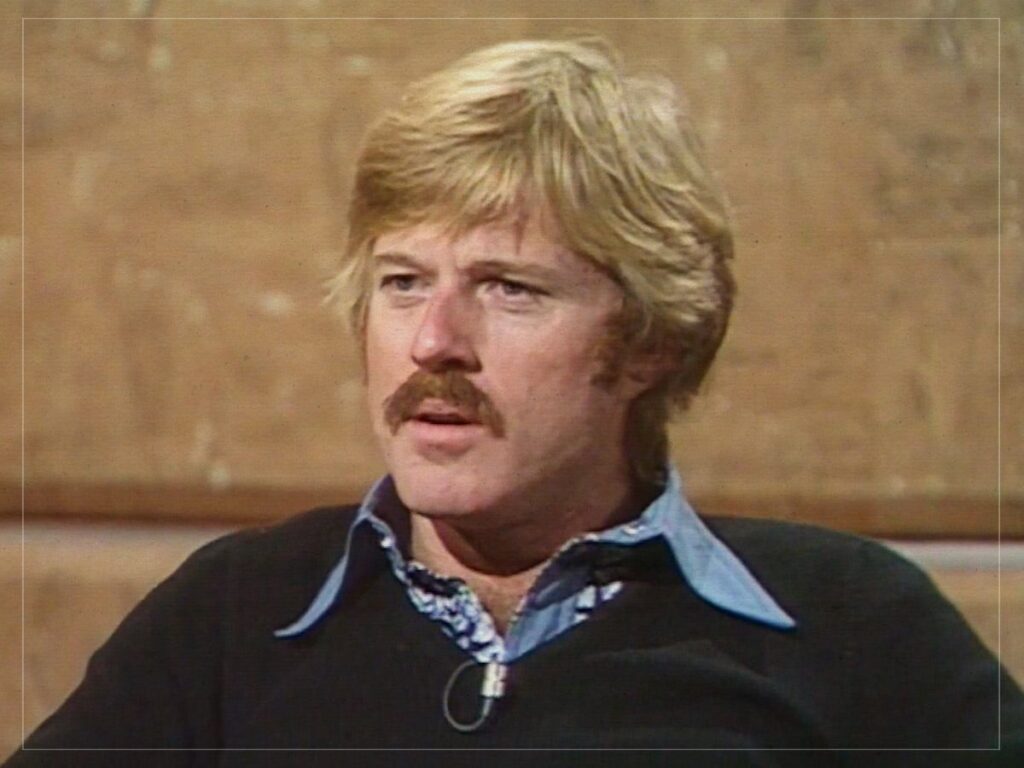
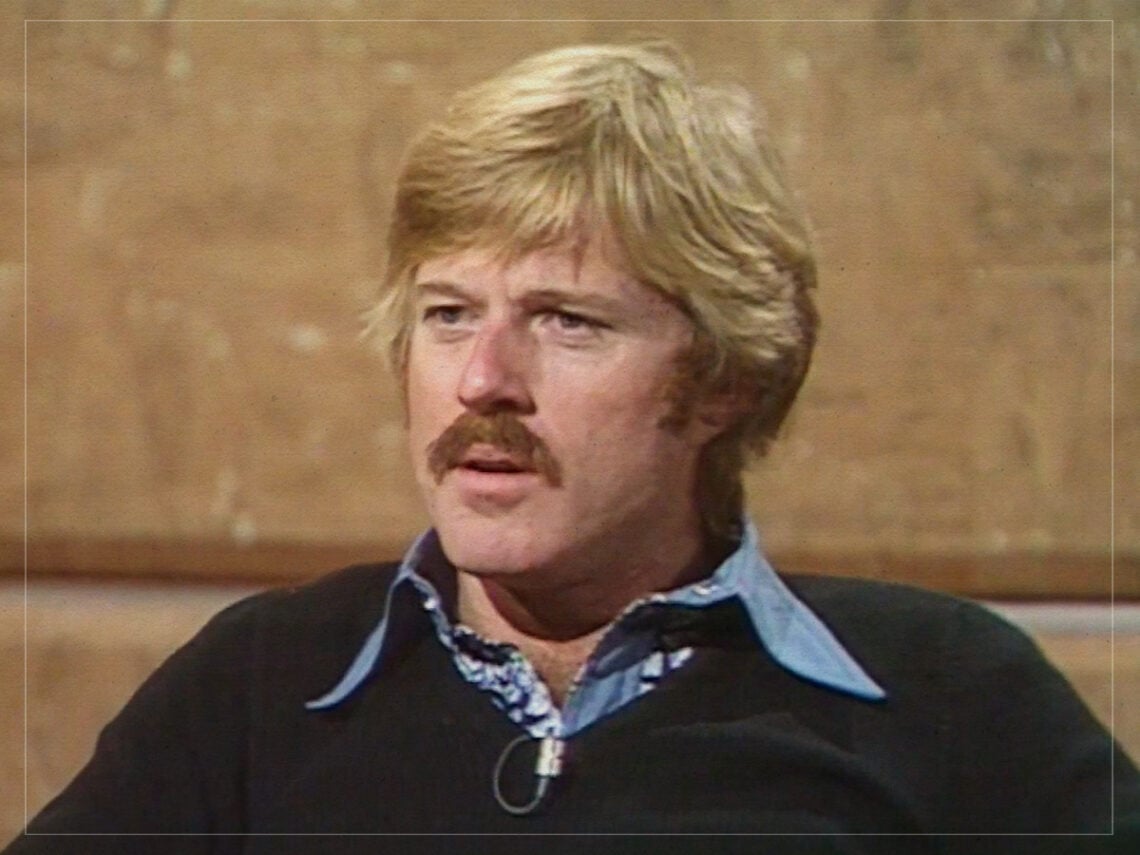
Credit: Far Out / YouTube Still
Mon 13 July 2026 17:21, UK
Even those with a remote interest in the history of cinema would certainly give a damn about the work of Robert Redford.
A true legend of Hollywood, the Santa Monica-born actor was a hero of American cinema, winning countless awards during his career. His filmography is one of genuine excellence. And his passion for the art was typified by his exclamation when claiming an Oscar in 2001 that “the glory of art is that it can not only survive change, it can lead it.”
After making his first forays into acting via television with Alfred Hitchcock Presents and The Twilight Zone and Broadway with Barefoot in the Park, Redford soon made the successful transition to the big screen and went on to give some of the most memorable acting performances of the 20th century.
For instance, the likes of Butch Cassidy and the Sundance Kid, Jeremiah Johnson, The Candidate, The Sting and All The President’s Men all profited from having Redford at the top of the casting list, showing the kind of talent that he had possessed ever since taking acting classes at the American Academy of Dramatic Arts in New York City in the late 1950s.
Of course, we know Redford best by his acting efforts, but he also serves as one of the rare instances of an actor making a successful move to directing, joining the likes of Clint Eastwood, Orson Welles and Mel Gibson. It was in 1980 that Redford made his directorial debut with the drama film Ordinary People, written by Alvin Sargent, based on the 1976 novel of the same name by Judith Guest.
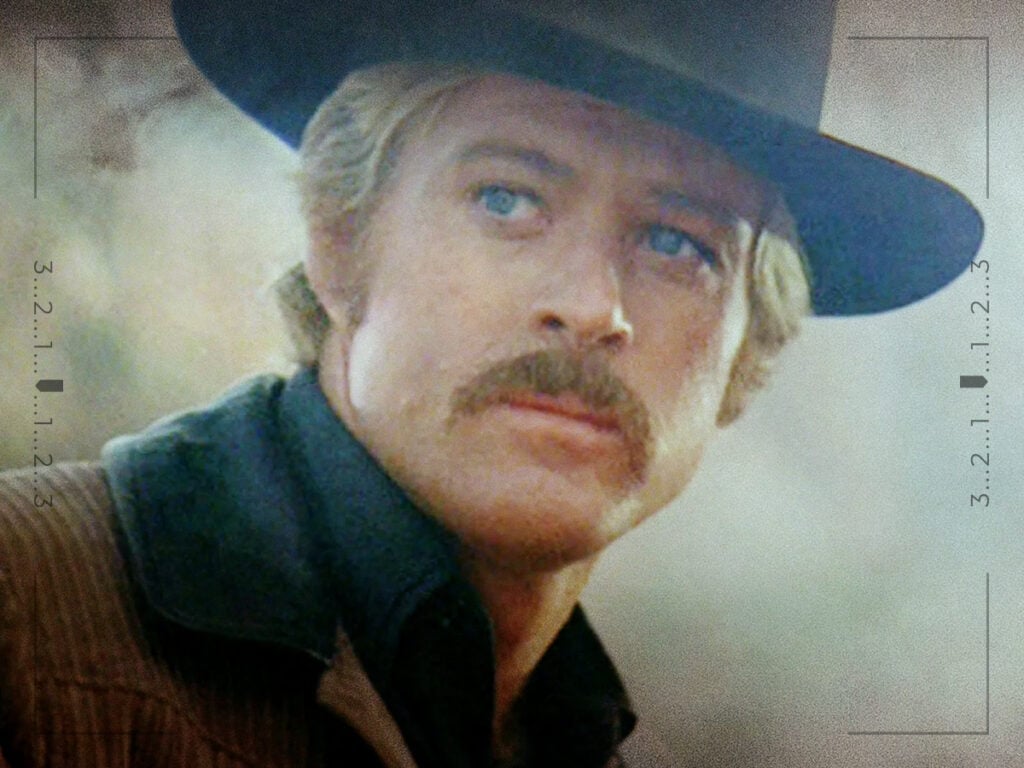 Credit: Far Out / 20th Century-Fox
Ordinary People, which stars Donald Sutherland, Mary Tyler Moore, Judd Hirsch and Timothy Hutton, focuses on the complexities of a seemingly everyday suburban American family after they suffer the accidental death of one of their two sons and the attempted suicide of the other, with Redford earning acclaim for his directorial effort.
Discussing his impression of what the film is really about, Redford once told Rolling Stone, “The movie was about a character who could not get in touch with her feelings and the consequences of that to her family.”
Further reading: Cutting Room Floor
“I had never seen that character on film, but I’d seen that character in life a lot,” he continued, “the person who shuts down rather than ride the emotional roller coaster that needs to be ridden.” There’s a lot of weight at play there.
Indeed, there is a real emotional complexity to Ordinary People that did not shy away from delving into some of the most harrowing experiences of human life, including suicide and accidental death. The film ended up winning four Academy Awards, including ‘Best Picture’ and ‘Best Director’ for Redford.
However, Redford felt that even with the eventual success (also including a massive box office taking), nobody seemed to care about the film before it had been released.
“Ordinary People was turned down by a lot of people,” Redford explained. “Then, Barry Diller, who was at Paramount, said, ‘Do it.’ He was very stand-up about it. So I was left alone. It was a little movie, only $6 million.”
He added, “No one gave a shit. And then it was out.” Indeed, Ordinary People was made on a relatively small budget, so it did not have the most attention surrounding it. As the ‘80s dawned, the movie was small in an era where big was in fashion. So, with a slew of muted tones and rejections in its wake, Redford went into the release expecting the response to be equally tepid.
Still, Redford was the person who had the last laugh when it came to Ordinary People, showing the people who turned it down so many times that they had made a huge mistake. Redford went on to become an acclaimed director, but the rejecting producers were left to cry into their morning cups of coffee.
As he said when he picked up his Oscar for his directorial efforts on the picture, “Well, I just didn’t think I was gonna see this. But I’m no less grateful. And I would like to express my debt for the directors that I worked with in the past, for what I’ve learned from them, consciously or unconsciously.”
However, while he might have hailed his influences, Ordinary People proved that Redford had a unique, deeply human directing style and a love for storytelling. That resonated deeply with the masses despite the odds that the industry placed on it.
ADD AS A PREFERRED SOURCE ON GOOGLE 