
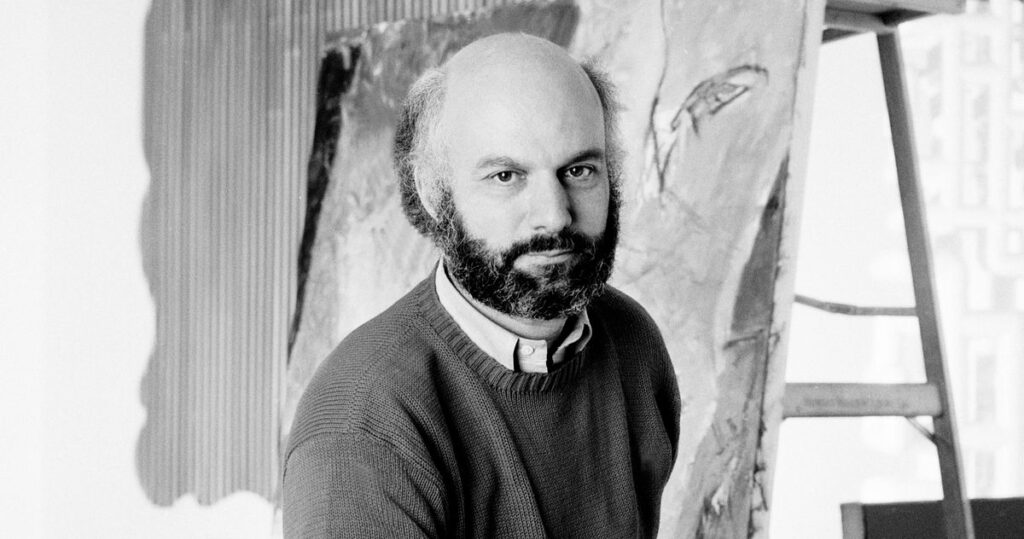
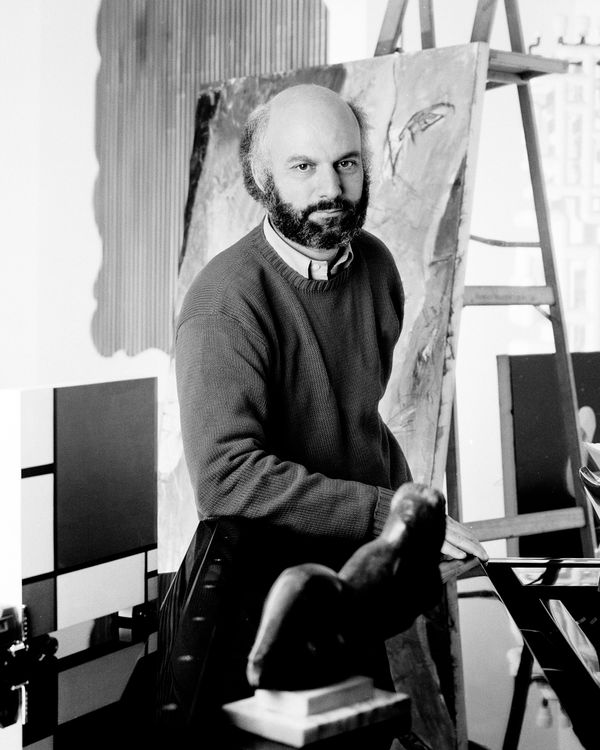
James Burrows.
Photo: Aaron Rapoport/Getty Images
Last month, the TV world lost one of its most legendary craftsmen: James Burrows. Over his half-century-plus career, he directed more than 1,000 episodes of television shows, including iconic sitcoms such as Friends, The Mary Tyler Moore Show, Cheers, and Taxi, among countless others. One of the many reasons he was beloved in Hollywood was his generosity with his peers and his willingness to help guide younger creatives as they came up in the business. Among those he helped mentor was Pamela Fryman, who would carve out a legend—wait for it—ary directing career of her own as the helmer of almost every episode of How I Met Your Mother, along with stints on Frasier, Friends, and, most recently, Reba McEntire’s NBC hit, Happy’s Place. Here, Fryman tells how she first met Burrows, the pivotal role he played in changing her career trajectory, and the magic he brought to any set he worked on.
Back in January 1994, the producer Peter Noah asked me to direct an episode of Café Americain, his NBC sitcom starring Valerie Bertinelli. It terrified me because I came from daytime TV and I felt ill-equipped. I went in kicking and screaming. But Peter said, “You’re gonna go to Warner Bros., you’re gonna sit in the front row during rehearsals, and you’re gonna watch the master, Jimmy Burrows.”
So I go to Warner Bros., and I sit in that seat, and I watch. And it’s great fun because I am a fan of sitcoms. That’s how I grew up — in front of the television. I’m watching Burrows direct, and I’m trying to guess what he’s going to do. Sometimes I’m right and sometimes I’m wrong, but at no time did I think I was the right person for the job. They could have said, “Okay, instead of directing, you’re just going to sit in the front row and watch Jimmy,” and I would have been delighted. But at the end of it, he came up to me and said, “You come from soaps.” He put up his hands like it was a really tight shot, and he said, “That’s in here. You now need to widen out.” And he started flapping his arms around. He just started moving his arms around, and I said, “Okay, okay, wider — got it.” And I ended up directing an episode.
Unfortunately, Café Americain got canceled, but that August I was offered an episode of a CBS show called Muddling Through with an actress named Jen Aniston. I direct that one episode, still thinking I don’t know what I’m doing, and that episode turns into three consecutive episodes. Jennifer was hoping Muddling Through wouldn’t get picked up because she had also taped the pilot for Friends; if Muddling Through got picked up, she wouldn’t be able to do Friends. But it didn’t get picked up, and I think because I knew Jennifer, I got to direct Friends that first season.
Jimmy had directed the pilot and the first three episodes and then I went in to direct episode five. He popped by that first week, showed me around the set, and said, “Fryman, you need to wear comfortable shoes.” (To this day, I still do.) He made everything I did on that episode a little better, and he did it with no ego. It was a team sport; he never made me feel anything but supported. Being on Friends gave me street cred because it was such a juggernaut. It became, “Pam — she’s done Friends,” and I was like, “Wait, please, I don’t know what I’m doing!” I was just thrown into it. But it would not have happened without Jimmy’s blessing in the way he gave it. He certainly didn’t broadcast it, but he made me feel like I could do it. That was everything to me.
In some fortuitous way, I ended up following Jimmy on a lot of shows. When I did George & Leo with Bob Newhart and Judd Hirsch, he wanted me to come over to the set when he was directing, to introduce me to Judd and Bob, and to say, “She knows what she’s doing.” They knew I was okay because Jimmy said I was okay. And that happened time and time again.
Jimmy and I didn’t socialize, but he had my back. I hope I’m not overstating this, but I think he was proud of me. He said he loved watching my career flourish. I would thank him constantly for what he had done for me, and in an annoying way. When I would get a pilot, I would let him know and say, “I’m doing this pilot. My first question is why aren’t you doing it?” I specifically remember doing a Chuck Lorre pilot. Jimmy had done so many, and he just said, “There’s a reason you’re doing it. Go do a good job. It’s going to be great for you.” He was right. He was so happy to share his knowledge, and I looked at him as a kind of North Star. I can’t tell you what he saw in me, but he was everything to my career.
It’s impossible to describe exactly the special ingredient he brought to directing because I think it was magic. But what he did best was listen. He heard the music like nobody hears the music. What I got to observe was how he would try this and then he would try this. It wasn’t like, “I’m Jimmy, I know everything, and this is how it’s going to be.” He experimented and he guided the cast and the script in a way that you almost couldn’t see what he was doing. It was so elegant. It was his gift. There was Jimmy Burrows — and then there was everybody else.
Sign up for the Vulture Daily
An entertainment newsletter for the pop-culture obsessed.
Vox Media, LLC Terms and Privacy Notice
Related