
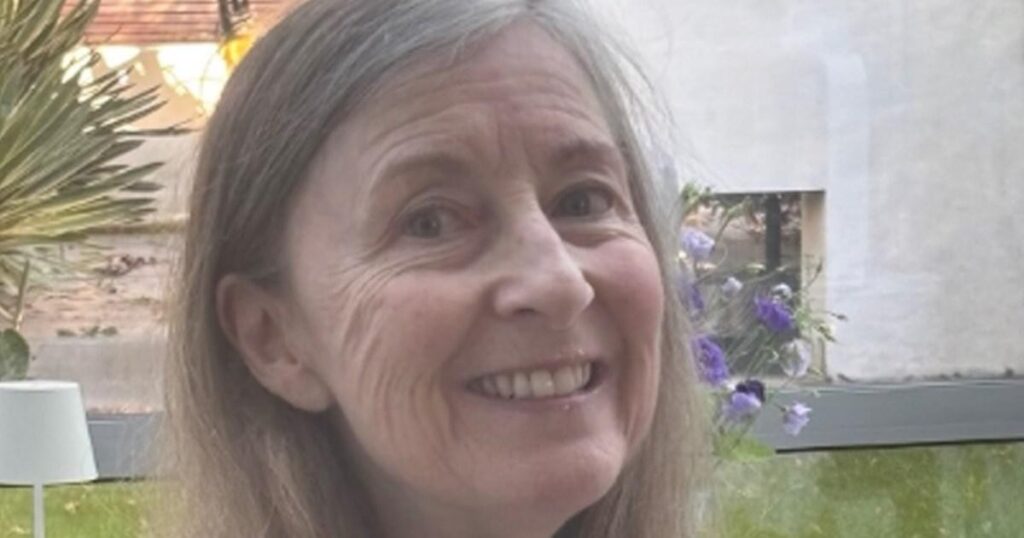
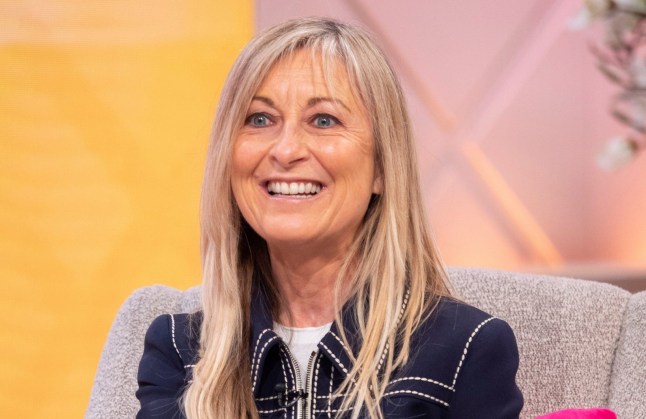
Fiona Phillips was first diagnosed with Alzheimer’s in 2022 (Picture: Ken McKay/ITV/Shutterstock)
TV presenter Fiona Phillips was all smiles as her husband, Martin Frizell, shared an update on his wife’s ongoing journey with Alzheimer’s.
The former ITV presenter, best known for hosting breakfast show GMTV Today, revealed she had the progressive, neurodegenerative brain disorder, which most commonly causes dementia, in July 2023.
She had first been diagnosed with the condition, which both her parents also had, a year prior in 2022 at the age of 61 after months of brain fog and anxiety.
Now 65, the TV anchor has largely stepped back from public life alongside her husband, who stepped down as editor of flagship ITV show This Morning in 2024 to prioritise family.
The couple share occasional updates, with Frizell’s latest Instagram post offering a rare glimpse at the media personality, while he discussed Prime Minister Andy Burnham’s promise to those with Alzheimer’s and their carers.
Discussing social care reform, Burnham drew from his own experiences witnessing the care his father was given when he had Alzheimer’s to champion carers, saying: ‘To me, they should be the best paid people in society, not the worst.’
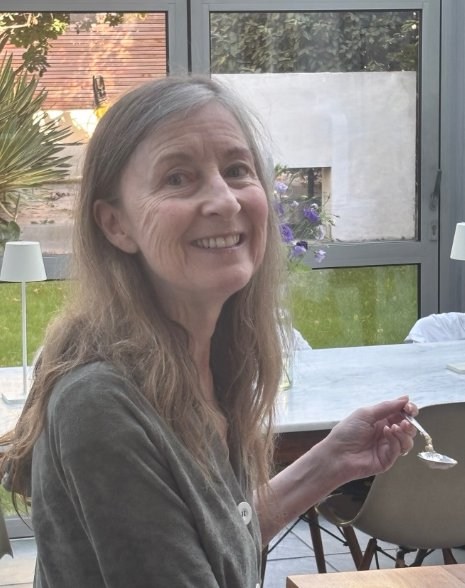
Phillips has rarely been seen in the past four years, as husband Frizell reflected on the Prime Minister’s social care pledge (Picture: Martin Frizell)
In the caption to his new post of Phillips smiling at the breakfast table, he noted that she was once almost worked with the now-Prime Minister when Gordon Brown asked her to serve as a health minister during his tenure.
He continued: ‘If the new Prime Minister, who knows what Alzheimer’s can do from his father’s experience, follows through on making a difference to sufferers like Fiona, his dad and millions of others, then he will become the most consequential politician of his generation.
‘For decades no-one listened, dementia became the poor relation to cancer and yet it’s our biggest killer. Sadly it’s taken someone touched by dementia to take it seriously but how will we afford to treat it properly?
‘Who knows but when your family life is altered forever by a dementia diagnosis, you won’t be quibbling about one or two per cent extra you’ve contributed to provide to a proper care system.
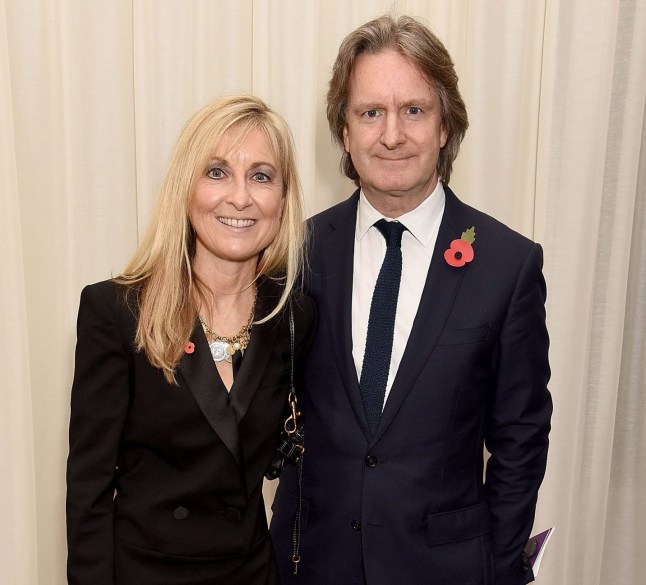
Her husband Martin Frizell has been sharing regular updates (Picture: Dave J Hogan/Dave Hogan/Getty Images)
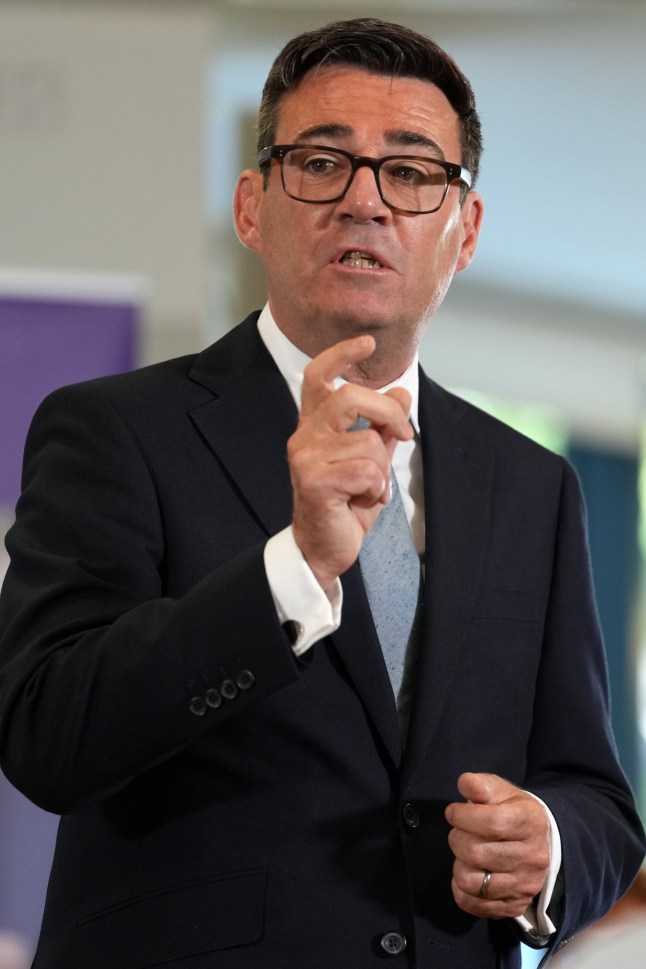
The Instagram post was inspired by PM Andy Burnham’s social care speech (Picture: Kirsty Wigglesworth – WPA Pool/Getty Images)
‘If in doubt, spend a day with an Alzheimer’s family and you’ll see why there’s so much hope riding on Andy Burnham and Louise Casey. It cheered up our morning.’
Phillips is now in the advanced stages of early-onset Alzheimer’s disease, with her husband occasionally sharing updates about her life now.
In recent months, he revealed that she received a letter from Kate McCann, mother of missing child Madeline McCann, which greatly moved his wife, and it was as though the fog ‘lifted’.
He shared: ‘I didn’t realise until I read the letter that Kate McCann, herself a doctor, had spent almost ten years in [NHS] Memory Services, largely drawn to it because of her dad, who also had dementia.’
Frizell then recalled that when reading the letter to Phillips, she began to tear up, remembering McCann’s missing daughter Madeline, and it seemed as though she were back on GMTV.
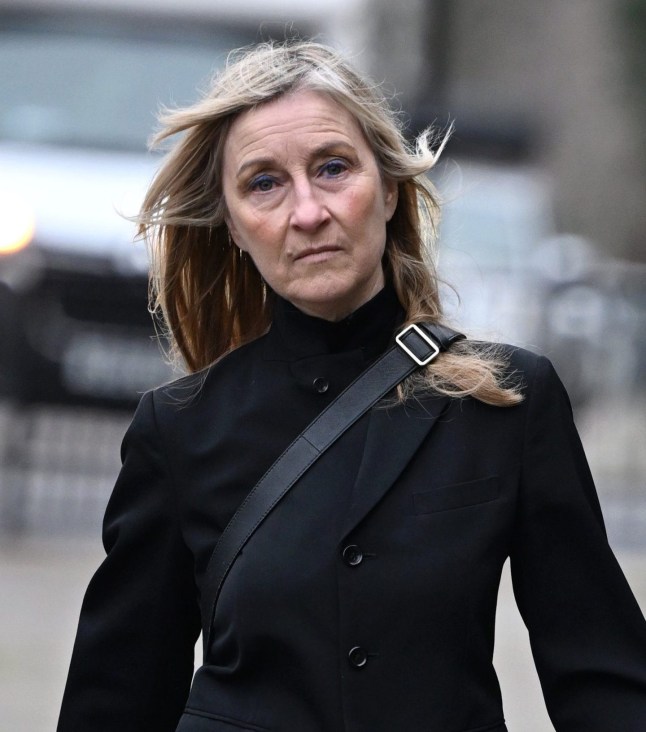
Fiona has not often been seen out and about since her diagnosis (Picture: Getty)
He has also been open about the struggles she’s faced. In August last year, he shared that her ‘biggest frustration’ is not being able to work.
Appearing on Loose Women, he explained: ‘‘She’s someone who has worked from the age of 11, at a paper round. Didn’t stop working till a couple of years ago when the Alzheimer’s made it difficult to do so.
‘She’ll watch telly and she’ll get frustrated that she’s not working. She’ll get anxious or frightened thinking about it.
‘This was a fearless women. She spent decades doing this. Seeing her now in that anxious phase is horrible. The whole of Alzheimer’s is horrible, as such.’
What is early-onset Alzheimer’s disease?
Early-onset Alzheimer’s is also known as young-onset dementia or younger-onset Alzheimer’s. It is the label given to anyone who receives a diagnosis before they turn 65.
According to Alzheimer’s Research UK, an estimated 70,800 people with dementia in the UK have young onset, and Alzheimer’s disease accounts for around one in three cases of young onset dementia.
It is thought at least five in every 100 people with Alzheimer’s are under 65, however the figure may be higher.
According to the NHS, the symptoms of Alzheimer’s can begin with usually minor memory problems, but can develop into:
confusion, disorientation and getting lost in familiar places
difficulty planning or making decisions
problems with speech and language
problems moving around without assistance or performing self-care tasks
personality changes, such as becoming aggressive, demanding and suspicious of others
hallucinations (seeing or hearing things that are not there) and delusions (believing things that are untrue)
low mood or anxiety
Arrow
MORE: Police found my dad walking down a motorway sliproad – it’s overwhelming looking after him and my family
Arrow
MORE: Neighbours save sleeping gran, 87, from house fire filmed on doorbell camera
Arrow
MORE: Danny Glover, 79, diagnosed with Alzheimer’s but insists ‘there are moments I’ll never forget’
Comment now
Comments
Add Metro as a Preferred Source on Google
Add as preferred source
TV Newsletter
Sign up and tell us which TV shows you love to watch to get personalised updates every morning.