

Ars Technica: There’s more to your director’s cut than just restoring a few deleted scenes. You’ve done a full re-edit.
Chris Carter: I worked with two different editors, people I respect and I’ve worked with before who weren’t involved with it all originally. I asked them to watch the movie and help me to refine the cut and make it the scary movie that I originally intended to make. It was heroic on their part. The movie was originally edited by an Academy Award winner, and so coming in and basically re-editing his vision took some courage.
That said, I think the editors alone, just in the way they re-approached the movie, really helped it. I gave them the reins early on, and then when they gave those cuts back to me, that’s when I started to work on it. They added material, they took out material, they restructured material. I wanted to make a good, scary movie. The [2008] movie was a relationship movie for Mulder and Scully that happened to have an X-Files case. The weighting was wrong, and I wanted to remaster that.
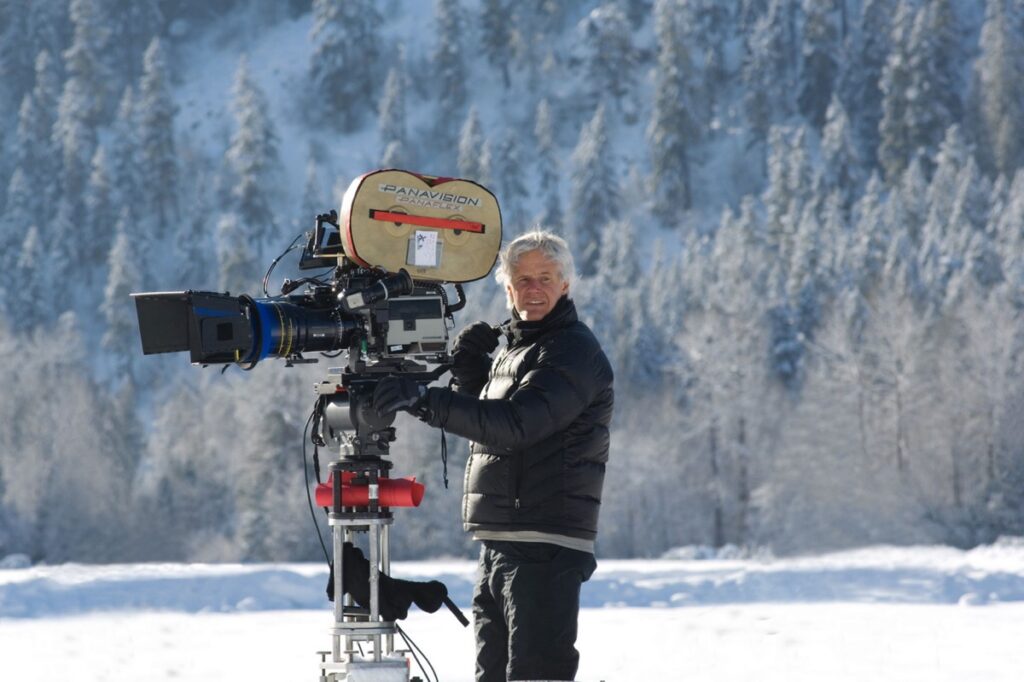
Chris Carter mans the camera while shooting I Want to Believe on location.
Courtesy of 20th Century Studios
Chris Carter mans the camera while shooting I Want to Believe on location.
Courtesy of 20th Century Studios
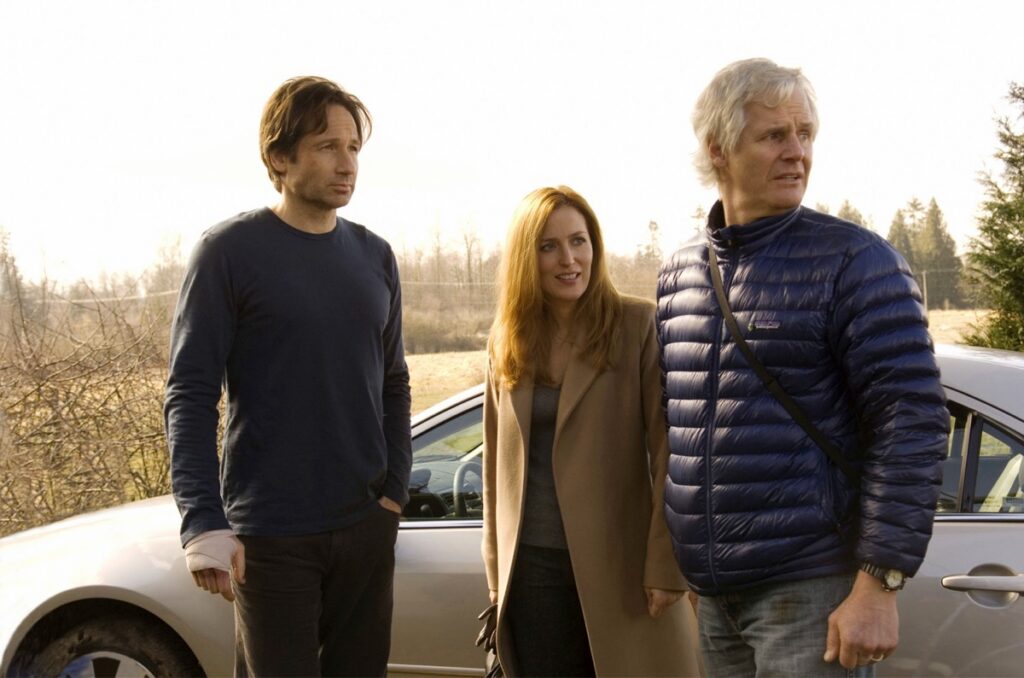
Carter on location with Duchovny and Anderson.
Courtesy of 20th Century Studios
Carter on location with Duchovny and Anderson.
Courtesy of 20th Century Studios
Chris Carter mans the camera while shooting I Want to Believe on location.
Courtesy of 20th Century Studios
Carter on location with Duchovny and Anderson.
Courtesy of 20th Century Studios
Ars Technica: Vrach Frankenshteyn is Russian for Victor Frankenstein. You dabbled with that theme in the series occasionally as well. What keeps drawing you back to that particular well?
Chris Carter: Creating life anew, breathing life into something that is inert, is fascinating to me. That story just fascinates me. The Mary Shelley story is much different than the original Frankenstein movie. They didn’t use lightning bolts to bring the creature to life. It was much more like an X-Files story. I’ve always drawn on my love of that story. Even if it’s not as pointedly like The Postmodern Prometheus, that science lives and breathes in several places in The X-Files.
Ars Technica: For many fans, Mulder and Scully will always be the beating heart of The X-Files. What makes them such an enduring couple, even if they are not always technically “together”?
Chris Carter: Scully being a scientist and Mulder being a believer in the paranormal, and that they agree to disagree wonderfully—it’s part of the nature of their relationship. I think it’s their mutual respect for one another. That, for me, is the ideal man-woman relationship. It feels inevitable. It feels destined. I have that relationship with my wife. I believe in those connections, and I believe that everyone has a path. It’s just figuring out what path to take. Sometimes the path presents itself and you can’t see it. But with Mulder and Scully, they found their paths, and they’re traveling them together for better or worse.