

For a culture that moves at the speed of a scroll, we have become surprisingly good at looking back. Lately, it feels like every week brings another familiar face back into the conversation. An actor we had not thought about in years appears on our feeds, an old interview suddenly goes viral, a throwback red carpet look gets rediscovered, and before long, the internet has collectively decided that an icon was, in fact, ahead of their time. Welcome to the celebrity comeback era, where disappearing from the spotlight no longer means disappearing from pop culture.
The current obsession with nostalgia has made the perfect conditions for this phenomenon. In 2026, the internet has been looking back at 2016 with an almost alarming level of affection. Old Instagram filters, fashion trends, music and celebrity moments from a decade ago have returned to our feeds, with users romanticising what they remember as a simpler, less curated version of the internet. And naturally, the celebrities who defined those years are coming along for the ride.
But this isn’t always a traditional comeback. No album announcement, blockbuster film or carefully orchestrated rebrand is required. Sometimes all it takes is one old clip on Instagram, a forgotten paparazzi photo or a fan edit with the right song. Suddenly, a celebrity who had quietly stepped away from the cultural spotlight is everywhere again. The internet loves to play archivist and celebrity culture has become one of its favourite archives.
Left to right: Lindsay Lohan and Jamie Lee Curtis from Freaky Friday (2003); Jamie Lee Curtis and Lindsay Lohan from Freakier Friday (2025)
Social media has also changed who gets to decide whether someone is relevant. In the past, a celebrity comeback was largely dependent on a new project or a magazine cover. Today, audiences can resurrect a moment entirely on their own. A younger generation can discover someone they were too young to remember the first time around, while older fans get the satisfaction of saying, we told you so.
Fashion plays a particularly important role in these second acts. We have seen contemporary celebrities repeatedly pay homage to the icons who came before them, recreating memorable red carpet looks and bringing archival fashion back into the mainstream. The result is a constant conversation between generations, where an old look can suddenly feel brand new.
Perhaps that is why the celebrity comeback feels so appealing right now. We are living in an era of endless newness. There is always another viral star, another debut, another face being declared the next big thing. In the middle of all that, familiarity feels comforting. Rediscovering an old celebrity is almost like finding a song you loved years ago and realising it still holds up.
Left to right: Macaulay Culkin in Home Alone (1990) vs now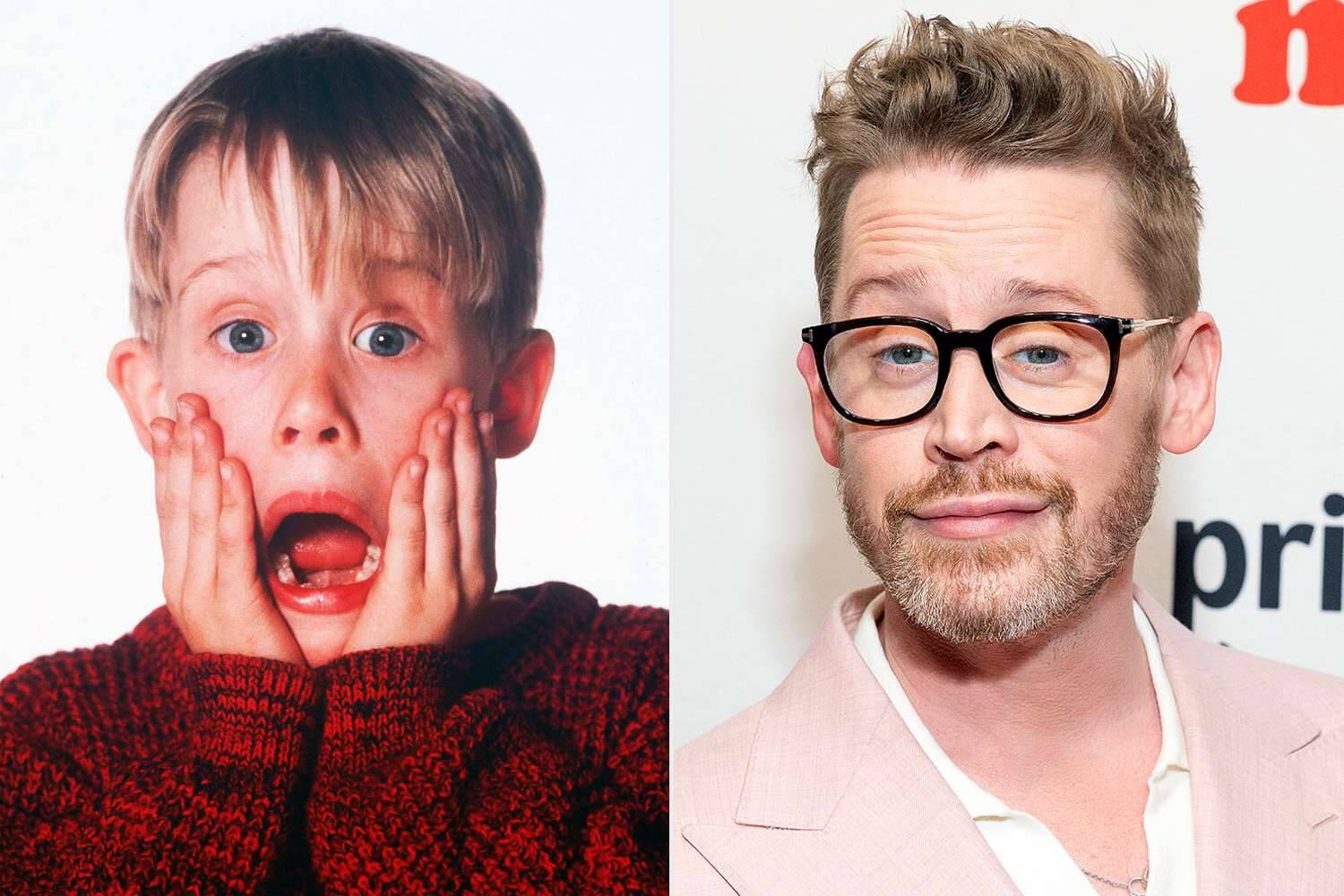
Of course, not every comeback is created equal. The internet can be fickle, and nostalgia has a habit of putting the past through a very flattering filter. Being rediscovered doesn’t necessarily mean being understood in the context of today. Sometimes, a celebrity is remembered more for an aesthetic, a meme or a particularly iconic outfit than for their actual work. But perhaps that is the strange beauty of the comeback era that it is no longer just about returning, it is about being reinterpreted.
The celebrity might be the same but the audience has changed. Their old interviews are watched differently. Their fashion is seen through a new lens. Their career choices suddenly make more sense to a generation that wasn’t paying attention the first time around. The best comebacks then are not really about recreating the past. They are about finding a new place in the present.
In 2026, relevance is no longer a straight line. You can disappear, be forgotten, become a niche internet obsession and then, somehow, find yourself back at the centre of pop culture. Because these days, all it takes is one perfectly timed Instagram edit to remind everyone what they were missing.